Plizio Visual Lab

Pigeon Island (Nature Focus)
Plizio editorial teamData Sources
park
—°3
Pigeon Island (Nature Focus) (St. Lucia)

Weather…

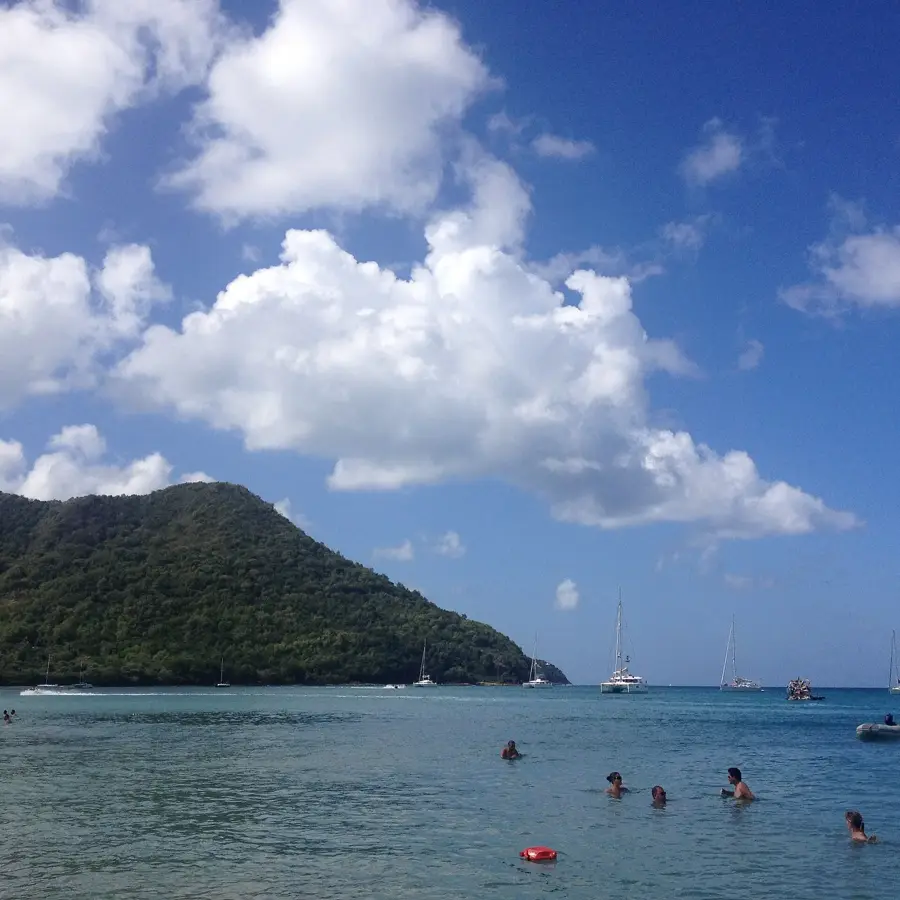
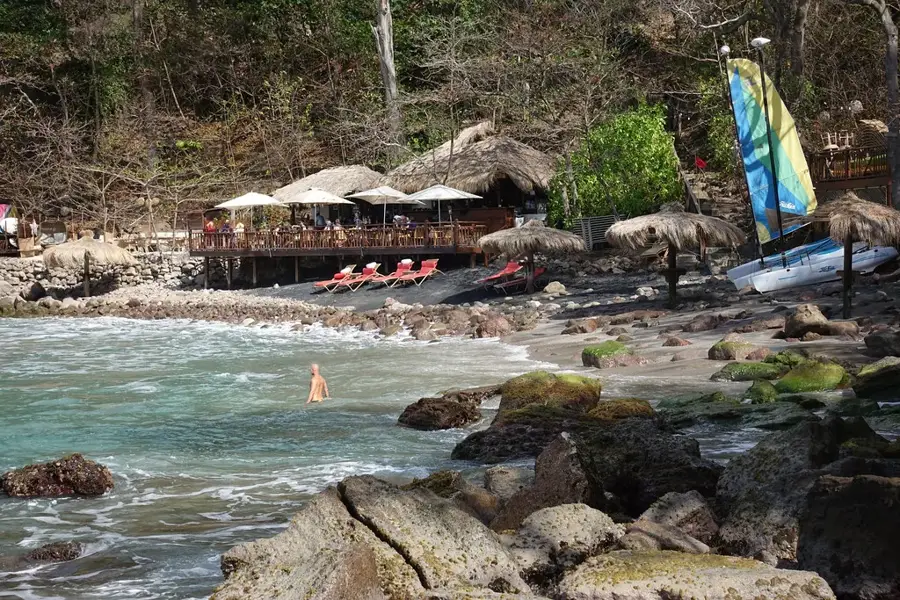
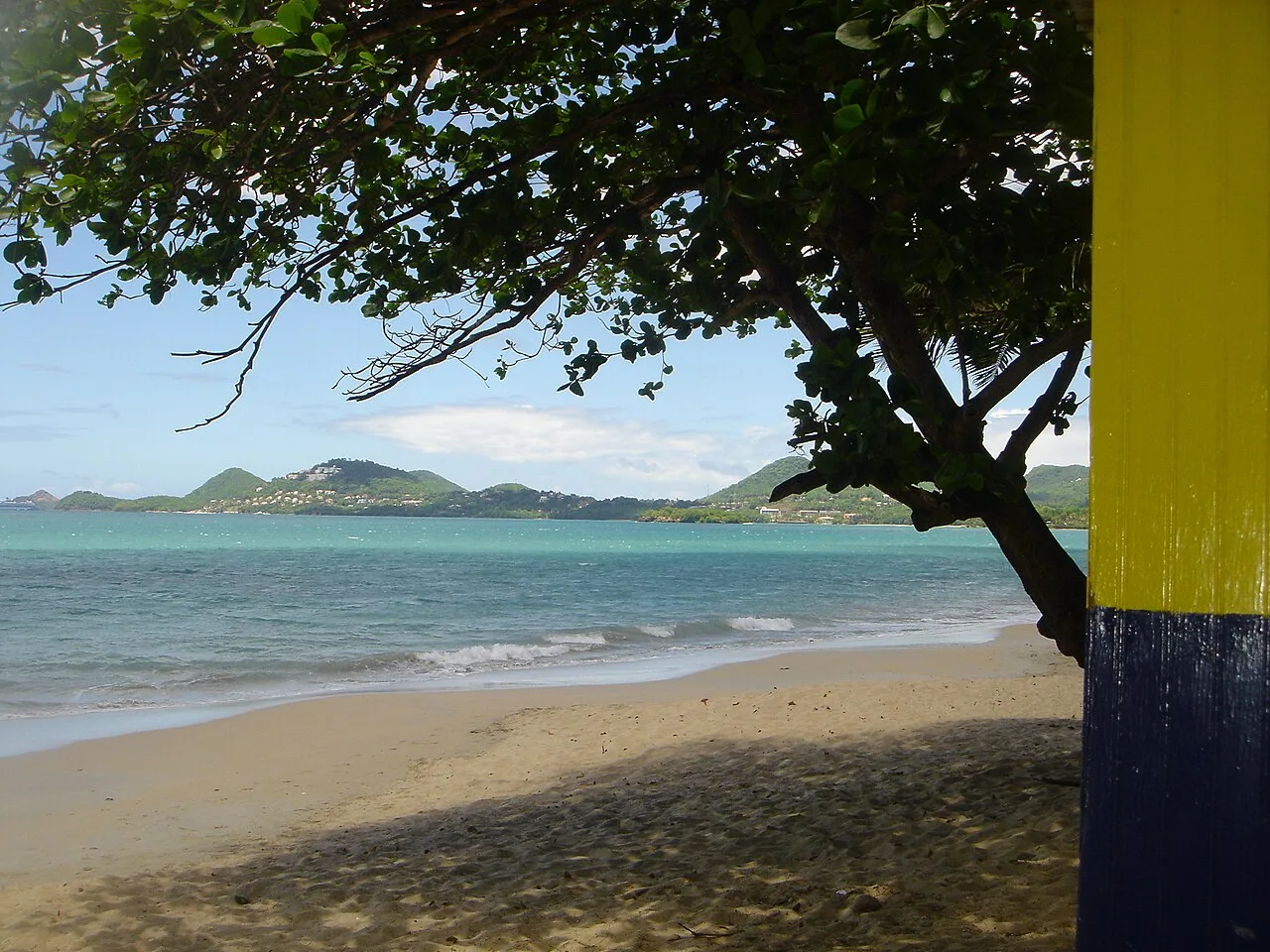
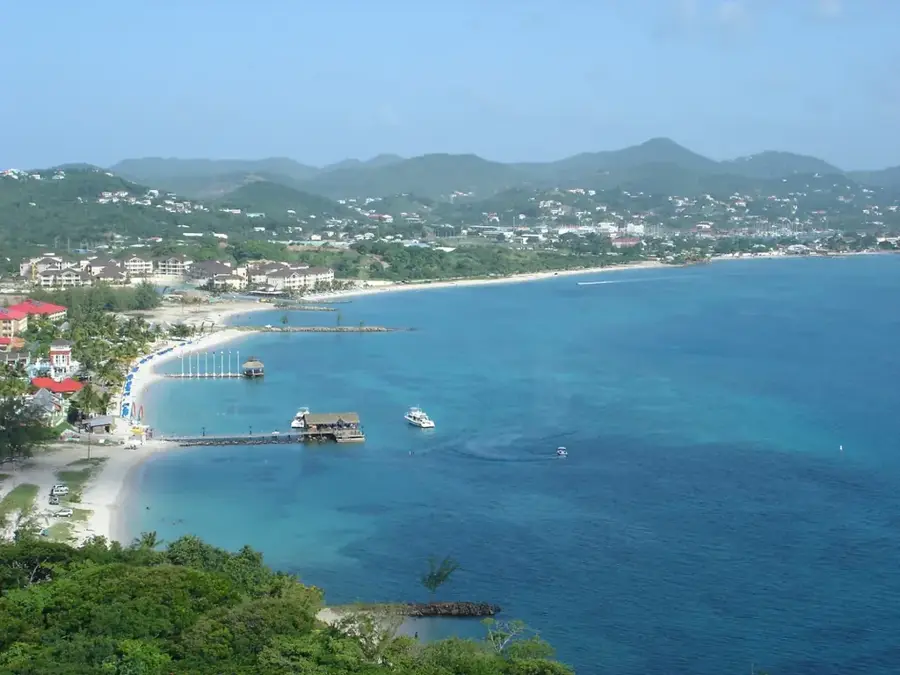
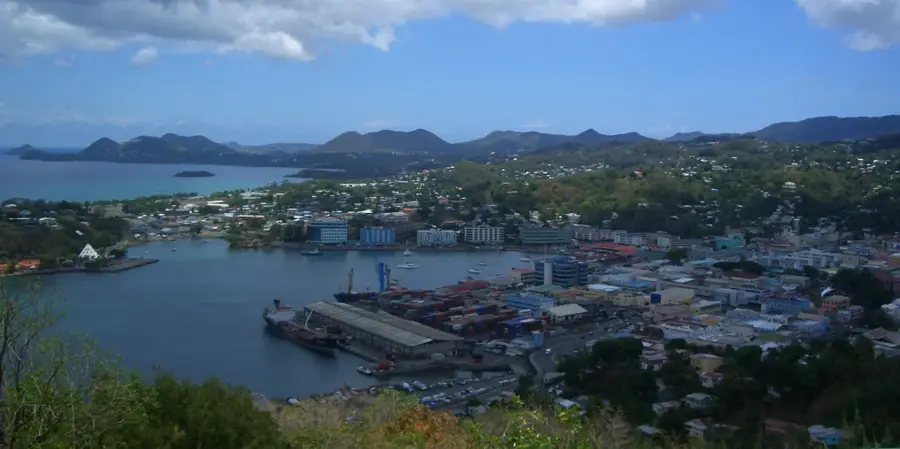
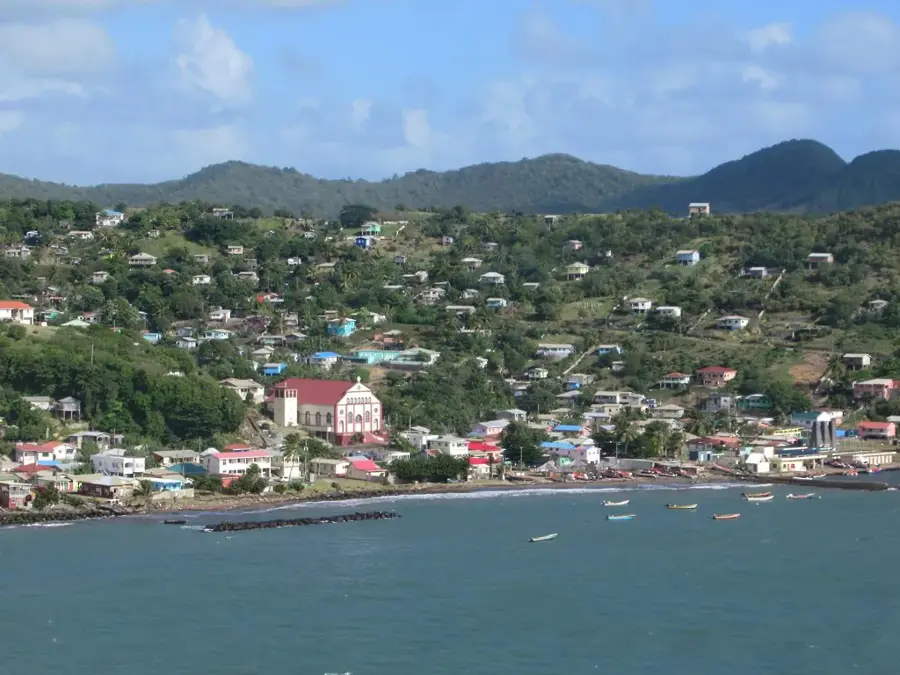
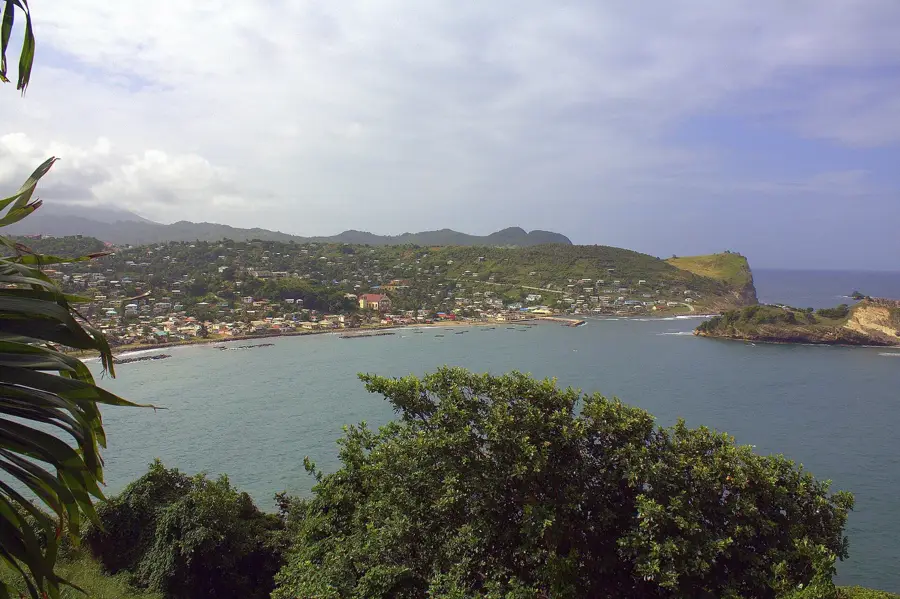
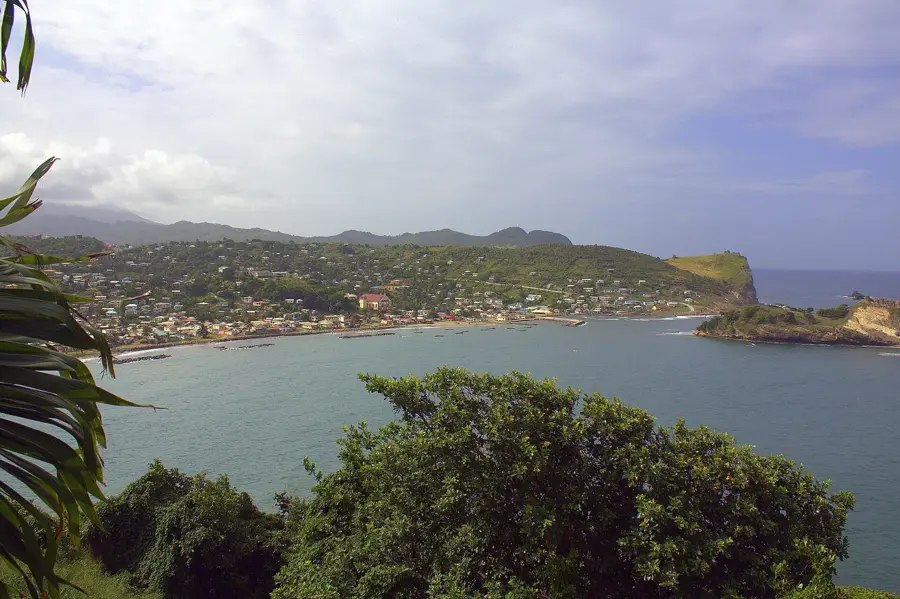
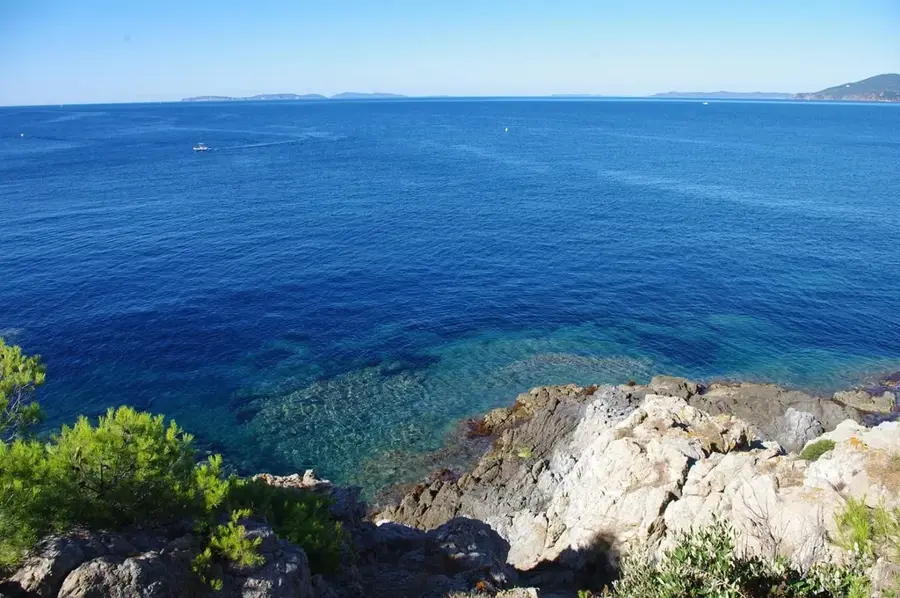
Beyond its fame as a historic military stronghold, Pigeon Island National Park serves as a crucial sanctuary for some of St. Lucia’s most fragile ecosystems. The northern slopes of the island are covered in rare dry forest vegetation, characterized by unique cactus species and hardy coastal scrub that have adapted to the island's microclimate. This environment provides a prime nesting ground for the Magnificent Frigatebird, which can often be seen soaring on thermal currents above the northern cliffs. The island’s terrestrial biodiversity is further highlighted by its thriving populations of indigenous lizards and ground-dwelling fauna that inhabit the sun-drenched rocky outcrops. Below the waterline, the conservation efforts extend to the lively coastal reefs that fringe the island’s bays. These reefs support a diverse array of marine life, making the area a popular destination for eco-conscious snorkeling. By preserving these natural assets, the park maintains a vital balance between showcasing regional history and protecting the endemic biological heritage of the Windward Islands.

Best time to visit & climate

The most pleasant time to visit is Jan–Mar.

JanFebMarAprMayJunJulAugSepOctNovDec
Avg °C262626272828282829282827
Rain mm6844489710213615418018218915985

📋 Practical info

🧭
Getting there
To access Pigeon Island, visitors typically head towards the main entrance located in the northern coastal area. The site is usually well-connected by local roads and easily reachable via taxi or short drives from nearby major settlements.
📅
Best season
The most favorable conditions for a visit are normally found during the drier months from December to May. During this time, the weather patterns offer clearer skies, making outdoor activities and nature observation much more enjoyable.
⛰️
Terrain & paths
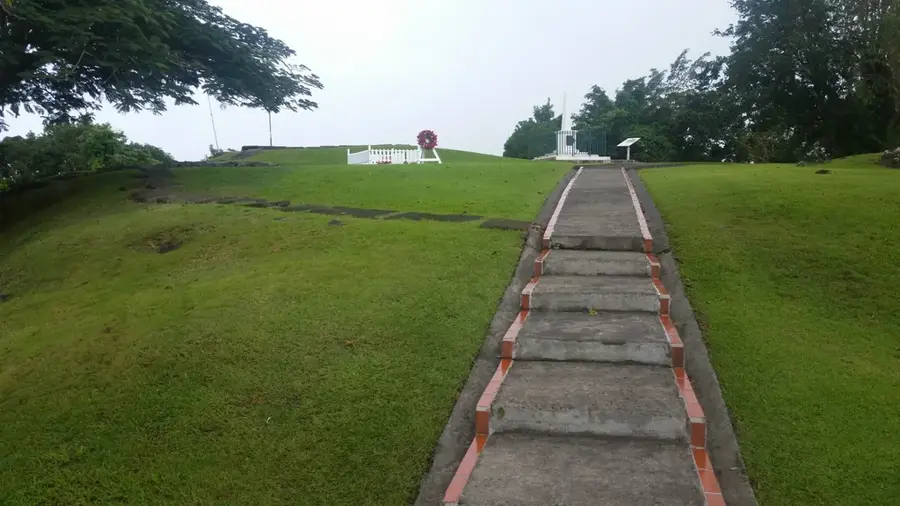
The terrain features well-maintained walking paths and natural trails suitable for most fitness levels. Exploring is generally straightforward, particularly because the area hosts rare dry forest ecosystems and coastal flora.
🎒
What to bring
Comfortable walking shoes are essential for navigating the paths and grounds smoothly. Visitors should always carry sufficient drinking water, reliable sun protection, and a lightweight layer against unexpected coastal breezes or showers.
🅿️
Parking
Parking spaces can generally be found in designated visitor lots near the main entrance points. Leaving vehicles in these formal parking areas is highly practical and provides easy direct access to the starting points of the trails.
⚠️
Safety
Visitors are advised to remain on marked trails to protect sensitive ecosystems and avoid unstable edges. It is highly recommended to respect all posted rules and to be mindful of local wildlife when venturing further away from the main areas.
⏱️
Time needed
A typical exploration of this environment usually takes between one to three hours, depending on individual pace and interest. Factoring in extra time for scenic rest stops, photography, or historical observation is a very prudent strategy.

Geography

Coordinates
14.09100, -60.96400

Facts

  • Habitat for the endemic St. Lucia Whiptail lizard
  • Presence of Magnificent Frigatebirds on cliffs
  • Crucial seagrass beds for Green Sea Turtles
  • Dry forest vegetation with gum trees
  • National Park status since 1979
  • Nesting sites for various seabird species

Explore nearby

Notable places around
Route planner — Car & Motorhome

Where do you start? We build the route here, with stops and country notes along the way.

Vehicle
Only stops with (optional):

© OpenStreetMap contributors · OpenRouteService

Sights in the town Pigeon Island (Nature Focus) (3)

Pigeon Island (Saint Lucia)📍 landmark

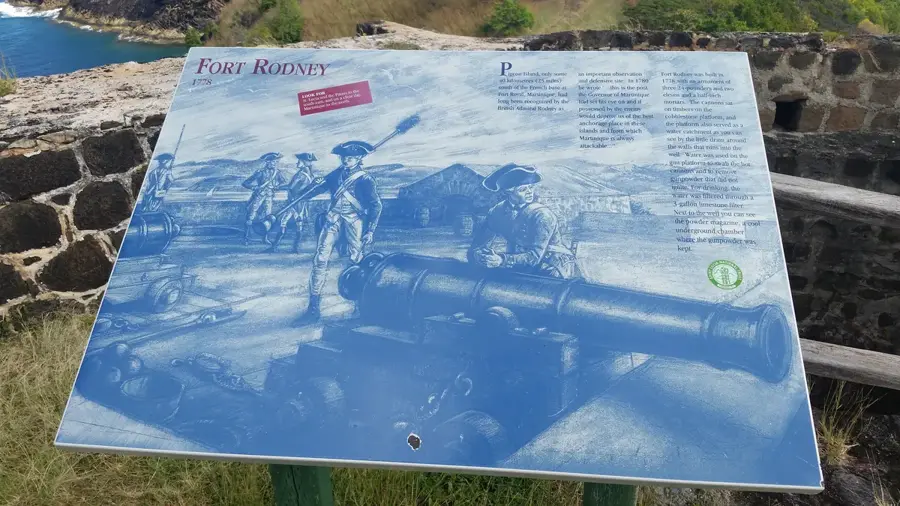
A historic island connected to the mainland by a causeway, featuring fortress ruins.

Rodney Bay📍 landmark

A large bay on the northwest coast, surrounded by sandy beaches and a marina.

St. Joseph the Worker Church, Gros Islet📍 landmark

A Catholic church in the town of Gros Islet, built in a modern style.

Sights nearby

Frequently asked questions

How much is the entrance fee?
Adults pay approximately 10-15 USD for entrance to the entire park grounds.
Is the climb to Fort Rodney strenuous?
It is a short but steep climb of about 15-20 minutes; sturdy footwear is recommended.
Are there beaches on Pigeon Island?
Yes, there are two beautiful sandy beaches with calm water for swimming.
Are there restaurants in the park?
Yes, there is a small cafe and a restaurant called Jambe de Bois right on the waterfront.
What are the opening hours?
The park is open daily from 9:30 AM to 5:00 PM for visitors.
Pigeon Island (Nature Focus): where is it located?
Pigeon Island (Nature Focus) is located in St. Lucia.
Pigeon Island (Nature Focus): what is there to see?
Highlights include Pigeon Island (Saint Lucia), Rodney Bay, St. Joseph the Worker Church, Gros Islet.
Pigeon Island (Nature Focus): when is the best time to visit?
The most pleasant time to visit is Jan, Mar.
Pigeon Island (Nature Focus): why is it worth visiting?

Beyond its fame as a historic military stronghold, Pigeon Island National Park serves as a crucial sanctuary for some of St.
View on map → The Top 50 Attractions → OpenStreetMap →
North America
Explore with Plizio Discover more places in North America

Nearby cities