Plizio Visual Lab

Petit Piton
Plizio editorial teamData Sources
peak
—°3
Petit Piton (St. Lucia)

Weather…

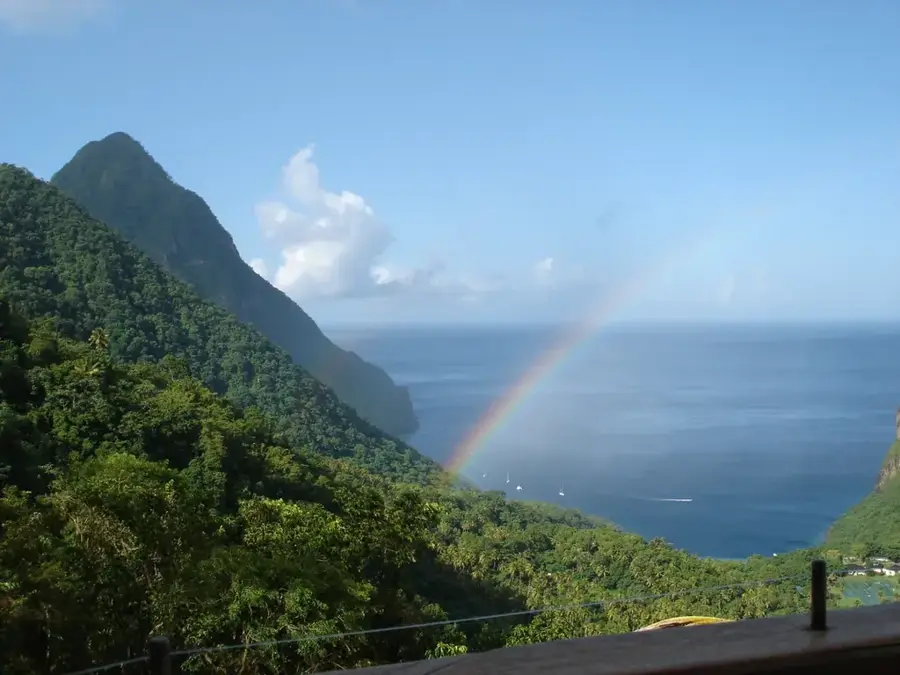
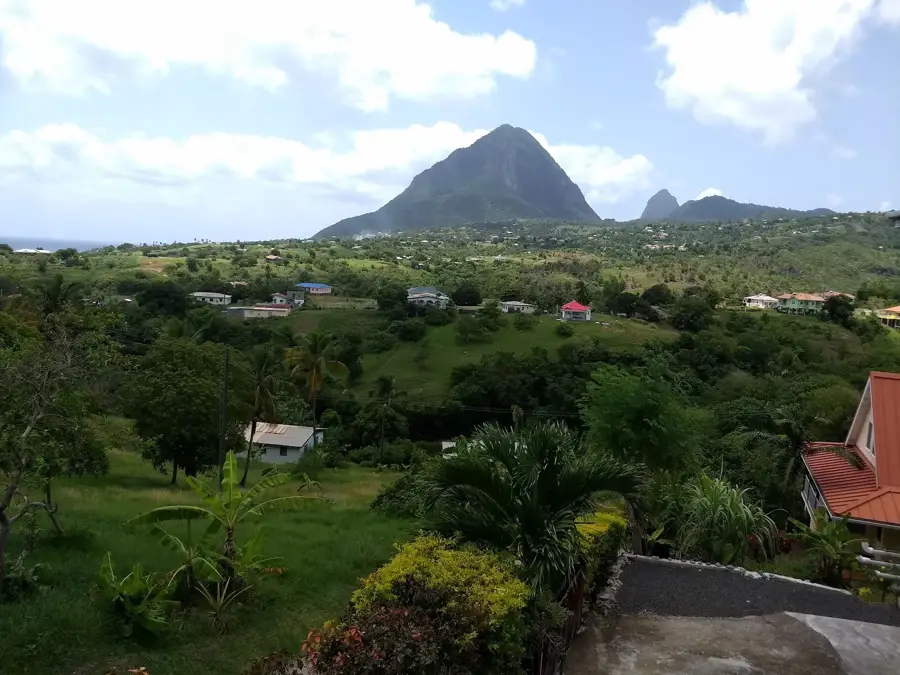
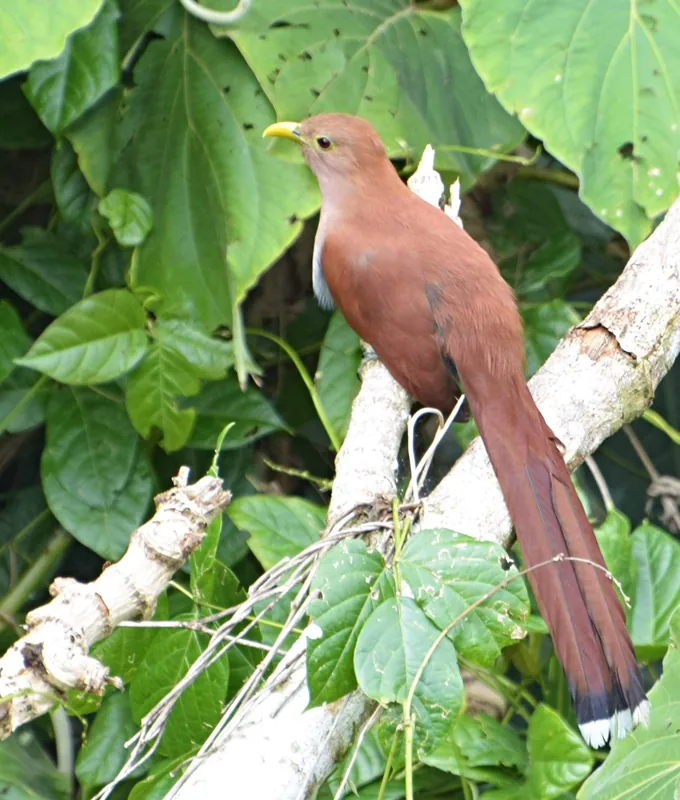
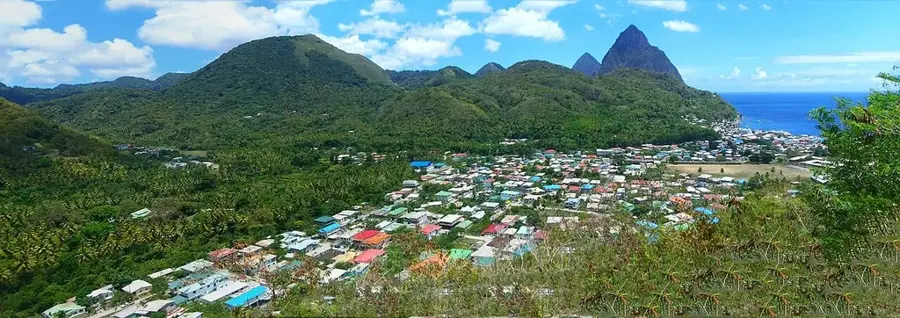
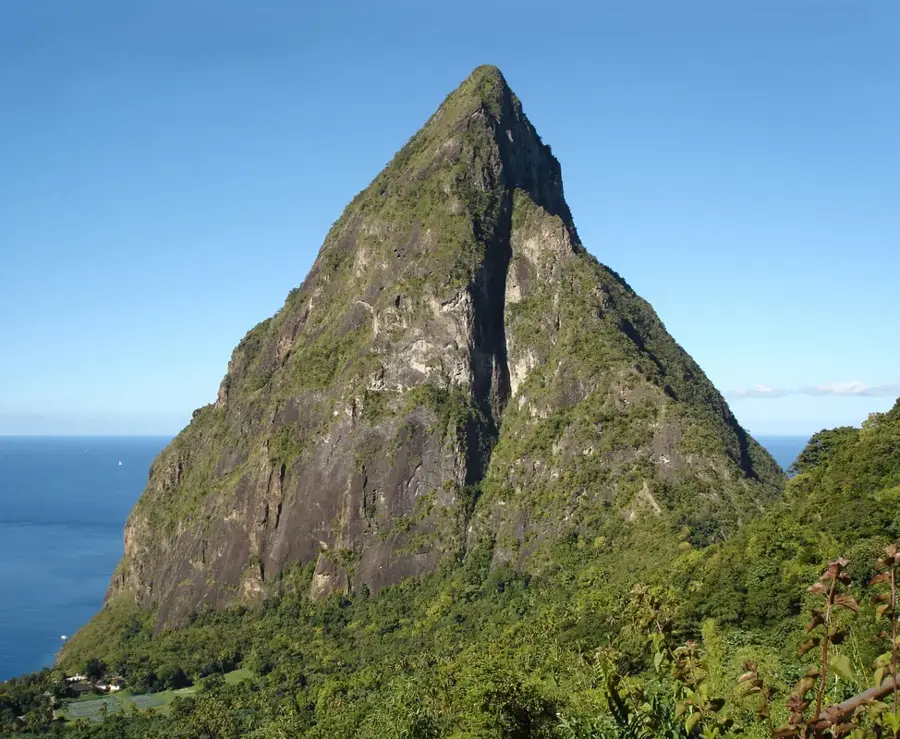
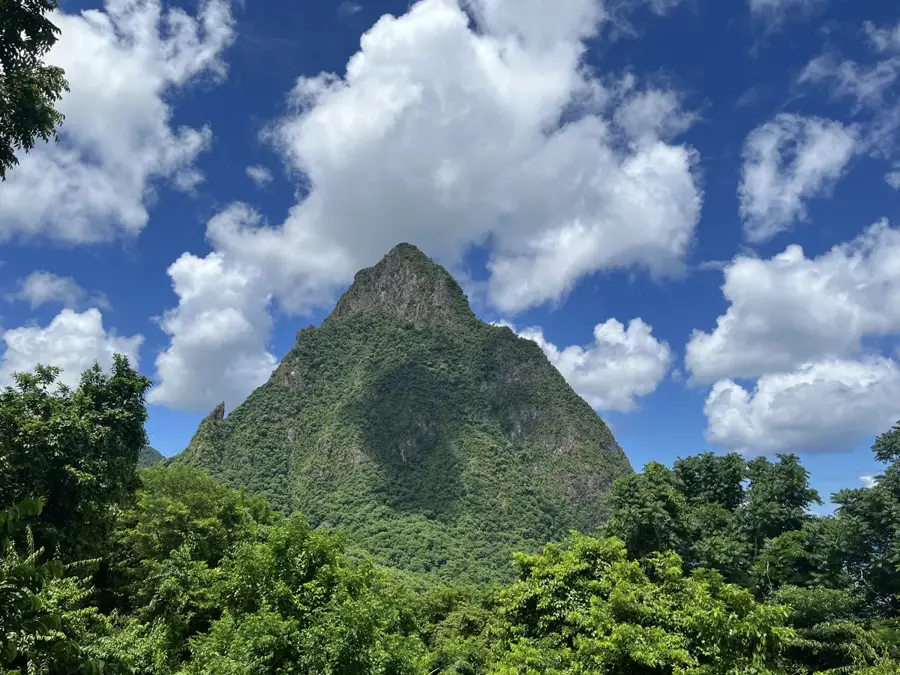
Petit Piton is the sharper and more daunting of the two world-famous volcanic spires on Saint Lucia's southwestern coast. Reaching an elevation of 743 meters, it is composed of dacite rock and forms half of the Pitons Management Area, a UNESCO World Heritage site. While shorter than Gros Piton, its slopes are significantly steeper, rising nearly vertically from the Caribbean Sea near the town of Soufriere. The mountain is covered in resilient tropical forest that clings to its jagged ridges, providing a habitat for diverse flora and endemic bird species. Climbing Petit Piton is considered a technical challenge rather than a standard hike, often requiring ropes and professional guidance due to the sheer precipices. Historically and geologically, it represents the core of an ancient volcanic complex. Its dramatic silhouette is a national symbol for the island, appearing on the national flag and serving as the primary inspiration for Saint Lucia's global tourism identity.

Best time to visit & climate

The most pleasant time to visit is Jan–Mar.

JanFebMarAprMayJunJulAugSepOctNovDec
Avg °C262626272828282829282827
Rain mm6844489710213615418018218915985

📋 Practical info

🧭
Getting there
To access Petit Piton, visitors typically head towards the starting points located near Soufriere. Local transport or a brief drive usually connects the base to nearby towns, providing a straightforward approach before setting out on foot.
📅
Best season
The most favorable conditions for exploring the peak are normally found during the drier months from December to May. During this time, the weather patterns offer clearer skies and less slippery trails for a safer outdoor experience.
⛰️
Terrain & paths
The natural environment around the mountain features rugged paths and steep sections typical of the island's volcanic origins. The trails demand a reasonable level of physical fitness, especially since the area is steeper than its neighbor and reaches 743 meters.
🎒
What to bring
Proper outdoor gear is essential, including sturdy hiking boots with excellent grip for the uneven ground. Visitors should always carry sufficient drinking water, reliable sun protection, and a lightweight waterproof jacket.
🅿️
Parking
Parking spaces can generally be found in designated public areas or alongside the main access roads near the starting points. Leaving vehicles in nearby towns and utilizing local transport is also a very common and practical alternative.
⚠️
Safety
Hikers are strongly advised to remain on marked trails to avoid dangerous drop-offs and disorienting dense vegetation. It is highly recommended to inform a local contact about your route and to consider hiring a registered guide for unfamiliar paths.
⏱️
Time needed
A typical exploration of this specific mountainous area usually takes between two to five hours, depending on individual pace and chosen trails. Factoring in extra time for scenic rest stops and changing weather conditions is a prudent strategy.

Geography

Coordinates
13.83650, -61.06420

Facts

  • Maximum height of 743 meters above sea level.
  • Significantly steeper profile than Gros Piton.
  • Part of the UNESCO Pitons Management Area.
  • Contains pre-Columbian Carib petroglyphs.
  • Formed as a volcanic plug millions of years ago.
  • Ascent often requires technical climbing skills.

Explore nearby

Notable places around
Route planner — Car & Motorhome

Where do you start? We build the route here, with stops and country notes along the way.

Vehicle
Only stops with (optional):

© OpenStreetMap contributors · OpenRouteService

Sights in the town Petit Piton (3)

Lesser Antillean dry forests📍 landmark

Dry forests of the Lesser Antilles, a habitat with drought-resistant plants on rocky terrain.

Sulphur Springs, Saint Lucia📍 landmark

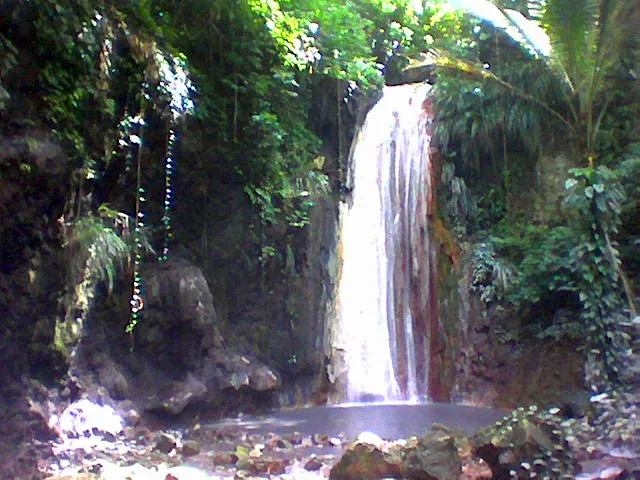
Sulphur Springs in Saint Lucia, a geothermal area with hot springs and steam vents.

Soufrière, Saint Lucia📍 landmark

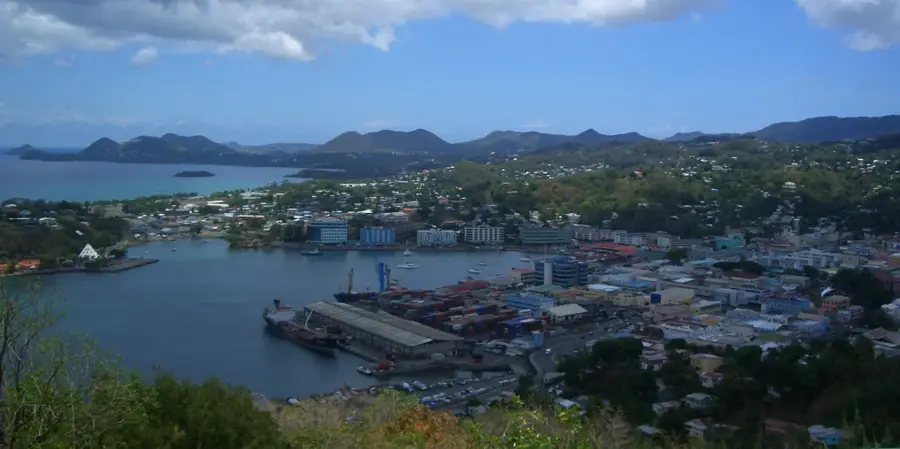
Soufrière, a town on Saint Lucia's west coast, set among volcanic landscapes and rainforest.

Sights nearby

Frequently asked questions

Is Petit Piton harder to climb than Gros Piton?
Yes, it is steeper and requires actual scrambling and rope-climbing in some sections.
Are there official guides for Petit Piton?
There are no state-managed guides like at Gros Piton; you need to find private guides.
How dangerous is the climb?
Due to extreme steepness and slip risks, it's considered dangerous and only for experienced hikers.
How long does the tour take?
It takes about 4 to 6 hours for the very taxing round trip.
Is there a viewing platform at the top?
No, it is a small, natural summit with a spectacular 360-degree view.
Petit Piton: where is it located?
Petit Piton is located in St. Lucia.
Petit Piton: what is there to see?
Highlights include Lesser Antillean dry forests, Sulphur Springs, Saint Lucia, Soufrière, Saint Lucia.
Petit Piton: when is the best time to visit?
The most pleasant time to visit is Jan, Mar.
Petit Piton: why is it worth visiting?

Petit Piton is the sharper and more daunting of the two world-famous volcanic spires on Saint Lucia's southwestern coast.
View on map → The Top 50 Attractions → OpenStreetMap →
North America
Explore with Plizio Discover more places in North America

Nearby cities

History & landmarks