Plizio Visual Lab
Choc Bay Mangroves
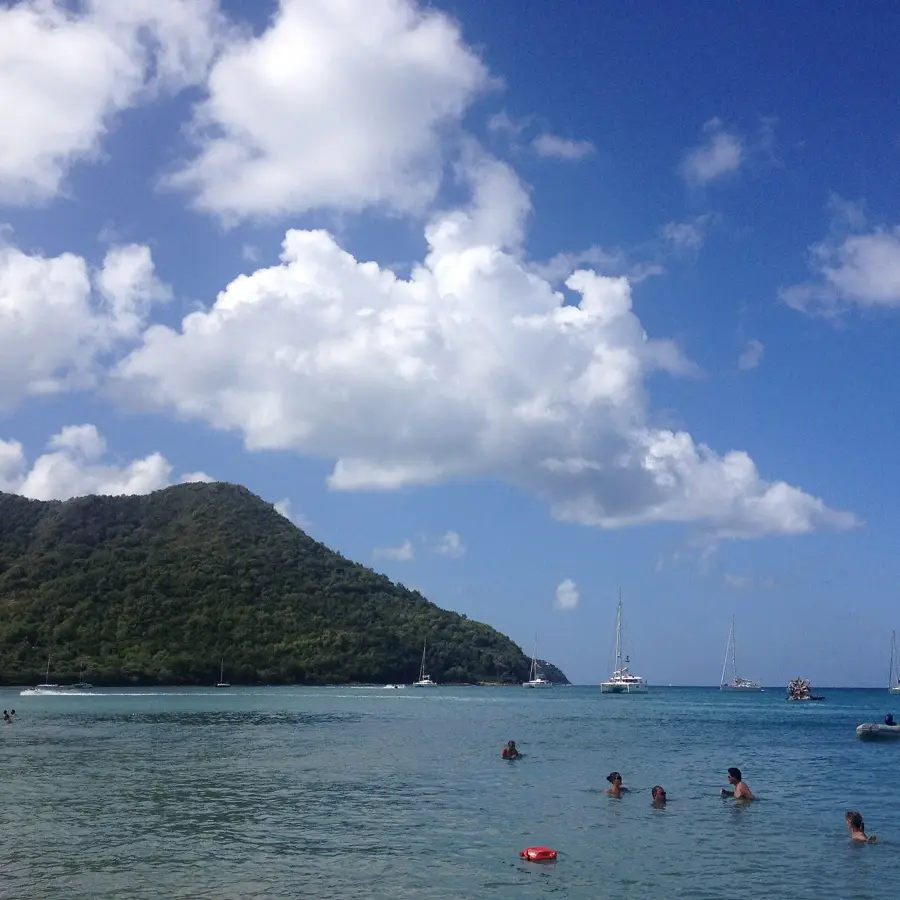
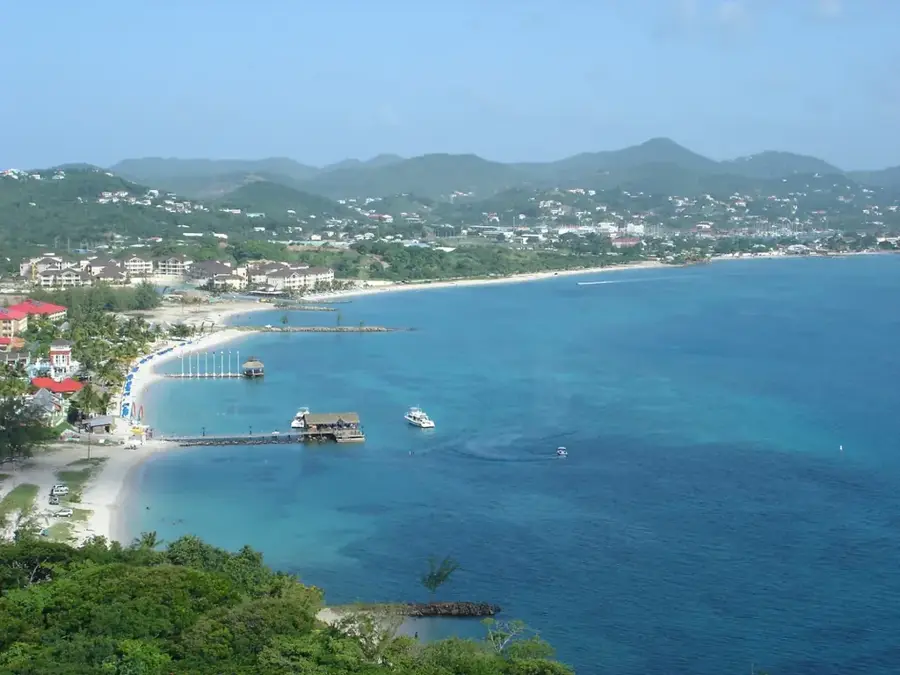
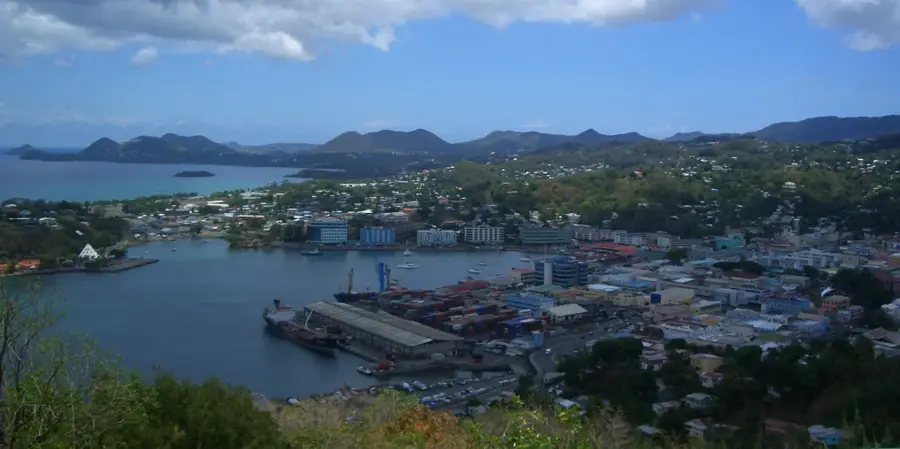
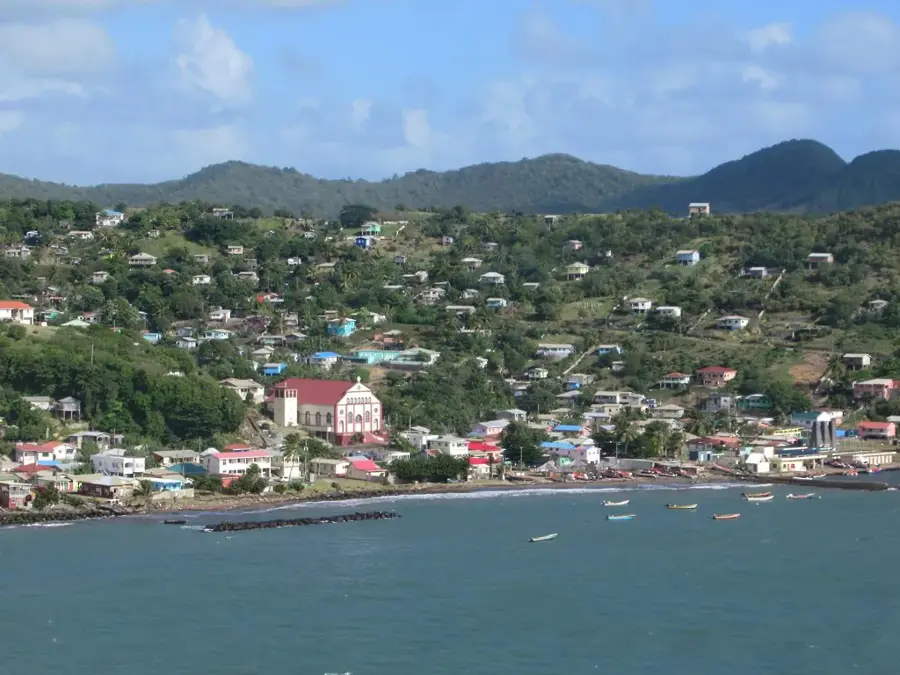
The Choc Bay Mangroves on the northern coast of Saint Lucia are a small but ecologically vital treasure. In a region where tourism development is prominent, this coastal stretch serves as a crucial natural shield against erosion and hurricane damage. The roots of the White Mangroves extend into the brackish water like fingers, stabilizing the muddy shoreline while filtering out sediments before they reach the open sea. For local marine life, this area acts as a nursery; juvenile fish and crabs find safety among the tangled roots, hidden from larger predators. Birdwatchers will also find the bay rewarding, as various herons and other waterfowl frequently forage in the shallow waters. A visit to the area highlights the quiet strength of this ecosystem, which functions as a necessary buffer between the busy mainland and the vast expanse of the Caribbean Sea, preserving the island's natural coastal integrity.
- Location: St. Lucia
- Top sights: Choc River · Bisée · Choc Bay
- Nearby: Beausejour (4 km)
Best time to visit & climate
The most pleasant time to visit is Jan–Mar.
| Jan | Feb | Mar | Apr | May | Jun | Jul | Aug | Sep | Oct | Nov | Dec | |
|---|---|---|---|---|---|---|---|---|---|---|---|---|
| Avg °C | 26 | 26 | 26 | 27 | 28 | 28 | 28 | 28 | 29 | 28 | 28 | 27 |
| Rain mm | 68 | 44 | 48 | 97 | 102 | 136 | 154 | 180 | 182 | 189 | 159 | 85 |
📋 Practical info
Geography
Facts
- Protects the coastline from tropical storms
- Presence of red mangroves (Rhizophora mangle)
- Filters sediments from the Choc River
- Habitat for herons and other waterfowls
- Important breeding ground for local fish species
- Part of the ecological network in the north
Explore nearby
Notable places around

Route planner — Car & Motorhome
Where do you start? We build the route here, with stops and country notes along the way.
© OpenStreetMap contributors · OpenRouteService
Sights in the town Choc Bay Mangroves (3)
Sights nearby
Frequently asked questions
Where are the Choc Bay Mangroves located?
Can you see the mangroves from the beach?
Which birds live in the mangroves?
Are the mangroves protected?
Can you go kayaking there?
Choc Bay Mangroves: where is it located?
Choc Bay Mangroves: what is there to see?
Choc Bay Mangroves: when is the best time to visit?
Choc Bay Mangroves: why is it worth visiting?
Nearby cities