Plizio Visual Lab
Săbăoani
ℹ️Practical info — Săbăoani
▾
🌤 Weather — 5 days
📍 Nearby
Sights nearby
💡 Tips
- Visit the St. Michael the Archangel Church during Sunday Mass to witness the town's spiritual heart.
- Notice the Italian architectural influence, a result of many locals working in Italy.
- Explore the Diocesan Museum of Catholics in Moldavia to learn about the unique local history.
- Try the local pizza, which is often surprisingly authentic due to the strong Italian connection.
- Visit during major Catholic holidays to see traditional processions and celebrations.
🍽 Food
Thanks to the Italian connection, you can find excellent wood-fired pizza here.
Traditional Moldavian cheese pies, often served during local festivals.
Traditional grilled meat rolls found in small local eateries in the center.
🛍 Shopping · 🧘 Quiet spots
Orizontului and Progresului streets are lined with small family-owned boutiques.
A popular local shop for groceries and everyday essentials.
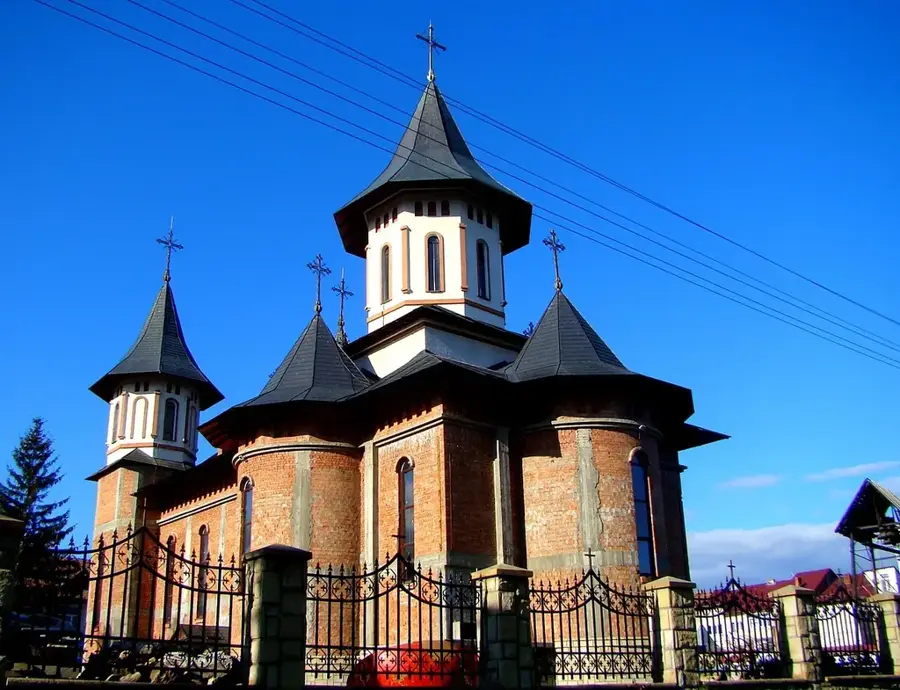
The area around St. Michael Church is peaceful and well-suited for a quiet moment.
A well-maintained green space in the center, away from the noise of the main road.
Water temperature…
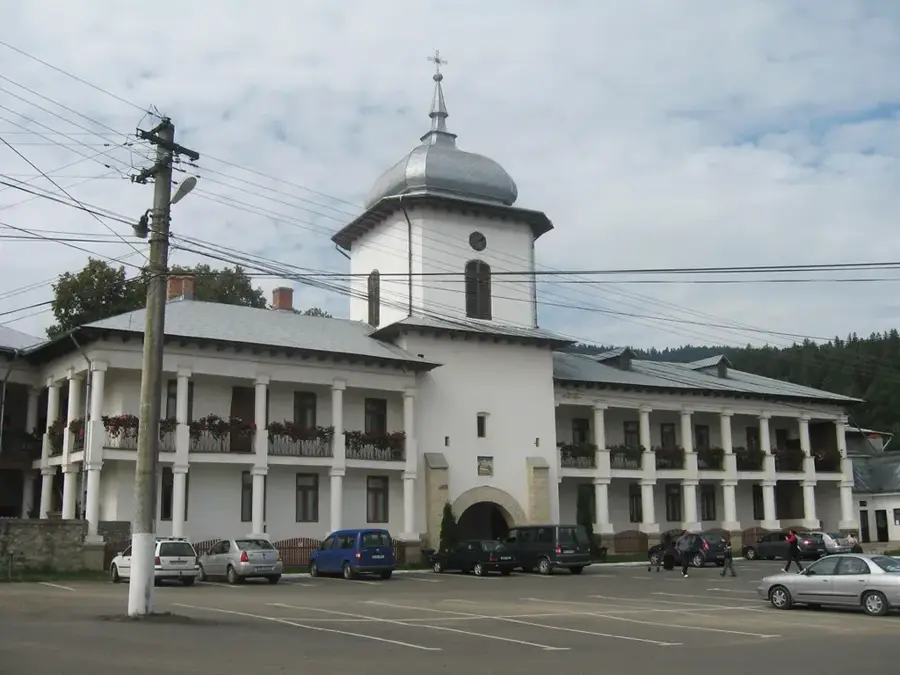
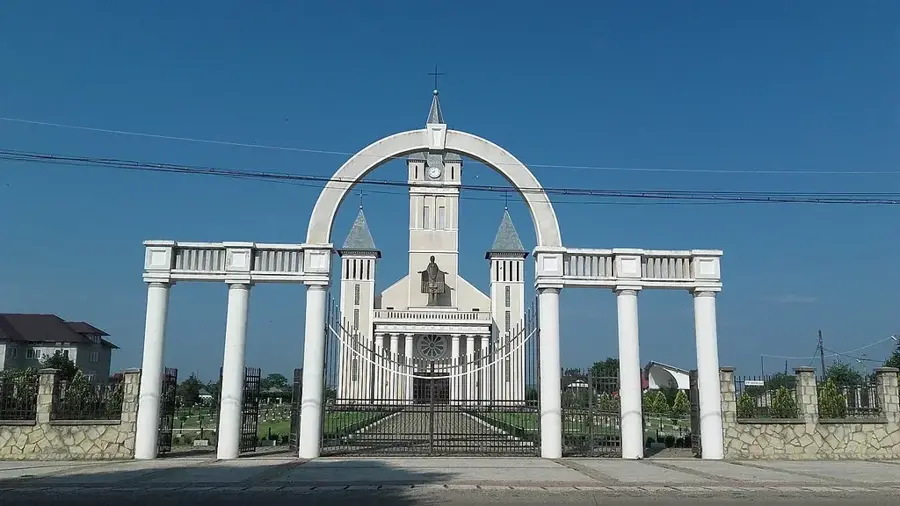
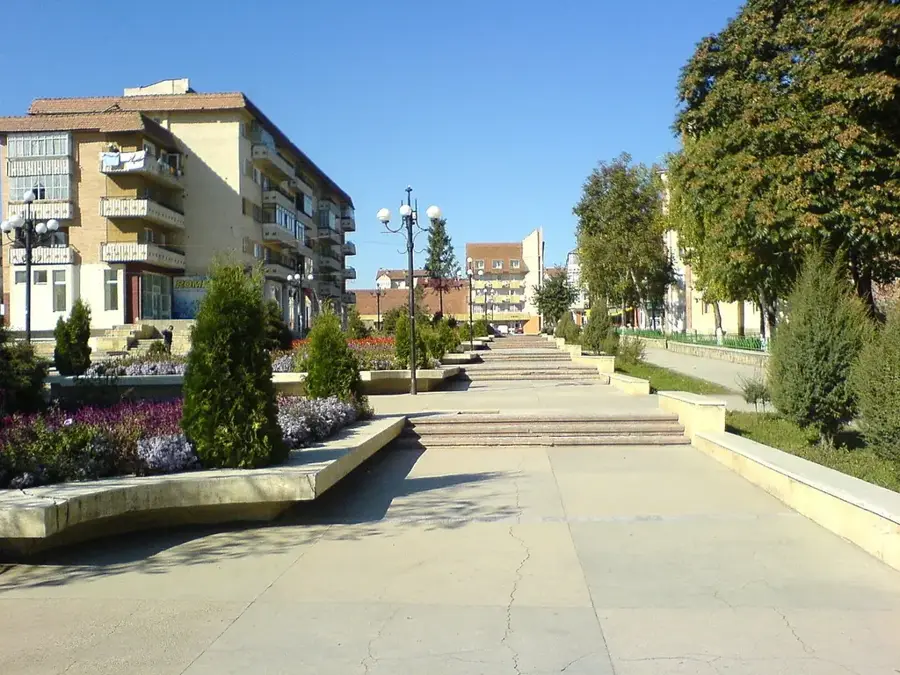
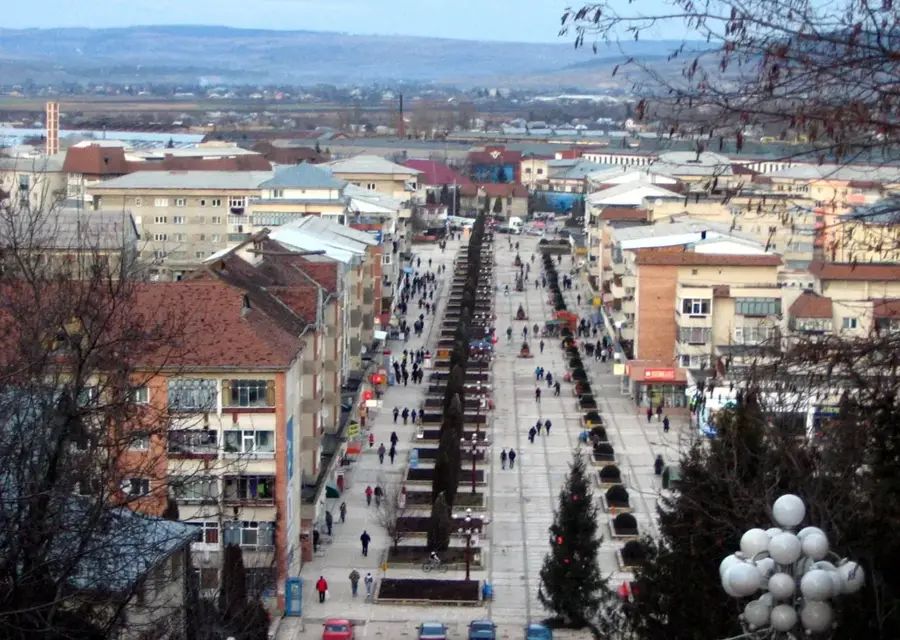
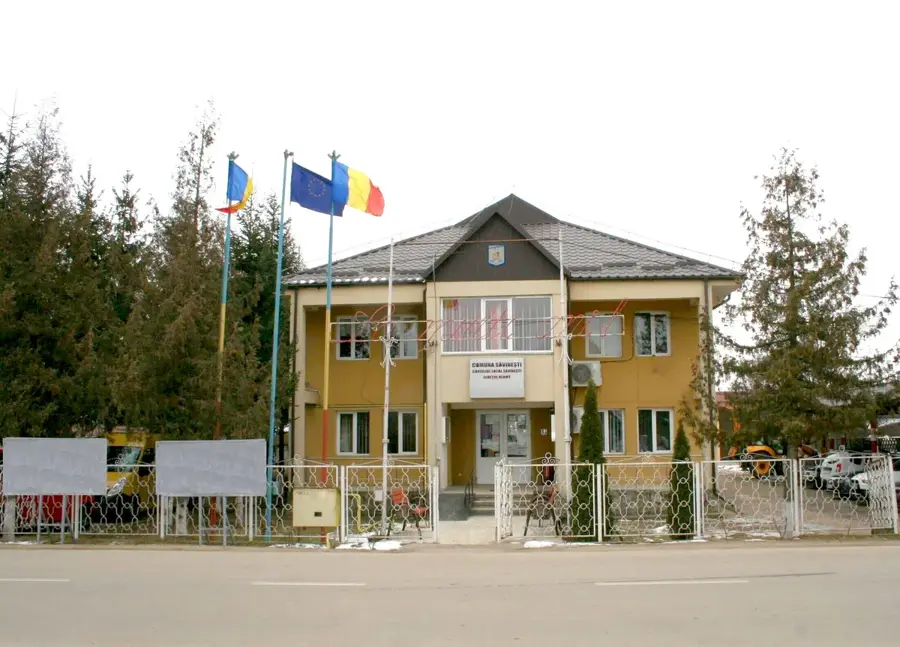
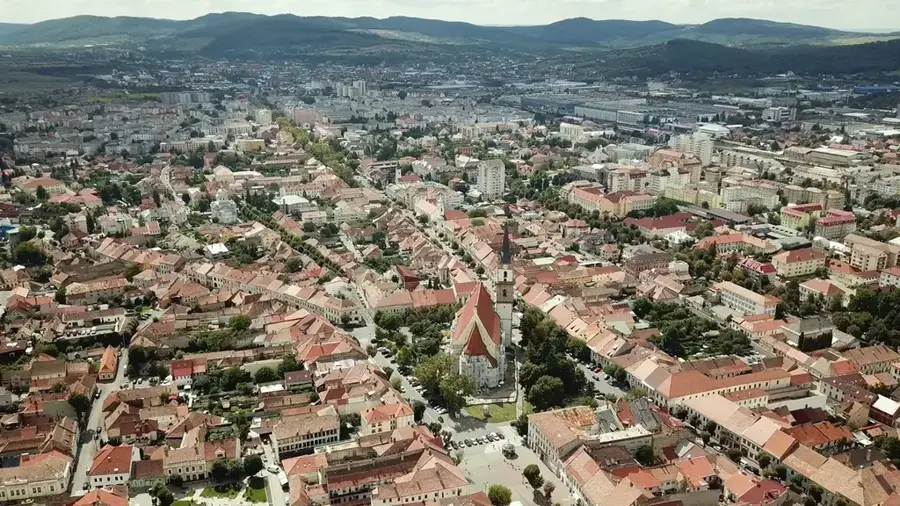
Săbăoani is a unique and influential settlement in Neamț County, Moldavia, standing out as one of the primary centers of the Roman Catholic community in eastern Romania. Its history is deeply intertwined with the migration and settlement patterns of the Csángó people, a distinct group of Hungarian descent that has inhabited the Siret River valley for centuries. The town is visually dominated by its massive Catholic cathedral, which serves as a spiritual beacon for the region. Geographically, Săbăoani lies on a fertile plain near the confluence of the Siret and Moldova rivers, supporting a robust agricultural economy. In recent decades, the town has become known for its significant diaspora; many of its 9,511 residents work across Europe, bringing back investment that is visible in the town's modern architecture and improved public facilities. Culturally, Săbăoani is a living museum of ethnographic traditions, featuring unique folk costumes, music, and linguistic nuances that attract scholars of anthropology. The community is remarkably tight-knit, with religious life providing the main framework for social interaction and large-scale festivals. Strategically positioned at a major crossroads in the Moldavian region, Săbăoani serves as a commercial hub for the surrounding rural area. Efforts to preserve the local heritage while embracing modern European standards have made Săbăoani a model of cultural resilience and economic dynamism in northeastern Romania.
- Location: Neamț, Romania
- Nearby: Roman (11 km)
- Population: ~9.511
Best time to visit & climate
The most pleasant time to visit is Jun–Aug.
| Jan | Feb | Mar | Apr | May | Jun | Jul | Aug | Sep | Oct | Nov | Dec | |
|---|---|---|---|---|---|---|---|---|---|---|---|---|
| Avg °C | -4 | -2 | 4 | 10 | 16 | 20 | 22 | 22 | 16 | 10 | 4 | -2 |
| Rain mm | 31 | 31 | 37 | 51 | 72 | 98 | 87 | 54 | 44 | 54 | 34 | 34 |
Geography
Facts
- One of the largest Roman Catholic hubs in Moldavia.
- Located in Neamț County near the city of Roman.
- Current population stands at approximately 9,511 people.
- Renowned for its cultural heritage of Csángó origins.
- Strategically located at the intersection of major national roads.
- Famous for its elaborate religious processions and festivals.
Explore nearby
Notable places around
Route planner — Car & Motorhome
Where do you start? We build the route here, with stops and country notes along the way.
© OpenStreetMap contributors · OpenRouteService
Frequently asked questions
Why is Săbăoani significant?
Is there an architecturally interesting church?
How far is it from the city of Roman?
Are there specific local traditions?
Is a short stop worth it?
Săbăoani: where is it located?
Săbăoani: when is the best time to visit?
Săbăoani: why is it worth visiting?

Nearby cities
History & landmarks
Nature
More places