Plizio Visual Lab

Hundred Islands National Park
Plizio editorial teamData Sources
national-park
—°6
Hundred Islands National Park (Philippines)

Weather…

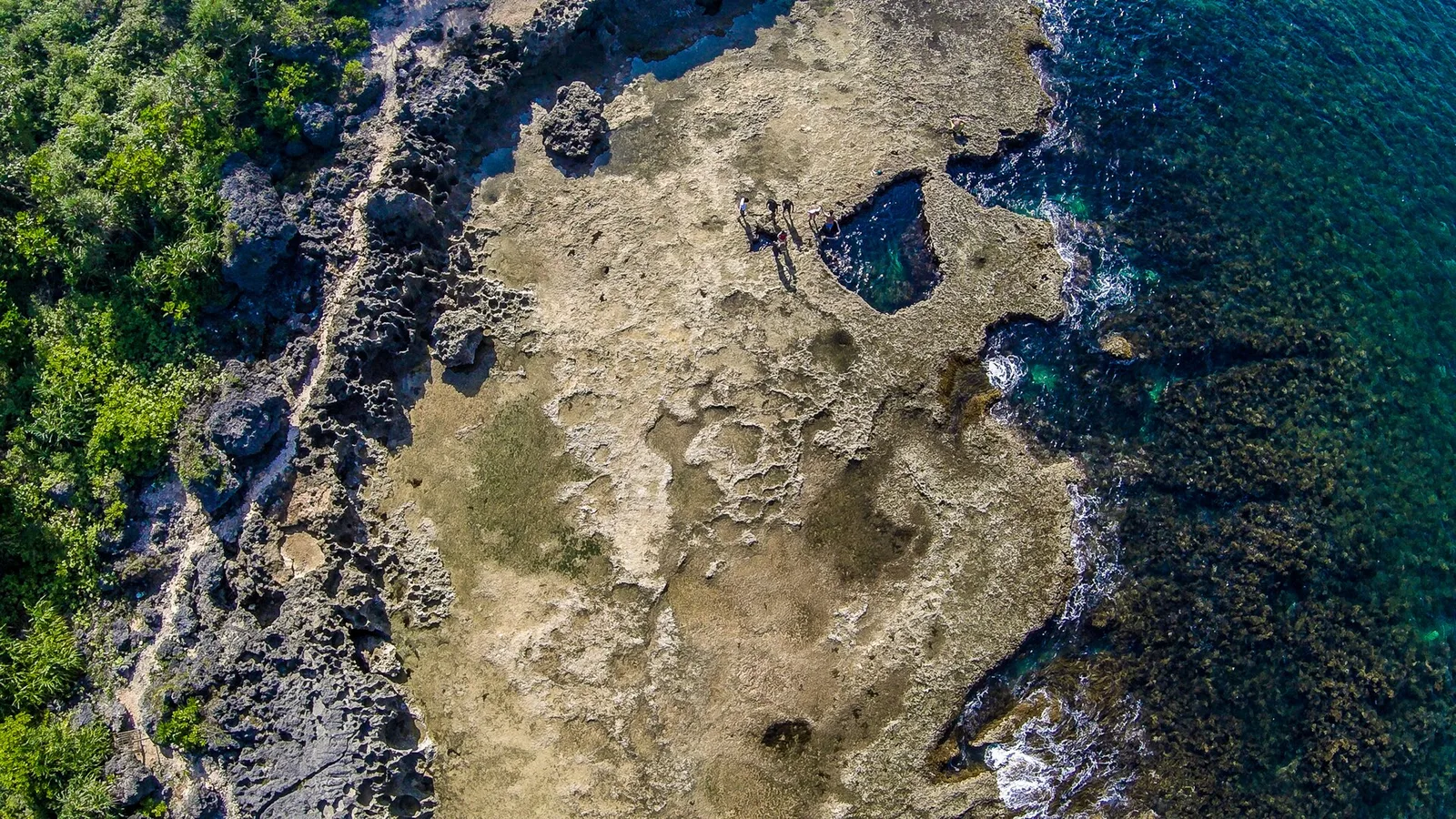
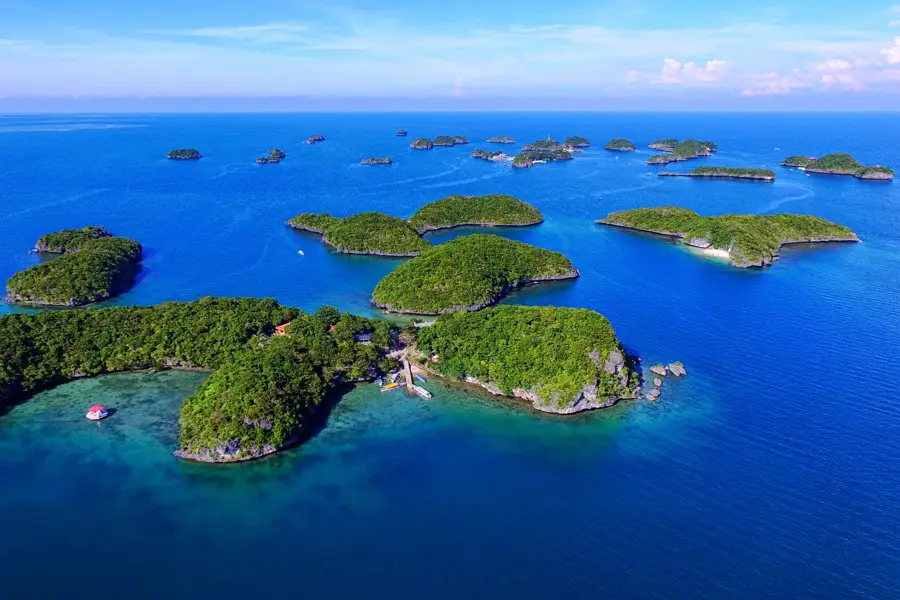
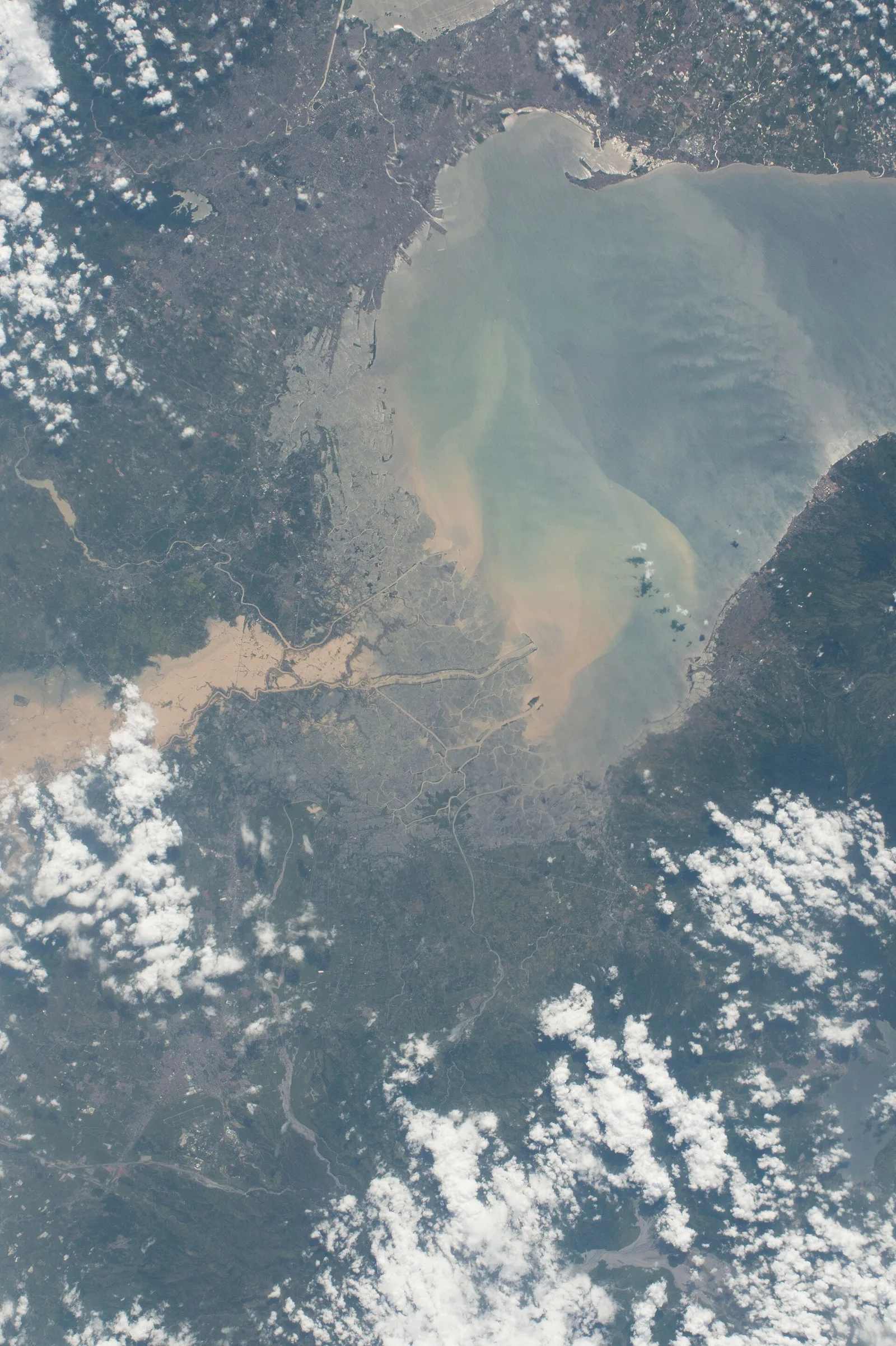
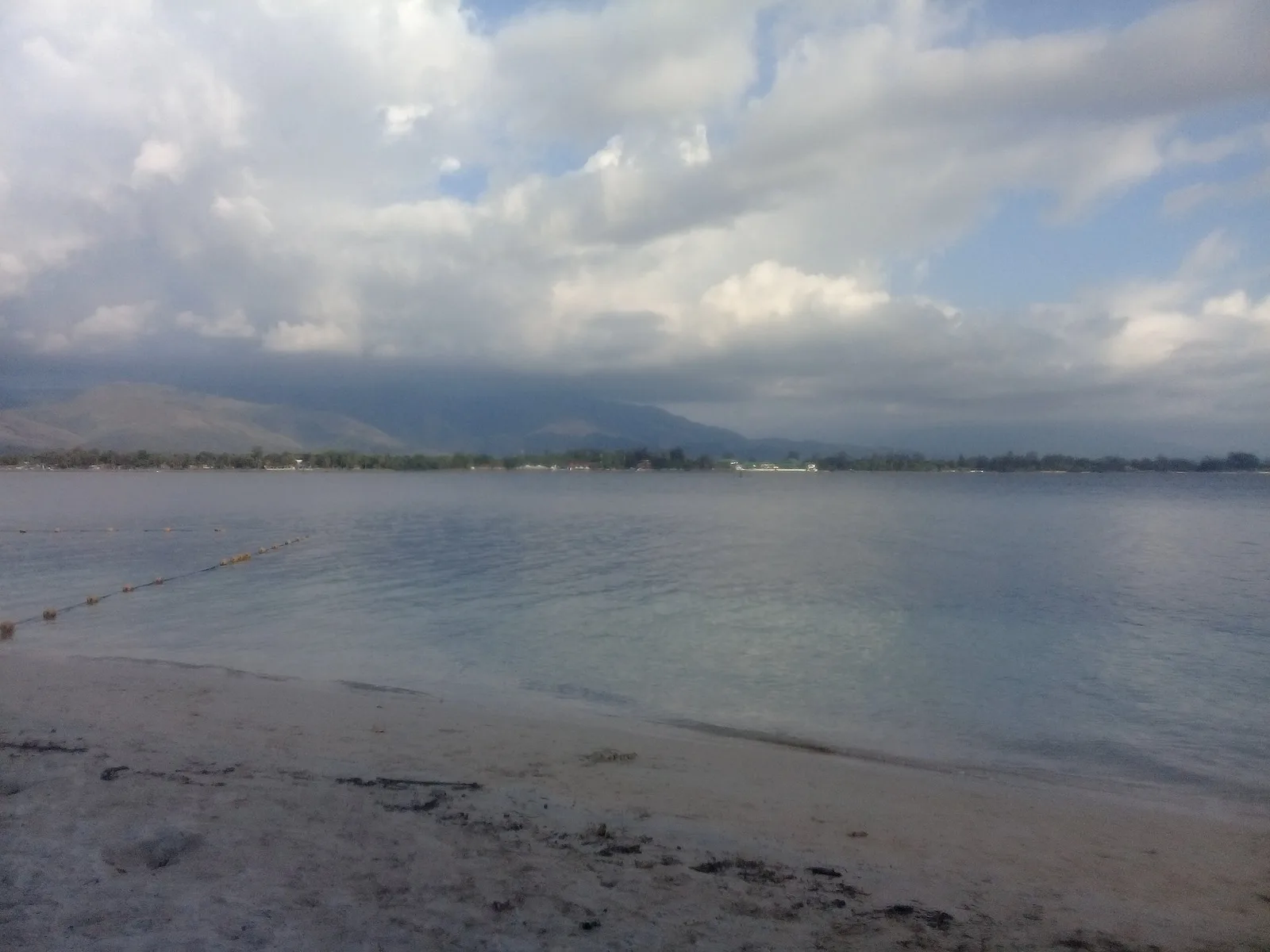
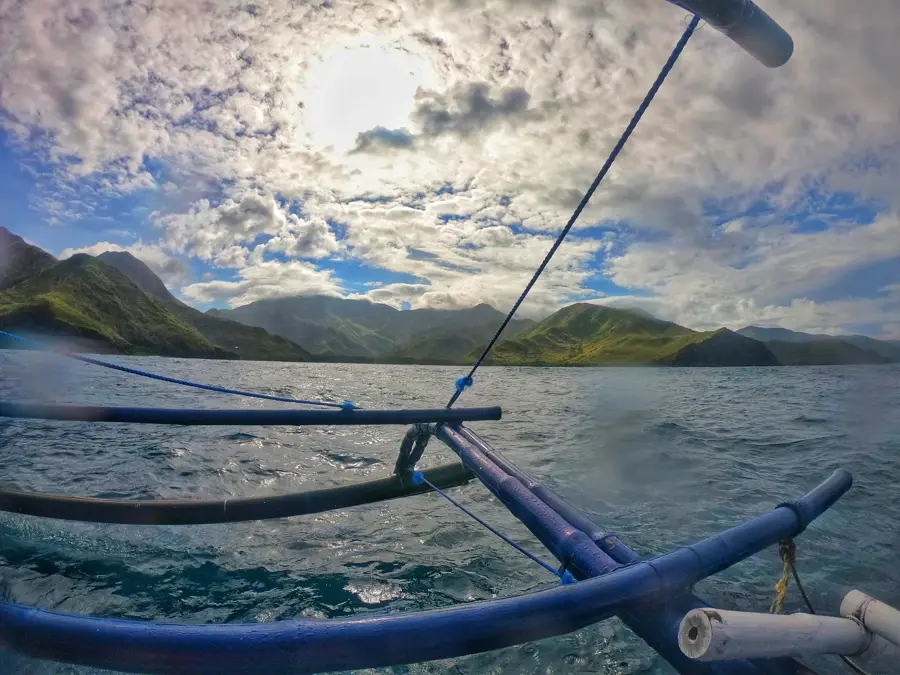
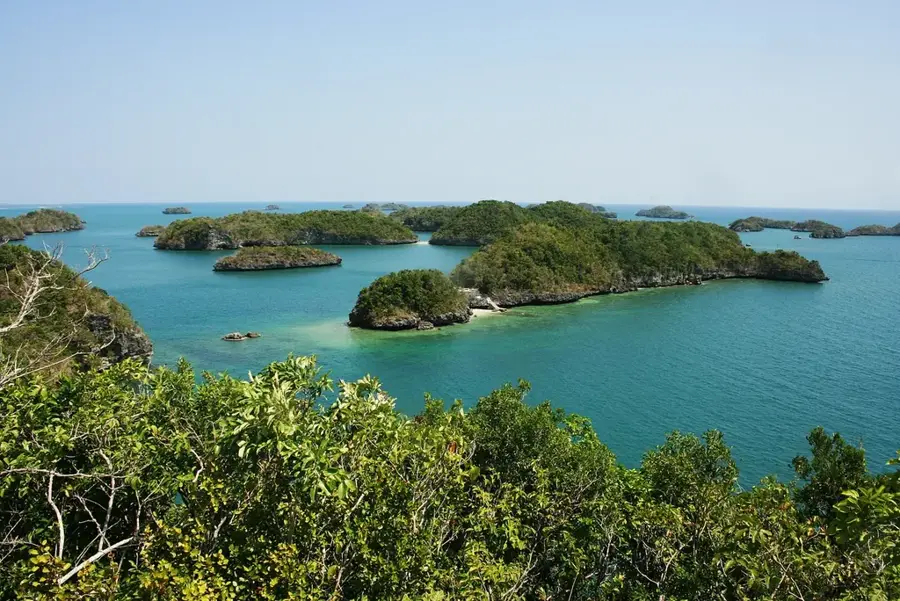
The Hundred Islands National Park is a protected area located in Alaminos, Pangasinan, in northern Philippines. It is the first national park in the country, established in 1940. The park is composed of 124 islands at low tide and 123 at high tide, scattered along the Lingayen Gulf. These islands are believed to be ancient coral reefs that became exposed due to falling sea levels, and they vary in size and shape. Only three islands have been developed for tourism: Governor's Island, Quezon Island, and Children's Island. The park has a wide range of activities such as island hopping, swimming, snorkeling, kayaking, and camping. Its clear waters are home to diverse marine life, including giant clams (Tridacna gigas) which are being conserved in the area. The unique 'mushroom-like' shape of many islands is due to erosion.

Best time to visit & climate

The most pleasant time to visit is Jan, Feb, Dec.

JanFebMarAprMayJunJulAugSepOctNovDec
Avg °C252627292928272727272726
Rain mm171834642444105997244392608845

📋 Practical info

🧭
Getting there
The standard entry point is Lucap Wharf in Alaminos City, where visitors charter motorized outrigger boats to access the islands. Tricycles and buses connect the wharf to the wider city and surrounding provincial transport hubs.
📅
Best season
Planning a visit between the drier months of December and May is highly recommended to ensure calm seas and favorable boat travel conditions. Avoiding the wet season minimizes the risk of sudden storms and rough island-hopping waters.
⛰️
Terrain & paths
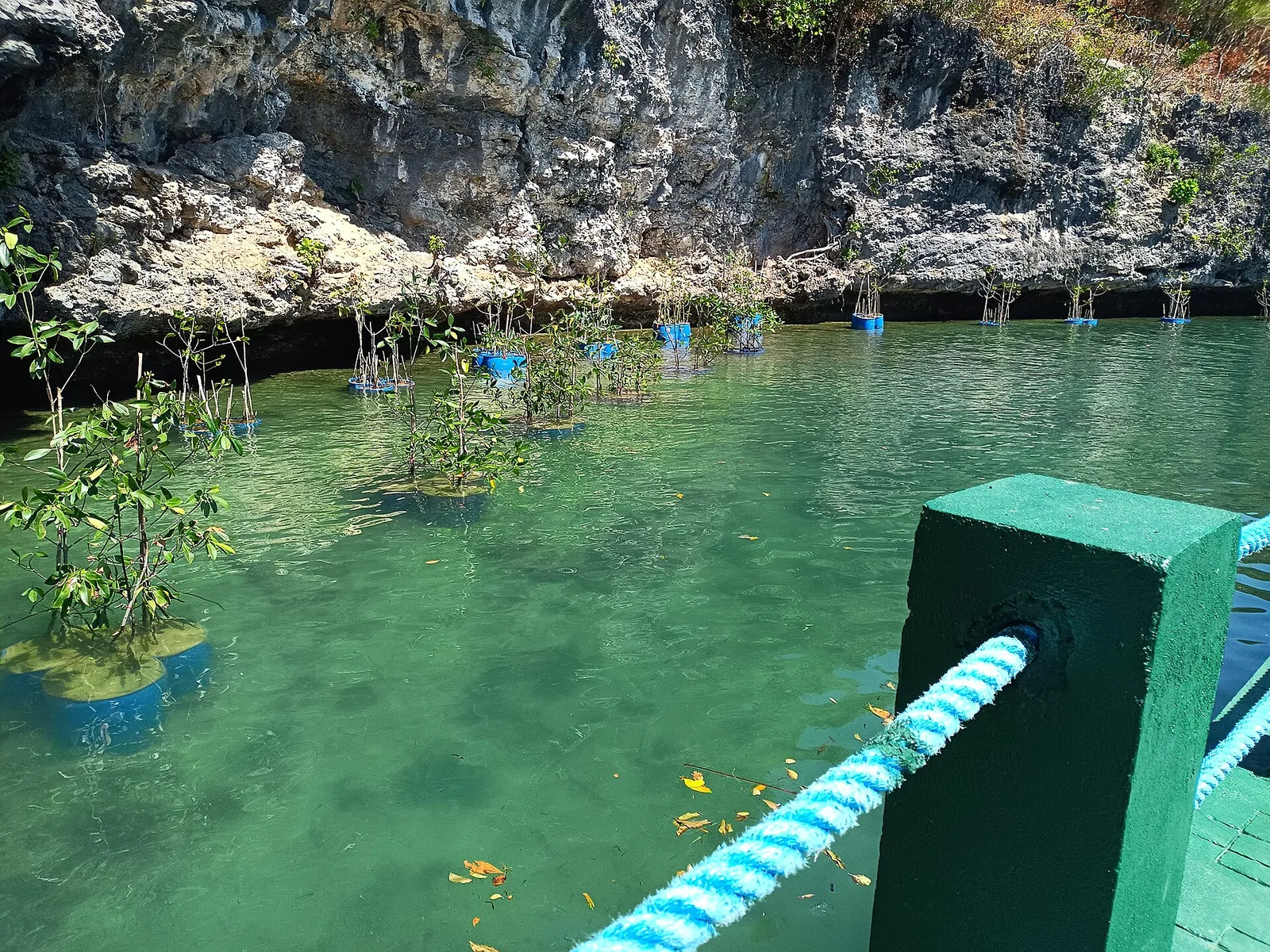
The landscape consists of numerous mushroom-shaped limestone islands featuring small sandy coves, intriguing caves, and forested hillocks. Moving between different beaches and viewpoints often involves short but uneven, rocky trails.
🎒
What to bring
Sun protection, plenty of drinking water, and insect repellent are essential as facilities on the islands are quite limited. Snorkeling equipment and sturdy water shoes are very beneficial for thoroughly exploring the shallow reef areas.
🅿️
Parking
A designated parking area is typically available directly near the Lucap Wharf tourism office, where you register and arrange boat rentals. It is usually secure, but arriving early is advisable during peak weekend tourist influxes.
⚠️
Safety
Pay close attention to the boatmen’s instructions, ensure your life vest is properly secured, and be cautious of slippery paths within caves. Some swimming areas can experience sudden drops in depth or surprisingly strong ocean currents.
⏱️
Time needed
Visitors commonly allocate roughly a half-day to a full day depending on the number of islands they genuinely wish to stop at and explore. Shorter trips focus on just the main developed islands, while comprehensive tours take much longer.

Geography

Coordinates
16.19500, 120.03800

Facts

  • Comprises 124 islands at low tide and 123 at high tide.
  • Considered the first national park in the Philippines, established in 1940.
  • The islands are ancient coral reefs that emerged to the surface.
  • Only three islands have been developed for tourism.
  • It hosts a conservation site for giant clams.
  • The mushroom-like shape of the islands is due to erosion.
  • The park covers an area of 16.76 square kilometers.

Explore nearby

Notable places around

Route planner — Car & Motorhome

Where do you start? We build the route here, with stops and country notes along the way.

Vehicle
Only stops with (optional):

© OpenStreetMap contributors · OpenRouteService

Sights in the town Hundred Islands National Park (6)

Welcome to Pangapisan arch🏺 historical

A decorative roadside monument spanning the highway, officially welcoming travellers into the Pangapisan barangay.

Welcome to Mona arch🏺 historical

This large gateway monument serves as a distinct geographical marker for motorists arriving in the Mona district.

Welcome to San Jose arch🏺 historical

An arched entrance monument constructed over the main road, signifying the boundary and entrance to the San Jose community.

Cathedral Cave📍 landmark

An awe-inspiring natural attraction in the Hundred Islands, known for its massive, cavernous interior resembling a grand cathedral.

Snorkeling spot📍 landmark

This coastal spot in the Hundred Islands National Park gives bustling underwater views of coral reefs and marine life.

Quezon Zip-line start📍 landmark

Serving as the launchpad on Quezon Island, this attraction gives a scenic aerial ride across the national park's waters.

Sights nearby

Frequently asked questions

Are there really 100 islands?
There are actually 124 islands, which shrink to 123 at low tide.
What are the popular activities there?
Island hopping, snorkeling, and swimming are the main attractions of the park.
How do you get around the islands?
You rent a local boat (Banca) that takes you to different islands for the whole day.
Are there accommodations on the islands?
On some islands, there are simple camping areas or guesthouses for overnight stays.
Is the best time to visit seasonal?
Yes, the dry months between February and May offer the best conditions for boat trips.
Hundred Islands National Park: where is it located?
Hundred Islands National Park is located in Philippines.
Hundred Islands National Park: what is there to see?
Highlights include Welcome to Pangapisan arch, Welcome to Mona arch, Welcome to San Jose arch.
Hundred Islands National Park: when is the best time to visit?
The most pleasant time to visit is Jan, Feb, Dec.
Hundred Islands National Park: why is it worth visiting?

The Hundred Islands National Park is a protected area located in Alaminos, Pangasinan, in northern Philippines.
View on map → The Top 50 Attractions → OpenStreetMap →
Asia
Explore with Plizio Discover more places in Asia
More places in Philippines →

Nearby cities

Nature

More places