Plizio Visual Lab

Taal Volcano
Plizio editorial teamData Sources
Mountain
—°6
Taal Volcano (Philippines)

Weather…

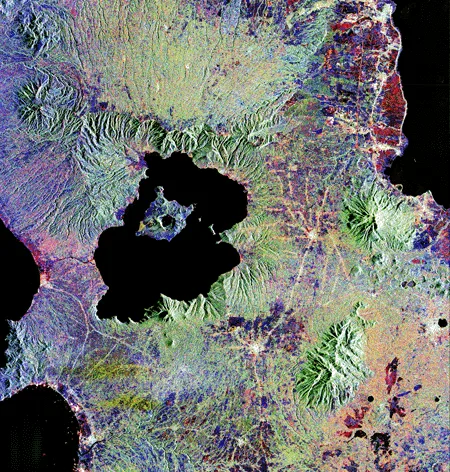
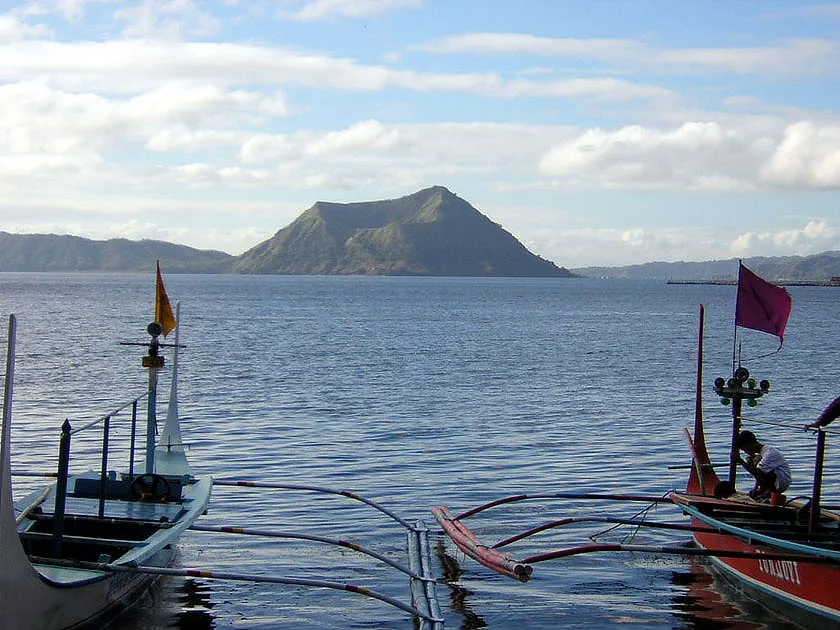
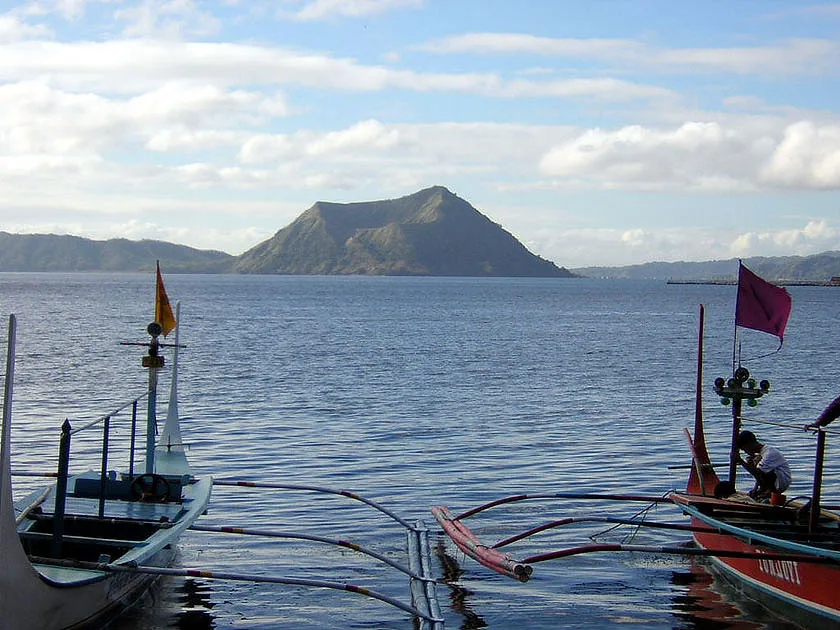
The relief of Taal Volcano is one of the most complex and unusual geological formations in the world. It consists of a huge caldera (Taal Lake), in the center of which rises Volcano Island. The island itself is a complex volcano with numerous craters and ash cones that bear witness to past eruptions. In the middle of the island is the main crater lake, which contains another small island. This 'island-in-a-lake-on-an-island-in-a-lake' relief is the result of a long series of explosive phreatomagmatic eruptions. The geomorphology is extremely unstable; the 2020 eruption massively altered the topography of Volcano Island through new ash deposits and ground deformation. Taal is a living example of the constant reshaping of the Earth's surface by volcanic forces.

Best time to visit & climate

The most pleasant time to visit is Jan–Mar.

JanFebMarAprMayJunJulAugSepOctNovDec
Avg °C242425272827272626262525
Rain mm14413410591163245283238272335351388

📋 Practical info

🧭
Getting there
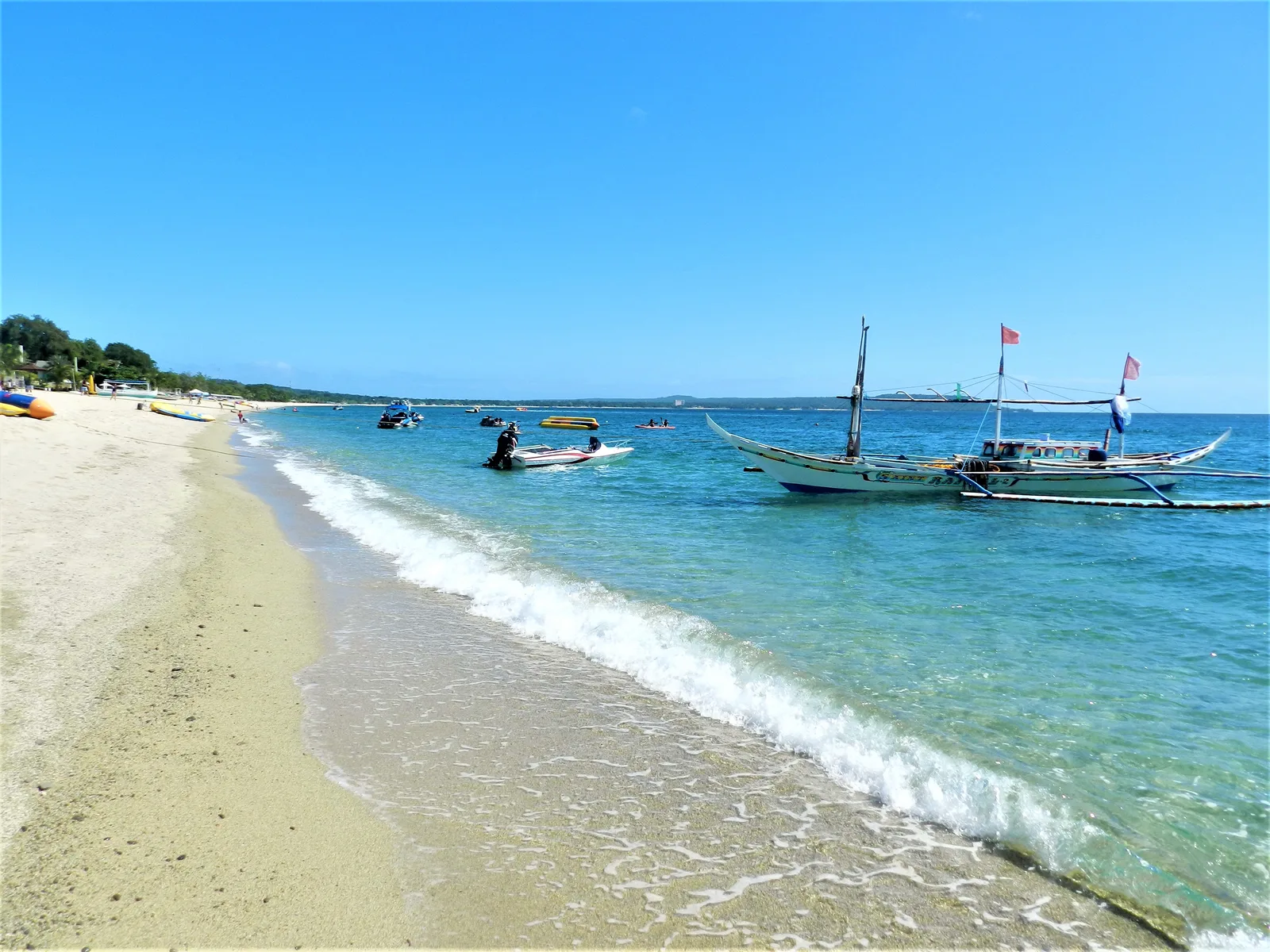
Stepping onto the volcano island typically begins in the small town of Talisay, where small outrigger boats (bangkas) briskly ferry tourists across the deep lake directly to the foot of the volcano.
📅
Best season
A visit is by far most pleasant during the strictly drier months from December to May, as the completely ash-covered paths on the volcano slopes quickly become extremely slick during heavy monsoons.
⛰️
Terrain & paths
The main dirt trail up to the crater rim is completely unpaved yet well-trodden; it features a moderate incline over soft volcanic sand and coarse rock through a strikingly barren, desert-like landscape.
🎒
What to bring
Given the total lack of shade on the open mountain, potent sun protection, a face mask against swirling dust, light clothing, tightly laced closed shoes, and plenty of water are critically important.
🅿️
Parking
Private vehicles must naturally be left securely behind on the mainland in Talisay, where local outrigger boat operators often provide guarded parking lots closely situated to their exact departure spots.
⚠️
Safety
The volcano is notoriously highly active. Visitors absolutely must verify strict official clearances, as deadly toxic gas leaks or sudden explosive eruptions can trigger immediate exclusion zones anytime.
⏱️
Time needed
A complete, guided tour departing from Talisay usually eats up half a day, tightly consisting of a 30-minute boat ride each way and roughly a one to two-hour round trip hike exploring the crater zone.

Geography

Coordinates
14.01100, 120.99700

Facts

  • It is the second most active volcano in the Philippines.
  • Part of a larger prehistoric volcano that was once one of the tallest peaks in the world.
  • The main crater lake was once known for being highly acidic.
  • The 2020 eruption forced the evacuation of tens of thousands of people.
  • Despite its danger, people inhabit Volcano Island.
  • Vulcan Point in the Main Crater Lake is the world's largest island in a lake on an island in a lake.
  • The caldera was formed by a massive prehistoric eruption between 100,000 and 500,000 years ago.

Explore nearby

Notable places around
Route planner — Car & Motorhome

Where do you start? We build the route here, with stops and country notes along the way.

Vehicle
Only stops with (optional):

© OpenStreetMap contributors · OpenRouteService

Sights in the town Taal Volcano (6)

Mount Balantoc🌿 nature

A rugged volcanic peak forming part of the landscape around Taal Volcano.

Steam Stone📍 landmark

A geothermal attraction where visitors can observe volcanic steam venting near Taal Volcano.

Tagaytay Taal Tourist Attraction🌿 nature

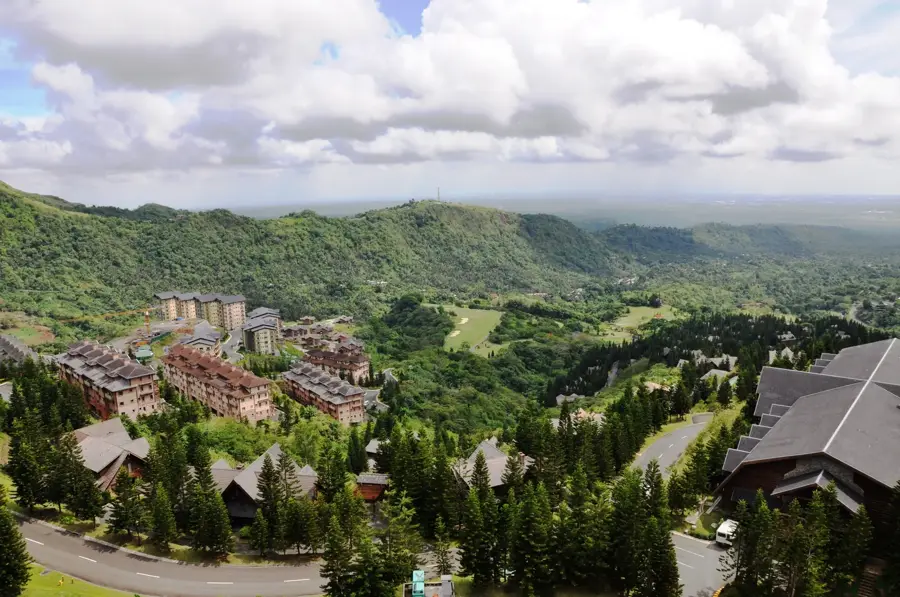
A popular viewpoint offering panoramic vistas of the Taal Volcano and its surrounding lake.

Mount Pinagulbuan🌿 nature

A distinct peak situated in the undulating relief of the Taal Volcano area.

Vulcan Point📍 landmark

A famous geological attraction consisting of a tiny rocky island situated within the crater lake of Taal Volcano.

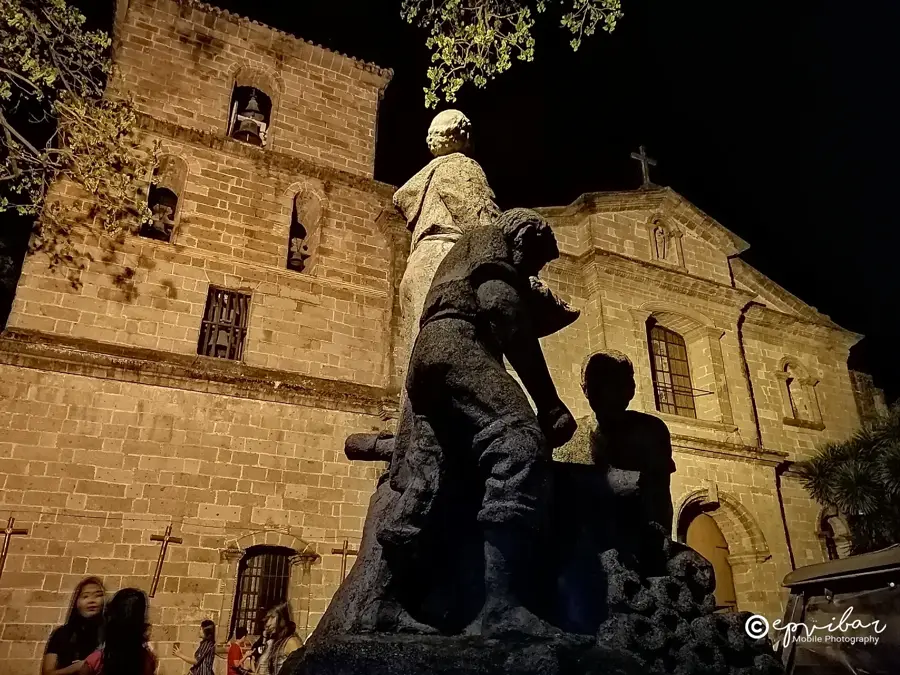
San Agustin Chapel📍 landmark

A local Christian chapel serving the community near the Taal Volcano relief area.

Sights nearby

Frequently asked questions

Is Taal safe to visit?
Always check official alert levels as it is an active volcano.
What makes it special?
It is a 'lake within a volcano within a lake', a fascinating geological structure.
How do I get there?
From Tagaytay, you can rent boats to the island.
Do I need a guide?
On the island, guides are often mandatory for hiking.
Are there viewpoints?
Yes, there are paths to the crater rim with views of the crater lake.
Taal Volcano: where is it located?
Taal Volcano is located in Philippines.
Taal Volcano: what is there to see?
Highlights include Mount Balantoc, Steam Stone, Tagaytay Taal Tourist Attraction.
Taal Volcano: when is the best time to visit?
The most pleasant time to visit is Jan, Mar.
Taal Volcano: why is it worth visiting?

The relief of Taal Volcano is one of the most complex and unusual geological formations in the world.
View on map → The Top 50 Attractions → OpenStreetMap →
Asia
Explore with Plizio Discover more places in Asia
More places in Philippines →

Nearby cities

Nature

More places