Agusan Marsh Wildlife Sanctuary
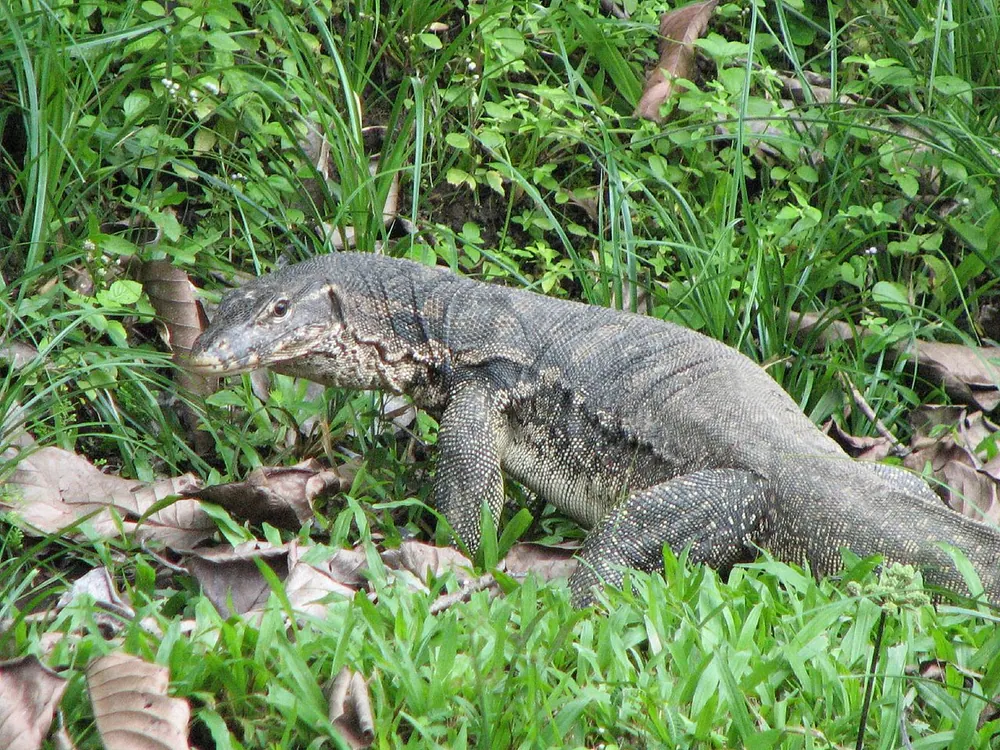
The Agusan Marsh Wildlife Sanctuary is a vast and ecologically vital wetland located in the province of Agusan del Sur, Philippines. Covering roughly 15% of the nation's freshwater resources, it comprises a complex network of interconnected peat swamps, oxbow lakes, and floodplains. This sanctuary acts as a crucial sponge, mitigating floods in the downstream areas of Mindanao. The marsh is a haven for biodiversity, providing a critical stopover for migratory birds from as far away as Siberia and Japan during the winter months. It is also famous for its population of saltwater and freshwater crocodiles, historically home to some of the largest recorded specimens. Beyond its wildlife, Agusan Marsh is home to the indigenous Manobo people, who have adapted to the environment by living in unique floating homes made of bamboo and nipa. Visiting this sanctuary offers a rare glimpse into a pristine natural ecosystem and a traditional way of life that relies entirely on the rhythms of the wetlands.
Weather…
Best time to visit & climate
The most pleasant time to visit is Apr, Aug, Sep.
| Jan | Feb | Mar | Apr | May | Jun | Jul | Aug | Sep | Oct | Nov | Dec | |
|---|---|---|---|---|---|---|---|---|---|---|---|---|
| Avg °C | 26 | 26 | 26 | 27 | 28 | 27 | 27 | 27 | 27 | 27 | 27 | 27 |
| Rain mm | 591 | 405 | 292 | 217 | 229 | 260 | 242 | 207 | 202 | 263 | 360 | 467 |
Practical info
Tips
- Bring binoculars for birdwatching, reliable sun protection, and strong insect repellent.
- Show respect for the local Manobo communities and strictly adhere to the safety instructions of your guides.
FAQ
Why is the Agusan Marsh so important?
When is the best time to visit?
Are there crocodiles in the marsh?
Who lives in this wetland area?
How do you navigate the sanctuary?
Route planner — Car & Motorhome
Where do you start? We build the route here, with stops and country notes along the way.
© OpenStreetMap contributors · OpenRouteService