Plizio Visual Lab
Allpahuayo Mishana National Reserve
Weather…
Water temperature…
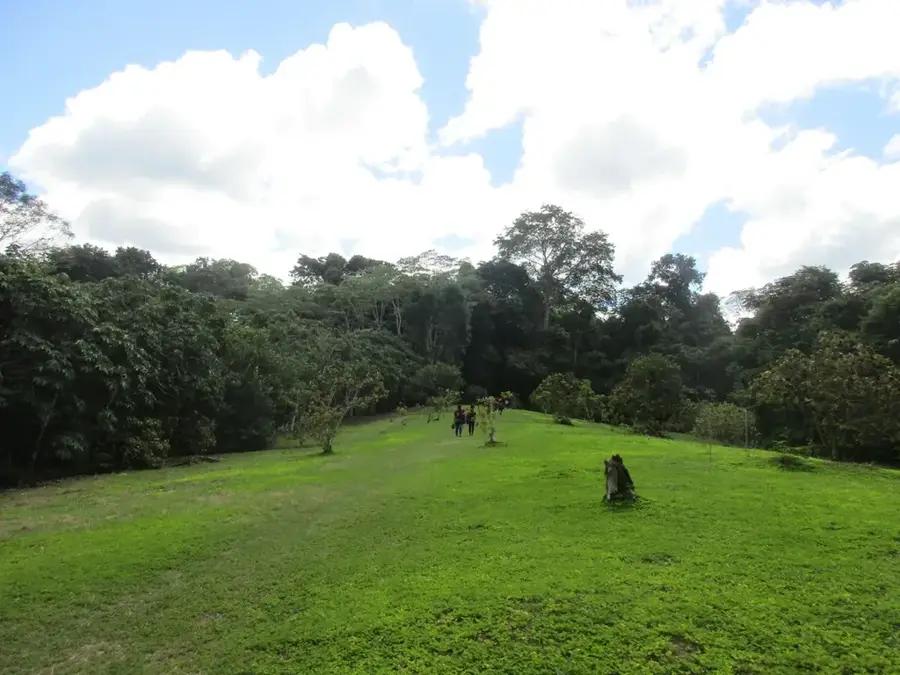
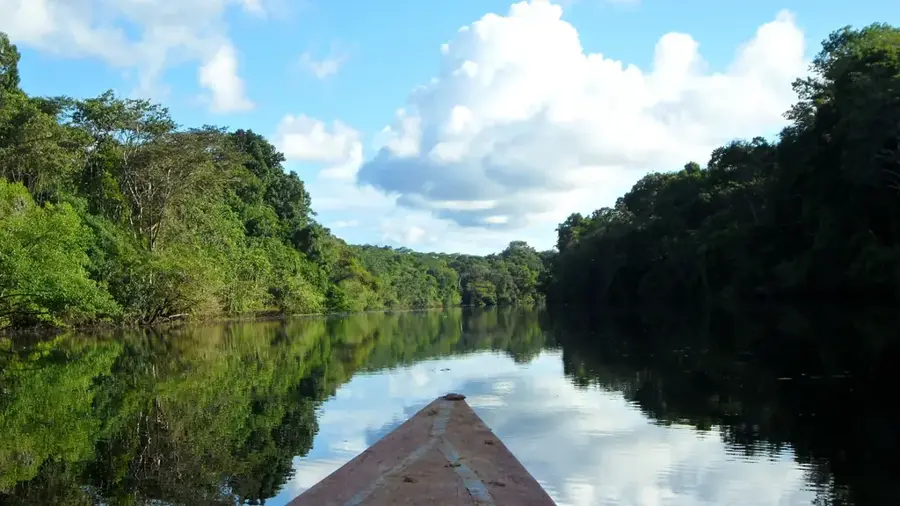
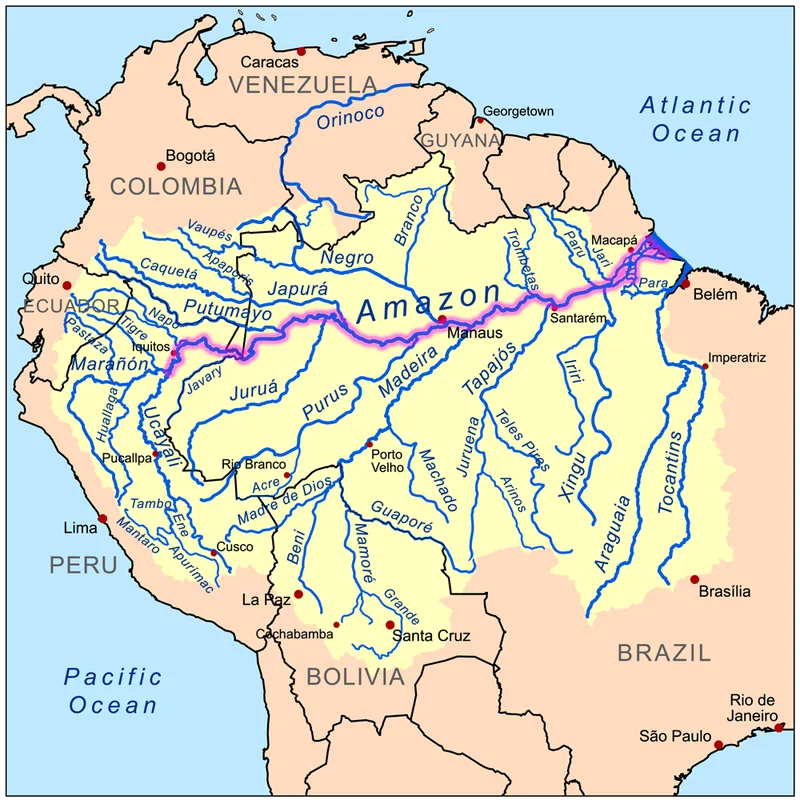
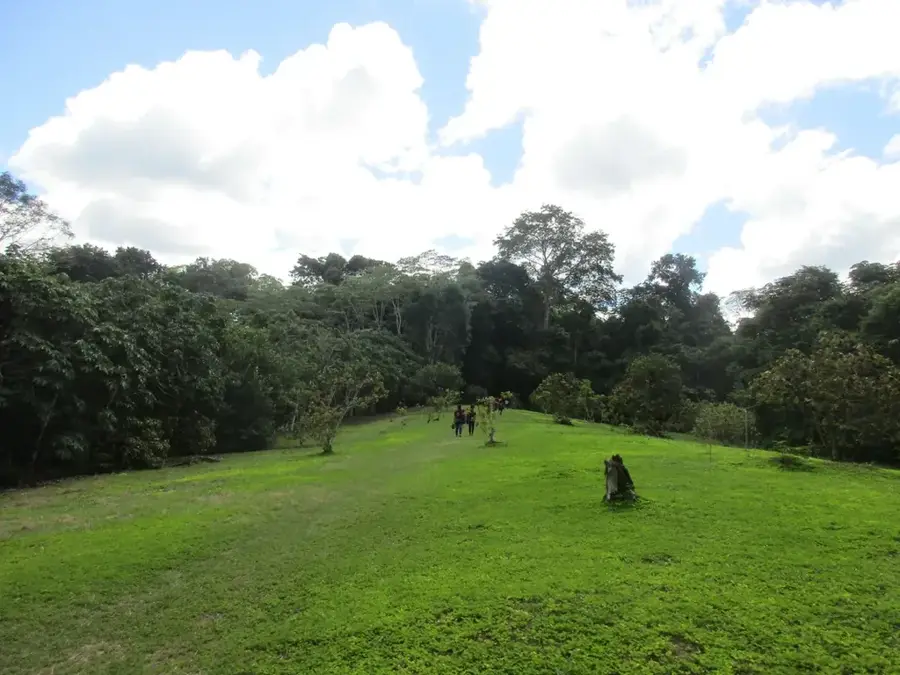
The Allpahuayo Mishana National Reserve is located near the city of Iquitos in the Peruvian Amazon and was officially established in 2004. It covers an area of approximately 57,667 hectares and is globally renowned for its extraordinary biological diversity within a relatively small area. The reserve is particularly characterized by its rare varillales forests, which grow on nutrient-poor white sand soils and host a highly specialized range of flora and fauna. Additionally, the reserve protects the watersheds of the Nanay River, which is crucial for the water supply of the Iquitos metropolitan area. Numerous endemic bird species have been discovered here, including the Iquitos gnatcatcher, which is found only in these unique white sand forests. Scientific research has shown that the reserve contains some of the highest tree species diversity per hectare recorded anywhere in the world. Despite its proximity to urban areas, the site remains a critical sanctuary for endangered species and a hub for ecological research and education. The reserve also provides sustainable livelihoods for local indigenous communities through managed resource use.
- Location: Peru
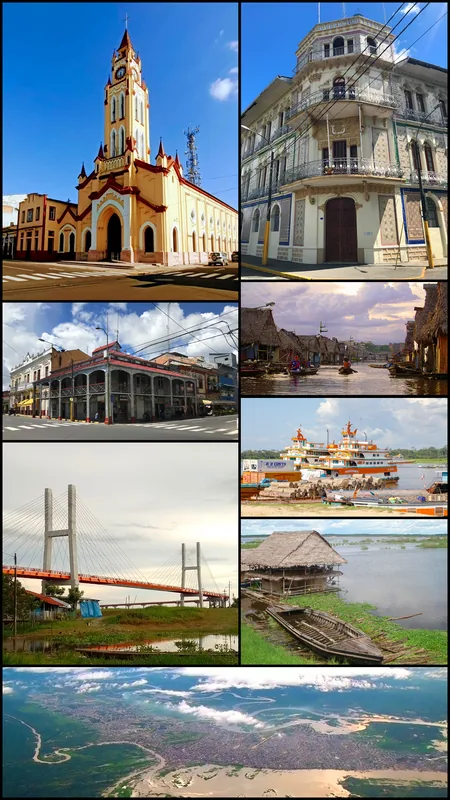
- Nearby: Iquitos (21 km)
Best time to visit & climate
The most pleasant time to visit is Jul–Sep.
| Jan | Feb | Mar | Apr | May | Jun | Jul | Aug | Sep | Oct | Nov | Dec | |
|---|---|---|---|---|---|---|---|---|---|---|---|---|
| Avg °C | 26 | 26 | 26 | 26 | 25 | 25 | 25 | 25 | 26 | 26 | 26 | 26 |
| Rain mm | 285 | 243 | 350 | 297 | 256 | 206 | 159 | 147 | 177 | 267 | 272 | 277 |
📋 Practical info
Geography
Facts
- The reserve was officially established on January 15, 2004.
- It covers an area of precisely 57,667 hectares near the city of Iquitos.
- The site is famous for its unique varillales forests growing on white sand soil.
- The Iquitos gnatcatcher is an endemic bird species found only in this reserve.
- It protects the critical watershed of the Nanay River, vital for local water supply.
- Researchers have recorded record-breaking tree species diversity per hectare within the reserve.
Explore nearby
Notable places around

Route planner — Car & Motorhome
Where do you start? We build the route here, with stops and country notes along the way.
© OpenStreetMap contributors · OpenRouteService
Sights nearby
Frequently asked questions
What is the best way to reach the park?
Are there hiking trails in the reserve?
When is the best time for visits?
Do I have to pay an entrance fee?
Do you need a guide?
Allpahuayo Mishana National Reserve: where is it located?
Allpahuayo Mishana National Reserve: when is the best time to visit?
Allpahuayo Mishana National Reserve: why is it worth visiting?

Nearby cities
Nature
More places