Plizio Visual Lab

Gulf of Chiriquí
Plizio editorial teamData Sources
Sea
—°
Gulf of Chiriquí (Panama)

Weather…

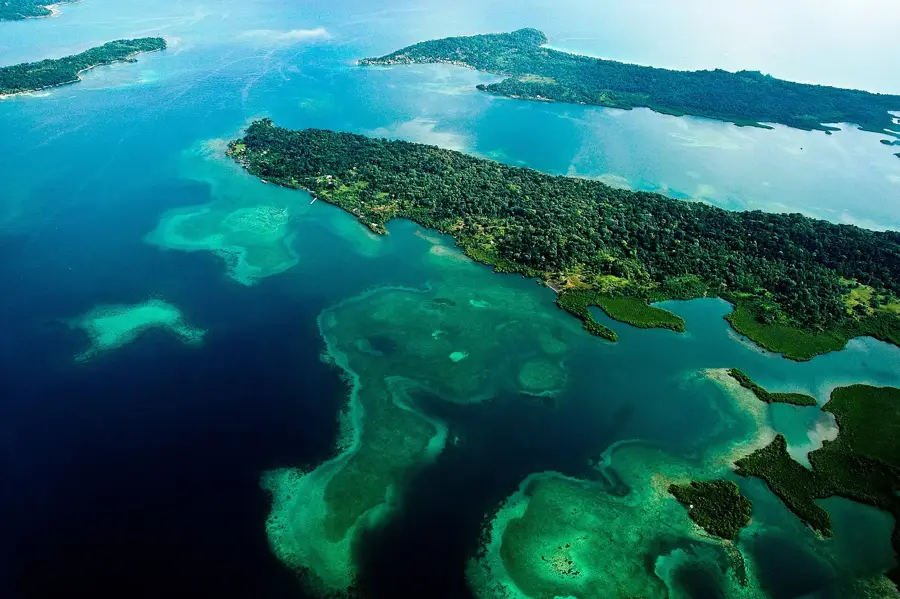
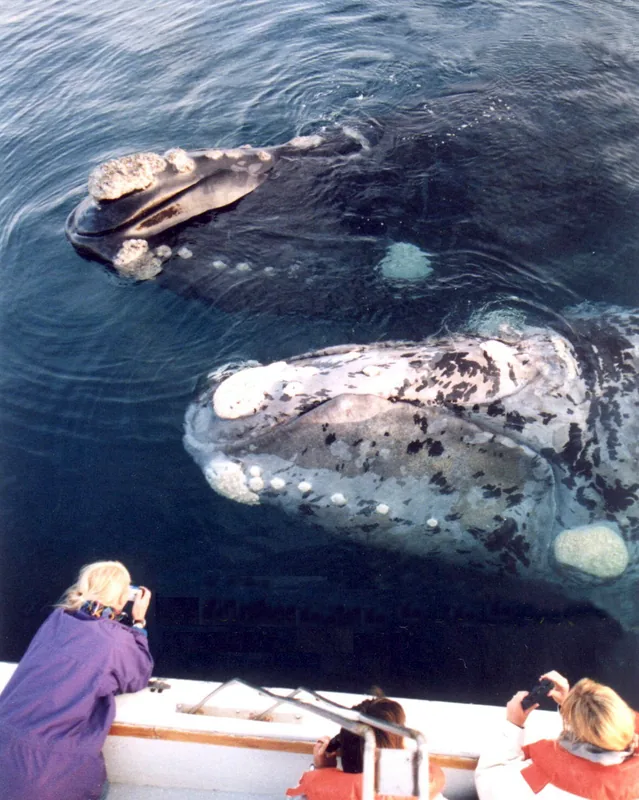
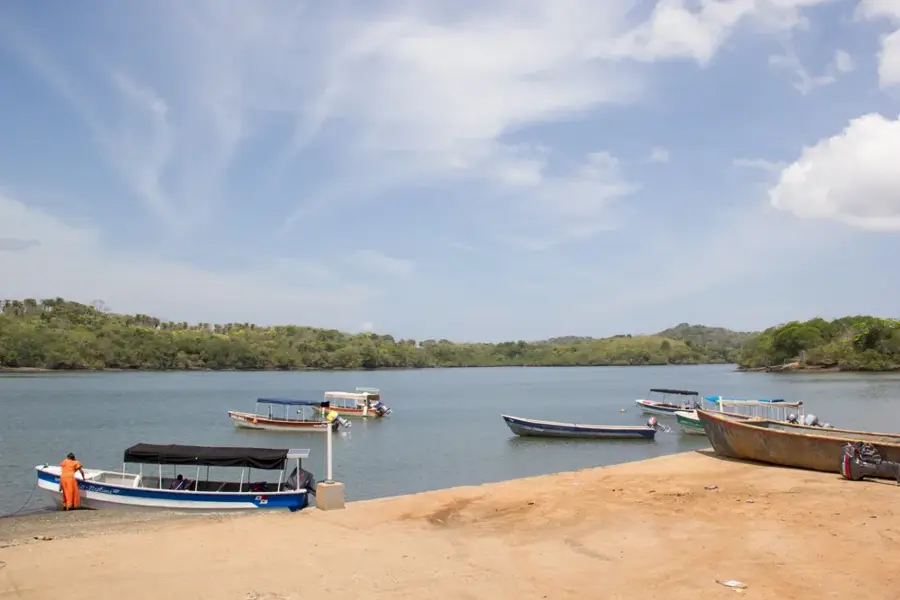
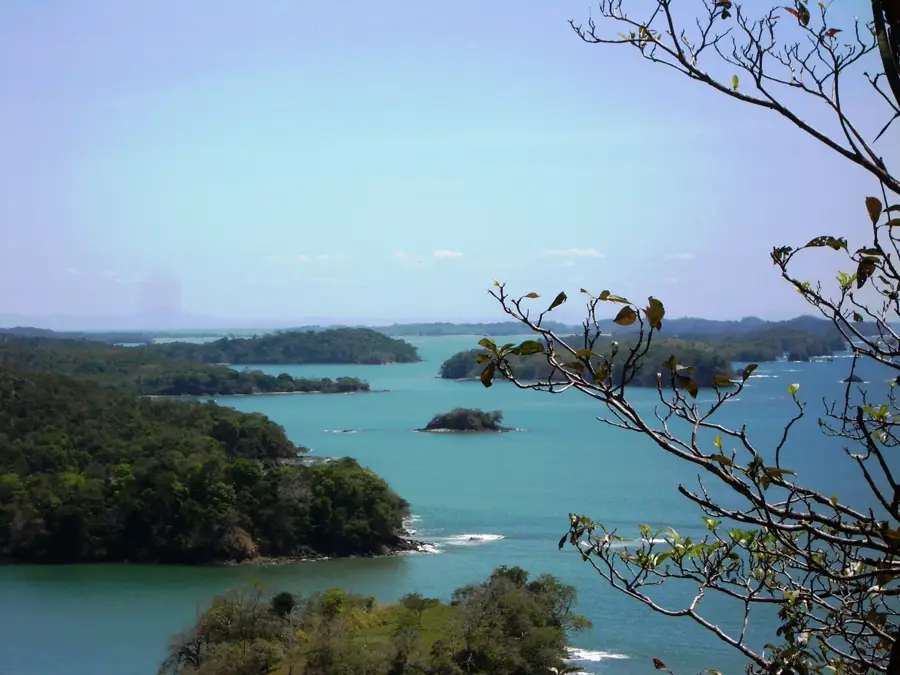
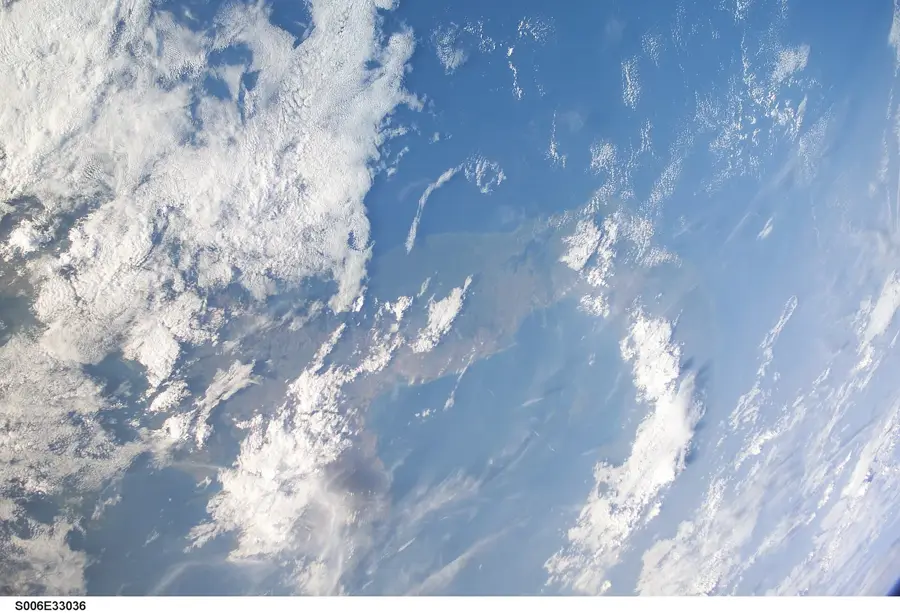
The Gulf of Chiriquí extends along the western Pacific coast of Panama and is renowned for its exceptional marine biodiversity and numerous island groups. The centerpiece of the region is the Gulf of Chiriquí National Marine Park, established in 1994 to protect over 25 islands, 19 coral reefs, and extensive mangrove forests. The region is of global ecological significance, serving as a vital breeding and nursing ground for humpback whales that migrate here twice a year from both hemispheres. The largest islands in the gulf, such as Isla Parida, are covered by pristine tropical dry forests that provide sanctuary to howler monkeys and numerous seabird species. Historically, the gulf was an important trade route for pre-Columbian cultures, evidenced by archaeological findings on the islands. Today, the gulf plays a central role in ecotourism, sport fishing, and scientific marine research in Panama.

Best time to visit & climate

The most pleasant time to visit is Jan–Mar.

JanFebMarAprMayJunJulAugSepOctNovDec
Avg °C272829292827272727262627
Rain mm261324113290247285285288310296106

📋 Practical info

🧭
Getting there
Most international visitors generally access the remote gulf via private boat from coastal towns like Boca Chica, which is easily reached by standard road from the larger city of David. Arranging a local boat charter or booking a tour is fundamentally necessary to reach the islands and the marine park.
📅
Best season
The prolonged dry season, broadly spanning from mid-December to late April, is undoubtedly optimal for incredibly calm seas, crystal clear snorkeling, and pure island relaxation. Fascinatingly, from July to October, the specific region provides incredible opportunities for majestic whale watching, despite being the wetter season.
⛰️
Terrain & paths
The beautifully protected area encompasses vast open marine expanses, deeply spirited coral reefs, and numerous lush tropical islands neatly fringed by brilliant white sand beaches. Island interiors occasionally feature moderately dense jungle paths that absolutely require some light but careful walking.
🎒
What to bring
High-quality snorkeling equipment, strictly reef-safe sunscreen, and a very good quality dry bag are fundamentally essential for all daily water-based activities. Exceptionally light beachwear, polarized sunglasses, and a wide hat will greatly help successfully manage the notoriously strong equatorial sun.
🅿️
Parking
Relatively secure visitor parking is usually available directly at the commercial docks, private marinas, or closely associated hotels in Boca Chica and other primary departure points. It is always highly best to securely confirm specific parking arrangements with your chosen boat operator well in advance.
⚠️
Safety
Always reliably use a certified life jacket during all fast boat transfers and be highly cautious of sharp jagged corals or hidden sea urchins when snorkeling near the reefs. Hydration is absolutely vital, as the powerful combination of direct sun and constant sea breeze can easily mask massive fluid loss.
⏱️
Time needed
Visitors typically spend a thoroughly rewarding full day island hopping, vigorously snorkeling, and peacefully relaxing on profoundly remote, pristine beaches. Extended multi-day stays directly on some of the larger islands or immersive liveaboard trips provide a much more comprehensive and memorable experience.

Geography

Coordinates
8.00000, -82.00000

Facts

  • The National Marine Park was established in 1994.
  • Protected area covers 147.42 km² of marine and land surface.
  • Home to 19 distinct coral reef systems.
  • Vital migration corridor for humpback whales and hammerhead sharks.
  • Isla Parida is the largest island within the gulf.
  • Contains one of the largest mangrove areas in the country.

Explore nearby

Notable places around
Route planner — Car & Motorhome

Where do you start? We build the route here, with stops and country notes along the way.

Vehicle
Only stops with (optional):

© OpenStreetMap contributors · OpenRouteService

Sights nearby

Frequently asked questions

What makes the Gulf of Chiriquí so special?
It is known for pristine islands, mangrove forests, and rich marine biodiversity.
Is the gulf suitable for sport fishing?
Yes, the gulf is considered one of the best areas for deep-sea fishing in the region.
How do you get to the Gulf of Chiriquí?
Most excursions depart from Boca Chica, which is easily accessible from David.
Are there diving schools in the area?
Providers for diving and snorkeling tours can be found in Boca Chica and some island resorts.
Is the area safe in the rain?
During heavy rain, boat tours are not recommended as the sea can become rough.
Gulf of Chiriquí: where is it located?
Gulf of Chiriquí is located in Panama.
Gulf of Chiriquí: when is the best time to visit?
The most pleasant time to visit is Jan, Mar.
Gulf of Chiriquí: why is it worth visiting?
The Gulf of Chiriquí extends along the western Pacific coast of Panama and is renowned for its exceptional marine biodiversity and numerous island groups.
View on map → The Top 50 Attractions → OpenStreetMap →
North America
Explore with Plizio Discover more places in North America
More places in Panama →

Nearby cities

Nature

More places