Plizio Visual Lab

Gaza Sand Dunes
Plizio editorial teamData Sources
wildlife
—°6
Gaza Sand Dunes (Palestinian Territories)

Weather…

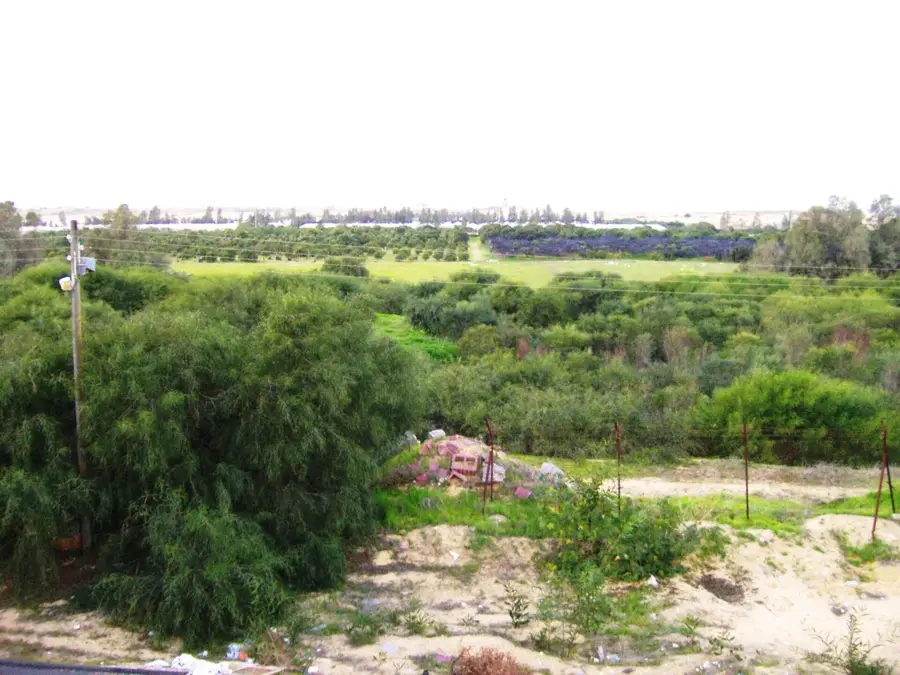
The Gaza Sand Dunes, particularly prominent in the southern part of the coastal strip, represent one of the last remaining natural coastal ecosystems in the region. Composed of fine Mediterranean sand accumulated over millennia by wind and wave action, these dunes serve as a vital environmental buffer, protecting inland areas from coastal erosion and salty sea winds. Beyond their protective role, the dunes are a sanctuary for specialized biodiversity, providing a habitat for species such as the desert fox (fennec), various reptiles, and drought-resistant flora that stabilizes the shifting sands. For the local population, the vast undulating landscape features a rare sense of open space and a popular destination for recreation away from the densely populated urban centers. Despite their ecological value, the dunes face threats from unregulated sand mining and agricultural expansion, making their preservation a key concern for local environmentalists. Walking through the dunes at dusk, when the sand turns a deep gold against the blue of the Mediterranean, provides a glimpse into the original natural beauty of the Gazan coastline before the onset of modern development.

Best time to visit & climate

The most pleasant time to visit is Apr, May, Nov.

JanFebMarAprMayJunJulAugSepOctNovDec
Avg °C151517192225272827252117
Rain mm5534221120100133745

📋 Practical info

📅
Best season
The optimal time to explore this coastal ecosystem is during the cooler months of late autumn to early spring. Summer temperatures in the southern Gaza area can be extremely high, making extended daytime visits uncomfortable.
🌅
Best time of day
Early morning or late afternoon hours provide the best conditions for observing desert foxes and avoiding the harsh midday sun. These crepuscular periods also offer the most beautiful light across the shifting sand dunes.
📜
Etiquette
Visitors must respect the fragile nature of the coastal environment and avoid disturbing the specialized plant species. Never feed local wildlife like foxes, and ensure all trash is taken away to protect this sensitive habitat.
🎒
What to bring
Closed, breathable footwear is essential for walking comfortably on the soft, shifting sand dunes. Sun protection, including a wide-brimmed hat and plenty of drinking water, is absolutely necessary in this exposed area.
🧭
Getting there
Reaching the southern sand dunes generally requires arranging transportation through local communities or guides. Always check current regional safety advisories and secure appropriate permissions before planning your journey.
🦌
What to expect
Spotting shy desert foxes requires quiet observation and standing still near natural cover for extended periods. Even if larger mammals remain hidden, take time to appreciate the unique desert flora and track marks in the sand.

Geography

Coordinates
31.35000, 34.30000

Facts

  • Dunes reach heights of up to 30 meters
  • Primarily composed of Pleistocene quartz sand
  • Habitat for the rare Egyptian tortoise
  • Presence of sea hollies and various acacia species
  • Important filter for rainwater infiltration into the aquifer
  • Endangered by urbanization and sand quarrying

Explore nearby

Notable places around
Route planner — Car & Motorhome

Where do you start? We build the route here, with stops and country notes along the way.

Vehicle
Only stops with (optional):

© OpenStreetMap contributors · OpenRouteService

Sights in the town Gaza Sand Dunes (6)

Shirat HaYam🏺 historical

Shirat HaYam contains the ruins of a former Israeli settlement located in the palestine-gaza-sand-dunes-nature-v2 area.

Kfar Yam🏺 historical

Kfar Yam consists of the ruins of a former settlement situated in palestine-gaza-sand-dunes-nature-v2.

Gadid🏺 historical

Gadid features the ruins of an orthodox Israeli settlement that was located in the palestine-gaza-sand-dunes-nature-v2 region.

Ebad Rahman Mosque📍 landmark

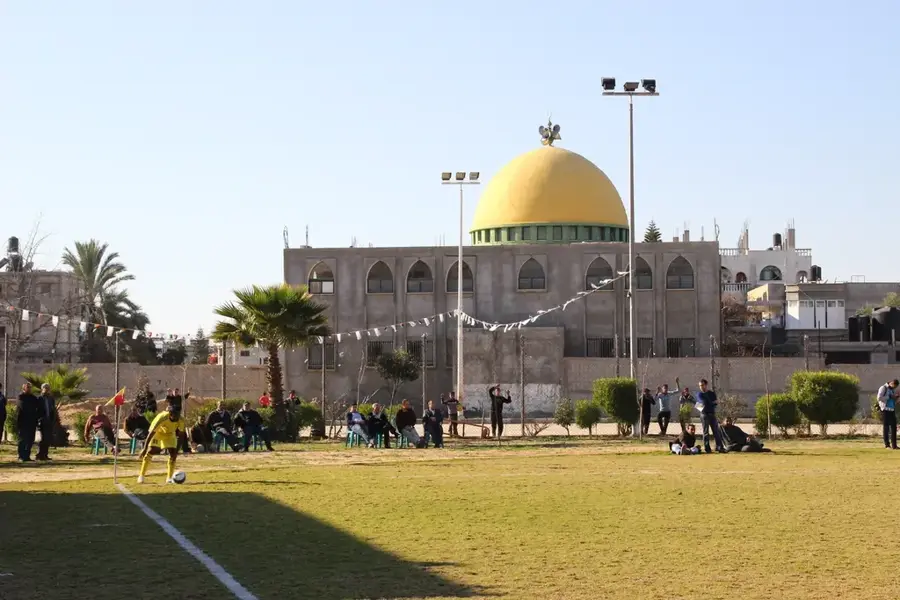
Ebad Rahman Mosque is an attraction and place of worship located in palestine-gaza-sand-dunes-nature-v2.

🕒 24/7

Abu Matter Mosque📍 landmark

Abu Matter Mosque is an Islamic religious site located in palestine-gaza-sand-dunes-nature-v2.

Al-Noor Mosque📍 landmark

Al-Noor Mosque serves as a place for Muslim worship in the palestine-gaza-sand-dunes-nature-v2 area.

Sights nearby

Frequently asked questions

Can one freely access the sand dunes?
Yes, they are mostly publicly accessible.
Is there a danger of quicksand?
Generally no, but stay on established paths.
What is the best time of day for photos?
Sunrise or sunset features the best light.
Are the dunes suitable for children?
Yes, but watch out for heat and sun protection.
Is there parking?
Parking is limited, park in the outlying areas.
Gaza Sand Dunes: where is it located?
Gaza Sand Dunes is located in Palestinian Territories.
Gaza Sand Dunes: what is there to see?
Highlights include Shirat HaYam, Kfar Yam, Gadid.
Gaza Sand Dunes: when is the best time to visit?
The most pleasant time to visit is Apr, May, Nov.
Gaza Sand Dunes: why is it worth visiting?

The Gaza Sand Dunes, particularly prominent in the southern part of the coastal strip, represent one of the last remaining natural coastal ecosystems in the region.
View on map → The Top 50 Attractions → OpenStreetMap →
Asia
Explore with Plizio Discover more places in Asia
More places in Palestinian Territories →

Nearby cities

History & landmarks