Plizio Visual Lab
Norwegian Museum of Cultural History
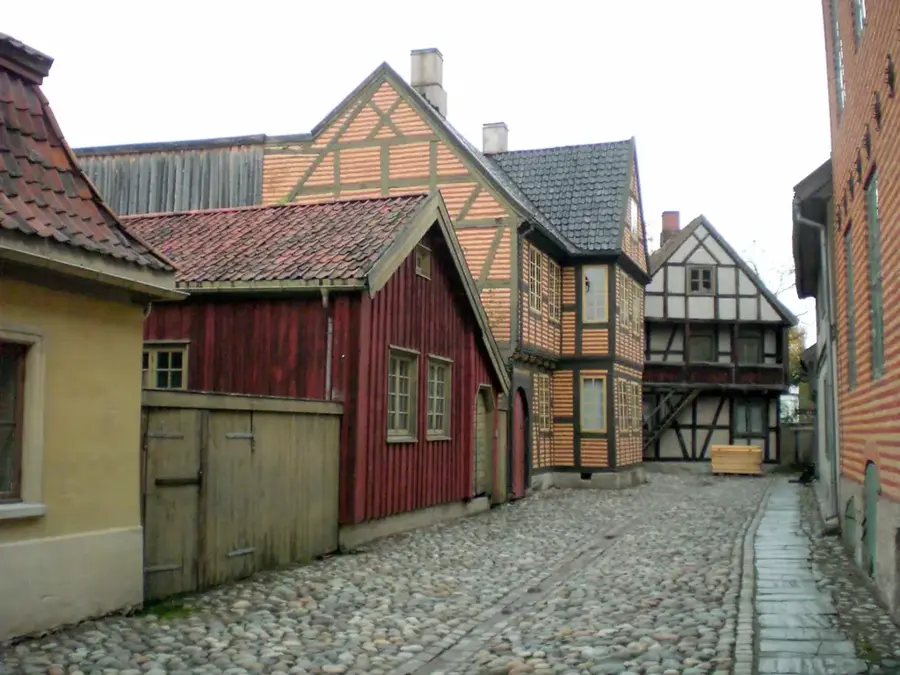
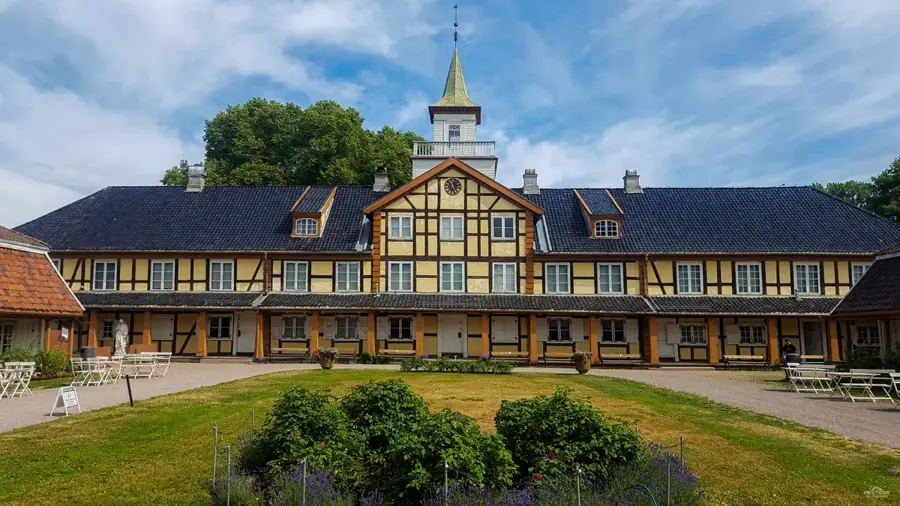
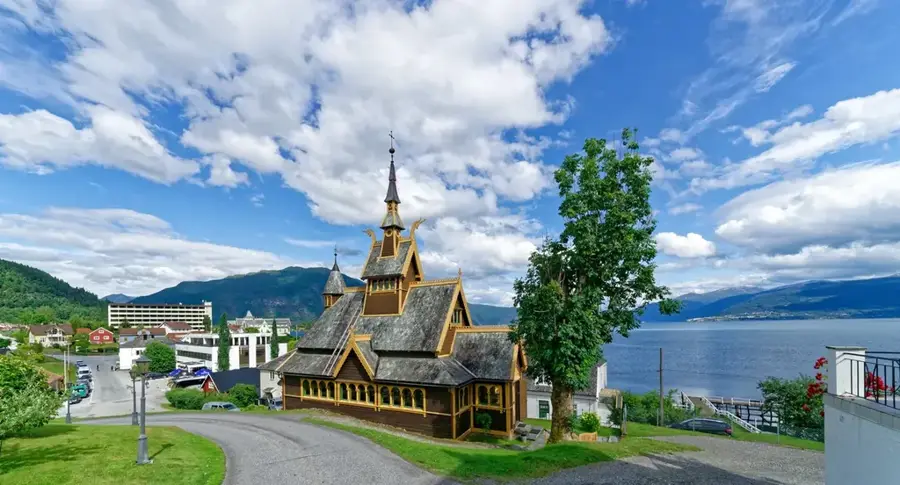
The Norwegian Museum of Cultural History on the Bygdøy peninsula in Oslo is the country's largest museum of cultural history and one of the world's oldest open-air museums. It was founded in 1894 at the initiative of Hans Aall and today houses over 150 buildings from various regions of Norway, covering a period from the Middle Ages to the recent past. The undisputed highlight is the Gol Stave Church, an impressive wooden structure from around 1200, which was part of King Oscar II's private collection. The museum features deep insights into rural life, Sami culture, and urban development, including a reconstructed old town with buildings from Oslo. Visitors can experience traditional crafts, attend folk dance performances, and view historical interiors that document social changes over the centuries. By combining authentic buildings and extensive interior collections, the museum serves as Norway's national memory and a significant research site for ethnology.
- Location: Norway
- Top sights: The Norwegian Museum of Cultural History · Hageteater · Gol stavkirke
- Nearby: Fjellstrand (13 km)
Best time to visit & climate
The most pleasant time to visit is Jun–Aug.
| Jan | Feb | Mar | Apr | May | Jun | Jul | Aug | Sep | Oct | Nov | Dec | |
|---|---|---|---|---|---|---|---|---|---|---|---|---|
| Avg °C | -6 | -5 | -2 | 4 | 10 | 14 | 16 | 15 | 11 | 5 | 0 | -5 |
| Rain mm | 78 | 60 | 56 | 61 | 92 | 96 | 112 | 122 | 96 | 104 | 94 | 78 |
📋 Practical info
Geography
Facts
- The museum was officially founded on December 19, 1894.
- It houses the Gol Stave Church, built around 1200.
- King Oscar II donated five buildings from his private collection.
- The collection includes over 160,000 cultural-historical artifacts.
- A complete residential complex from 2002 shows modern life.
- The museum welcomes approximately 300,000 visitors annually.
Explore nearby
Notable places around

Route planner — Car & Motorhome
Where do you start? We build the route here, with stops and country notes along the way.
© OpenStreetMap contributors · OpenRouteService
Sights in the town Norwegian Museum of Cultural History (10)
Viking Ship Museum🏛 museum
Museum in Oslo. Closed for renovations until 2027.
Bygdøy kirke
Church in Oslo, Norway. Place of worship on the Bygdøy peninsula.
Villa Paus🏰 castle
Villa at Bygdøy, Oslo. Historic residence with park.
Oscarshall palace🏛 museum
Royal summer palace. Built 1847-1852 by Oscar I, finest example of Neo-Gothic architecture in Norway. Museum since 1881.
Frognerkilen
Bay in the inner Oslofjord, Norway. Popular for sailing and recreation.
Dronningberget naturreservat
Protected area in Norway (Naturbase code: VV00003059). Protected natural landscape.
Frøyas have🌳 park
Park in Oslo municipality, Norway. Green area with trees and paths.
Sights nearby
Frequently asked questions
What is the museum's main attraction?
How do you get there from Oslo city center?
How much time should I plan for?
Are there activities for children?
Is the museum open in winter?
Norwegian Museum of Cultural History: where is it located?
Norwegian Museum of Cultural History: what is there to see?
Norwegian Museum of Cultural History: when is the best time to visit?
Norwegian Museum of Cultural History: why is it worth visiting?

Nearby cities