Plizio Visual Lab
Gusau
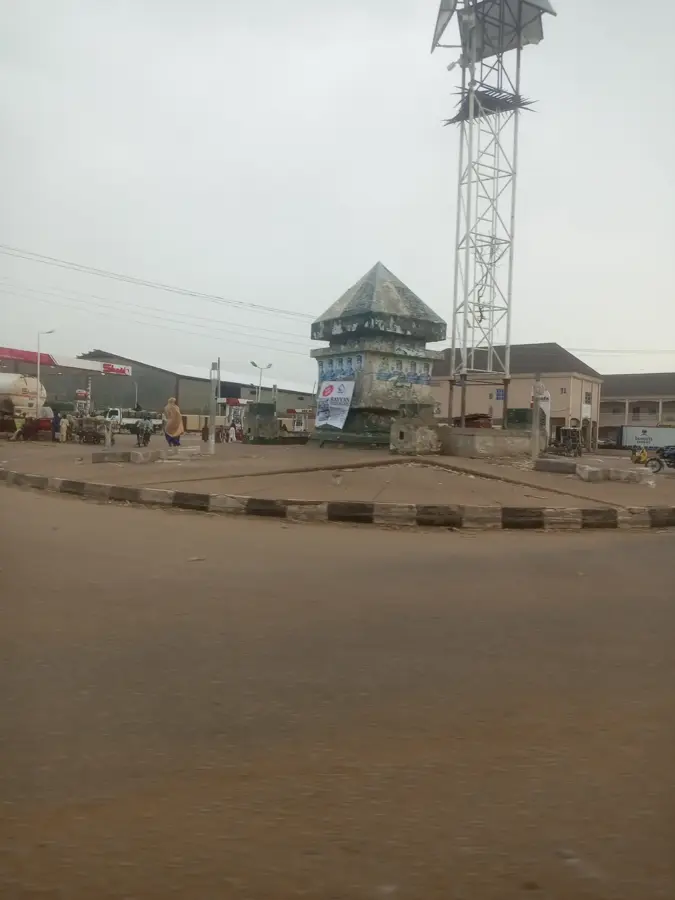
ℹ️Practical info — Gusau
▾
🌤 Weather — 5 days
📍 Nearby
Sights nearby
💡 Tips
- Gusau is highly agrarian; the best time to experience local life is during the harvest season when the markets are most spirited.
- The city is conservative and follows Sharia law; ensure your clothing is very modest and avoid public consumption of alcohol.
- Temperatures can soar during the day; plan your outdoor explorations for the early mornings or late afternoons.
- Transport is mainly by commercial tricycles and motorcycles; be prepared for dusty roads, especially in the dry season.
🍽 Food
Bean dumplings usually served with palm oil, pepper, and sometimes boiled eggs, available at local food stalls.
A classic combination of rice swallow and pumpkin soup, found in almost every local restaurant.
Millet dough balls often mixed with sour milk, a refreshing staple sold by local women in the mornings.
🛍 Shopping · 🧘 Quiet spots
The main hub for agricultural goods, where you can buy grains, fresh produce, and local spices in bulk.
Explore the market for hand-woven materials and traditional Hausa caps (Hula).
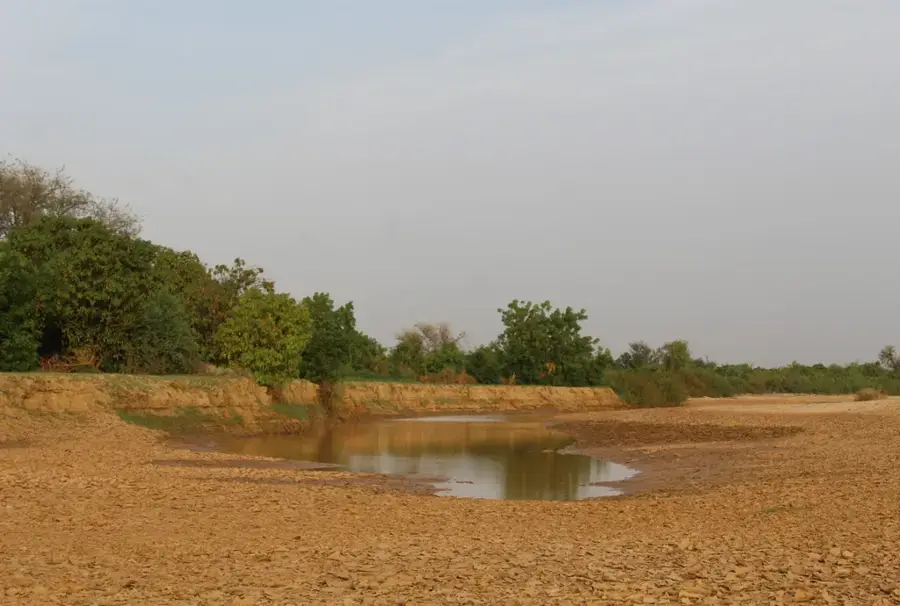
A functional reservoir providing a large expanse of water; its banks offer a peaceful break from the dusty city center.
The outskirts of the city are surrounded by farmlands, offering a serene, green landscape during the rainy season.
Water temperature…
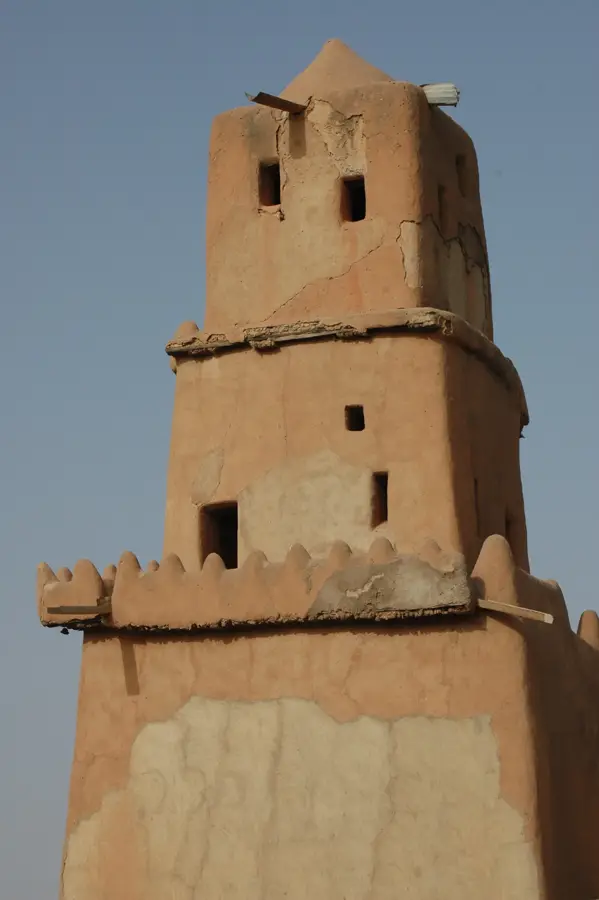
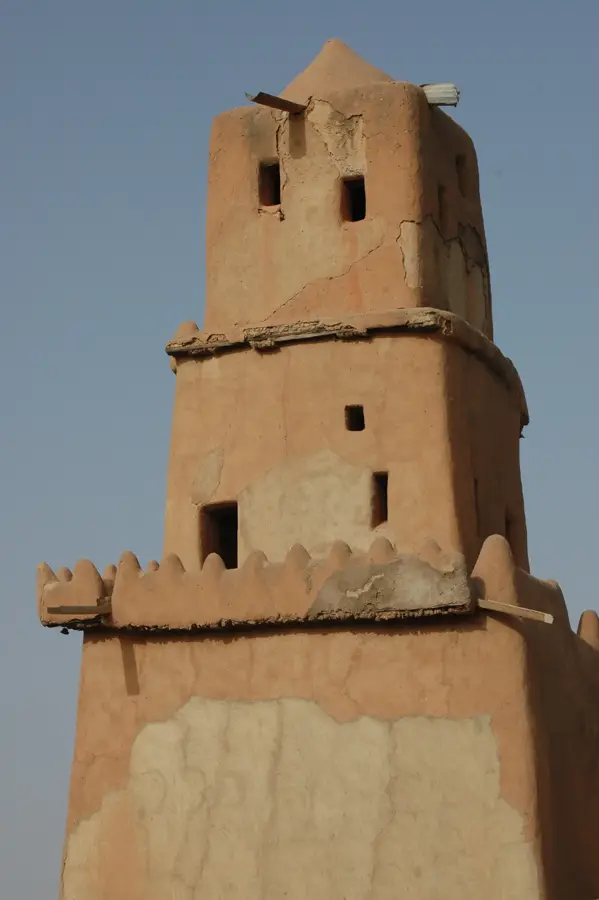
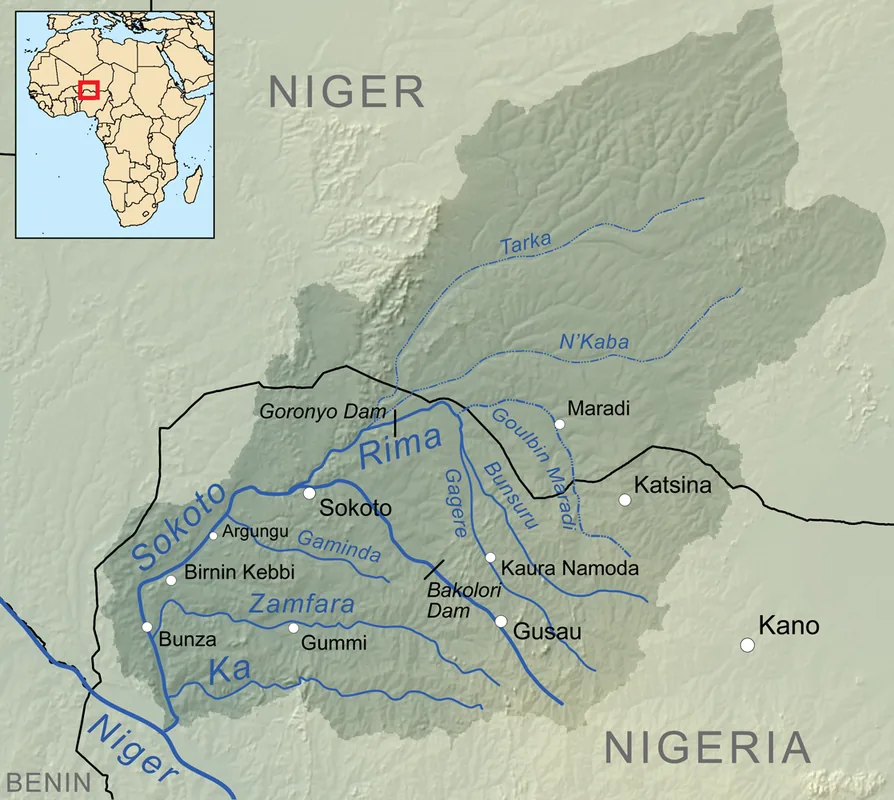
Gusau is the capital of Zamfara State in northwestern Nigeria, situated along the banks of the Sokoto River. The city has a long-standing history as a commercial crossroads in the Sudan Savannah region. Historically, it was a vital hub for the Hausa and Fulani people, gaining prominence during the colonial era as a major center for cotton ginning and tobacco production. A pivotal moment in its modern history occurred in 1996 when it was designated as the capital of the newly created Zamfara State. It gained global attention in 1999 as the first city in Nigeria to implement Sharia law, a move that significantly influenced its legal and social landscape. The city's economy is deeply rooted in agriculture and mineral resources. Gusau is surrounded by fertile lands that produce a significant portion of Nigeria's cotton, which is processed in local textile mills and ginneries. The region is also rich in mineral deposits, particularly gold, lead, and zinc, leading to both organized and artisanal mining activities in the surrounding districts. As a major trading post, Gusau's markets handle a vast array of livestock and agricultural goods, serving as a supply hub for surrounding states and even cross-border trade with the Republic of Niger. The city is also a key stop on the Nigerian railway system, connecting the agricultural north with southern markets. Culturally, Gusau is a bastion of Islamic scholarship and traditional Hausa-Fulani culture. The city is home to several institutions of learning, most notably the Federal University Gusau, which promotes higher education in the state. The architecture of the city is a blend of traditional Sudanese styles and modern administrative buildings. Despite facing challenges such as environmental degradation and regional security issues, Gusau remains a resilient urban center. Its people are known for their industrious spirit and dedication to their heritage. The city continues to grow, with ongoing efforts to improve infrastructure and provide social services to its expanding population, cementing its role as a regional leader in the Northwest.
- Location: Nigeria
- Top sights: Sardauna Memorial Stadium · Gusau Dam
- Population: ~226.857 (2026)
Best time to visit & climate
The most pleasant time to visit is Jan, Nov, Dec.
| Jan | Feb | Mar | Apr | May | Jun | Jul | Aug | Sep | Oct | Nov | Dec | |
|---|---|---|---|---|---|---|---|---|---|---|---|---|
| Avg °C | 23 | 27 | 30 | 31 | 30 | 28 | 27 | 26 | 26 | 27 | 26 | 24 |
| Rain mm | 0 | 0 | 1 | 24 | 55 | 92 | 147 | 208 | 168 | 50 | 1 | 0 |
Geography
Facts
- Gusau became the capital of Zamfara State in 1996.
- The city is located on the Gusau River, a tributary of the Sokoto River.
- It was the first Nigerian city to adopt Sharia law in the Fourth Republic.
- Gusau hosts major industrial plants for processing agricultural raw materials.
- The city is a significant railway terminus in northern Nigeria.
- Federal University Gusau (FUGUS) was established in 2013.
- The region is known for large-scale production of groundnuts and cotton.
- Gusau's central market is a major hub for cross-border trade with Niger.
Explore nearby
Notable places around
Route planner — Car & Motorhome
Where do you start? We build the route here, with stops and country notes along the way.
© OpenStreetMap contributors · OpenRouteService
Sights in the town Gusau (2)
Frequently asked questions
What is the significance of Gusau?
When is the weather best?
How do I get to Gusau?
What is there to see?
Is Gusau a travel destination?
Gusau: where is it located?
Gusau: what is there to see?
Gusau: when is the best time to visit?
Gusau: why is it worth visiting?
