Plizio Visual Lab
Birnin Kebbi
ℹ️Practical info — Birnin Kebbi
▾
🌤 Weather — 5 days
📍 Nearby
Sights nearby
💡 Tips
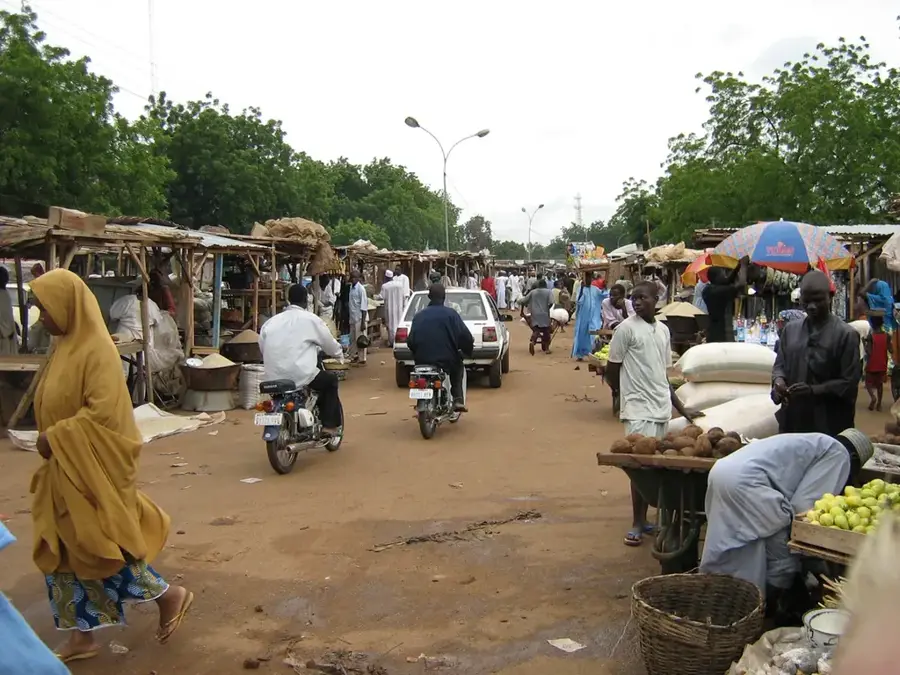
- Visit the lively local markets early in the morning when farmers bring in fresh produce from the river plains.
- The climate can be extremely hot and dry; always carry bottled water and schedule outdoor activities before noon.
- Learn a few basic Hausa greetings to easily break the ice with the friendly local merchants.
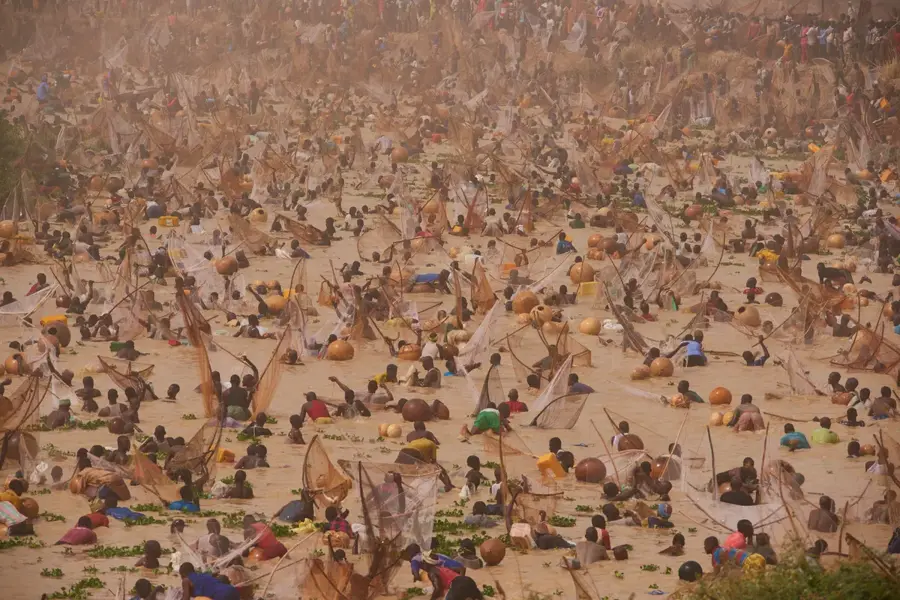
- If traveling in March, nearby Argungu hosts the famous fishing festival, but book accommodation well in advance.
- Public transportation mainly consists of motorcycle taxis (Okada); agree on the fare before hopping on.
🍽 Food
A refreshing, traditional drink made from fermented milk and ground millet, usually sold by Fulani women in the local markets.
A thick rice pudding often served with hearty soups like Miyan Kuka, widely available in local eateries across the town.
Thanks to the nearby river plains, locally caught and grilled or fried fish is a staple, especially prominent around the Argungu axis.
🛍 Shopping · 🧘 Quiet spots
The primary hub to buy everything from agricultural produce and grains to traditional Hausa leatherwork.
Roadside stalls around the city edges offer cheap, incredibly fresh seasonal fruits and vegetables harvested straight from the plains.
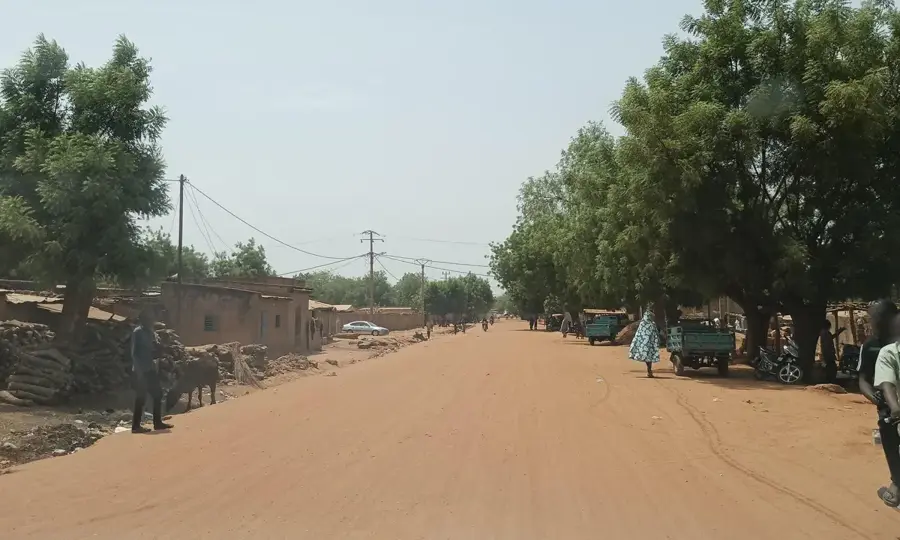
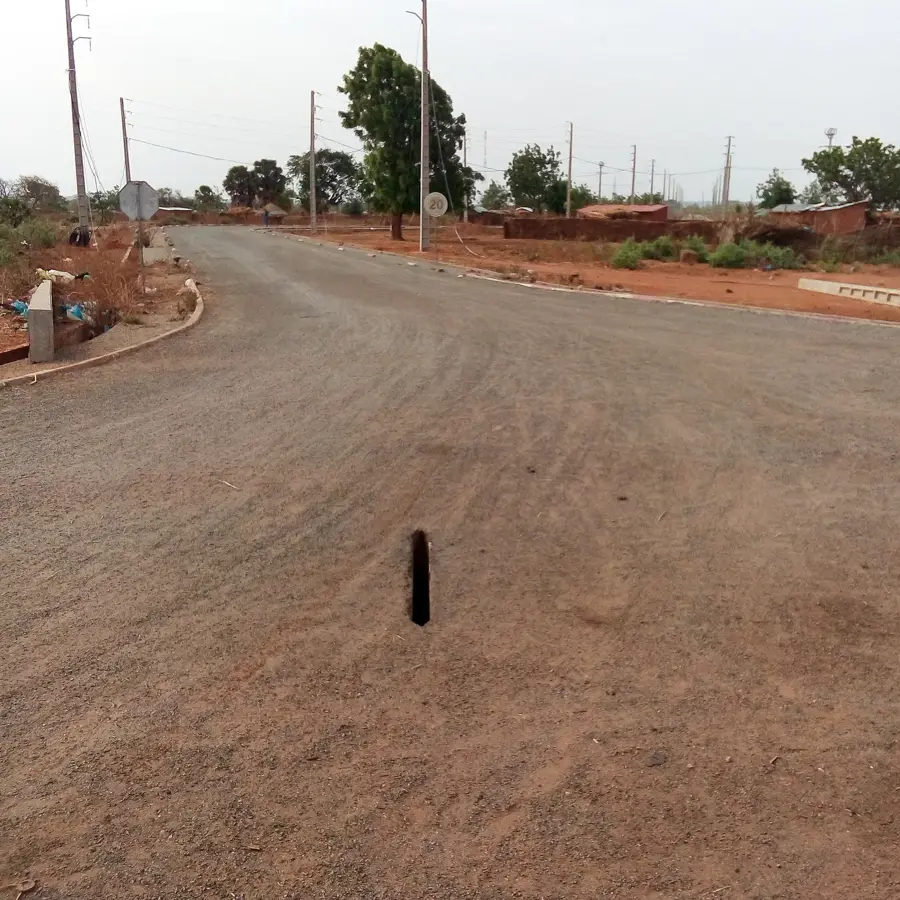
The well-paved, quieter roads leading towards the airport offer a somewhat calmer atmosphere compared to the bustling city center.
A drive towards the riverbanks outside the city limits provides scenic agricultural views and a peaceful environment.
Water temperature…
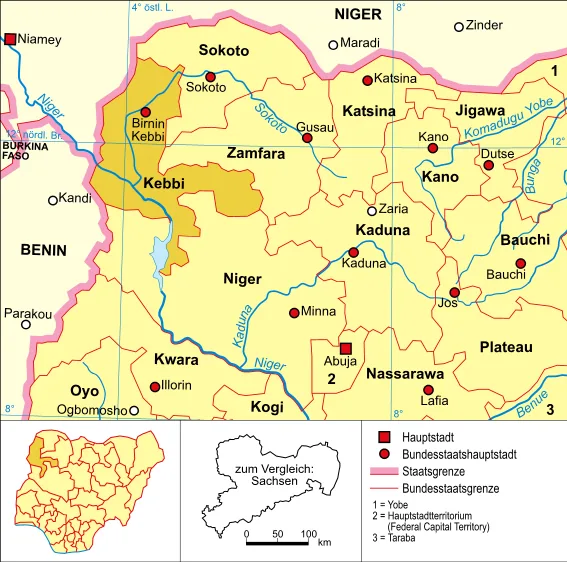
Birnin Kebbi, the capital city of Kebbi State in northwestern Nigeria, serves as a significant administrative and cultural center within the historic Hausaland. Situated along the Sokoto River, near its confluence with the Niger River, the city occupies a vital ecological niche in the semi-arid Sahel region. Historically, Birnin Kebbi gained prominence as the headquarters of the Gwandu Emirate during the 19th-century Fulani Jihad led by Usman dan Fodio. The city’s identity is deeply intertwined with Islamic traditions, and the Emir of Gwandu’s palace remains a major architectural and symbolic landmark. Geographically, the terrain is characterized by expansive floodplains known as 'fadamas,' which provide fertile ground for intensive agriculture. Today, Birnin Kebbi is widely regarded as Nigeria's rice capital, following massive government initiatives that have turned the state into a leading producer of rice and onions. The local economy is further bolstered by fishing and livestock trading, reflecting the traditional livelihoods of the resident Hausa and Fulani ethnic groups. Culturally, the city is a gateway to the famous Argungu International Fishing and Cultural Festival, one of Nigeria's most prominent tourist attractions. Birnin Kebbi also hosts several higher education institutions, including the Federal University Birnin Kebbi and the Waziri Umaru Federal Polytechnic, contributing to the region's intellectual growth. Its proximity to the international borders of Niger and Benin Republics makes it a strategic hub for cross-border trade and regional security. Modern infrastructure, including an international airport and improved road networks, has facilitated the city’s integration into the national economy. Despite the harsh climatic conditions of the northern savannah, Birnin Kebbi continues to thrive as a center of agricultural innovation and a bastion of traditional Islamic scholarship and culture.
- Location: Nigeria
- Population: ~108.164 (2026)
Best time to visit & climate
The most pleasant time to visit is Jan, Nov, Dec.
| Jan | Feb | Mar | Apr | May | Jun | Jul | Aug | Sep | Oct | Nov | Dec | |
|---|---|---|---|---|---|---|---|---|---|---|---|---|
| Avg °C | 24 | 28 | 31 | 34 | 33 | 31 | 28 | 27 | 27 | 28 | 26 | 24 |
| Rain mm | 0 | 0 | 3 | 11 | 47 | 103 | 161 | 234 | 128 | 34 | 1 | 0 |
Geography
Facts
- Capital of Kebbi State and the historic seat of the Gwandu Emirate.
- Located on the banks of the Sokoto River in northwestern Nigeria.
- Key driver of Nigeria's 'Rice Revolution' with massive irrigation projects.
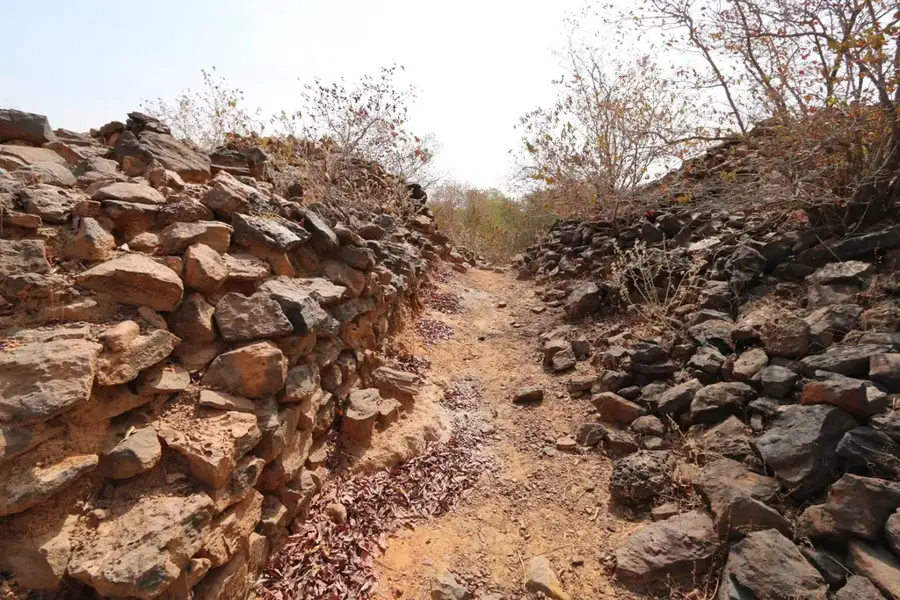
- The city's name translates to 'The Fortified City of Kebbi' in Hausa.
- Home to the Federal University Birnin Kebbi (FUBK).
- Strategic trading post near the borders of Niger and Benin Republic.
- Features a mix of modern administration and traditional adobe architecture.
- Serves as a major center for livestock and onion trade in the Sahel.
Explore nearby
Notable places around


Route planner — Car & Motorhome
Where do you start? We build the route here, with stops and country notes along the way.
© OpenStreetMap contributors · OpenRouteService
Sights in the town Birnin Kebbi (1)
Frequently asked questions
What is Birnin Kebbi?
When is the best visit?
Are there cultural events?
How do I get to Birnin Kebbi?
What are local specialties?
Birnin Kebbi: where is it located?
Birnin Kebbi: when is the best time to visit?
Birnin Kebbi: why is it worth visiting?
