Plizio Visual Lab
Hadejia
Weather…
Water temperature…
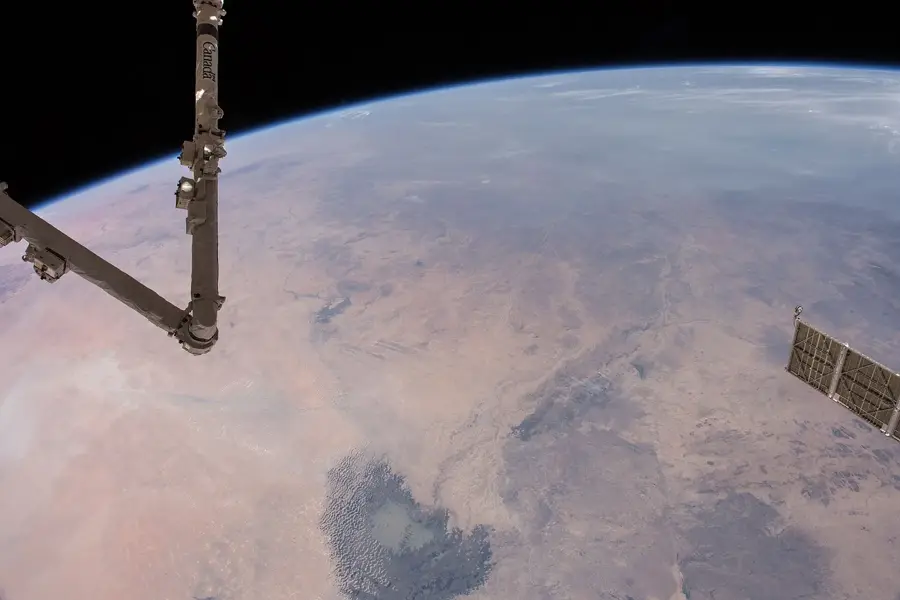
The Hadejia River is a prominent waterway in northern Nigeria and a primary component of the Yobe River system. It is formed by the confluence of several streams in Kano State and flows eastward through Jigawa State. The Hadejia-Nguru wetlands, which are fed by the river, are of international ecological significance and are protected as a RAMSAR site. These wetlands provide a critical habitat for millions of migratory birds from the Palearctic and support a rich variety of local fauna. Economically, the river is indispensable for irrigation-based agriculture and fishing, with tens of thousands of people relying directly on its resources. In recent decades, the river's flow has been heavily regulated by dams such as the Tiga and Challawa Gorge dams. While this has improved water availability for some areas, it has also led to ecological changes and conflicts over water use downstream. Additionally, invasive aquatic plants like Typha (cattails) increasingly threaten the river's flow and local fishing grounds.
Best time to visit & climate
The most pleasant time to visit is Jan, Feb, Dec.
| Jan | Feb | Mar | Apr | May | Jun | Jul | Aug | Sep | Oct | Nov | Dec | |
|---|---|---|---|---|---|---|---|---|---|---|---|---|
| Avg °C | 22 | 26 | 29 | 33 | 33 | 32 | 29 | 27 | 27 | 28 | 26 | 23 |
| Rain mm | 0 | 0 | 0 | 5 | 22 | 71 | 139 | 206 | 94 | 16 | 4 | 0 |
📋 Practical info
Geography
Facts
- The Hadejia-Nguru wetlands were the first site in Nigeria to be designated under the RAMSAR Convention.
- The river flows into the Yobe River, which eventually empties into Lake Chad.
- The Challawa Gorge Dam regulates a significant portion of the river's upstream flow.
- Over 250 species of birds have been recorded in the wetlands fed by the river.
- Typha weed invasion currently blocks up to 50% of some river channels.
- The Hadejia Emirate has a long history of managing the river's resources for its people.
Explore nearby
Notable places around

Route planner — Car & Motorhome
Where do you start? We build the route here, with stops and country notes along the way.
© OpenStreetMap contributors · OpenRouteService
Sights nearby
Frequently asked questions
What is the Hadejia wetland?
Can one watch birds there?
What is the best season?
Is binoculars needed?
Is the place hard to find?
Hadejia: where is it located?
Hadejia: when is the best time to visit?
Hadejia: why is it worth visiting?