Plizio Visual Lab
Calabar
ℹ️Practical info — Calabar
▾
🌤 Weather — 5 days
📍 Nearby
Sights nearby
💡 Tips
- Calabar is famous for its cleanliness; adhere strictly to local waste disposal rules as littering is frowned upon.
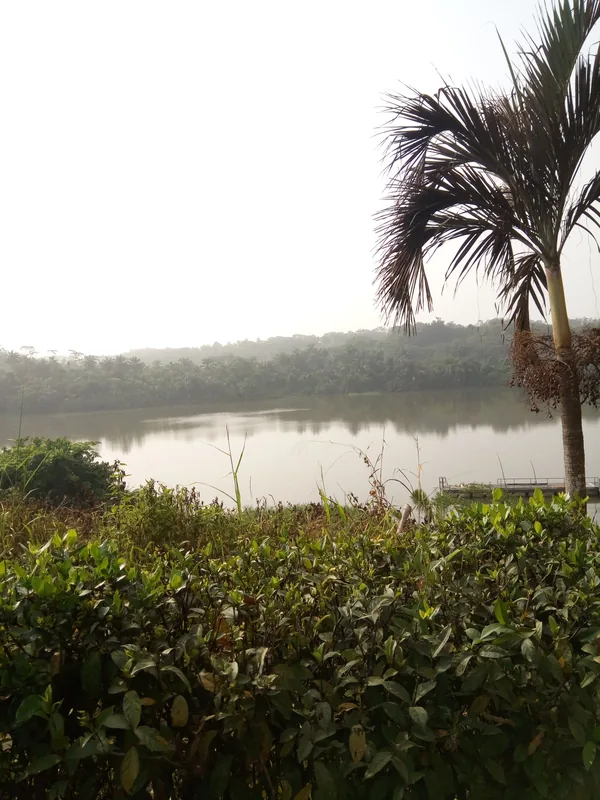
- The Marina Resort is best visited in the late afternoon for a scenic boat ride along the river as the sun sets.
- If attending the famous December carnival, book your flights and hotels months in advance to secure a spot.
- Taxis in Calabar are generally well-regulated and safer than in many other Nigerian cities, making them a reliable way to get around.
- Visit the Slave History Museum for a sobering but essential understanding of the region's historical significance.
🍽 Food
A nutrient-rich vegetable soup made with fluted pumpkin and water leaves, easily found in high-quality local restaurants around Marian Road.
A Calabar delicacy rich in meat and sea snails, best enjoyed with fufu at traditional eateries near the waterfront.
A favorite street food snack involving spiced grilled plantain and fish, often sold by roadside vendors during the late afternoon.
🛍 Shopping · 🧘 Quiet spots
One of the largest markets in the city, excellent for buying traditional Efik attire, beads, and fresh local ingredients.
A cleaner, slightly more organized alternative to Watt Market, great for fresh fruits, vegetables, and household items.
While an economic hub, the spacious grounds and river views offer a quiet place for a leisurely stroll outside the city hustle.
A dedicated conservation center within the city where you can peacefully observe rescued drill monkeys and chimpanzees in a shaded setting.
Water temperature…
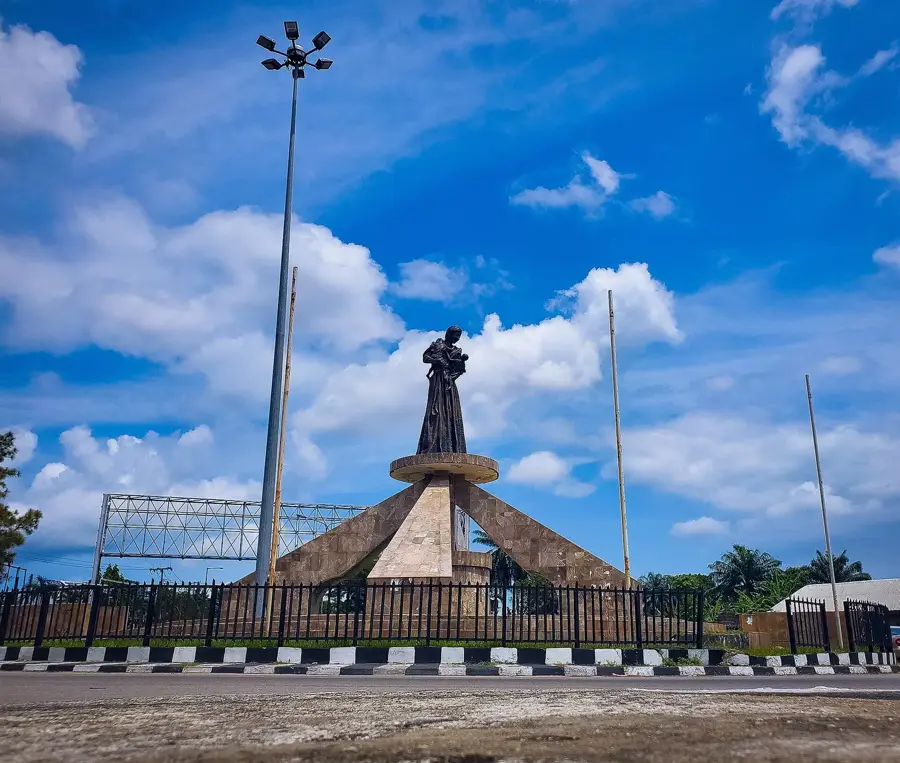
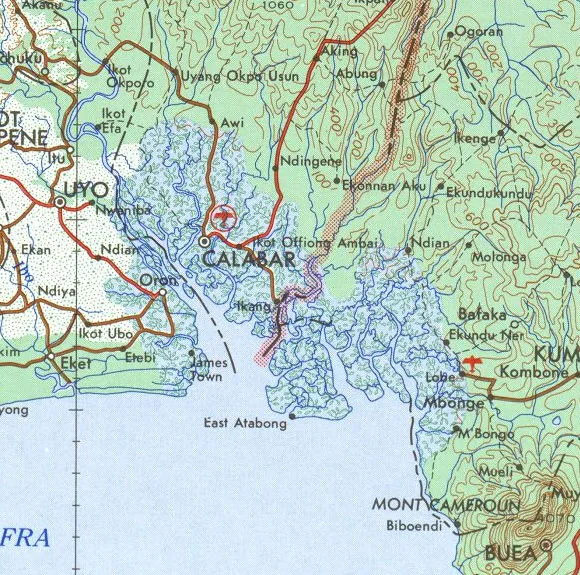
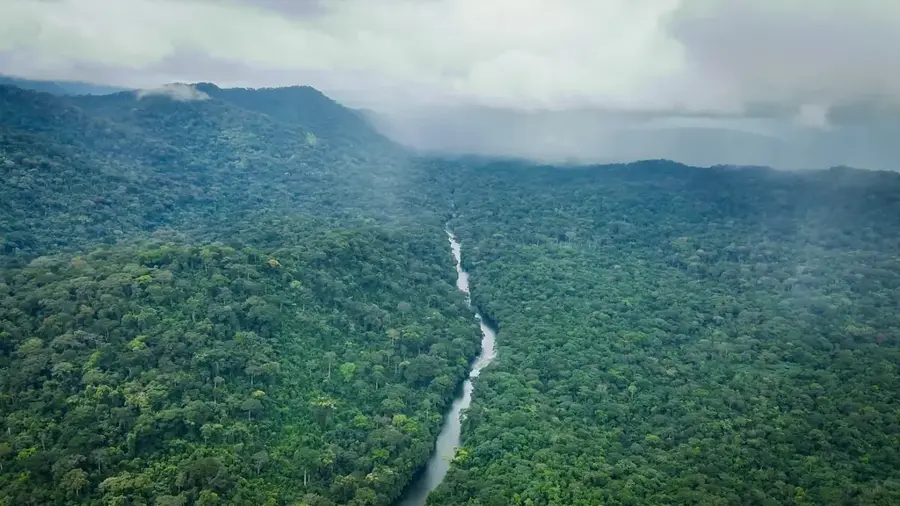
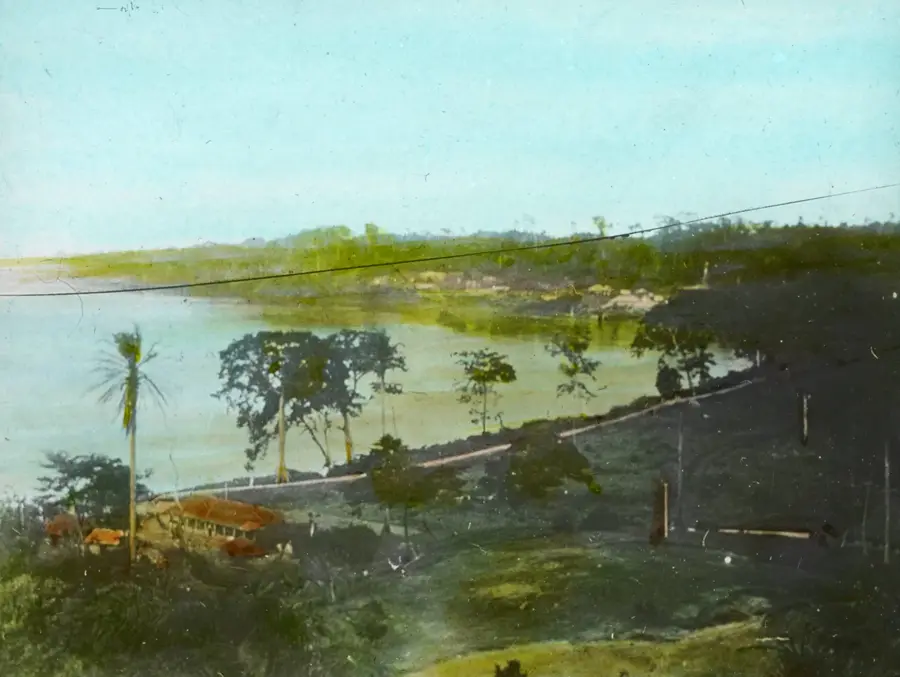
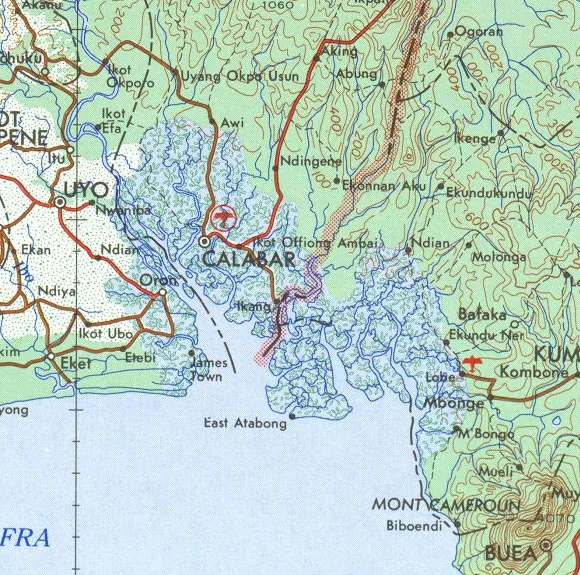
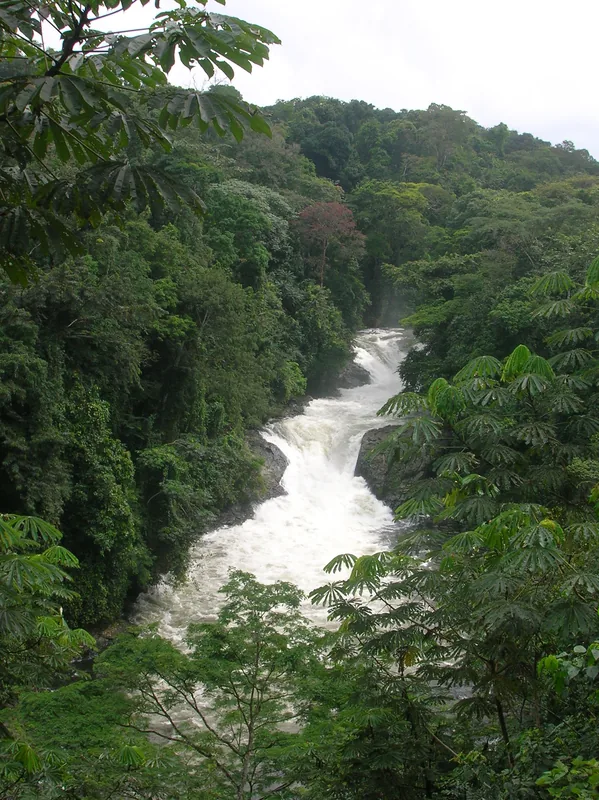
Calabar, the capital of Cross River State in southeastern Nigeria, is a historic port city often celebrated as Nigeria's tourism capital. Perched on a hilly promontory overlooking the Calabar River, the city has played a pivotal role in West African history for centuries. It served as a major trading post for slaves and palm oil between the 17th and 19th centuries and later became the first administrative headquarters of the Southern Nigeria Protectorate under British rule. This colonial heritage is preserved in landmarks such as the Old Residency Museum and various Victorian-style buildings. Today, Calabar is renowned for its cleanliness, security, and well-maintained green spaces, earning it the nickname 'Canaan City.' The city is the stage for the annual Calabar Carnival, dubbed 'Africa's Biggest Street Party,' which draws global audiences to witness its spectacular cultural displays and parades throughout December. Economically, Calabar is bolstered by its seaport, the Calabar Free Trade Zone, and its proximity to the vast timber and agricultural resources of the Cross River hinterland. The resident Efik people are culturally dominant, famous nationwide for their sophisticated ceremonies and a world-class culinary tradition that includes iconic dishes like Afang and Edikang Ikong soup. Educationally, the University of Calabar (UNICAL) is a major federal institution that influences the city’s animated youth culture. Environmental conservation is also a key feature of the region, with the Drill Ranch primate rehabilitation center located within the city limits and the Cross River National Park nearby. Calabar’s geography, defined by its river systems and mangrove swamps, supports a unique ecosystem and provides opportunities for boat regattas and water-based recreation. As a blend of historical gravitas, cultural vibrancy, and modern urban planning, Calabar remains one of Nigeria's most distinguished and inviting regional capitals.
- Location: Nigeria
- Top sights: Marina Resort · Slave History Museum
- Nearby: Uyo (47 km)
- Population: ~540.000 (2026)
Best time to visit & climate
The most pleasant time to visit is Jan, Feb, Dec.
| Jan | Feb | Mar | Apr | May | Jun | Jul | Aug | Sep | Oct | Nov | Dec | |
|---|---|---|---|---|---|---|---|---|---|---|---|---|
| Avg °C | 26 | 27 | 26 | 26 | 26 | 25 | 24 | 24 | 24 | 25 | 25 | 26 |
| Rain mm | 39 | 95 | 176 | 243 | 269 | 450 | 581 | 685 | 532 | 384 | 168 | 23 |
Geography
Facts
- Served as the first capital of the Southern Nigeria Protectorate.
- Host of the annual Calabar Carnival, known as Africa's biggest street party.
- Renowned as the cleanest and greenest city in Nigeria.
- Home to the Calabar Free Trade Zone (CFTZ) and a major seaport.
- The Old Residency Museum was the former home of the British Governor.
- Strategically located between the Calabar and Great Kwa rivers.
- Home to the University of Calabar (UNICAL), established in 1975.
- A primary center for the conservation of endangered primates at the Drill Ranch.
Explore nearby
Notable places around

Route planner — Car & Motorhome
Where do you start? We build the route here, with stops and country notes along the way.
© OpenStreetMap contributors · OpenRouteService
Frequently asked questions
What is the appeal of Calabar?
When is the Calabar Festival?
Is there nature in the area?
How long to stay?
Is Calabar safe?
Calabar: where is it located?
Calabar: what is there to see?
Calabar: when is the best time to visit?
Calabar: why is it worth visiting?

History & landmarks
Nature
More places