Plizio Visual Lab
Aba
ℹ️Practical info — Aba
▾
🌤 Weather — 5 days
📍 Nearby
Sights nearby
💡 Tips
- Be aware of Monday 'Sit-at-Home' days; many businesses and markets in Aba remain closed on these days.
- Visit massive markets like Ariaria between Tuesday and Thursday (10 AM - 2 PM) to avoid the heaviest crowds.
- Always wash your hands before eating traditional 'swallow' dishes; water bowls are often provided at the table.
- Use 'Keke' tricycles for transport as they navigate Aba's heavy traffic much faster than regular cars.
- Bargain politely but firmly in the markets; the first price offered is usually a starting point for negotiation.
🍽 Food
A spicy cow foot delicacy; the Aba Sports Club is renowned for serving some of the best in the city.
A rich vegetable soup often eaten with pounded yam; Jevinik Restaurant on Brass Street is the top spot for this.
A local specialty made from African eggplants, often served with boiled yam or plantain for breakfast.
🛍 Shopping · 🧘 Quiet spots
Known as the 'China of Africa', it is the best place for high-quality, locally-made leather shoes, bags, and belts.
The best place for clothing, textiles, and high-quality thrift (Okirika) items.
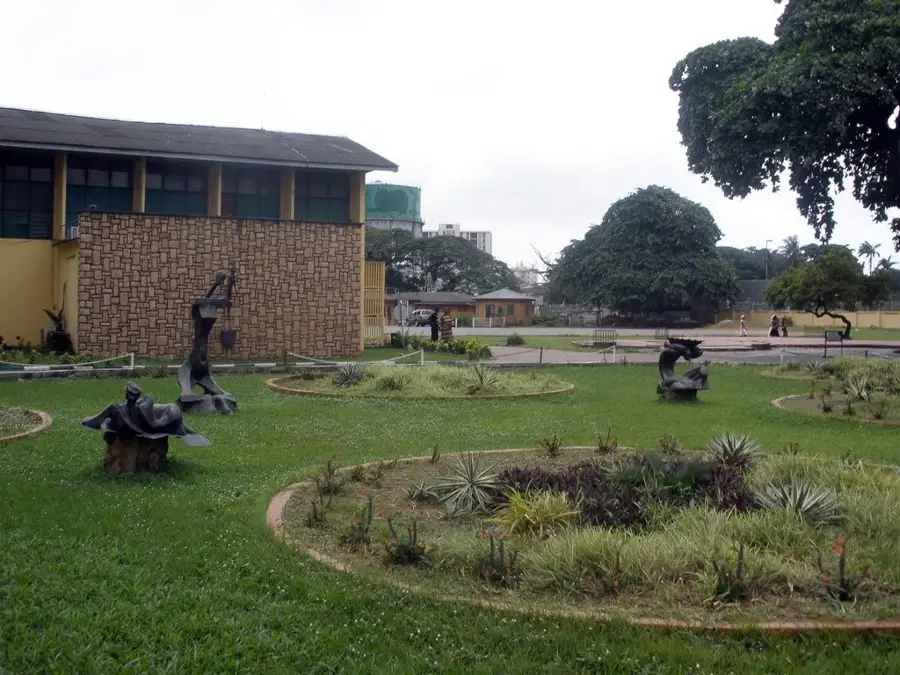
Located on Ikot Ekpene Road, it features a quiet look into Nigeria's past and the 1929 Aba Women's Riot.
A historic and serene environment with green lawns and sports facilities, well-suited for quiet relaxation away from the bustle.
Water temperature…
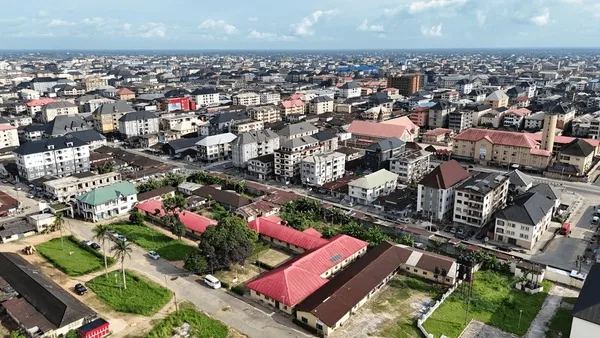
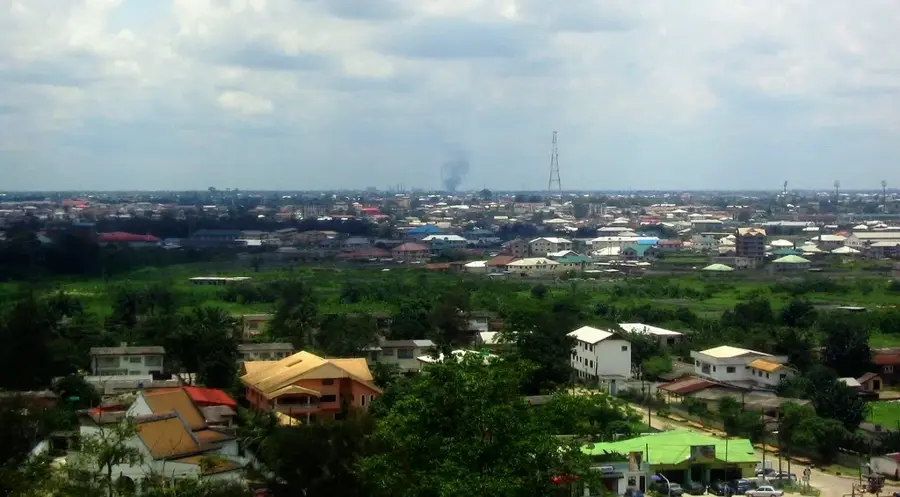
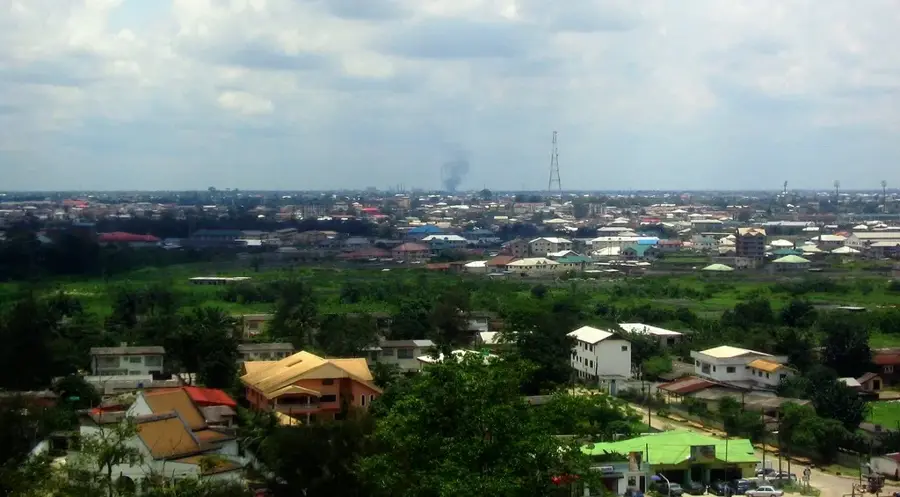
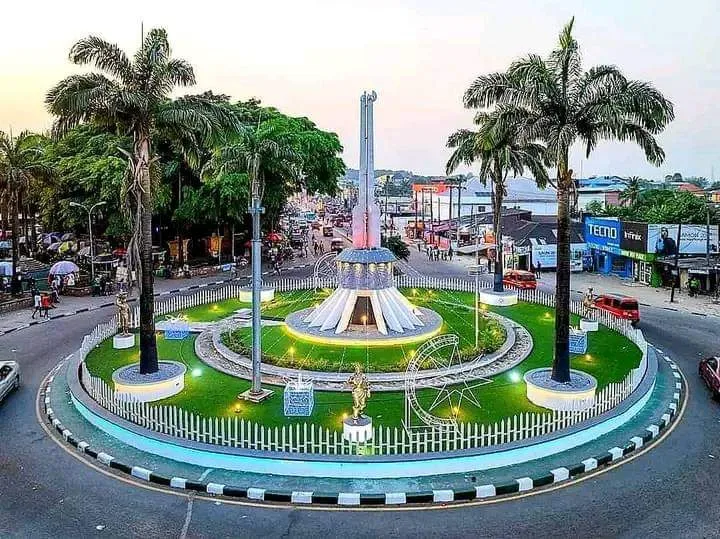
Aba, often referred to as "Enyimba City," is the economic heartbeat of Abia State in southeastern Nigeria and one of West Africa's most dynamic commercial hubs. The city evolved from a small village of the indigenous Ngwa-Igbo into a major market center after the British established a military post there in 1901. A pivotal moment in the city's history was the Aba Women's Riot of 1929, a significant protest against colonial taxation policies that permanently shaped the political landscape of Nigeria. Today, Aba is globally renowned for its entrepreneurial spirit, particularly for the Ariaria International Market, one of Africa's largest markets where textiles, footwear, and leather goods are produced and traded on a massive scale. The city is a vital transport junction, linked by rail and road to Port Harcourt and other industrial centers. Despite infrastructural challenges, Aba remains a symbol of industrial self-reliance and craftsmanship, with "Made in Aba" products being exported far beyond the country's borders.
- Location: Nigeria
- Nearby: Uyo (61 km)
- Population: ~1.160.000 (2024)
Best time to visit & climate
The most pleasant time to visit is Jan, Feb, Dec.
| Jan | Feb | Mar | Apr | May | Jun | Jul | Aug | Sep | Oct | Nov | Dec | |
|---|---|---|---|---|---|---|---|---|---|---|---|---|
| Avg °C | 25 | 27 | 27 | 27 | 26 | 25 | 25 | 25 | 25 | 25 | 26 | 26 |
| Rain mm | 26 | 56 | 109 | 158 | 198 | 299 | 322 | 348 | 385 | 258 | 134 | 22 |
Geography
Facts
- Aba was the site of the famous Women's War against colonial rule in 1929.
- The Ariaria International Market is one of the largest commercial hubs in West Africa.
- The city was officially established as a British military outpost in 1901.
- Aba is recognized as a leading center for footwear and leather goods manufacturing.
- The nickname Enyimba, applied to the city, means "Elephant City" in the Igbo language.
- The city is located on the Aba River, which is a tributary of the Imo River.
Explore nearby
Notable places around
Route planner — Car & Motorhome
Where do you start? We build the route here, with stops and country notes along the way.
© OpenStreetMap contributors · OpenRouteService
Sights in the town Aba (1)
Frequently asked questions
Why is Aba so famous?
Should I visit Aba?
What is special about Ariaria Market?
What is the best way to travel there?
Is Aba safe for tourists?
Aba: where is it located?
Aba: when is the best time to visit?
Aba: why is it worth visiting?

Nearby cities
History & landmarks
Nature
More places