Plizio Visual Lab
Niassa tobacco region
Weather…
Water temperature…
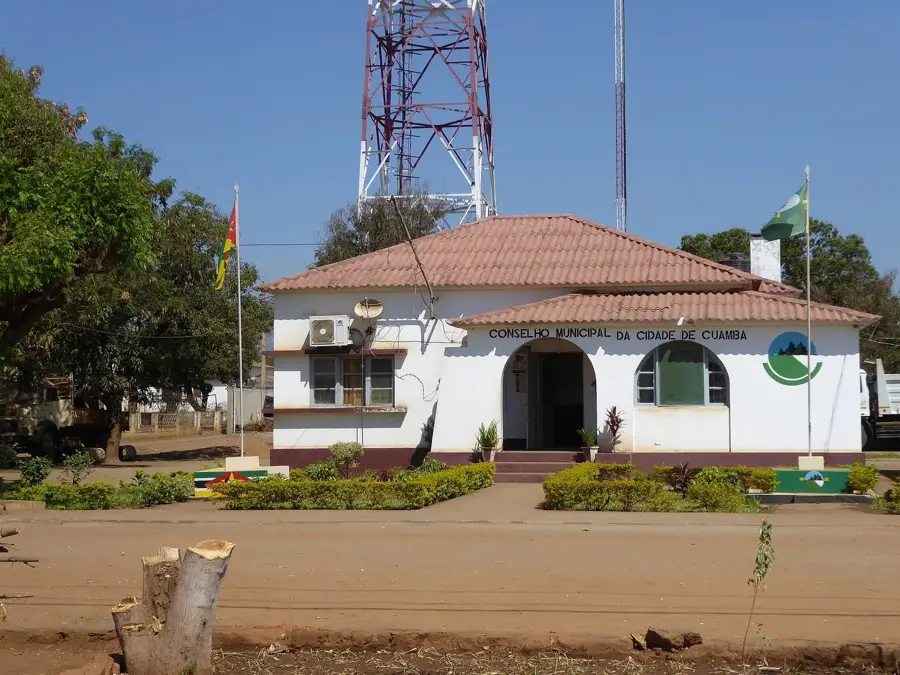
The Niassa province in northern Mozambique is one of the country's most sparsely populated regions, yet it serves as a vital hub for the national agricultural economy. Tobacco cultivation has emerged as the primary economic driver here, involving thousands of small-scale farmers who are integrated into global supply chains. The region's climate, characterized by distinct wet and dry seasons, provides good conditions for producing high-quality tobacco leaves that are exported worldwide. Beyond its economic impact, the large-scale farming shapes the social fabric and infrastructure development in districts such as Cuamba and Lichinga. Local processing factories create essential jobs in an otherwise underdeveloped area, contributing to regional stability. However, farmers face ongoing challenges including fluctuating international market prices and the urgent need for more sustainable farming practices to preserve the local biodiversity and soil health.
- Location: Mozambique
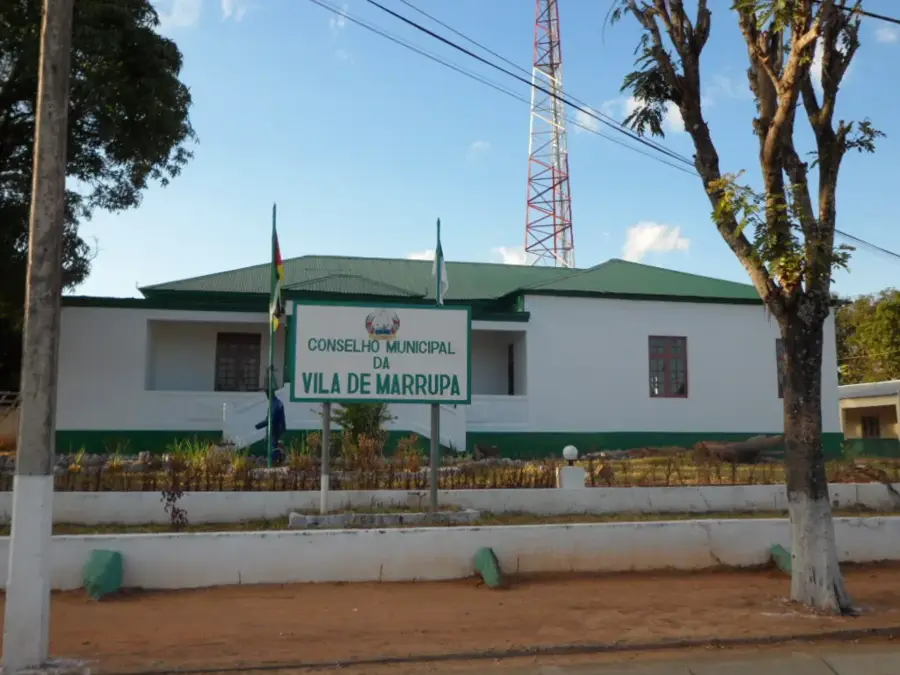
- Nearby: Marrupa (87 km)
Best time to visit & climate
The most pleasant time to visit is May, Jul, Aug.
| Jan | Feb | Mar | Apr | May | Jun | Jul | Aug | Sep | Oct | Nov | Dec | |
|---|---|---|---|---|---|---|---|---|---|---|---|---|
| Avg °C | 24 | 24 | 24 | 23 | 21 | 20 | 20 | 22 | 25 | 28 | 28 | 26 |
| Rain mm | 387 | 274 | 192 | 62 | 20 | 5 | 5 | 7 | 5 | 24 | 63 | 276 |
📋 Practical info
Geography
Facts
- Niassa province accounts for a significant portion of Mozambique's tobacco exports.
- Over 90% of tobacco production in the region comes from smallholder farmers.
- The city of Lichinga is the administrative and commercial hub of Niassa.
- The primary tobacco harvesting season occurs between March and May.
- Tobacco is consistently among Mozambique's top five non-mineral exports.
- International firms operate large-scale leaf processing facilities in the region.
Explore nearby
Notable places around



Route planner — Car & Motorhome
Where do you start? We build the route here, with stops and country notes along the way.
© OpenStreetMap contributors · OpenRouteService
Sights nearby
Frequently asked questions
Is Niassa tobacco region a tourist destination?
What is the economic role?
When is it best to pass by?
What is located nearby?
Is smoking allowed on site?
Niassa tobacco region: where is it located?
Niassa tobacco region: when is the best time to visit?
Niassa tobacco region: why is it worth visiting?