Plizio Visual Lab
Santiago de Querétaro
ℹ️Practical info — Santiago de Querétaro
▾
🌤 Weather — 5 days
📍 Nearby
Sights nearby
💡 Tips
- The historic center is highly pedestrian-friendly; stick to the "andadores" (pedestrian walkways) to easily explore colonial plazas and architecture.
- Querétaro is at a high altitude; drink plenty of water and wear sun protection, as the sun can be surprisingly strong.
- Use the local trolley tours (tranvías) that leave from Zenea Garden for a quick, informative overview of the city's history.
- When visiting the famous aqueduct viewpoint, go at sunset when the stone arches are bathed in warm light and illuminated.
🍽 Food
Corn tortillas dipped in a guajillo chili sauce, filled with cheese and topped with potatoes and carrots. Find them at traditional cenadurías in the historic center.
Thick corn pockets stuffed with pork cracklings and cheese. Best enjoyed fresh at local markets like Mercado La Cruz.
The region is famous for viticulture. Enjoy a pairing at wine bars or restaurants around Plaza de Armas.
🛍 Shopping · 🧘 Quiet spots
A lively market where you can find everything from fresh produce and street food to local crafts.
A government-supported store offering authentic, high-quality regional handicrafts, textiles, and ceramics.
A historic hill and national park with expansive green spaces, first-rate for a quiet afternoon and learning about Mexican history.
A large, tree-lined park in the city center offering shaded walkways and a calm escape from the urban heat.
Water temperature…
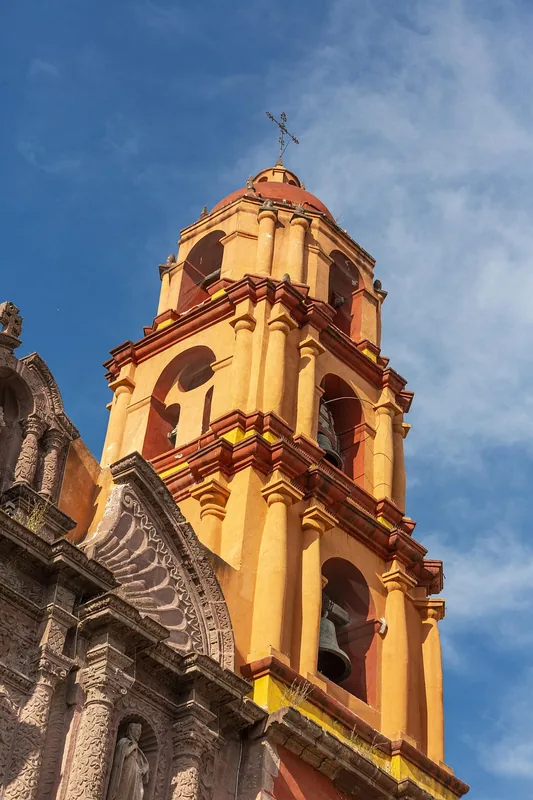
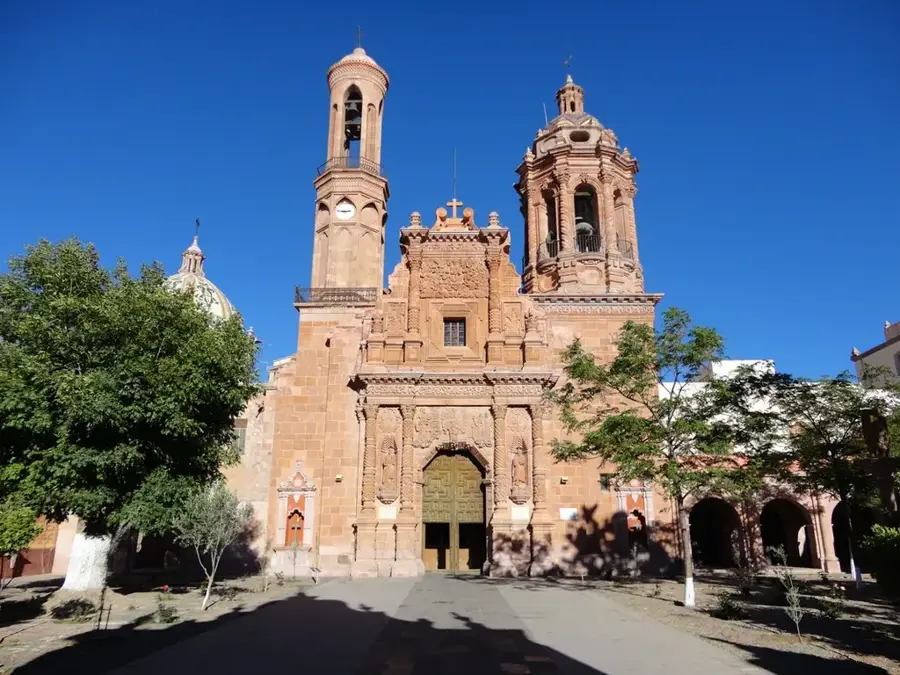
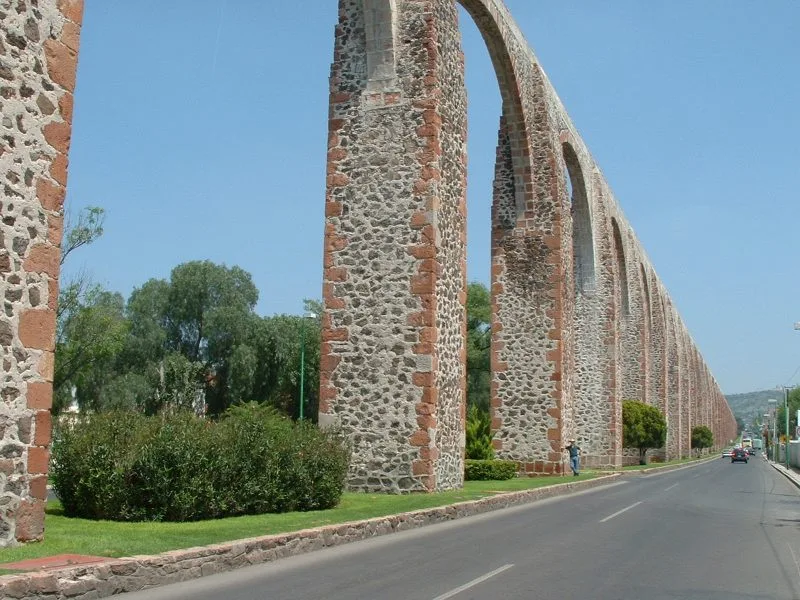
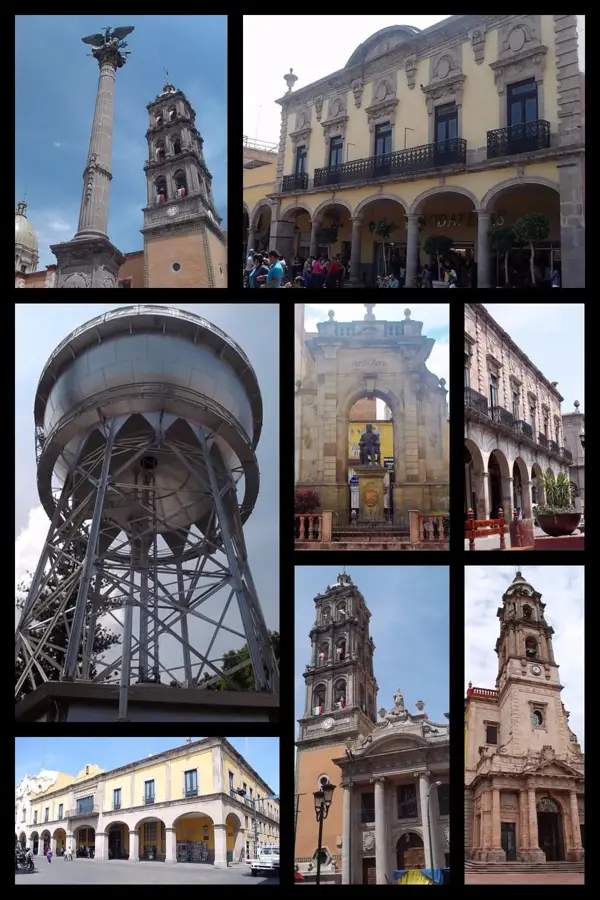
Santiago de Querétaro, located in the Bajío region of central Mexico, is a premier example of a city that harmoniously blends its deep historical roots with rapid modern development. Founded in 1531, its location made it a crucial stop on the 'Camino Real de Tierra Adentro', the historic silver route. The city is world-renowned for its pink-sandstone aqueduct, completed in 1735, which consists of 74 massive arches stretching over a kilometer through the city. Querétaro's historic center, a UNESCO World Heritage site, is famous for its clean, orderly streets and striking Baroque architecture, such as the Temple of Santa Rosa de Viterbo and the former Convent of San Agustín. Historically, the city is central to the Mexican identity; it was the site of the 1810 conspiracy that led to the independence movement, and later, the signing of the Treaty of Guadalupe Hidalgo and the drafting of the 1917 Constitution. It also saw the execution of Emperor Maximilian in 1867, marking the end of foreign intervention in Mexico. In the 21st century, Querétaro has transformed into a high-tech industrial hub, serving as one of the world's most important clusters for aerospace engineering and automotive manufacturing. The city consistently ranks among the best places to live in Mexico due to its high safety standards, excellent infrastructure, and environmental consciousness. Cultural life is rich, with numerous plazas hosting outdoor concerts and art exhibitions, while the surrounding state features ecotourism in the Sierra Gorda and wine tours in the famous Querétaro Wine District. As a center for both political history and technological innovation, Querétaro stands as a model for urban success in Latin America.
- Location: Mexico
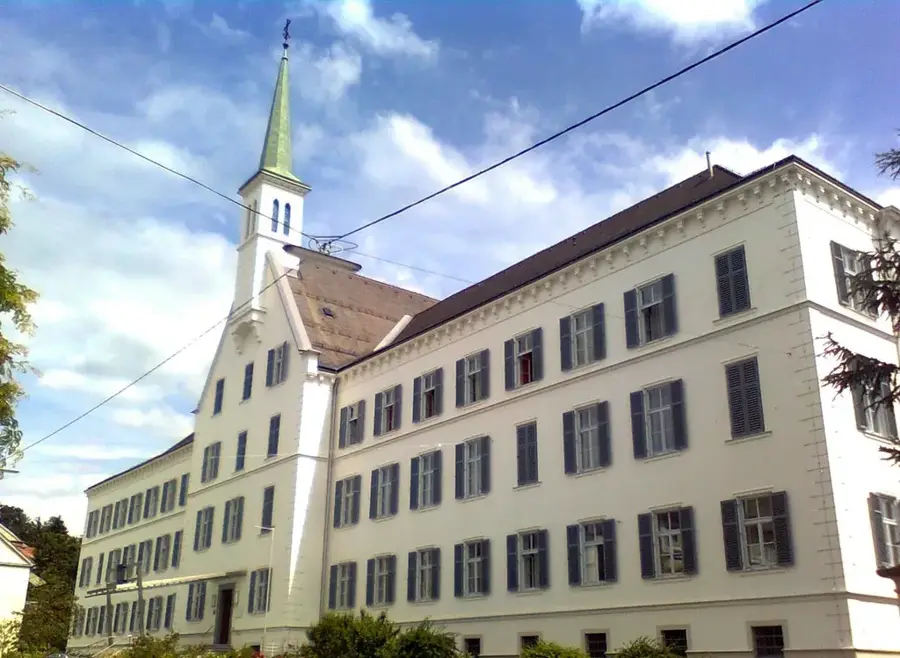
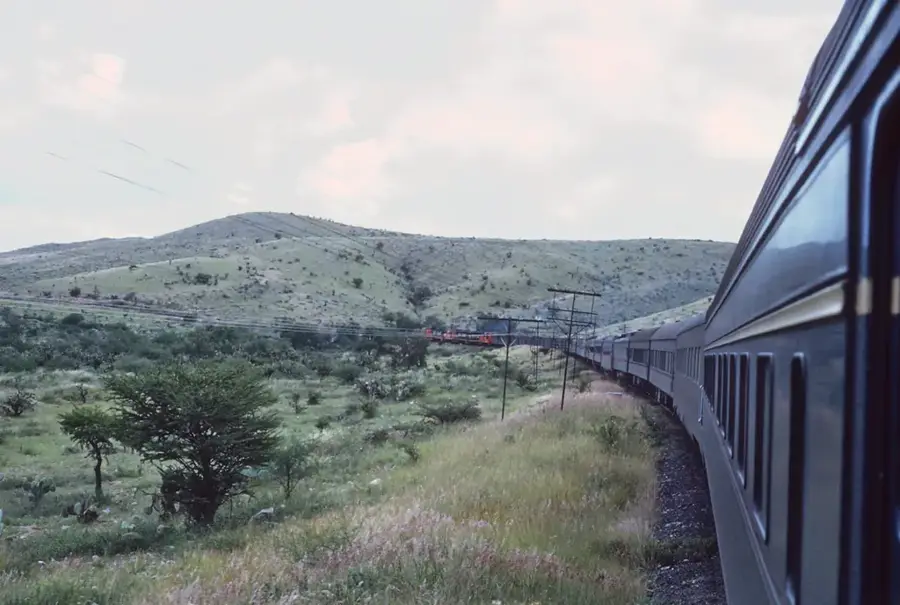
- Top sights: Museo de Arte · Museo Regional de Querétaro · Centro Cultural Antigua Estación del Ferrocarril de Querétaro
- Nearby: San Miguel de Allende (40 km)
- Population: ~1.594.212 (2026)
Best time to visit & climate
The most pleasant time to visit is Mar–May.
| Jan | Feb | Mar | Apr | May | Jun | Jul | Aug | Sep | Oct | Nov | Dec | |
|---|---|---|---|---|---|---|---|---|---|---|---|---|
| Avg °C | 13 | 15 | 18 | 21 | 22 | 20 | 19 | 19 | 18 | 17 | 15 | 14 |
| Rain mm | 10 | 16 | 15 | 9 | 37 | 117 | 158 | 136 | 124 | 42 | 14 | 5 |
Geography
Facts
- Querétaro's aqueduct was funded by the Marquis of Villar del Águila in the 18th century.
- The city served as the national capital during the U.S. invasion in 1847.
- It is home to the fifth largest aerospace cluster in the world.
- The historic center is unique for combining a Spanish grid with indigenous alleys.
- The Mexican Constitution of 1917, still in use today, was proclaimed here.
- The city is a gateway to the Sierra Gorda, a biosphere reserve with five missions.
- Querétaro is consistently ranked as one of the cleanest cities in North America.
- The Temple of Santa Rosa de Viterbo features unique exterior inverted buttresses.
Explore nearby
Notable places around
Route planner — Car & Motorhome
Where do you start? We build the route here, with stops and country notes along the way.
© OpenStreetMap contributors · OpenRouteService
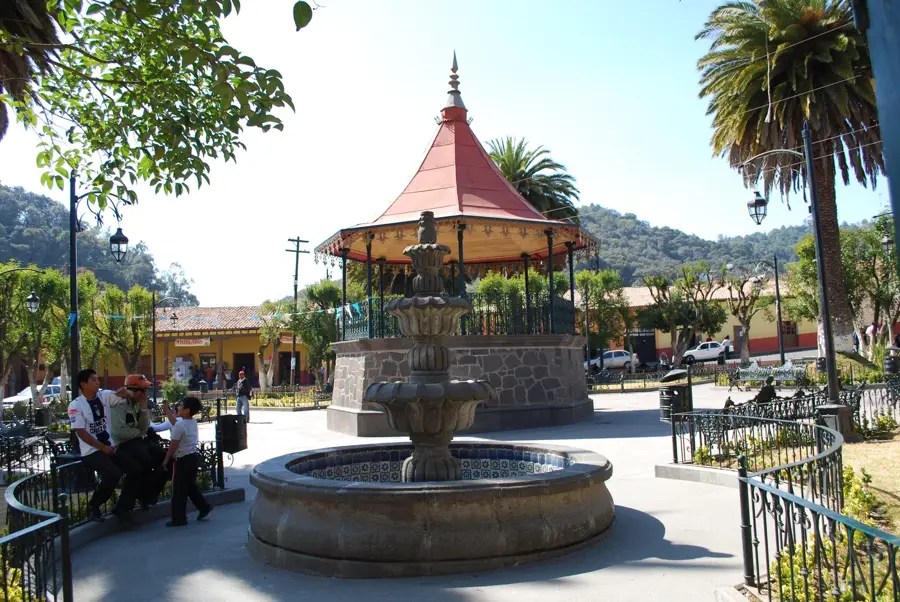
Begin your day breathing in the historic atmosphere of the lush Jardín Zenea, Querétaro’s beloved central plaza. By midday, you will find yourself immersed in the deep colonial past and vibrant contemporary arts spread across the majestic nearby museums. As the afternoon unfolds, marvel at the sacred art and the grand neoclassical facade of the imposing Catedral de Querétaro. Your evening culminates at Santa Rosa de Viterbo, where the dramatic Mexican Baroque interiors create an unforgettable golden finale.
Jardín Zenea
Museo Regional de Querétaro
Galería Libertad
Museo de Arte Sacro
Museo de Arte
Catedral de Querétaro
Santa Rosa de Viterbo
Start your morning at Jardín Zenea, where the central bandstand provides a quick shelter from passing showers. At midday, retreat into the covered cloisters of the Regional Museum and Galería Libertad to explore history while staying dry. In the afternoon, the art museums' indoor galleries offer a perfect escape from the rain. End your evening inside the golden glow of Santa Rosa de Viterbo, enjoying the spiritual atmosphere while the rain washes the historic streets.
Jardín Zenea
Museo Regional de Querétaro
Galería Libertad
Museo de Arte Sacro
Museo de Arte
Catedral de Querétaro
Santa Rosa de Viterbo
Enjoy the crisp winter morning at Jardín Zenea when the air is clear and the sunlight is gentle. During midday, warm up in the sun-drenched museum patios where the stones trap the solar heat. Since the sun sets around 17:00, visit the cathedral in the late afternoon to catch the golden light. The evening ends in cooler temperatures before the beautifully illuminated facade of Santa Rosa de Viterbo.
Jardín Zenea
Museo Regional de Querétaro
Galería Libertad
Museo de Arte Sacro
Museo de Arte
Catedral de Querétaro
Santa Rosa de Viterbo
Start your morning with a smooth ride to the beautifully preserved railway station, a nostalgic nod to the golden age of travel. Midday brings you back towards the city center to explore striking modern art exhibits and the grandeur of the main cathedral. The afternoon offers a fascinating journey through time at the calendar museum before admiring more spectacular Baroque architecture. Conclude your ride by pedaling out to the quiet historic fountain, enjoying the pleasant evening breeze along the city streets.
Centro Cultural Antigua Estación del Ferrocarril
Museo de la Ciudad
Catedral de Querétaro
Museo de Calendario
Santa Rosa de Viterbo
La Fuente de los Balones
A rainy day on a bike starts at the Old Railway Station, where indoor exhibits offer shelter. At midday, navigate carefully over the wet cobblestones towards the City Museum, watching out for slippery turns. In the afternoon, take a break at the Calendar Museum to avoid the heaviest showers. Since visibility decreases in the rain, finish your tour early at Fuente de los Balones before twilight and wet asphalt make riding difficult.
Centro Cultural Antigua Estación del Ferrocarril
Museo de la Ciudad
Catedral de Querétaro
Museo de Calendario
Santa Rosa de Viterbo
La Fuente de los Balones
A clear winter morning is inviting for a ride to the Old Railway Station, but the air is biting cold. At midday, the sun warms the city walls and museums, making cycling much more pleasant. Visit the cathedral and the Calendar Museum in the early afternoon to catch the day's remaining warmth. Since it cools down significantly after 17:00, finish your tour at Fuente de los Balones before the icy evening wind starts.
Centro Cultural Antigua Estación del Ferrocarril
Museo de la Ciudad
Catedral de Querétaro
Museo de Calendario
Santa Rosa de Viterbo
La Fuente de los Balones
Drive out early to the rugged slopes of El Cimatario, enjoying the natural landscapes and fresh morning air of the ancient volcano. By midday, your road trip takes you to historical monuments and the very hill where Emperor Maximilian met his tragic fate. In the afternoon, you will transition back to the urban core, parking near the old train station to explore its cultural offerings. Wrap up your journey in the historic center at the massive regional museum, delving deep into the rich tapestry of local history.
El Cimatario
Monumento a Andrés Balvanera Martínez
Capilla a Maximiliano
Centro Cultural Antigua Estación del Ferrocarril
Museo Regional de Querétaro
A rainy day begins with a mystical drive to El Cimatario, where fog often blankets the hills. At midday, park near the city center to minimize walking time between landmarks in the rain. Spend the afternoon at the Old Railway Station and the Regional Museum, where you can enjoy the historic atmosphere while staying dry. End the day comfortably, watching the rain-soaked city from the warmth of your car.
El Cimatario
Monumento a Andrés Balvanera Martínez
Capilla a Maximiliano
Centro Cultural Antigua Estación del Ferrocarril
Museo Regional de Querétaro
A brilliant winter morning starts with a drive to El Cimatario, where the views over the city are breathtaking in the clear air. At midday, use the comfort of your car to travel quickly between historical monuments. Since it gets dark early, visit the Old Railway Station in the early afternoon. The day concludes at the Regional Museum as the cool evening air settles over the streets of Querétaro.
El Cimatario
Monumento a Andrés Balvanera Martínez
Capilla a Maximiliano
Centro Cultural Antigua Estación del Ferrocarril
Museo Regional de Querétaro
Sights in the town Santiago de Querétaro (18)
Frequently asked questions
What should you see in Querétaro?
Is the city easy to explore on foot?
What time is ideal?
Are there nearby wineries?
What is the typical dish?
Santiago de Querétaro: where is it located?
Santiago de Querétaro: what is there to see?
Santiago de Querétaro: when is the best time to visit?
Santiago de Querétaro: why is it worth visiting?

Nearby cities

History & landmarks
More places