Plizio Visual Lab
Chateau de Labourdonnais
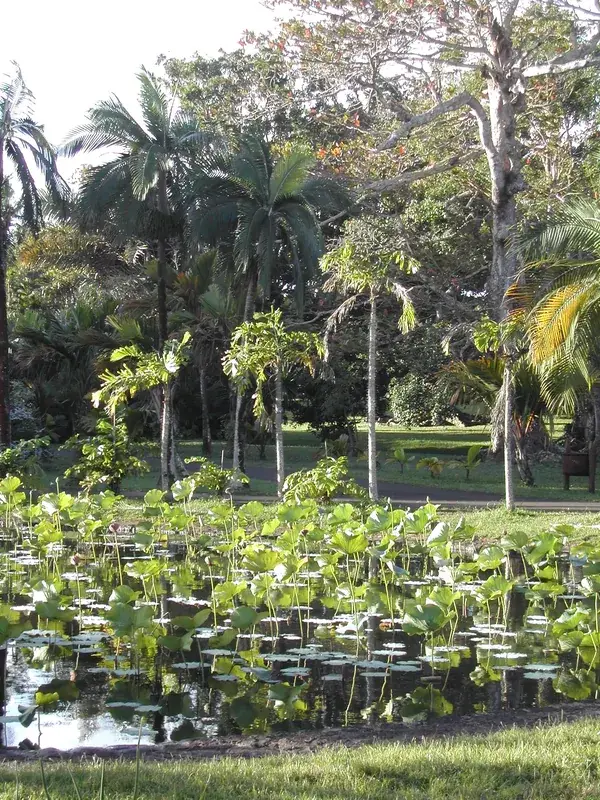
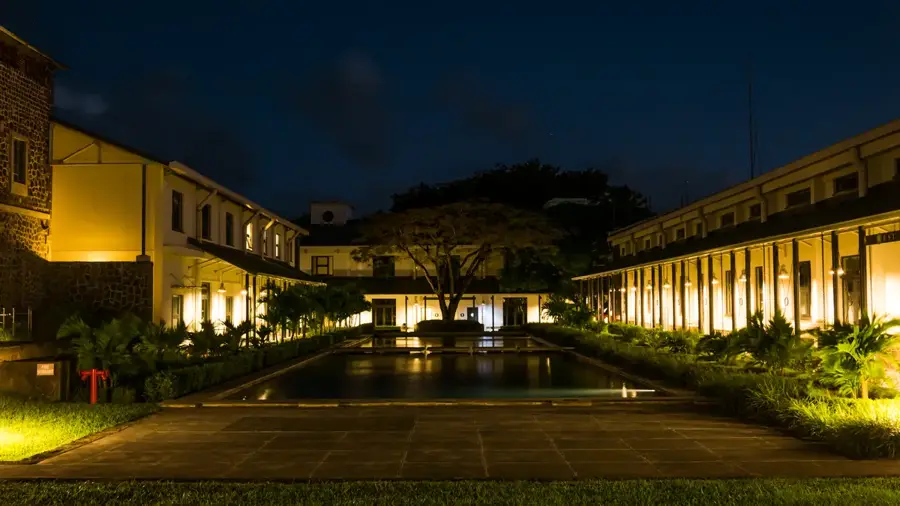
Chateau de Labourdonnais stands as a magnificent emblem of Mauritian heritage in Mapou. Commissioned in 1856 by Christian Wiehe, a prominent figure in the island's sugar industry, the mansion is a masterpiece of neoclassical colonial architecture. Its most striking feature is the wraparound double colonnade, which provides shaded galleries and a grand aesthetic. Following an extensive restoration in 2006, the Chateau serves as a living museum, showcasing the refined lifestyle of 19th-century sugar barons through original period furniture and detailed interior design. The estate is set within lush gardens and century-old orchards that cultivate over 50 varieties of mangoes and other tropical fruits. The visit is often complemented by a stop at the onsite distillery, where premium agricultural rum is produced from the estate's own sugar cane. This destination features a first-rate blend of architectural beauty, colonial history, and local craftsmanship.
- Location: Mauritius
- Nearby: Mont Choisy (5 km)
Best time to visit & climate
The most pleasant time to visit is Jul–Sep.
| Jan | Feb | Mar | Apr | May | Jun | Jul | Aug | Sep | Oct | Nov | Dec | |
|---|---|---|---|---|---|---|---|---|---|---|---|---|
| Avg °C | 27 | 28 | 27 | 27 | 25 | 24 | 23 | 23 | 23 | 24 | 25 | 26 |
| Rain mm | 128 | 116 | 122 | 67 | 41 | 29 | 26 | 21 | 24 | 29 | 29 | 44 |
📋 Practical info
Geography
Facts
- The house was built in 1856 by Christian Wiehe.
- The restoration of the estate lasted from 2006 to 2010.
- A private rum distillery is located on the grounds.
- The orchards include over 50 different varieties of mango.
- Giant tortoises can be seen in an enclosure on the site.
- The estate remains in the ownership of the descendants of the Wiehe family today.
Explore nearby
Notable places around

Route planner — Car & Motorhome
Where do you start? We build the route here, with stops and country notes along the way.
© OpenStreetMap contributors · OpenRouteService
Sights in the town Chateau de Labourdonnais (1)
Sights nearby
Frequently asked questions
Is a reservation required?
Can one visit the gardens?
Is there a restaurant nearby?
How much time to allocate?
Is it wheelchair accessible?
Chateau de Labourdonnais: where is it located?
Chateau de Labourdonnais: when is the best time to visit?
Chateau de Labourdonnais: why is it worth visiting?

Nearby cities