Plizio Visual Lab
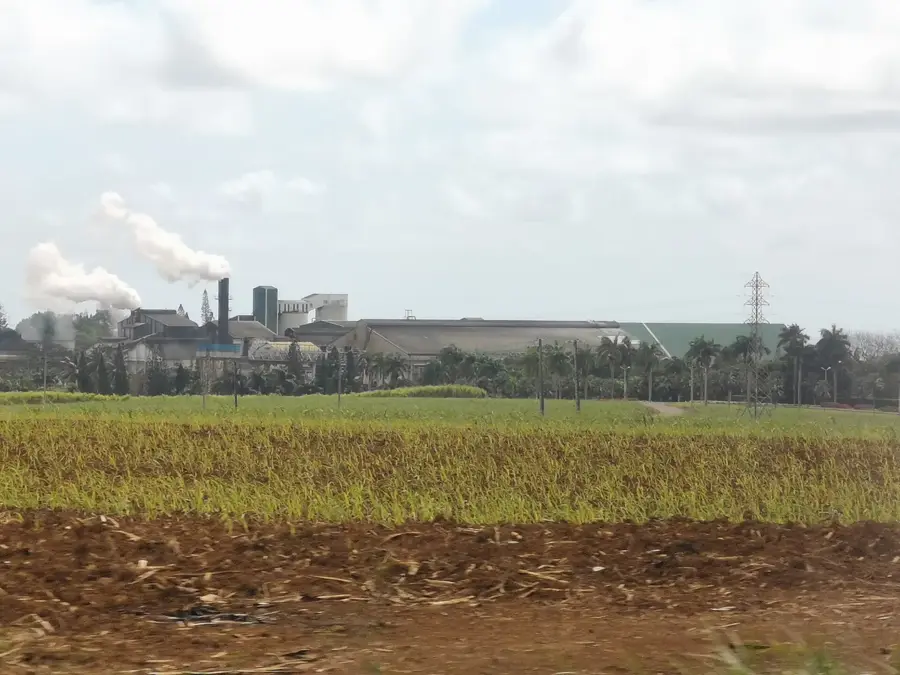
Flacq Sugar Cane Fields
Weather…
Water temperature…
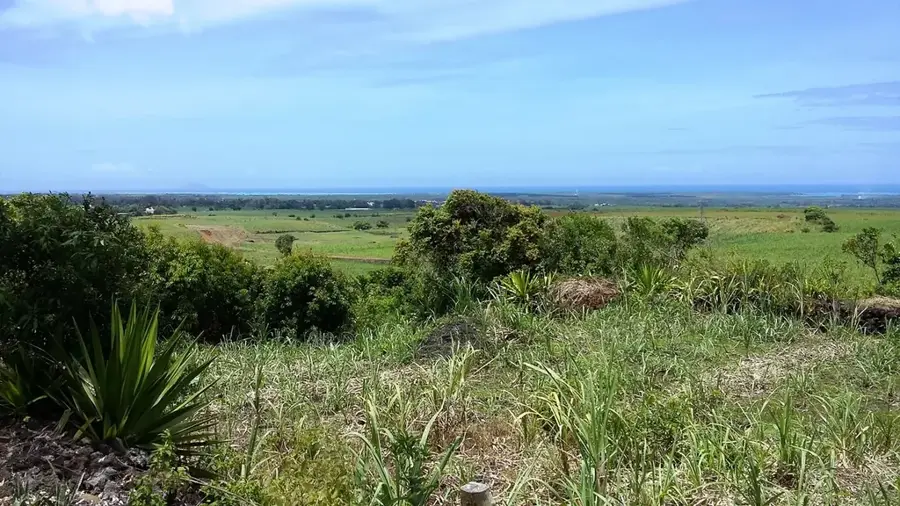
The sugar cane fields of Flacq in eastern Mauritius represent the heart of the nation's agricultural identity. As the largest district on the island, Flacq hosts some of the most extensive contiguous plantation areas. Historically, the sugar industry has been the backbone of the Mauritian economy since the 18th century, with Flacq playing a pivotal role due to its fertile plains. The landscape is characterized by endless green fields that come alive during the harvest season from June to December. This region is also home to several historically significant sugar mills, many of which have transitioned into modern processing centers or power plants that utilize bagasse for energy production. The sugar cane culture fundamentally shaped the island's demographics through the migration of indentured laborers from India. Exploring these fields gives a profound insight into Mauritius' colonial history and its ongoing industrial transformation.
- Location: Mauritius
- Nearby: Poste de Flacq (5 km)
Best time to visit & climate
The most pleasant time to visit is Jul–Sep.
| Jan | Feb | Mar | Apr | May | Jun | Jul | Aug | Sep | Oct | Nov | Dec | |
|---|---|---|---|---|---|---|---|---|---|---|---|---|
| Avg °C | 27 | 28 | 27 | 27 | 25 | 24 | 23 | 23 | 23 | 24 | 25 | 26 |
| Rain mm | 128 | 116 | 122 | 67 | 41 | 29 | 26 | 21 | 24 | 29 | 29 | 44 |
📋 Practical info
Geography
Facts
- Flacq is the largest district by area in Mauritius
- Sugarcane remains a primary agricultural export for the nation
- The harvest season runs annually from June to December
- Byproducts like bagasse are used for renewable electricity
- The district features the island's most fertile volcanic plains
- The industry led to the diverse ethnic makeup of the region
Explore nearby
Notable places around

Route planner — Car & Motorhome
Where do you start? We build the route here, with stops and country notes along the way.
© OpenStreetMap contributors · OpenRouteService
Sights in the town Flacq Sugar Cane Fields (1)
Sights nearby
Frequently asked questions
Why are sugar cane fields so important for Mauritius?
Can you just enter the fields?
Is it safe to hike along the fields?
When is the sugar cane harvested?
Can I watch the harvest?
Flacq Sugar Cane Fields: where is it located?
Flacq Sugar Cane Fields: when is the best time to visit?
Flacq Sugar Cane Fields: why is it worth visiting?

Nearby cities

History & landmarks
Nature

More places