Plizio Visual Lab
Ménaka
ℹ️Practical info — Ménaka
▾
🌤 Weather — 5 days
📍 Nearby
Sights nearby
💡 Tips
- Visit the weekly market on Thursday to see nomads from across the desert trading livestock and crafts.
- Always use your right hand for greetings and transactions, as the left hand is considered unclean.
- Head to the Ader Douchi hills at the edge of town for a dramatic view of the rocky Sahelian landscape.
- Dress modestly and cover your shoulders and legs to respect local Islamic and Tuareg customs.
- Be prepared for long greetings; it is polite to ask about family and health before getting to business.
🍽 Food
Available in small eateries near the livestock market; camel meat is a prized local delicacy prepared with onions.
Served in three rounds; never refuse it, as it is a core part of desert hospitality and social life.
Spicy, sun-dried strips of beef that are durable and popular as a travel snack in the region.
🛍 Shopping · 🧘 Quiet spots
Look for pendants inscribed with Tifinagh characters, handcrafted by local smiths in the town center.
Decorated goat-leather bags and saddles are a specialty of the craftsmen in the Ménaka region.
Found at the market, these hand-mixed resins are used in clay burners to scent homes.
Dramatic rocks on the outskirts providing a quiet spot with vast views over the desert plains.
The rocky slopes are excellent for a quiet moment away from the bustle of the weekly market.
The area around the traditional mud-brick mosque is very peaceful outside of prayer times.
Water temperature…
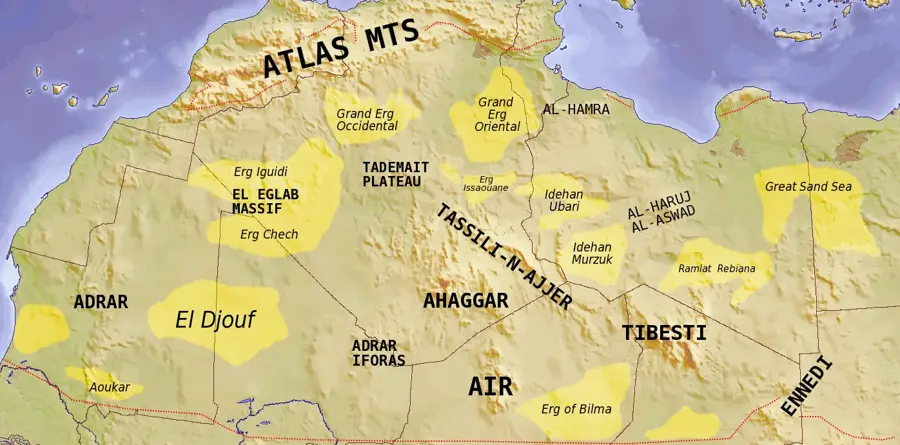
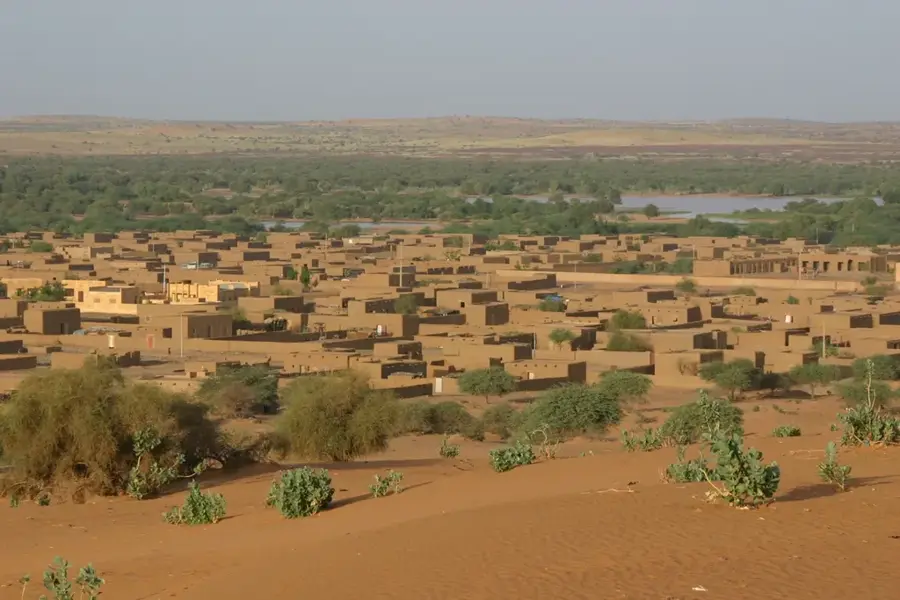
Ménaka is the administrative center of the eponymous region in eastern Mali, situated within the strategic Azawagh basin. The town is located near the border with Niger and serves as a crucial hub for the region's nomadic communities, particularly the Tuareg people. Historically, Ménaka was a significant post during the colonial era, established as a French military base in 1909. In Mali's modern history, the town has played a central role in regional conflicts and was elevated to the capital of an independent region in 2016 to strengthen local governance. The economy is primarily based on livestock farming, with the local market acting as a major trading hub for camels, sheep, and goats. Geographically, the surroundings are characterized by sandy plains and seasonal watercourses, which are essential for the pastoral lifestyle of the inhabitants.
- Location: Mali
- Top sights: Second Battle of Ménaka · Fall of Andéramboukane · Tin-Hama ambush
- Population: ~14.085 (2026)
Best time to visit & climate
The most pleasant time to visit is Jan, Feb, Dec.
| Jan | Feb | Mar | Apr | May | Jun | Jul | Aug | Sep | Oct | Nov | Dec | |
|---|---|---|---|---|---|---|---|---|---|---|---|---|
| Avg °C | 21 | 25 | 29 | 33 | 36 | 35 | 33 | 30 | 31 | 30 | 27 | 23 |
| Rain mm | 0 | 0 | 0 | 2 | 6 | 27 | 76 | 124 | 40 | 6 | 0 | 0 |
Geography
Facts
- Capital of the Ménaka Region since 2016
- Founded as a military post in 1909
- Located within the geological Azawagh Basin
- Major trading hub for Tuareg livestock herders
- Distance to Gao is approximately 300 kilometers
- Center for artisanal leather craftsmanship
Route planner — Car & Motorhome
Where do you start? We build the route here, with stops and country notes along the way.
© OpenStreetMap contributors · OpenRouteService
Sights in the town Ménaka (3)
Frequently asked questions
What kind of region is Ménaka?
How long does a stay last?
When is the best time for visiting?
Is it touristy?
What should you keep in mind when traveling?
Ménaka: where is it located?
Ménaka: what is there to see?
Ménaka: when is the best time to visit?
Ménaka: why is it worth visiting?