Plizio Visual Lab
Russian Monument
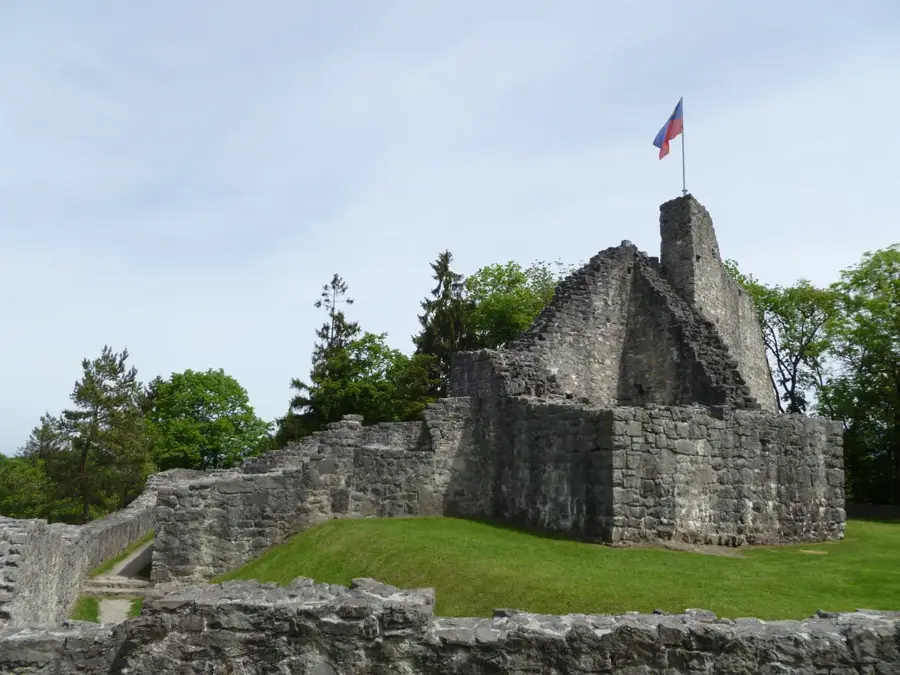
The Russian Monument in Hinterschellenberg is a unique historical memorial commemorating a dramatic event at the end of World War II. On the night of May 3, 1945, approximately 500 soldiers of the 1st Russian National Army of the German Wehrmacht, under Major General Boris Holmston-Smyslowsky, crossed the Liechtenstein border to seek asylum. Liechtenstein, which had maintained its neutrality throughout the war, granted the soldiers protection and later refused to extradite them despite Soviet pressure. The monument was erected in 1980 to remember this gesture of humanity and the steadfastness of the small principality. It consists of a simple stone stele with an inscription in both German and Russian. The location near the border crossing underscores the historical significance of the site. The story of the Russian soldiers in Liechtenstein is a rare example of humanitarian aid during a time of global conflict. Today, the monument attracts visitors interested in contemporary history and the role of small neutral states in the 20th century. It stands as a symbol of sovereignty and the upholding of universal human rights during difficult times.
- Location: Liechtenstein
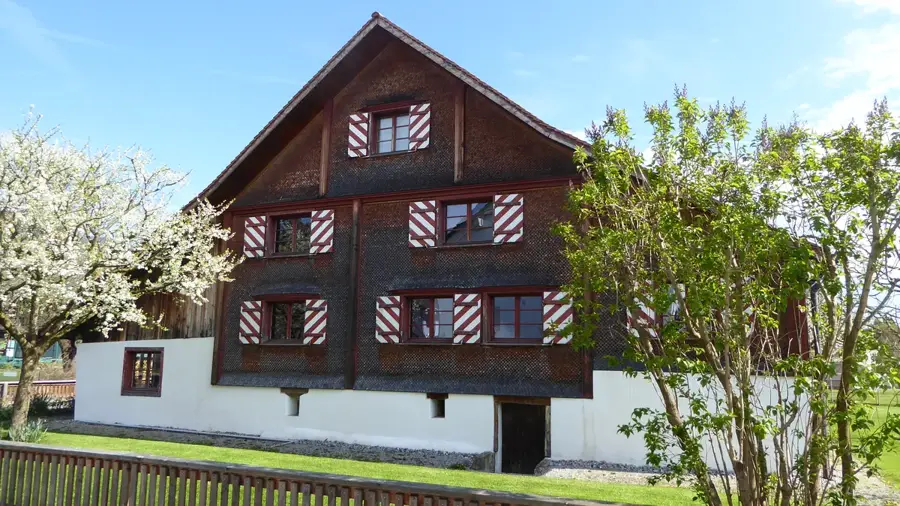
- Top sights: Ruine Neu-Schellenberg · Biedermannhaus · Ruine Alt-Schellenberg
- Nearby: Nendeln (4 km)
Best time to visit & climate
The most pleasant time to visit is Jul–Sep.
| Jan | Feb | Mar | Apr | May | Jun | Jul | Aug | Sep | Oct | Nov | Dec | |
|---|---|---|---|---|---|---|---|---|---|---|---|---|
| Avg °C | -6 | -5 | -1 | 4 | 8 | 13 | 14 | 14 | 10 | 6 | 0 | -4 |
| Rain mm | 92 | 70 | 91 | 93 | 147 | 173 | 169 | 185 | 121 | 103 | 91 | 93 |
📋 Practical info
Geography
Facts
- Commemorates the asylum request of 500 Russian soldiers in May 1945.
- The soldiers were under the command of General Boris Holmston-Smyslowsky.
- Liechtenstein refused to extradite the soldiers despite Soviet pressure.
- The monument was officially inaugurated in Hinterschellenberg in 1980.
- The inscription on the stele is written in both German and Russian.
- A significant symbol of Liechtenstein's neutrality and humanitarian aid.
Explore nearby
Notable places around


Route planner — Car & Motorhome
Where do you start? We build the route here, with stops and country notes along the way.
© OpenStreetMap contributors · OpenRouteService
Sights in the town Russian Monument (10)
Eschnerberg
Mountain ridge in Liechtenstein and Vorarlberg.
Sankt Michael
Parish church with cemetery in Tisis, Austria.
Naturschutzgebiet Wisanels
Nature reserve in Liechtenstein.
Naturschutzgebiet Birka
Nature reserve in Liechtenstein.
Vogelparadies Birka
Bird park at Birkahof in Mauren, Liechtenstein, at the edge of the Birka nature reserve.
Neue Pfarrkirche Hl. Cornelius und Cyprian
Parish church with cemetery in Feldkirch, Austria.
Sights nearby
Frequently asked questions
What does the Russian Monument in Schellenberg commemorate?
Where exactly is the monument located?
Is the entrance free?
How much time should I plan for the visit?
Are there information boards on site?
Russian Monument: where is it located?
Russian Monument: what is there to see?
Russian Monument: when is the best time to visit?
Russian Monument: why is it worth visiting?

History & landmarks
More places