Plizio Visual Lab
Alpine Rhine
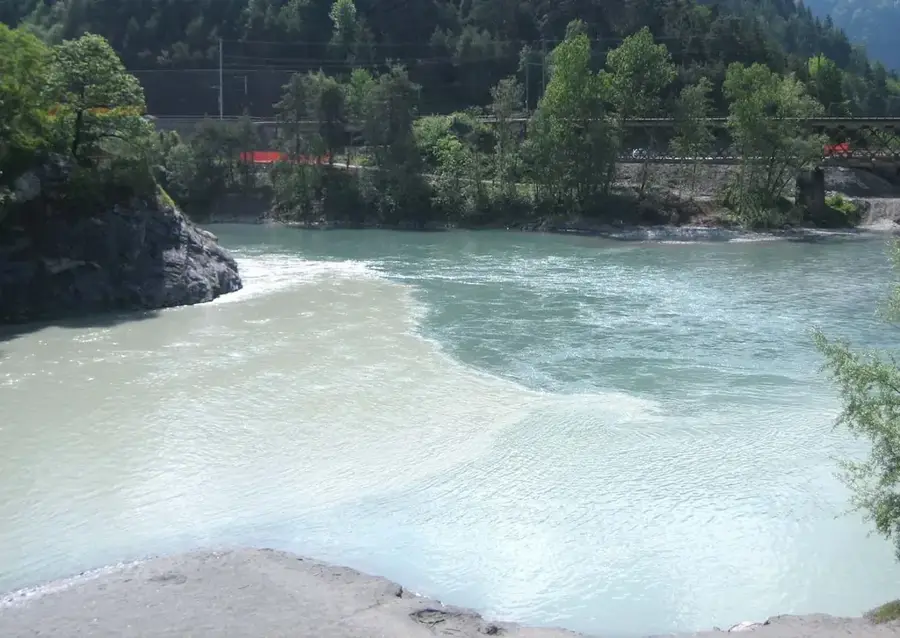
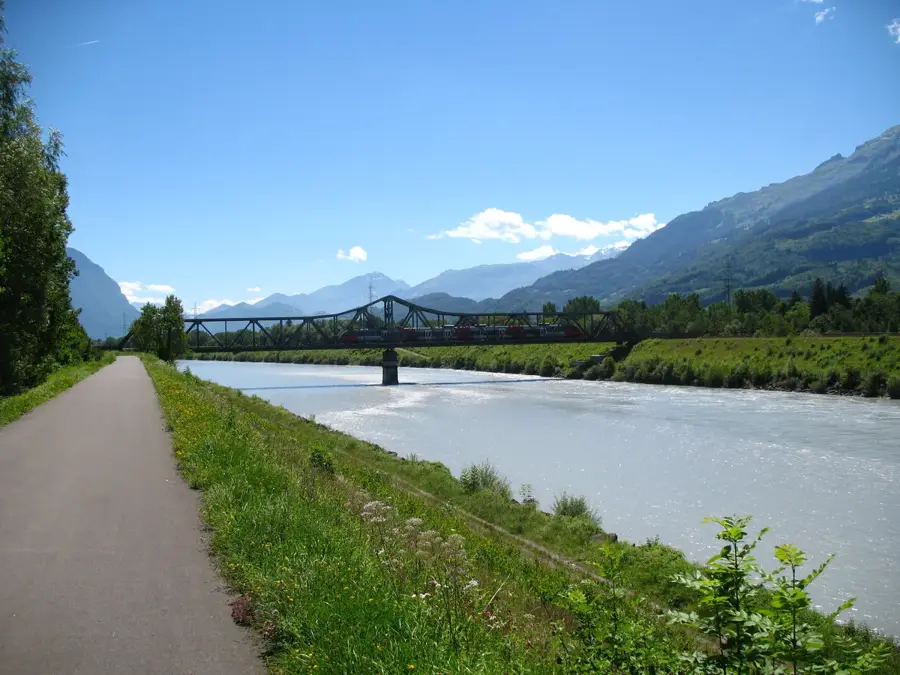
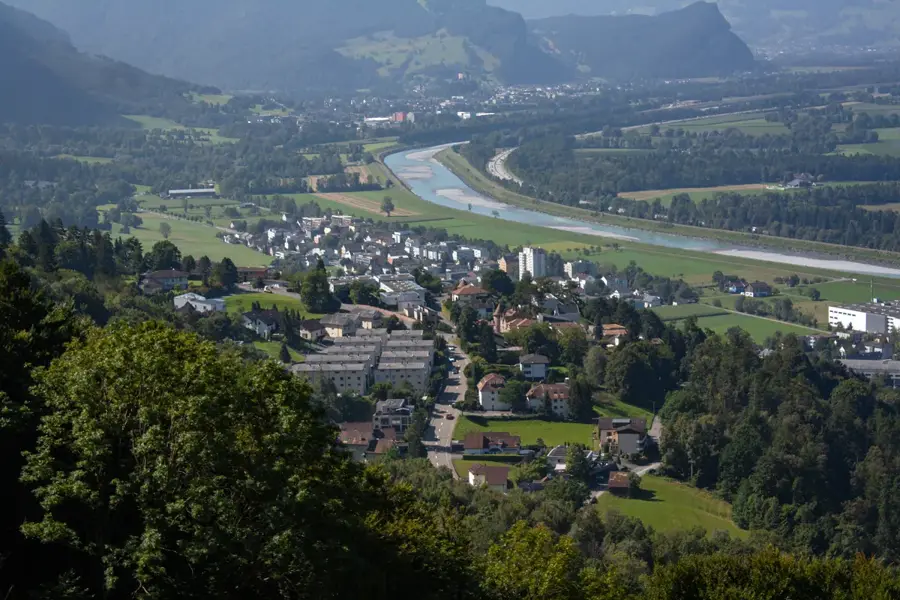
The Alpine Rhine forms the western national border between the Principality of Liechtenstein and Switzerland over a distance of approximately 27 kilometers. It is the vital main artery of the Rhine Valley and significantly shapes the geography and history of the country. Historically, the river was notorious for its devastating floods, which led to extensive regulation work in the 19th and 20th centuries and the construction of stable protective embankments known as 'Wuhren.' Today, the Rhine is a channel enclosed by dikes on both sides, though ecological enhancement projects aim to gradually renature its course. It serves as an important groundwater reservoir, and its dikes provide popular routes for cycling and hiking. Several bridges, including the historic wooden bridge between Sevelen and Vaduz, connect Liechtenstein with neighboring Swiss municipalities. The river is also a significant corridor for migratory birds and a central element in the regional flood protection strategy.
- Location: Liechtenstein
- Top sights: Lokomotive Tigerli · Greifvogelpark Buchs · fabriggli - Werdenberger Kleintheater
- Nearby: Wes (4 km)
Best time to visit & climate
The most pleasant time to visit is Jul–Sep.
| Jan | Feb | Mar | Apr | May | Jun | Jul | Aug | Sep | Oct | Nov | Dec | |
|---|---|---|---|---|---|---|---|---|---|---|---|---|
| Avg °C | -6 | -5 | -1 | 4 | 8 | 13 | 14 | 14 | 10 | 6 | 0 | -4 |
| Rain mm | 92 | 70 | 91 | 93 | 147 | 173 | 169 | 185 | 121 | 103 | 91 | 93 |
📋 Practical info
Geography
Facts
- Forms 27 km of Liechtenstein's western border
- Regulated with dikes since the 19th century
- Most important drainage system in the country
- Location of the historic wooden bridge Vaduz-Sevelen
- Part of the international Rhine catchment area
- Significant groundwater reservoir for the region
Explore nearby
Notable places around
Route planner — Car & Motorhome
Where do you start? We build the route here, with stops and country notes along the way.
© OpenStreetMap contributors · OpenRouteService
Sights in the town Alpine Rhine (10)
Greifvogelpark Buchs
Greifvogelpark Buchs displays birds of prey and owls in aviaries.
Rietli
Rietli is a nature reserve in Buchs.
Museümli🏛 museum
Museümli in Buchs holds four exhibitions per year, on Saturdays.
Landweibelhäuser🏛 museum
Landweibelhäuser in Buchs, historic buildings housing a museum.
Evangelische Kirchengemeinde Buchs
Church building in Buchs, Switzerland.
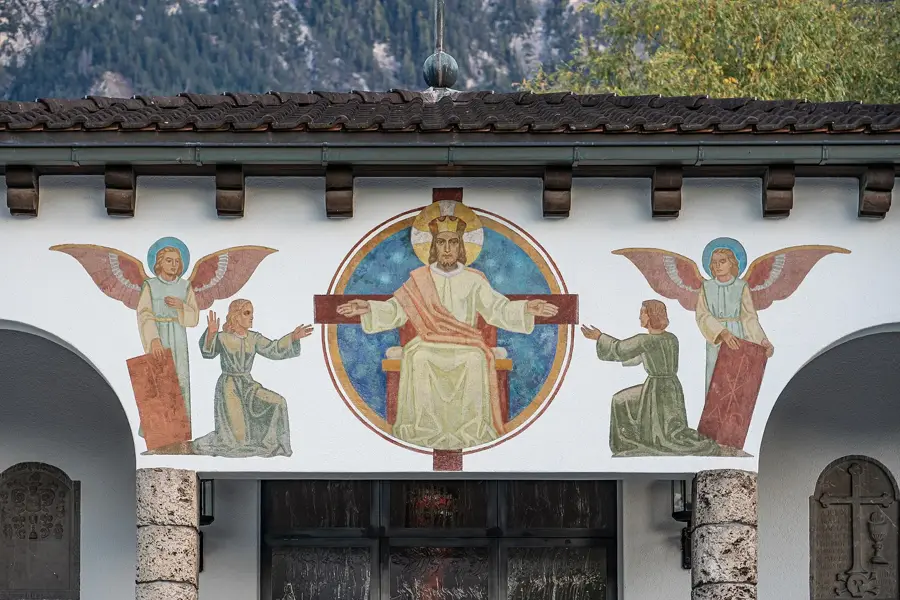
St. Peter
Chapel building in Schaan, Liechtenstein.
domus - Gallery and Museum🏛 museum
domus is a museum of cultural history in Buchs.
Sights nearby
Frequently asked questions
What role does the Rhine play for Liechtenstein?
Can you go cycling along the Rhine?
Is swimming allowed in the Rhine?
Are there bridges for pedestrians?
Are dogs allowed on the Rhine embankment?
Alpine Rhine: where is it located?
Alpine Rhine: what is there to see?
Alpine Rhine: when is the best time to visit?
Alpine Rhine: why is it worth visiting?

Nature
More places