Plizio Visual Lab
Jebel Nafusa Olive Groves
Weather…
Water temperature…
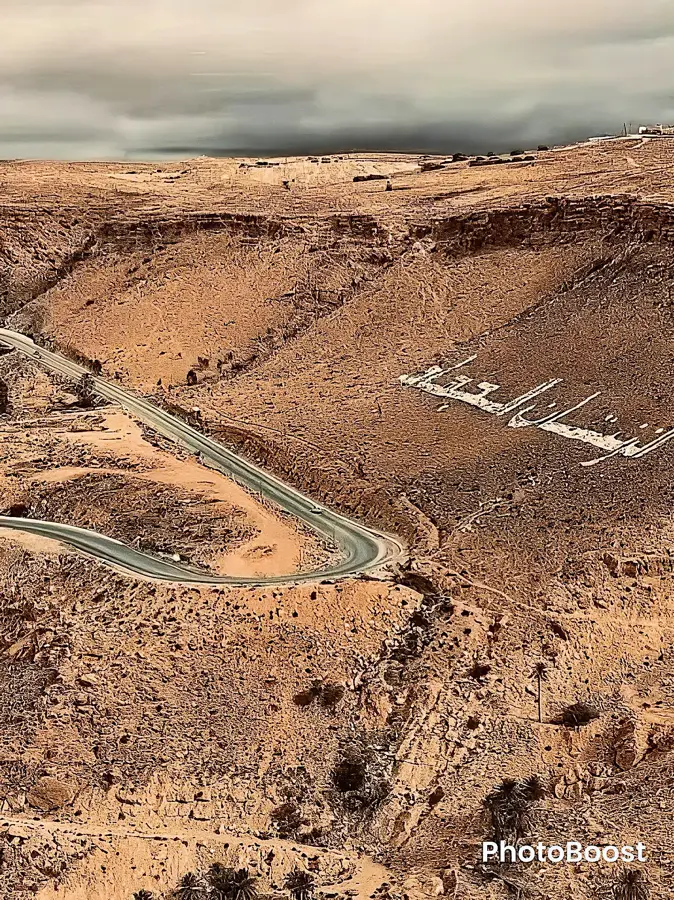
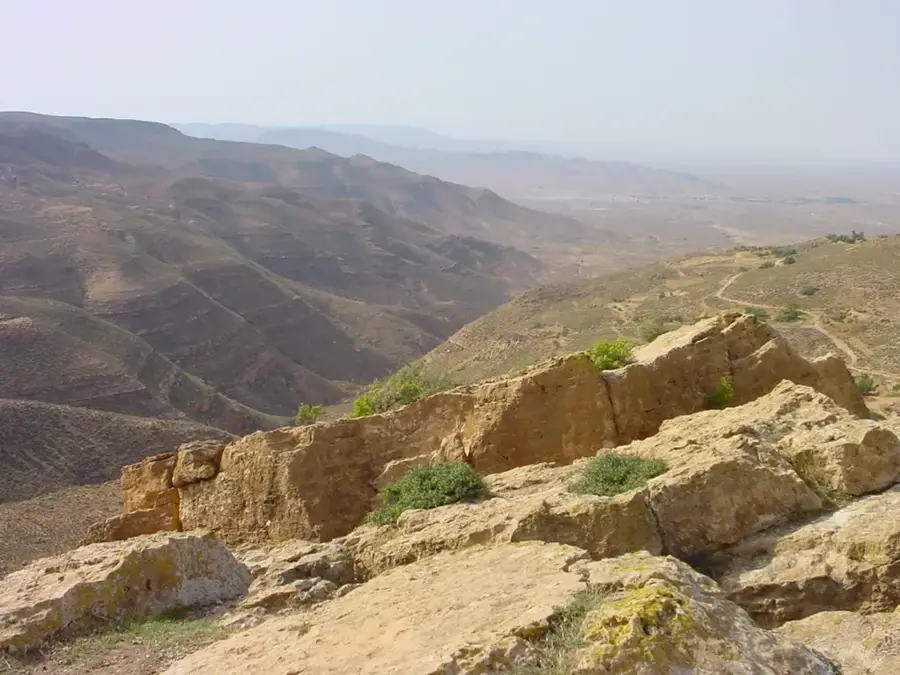
The Jebel Nafusa mountain range in northwestern Libya has been a vital center for olive cultivation and Berber culture for thousands of years. The region's terraced slopes are home to millions of olive trees, with some specimens estimated to be over a millennium old. Traditional olive oil extraction is often still performed using historical stone mills, which ensures the exceptional purity and quality of the final product. This agricultural practice is deeply rooted in the local identity and has sustained the livelihoods of resident communities for generations. Despite the semi-arid climate, the elevation of up to 960 meters creates a unique microclimate that favors cultivation without heavy reliance on artificial irrigation. The olive groves also serve as a natural defense against soil erosion on the steep limestone hillsides. Today, the region remains a significant producer for the Libyan domestic market while preserving ancient farming techniques that trace back to the Roman era.
- Location: Libya
- Nearby: Zintan (28 km)
Best time to visit & climate
The most pleasant time to visit is Apr, May, Oct.
| Jan | Feb | Mar | Apr | May | Jun | Jul | Aug | Sep | Oct | Nov | Dec | |
|---|---|---|---|---|---|---|---|---|---|---|---|---|
| Avg °C | 10 | 11 | 15 | 19 | 24 | 28 | 30 | 30 | 27 | 22 | 16 | 11 |
| Rain mm | 23 | 32 | 21 | 7 | 5 | 2 | 0 | 1 | 14 | 22 | 22 | 33 |
📋 Practical info
Geography
Facts
- Home to olive trees over 1000 years old
- Peak elevation reaches 960 meters above sea level
- Traditional stone mills are used for oil extraction
- Major center for indigenous Berber agriculture
- Terracing provides natural protection against erosion
- Agricultural roots extend back to Roman antiquity
Explore nearby
Notable places around

Route planner — Car & Motorhome
Where do you start? We build the route here, with stops and country notes along the way.
© OpenStreetMap contributors · OpenRouteService
Sights nearby
Frequently asked questions
What is primarily grown in the Djebel Nafusa olive groves?
When is the best time to visit the groves?
Can you buy local olive oil directly on-site?
Is the area accessible to tourists?
What is the significance of olive farming for the Djebel Nafusa region?
Jebel Nafusa Olive Groves: where is it located?
Jebel Nafusa Olive Groves: when is the best time to visit?
Jebel Nafusa Olive Groves: why is it worth visiting?

Nearby cities