Plizio Visual Lab

Sannai-Maruyama Site

Plizio editorial teamData Sources
ruin
—°4
Sannai-Maruyama Site (Japan)

Weather…

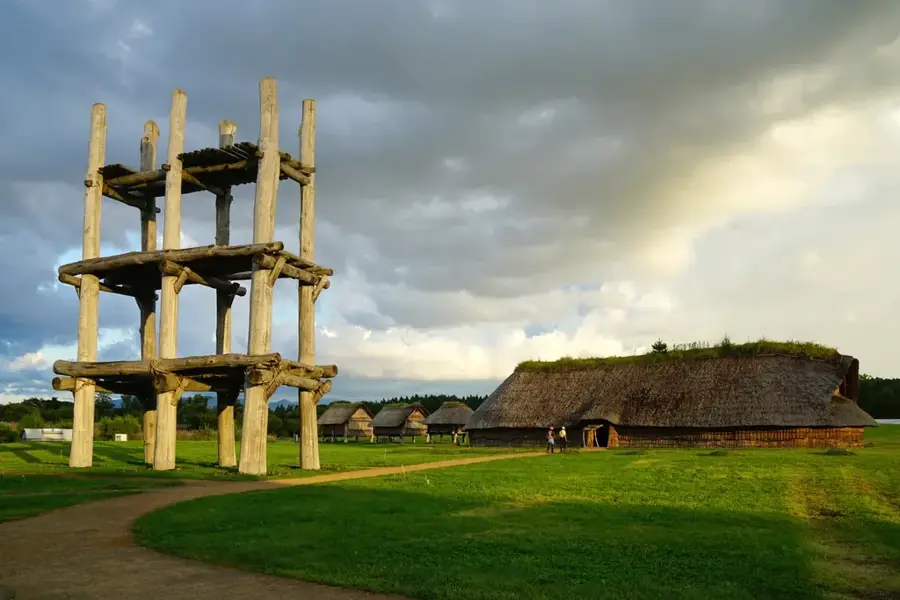
The Sannai-Maruyama Site in Aomori Prefecture is one of Japan's largest and most exceptionally preserved settlements from the Jomon period. It was inhabited continuously for approximately 1,500 years, from about 3900 BC to 2200 BC. Excavations that began in 1992 during the construction of a baseball stadium revealed a highly organized community with longhouses, pit dwellings, storehouses, and burial sites. A standout feature is the reconstruction of a massive six-pillared wooden structure, believed to have served ritual purposes or as a watchtower. Finds of jade from distant regions and obsidian indicate a complex trade network extending across the sea to Hokkaido. These discoveries revolutionized the understanding of Jomon culture, proving that the people of that era were more sedentary and socially advanced than previously assumed. In 2021, the site was inscribed as a UNESCO World Heritage site as part of the 'Jomon Prehistoric Sites in Northern Japan'.

Best time to visit & climate

The most pleasant time to visit is Jun, Jul, Sep.

JanFebMarAprMayJunJulAugSepOctNovDec
Avg °C-1-12713172123201471
Rain mm1148785848989147161142129139146

📋 Practical info

🚪
Visiting
The site is fully open to the public and has both indoor exhibition spaces and an extensive outdoor area with reconstructed Jōmon-period structures. Visitors can enter some of the reconstructed dwellings to experience prehistoric life firsthand.
🕒
Typical hours
Typically open during regular daytime hours, usually from morning until late afternoon, with slightly extended hours during the summer peak season. It is advisable to check for occasional closure days, especially around the New Year holidays.
📷
Photography
Photography is generally encouraged throughout the outdoor settlement and in most museum areas, making it great for capturing the impressive reconstructed structures. Tripods might be restricted inside the museum exhibitions to prevent blocking pathways.
⏱️
Time needed
You should plan for at least two to three hours to fully explore both the comprehensive museum exhibits and the vast outdoor archaeological grounds. History enthusiasts might easily spend half a day absorbing the detailed Jōmon period history.
Combine with
A visit here pairs excellently with the nearby Aomori Museum of Art, which is located just a short walk away. You can also combine it with a trip to the Nebuta Museum Wa Rasse in central Aomori city to learn about local culture.
🧭
Getting there
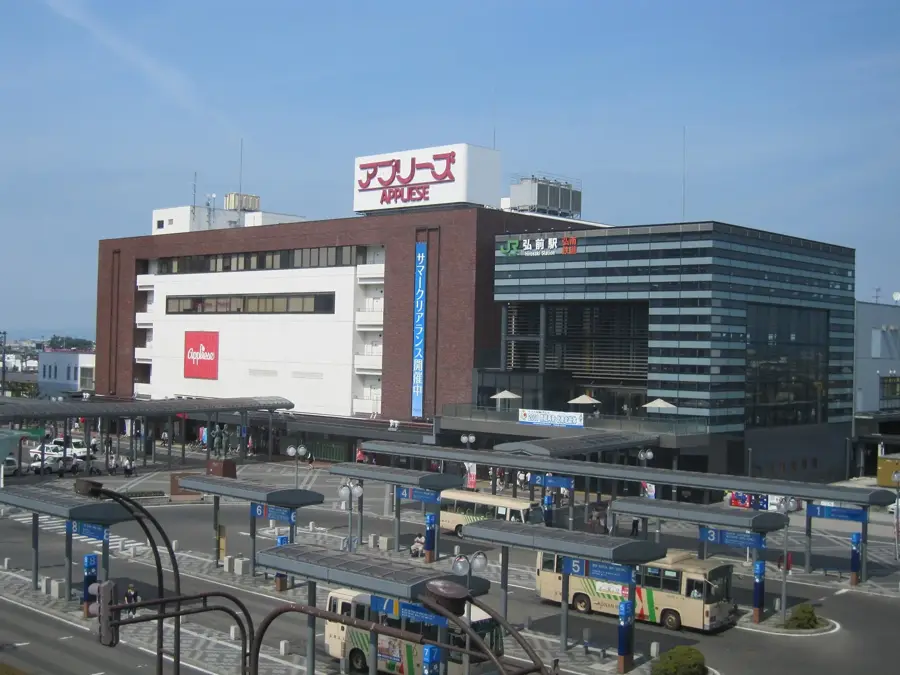
The site is easily accessible by a direct shuttle bus or local bus routes departing from Aomori Station, taking approximately twenty minutes. Driving is also convenient, with ample parking available for visitors traveling by rental car.
💡
Insider tip
Take advantage of the free volunteer guided tours if they are available, as they provide invaluable context that brings the ancient ruins to life. Also, consider trying the Jōmon-inspired snacks offered at the on-site cafeteria for a unique culinary experience.

Geography

Coordinates
40.81100, 140.69700

Facts

  • The settlement dates from 3900 BC to 2200 BC.
  • More than 800 pit dwellings have been discovered at the site.
  • The six-pillared structure features posts 2 meters in diameter.
  • Over 2,000 pottery vessels and stone tools were excavated.
  • The site was designated a UNESCO World Heritage site in 2021.
  • Evidence of cultivated chestnut trees was found at the location.

Explore nearby

Notable places around

Route planner — Car & Motorhome

Where do you start? We build the route here, with stops and country notes along the way.

Vehicle
Only stops with (optional):

© OpenStreetMap contributors · OpenRouteService

Sights in the town Sannai-Maruyama Site (4)

Aomori Prefectural Museum🏛 museum

A modern art museum with distinctive architecture located adjacent to the prehistoric Sannai Maruyama site.


🕒 Mo-Su 09:30-17:00

Sanmaru Museum🏛 museum

A specialized museum displaying a rich collection of artifacts excavated from the prehistoric Jomon settlement.

Site of a Large Pit Dwelling🏺 historical

The archaeological site of a massive prehistoric pit dwelling, reconstructed to its original scale.

Remains Large Pillar-Supported Building🏺 historical

The foundations of a monumental six-pillared building, a landmark of the prehistoric Sannai Maruyama settlement.

Sights nearby

Frequently asked questions

What is special about this excavation site?
It is one of Japan's largest and best-preserved Jōmon period settlements.
Are there reconstructed buildings there?
Yes, including a huge six-pillared wooden structure and pit dwellings.
Do you have to pay for admission?
Yes, admission is approximately 410 yen for adults.
Where is the site located?
It is located in Aomori City, in the northern part of Honshu island.
Can children participate in activities?
Yes, there are workshops for making Jōmon-style pottery and jewelry.
Sannai-Maruyama Site: where is it located?
Sannai-Maruyama Site is located in Japan.
Sannai-Maruyama Site: what is there to see?
Highlights include Aomori Prefectural Museum, Sanmaru Museum, Site of a Large Pit Dwelling.
Sannai-Maruyama Site: when is the best time to visit?
The most pleasant time to visit is Jun, Jul, Sep.
Sannai-Maruyama Site: why is it worth visiting?
The Sannai-Maruyama Site in Aomori Prefecture is one of Japan's largest and most exceptionally preserved settlements from the Jomon period.
View on map → The Top 50 Attractions → OpenStreetMap →
Asia
Explore with Plizio Discover more places in Asia
More places in Japan →

Nearby cities

History & landmarks

Nature