Plizio Visual Lab
Aomori
ℹ️Practical info — Aomori
▾
🌤 Weather — 5 days
📍 Nearby
Sights nearby
💡 Tips
- Winters bring heavy snowfall; wear sturdy, slip-resistant boots if visiting then.
- You can see the famous Nebuta Matsuri floats year-round at the Nebuta Museum WA-RASSE.
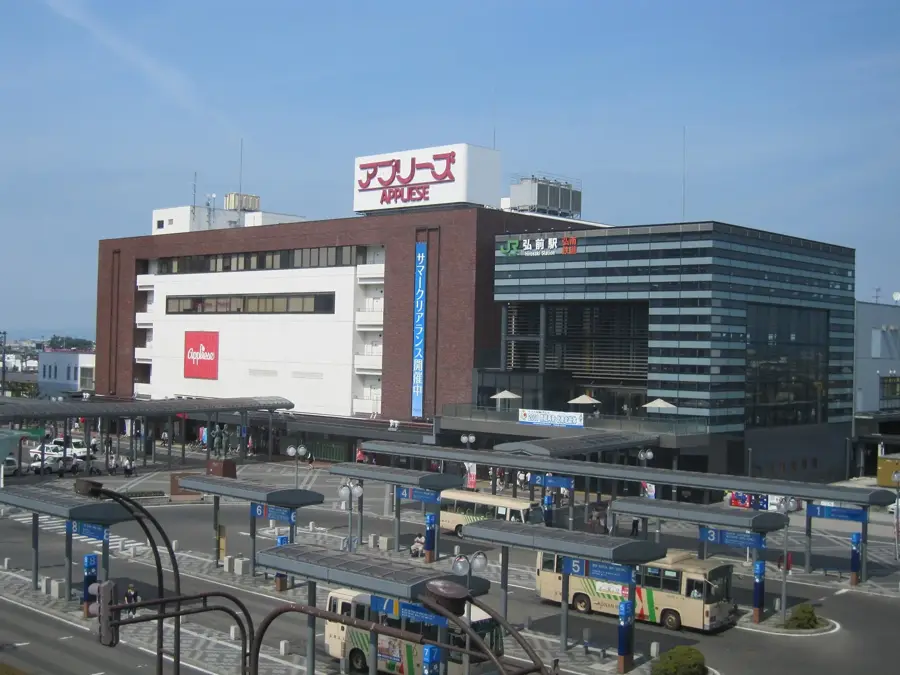
- Base yourself near Aomori Station, as most main attractions are within walking distance.
- Try the local apples; Aomori is famous nationwide for its apple production.
🍽 Food
At Furukawa Fish Market, where you buy tickets and build your own bowl.
At specialized ramen shops near Aomori Station.
In the cafes and shops inside the waterfront A-Factory.
🛍 Shopping · 🧘 Quiet spots
A waterfront market selling local apple ciders and souvenirs.
The large triangular building offering regional crafts and foods.
Home to the Showa Daibutsu, a peaceful retreat just outside the center.
A seaside park that is first-rate for a calm stroll or viewing cherry blossoms.
Water temperature…
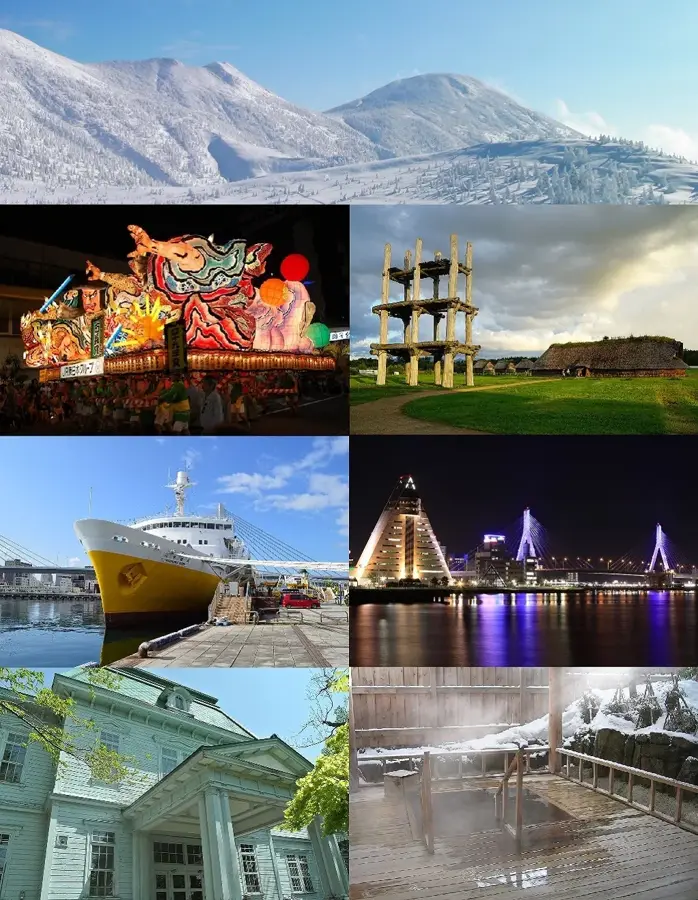
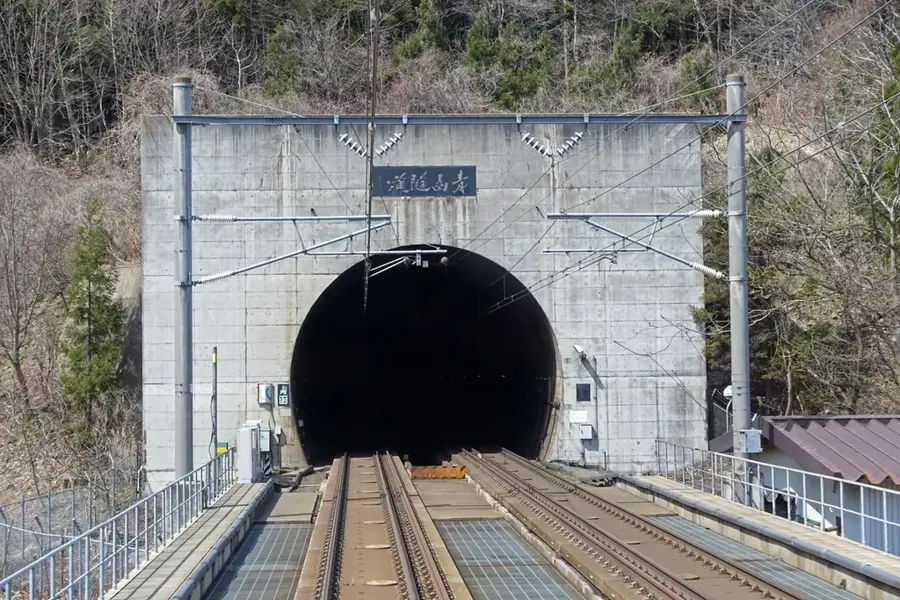
Aomori City, perched at the northernmost tip of Honshu on the shores of Mutsu Bay, is a vital port city and a bastion of traditional Japanese culture. As the capital of Aomori Prefecture, it serves as the primary gateway to the island of Hokkaido, linked by the Seikan Tunnel, a marvel of modern engineering. The city’s name, meaning 'Blue Forest,' is a testament to the verdant mountains that frame its urban landscape. Aomori’s history is ancient, anchored by the Sannai-Maruyama archaeological site, where visitors can explore a massive prehistoric settlement from the Jomon period dating back over 5,000 years. Today, Aomori is synonymous with high-quality agriculture, specifically its world-famous apples, which represent a significant portion of Japan's domestic production and international exports. The city is also a seafood powerhouse, with its markets teeming with fresh scallops and tuna from the surrounding cold waters. The cultural heartbeat of the city is the Nebuta Festival in August, an awe-inspiring parade of massive, hand-painted lanterns depicting legendary warriors and deities, which illuminate the night and draw millions of visitors. Aomori is also famous for its extreme weather; it is frequently ranked as the snowiest city in the world, with heavy winter snowfall transforming it into a white wonderland and driving a unique local culture of resilience. Key landmarks include the ASPAM building, which provides panoramic views of the bay, and the Hakkoda Mountains, which provide an impressive backdrop for outdoor enthusiasts. Aomori combines its maritime heritage, archaeological significance, and seasonal spectacles to offer one of the most distinctive travel experiences in Northern Japan.
- Location: Japan
- Top sights: Map of historical roads in Aomori Prefecture · Mitomi Hamao's poetry monument · Aomori Prefectural Museum)
- Nearby: Sotogahama (22 km)
- Population: ~298.394 (2017)
Best time to visit & climate
The most pleasant time to visit is Jun, Jul, Sep.
| Jan | Feb | Mar | Apr | May | Jun | Jul | Aug | Sep | Oct | Nov | Dec | |
|---|---|---|---|---|---|---|---|---|---|---|---|---|
| Avg °C | -1 | -1 | 2 | 7 | 13 | 17 | 21 | 23 | 20 | 14 | 7 | 1 |
| Rain mm | 114 | 87 | 85 | 84 | 89 | 89 | 147 | 161 | 142 | 129 | 139 | 146 |
Live webcam – Aomori
See what it looks like near Aomori right now.
Aomori › South: Sakuragawa - Komagome River · 2.7 km · Open webcam on Windy · Webcams provided by Windy.com
Geography
Facts
- Snowfall Record: Aomori is often cited as the world's snowiest major city.
- Apple Capital: The city holds an annual 'Apple Festival' to celebrate the harvest.
- Seikan Tunnel: It is the deepest rail tunnel in the world, 240m below sea level.
- Nebuta Floats: The lanterns can be up to 9 meters wide and 5 meters tall.
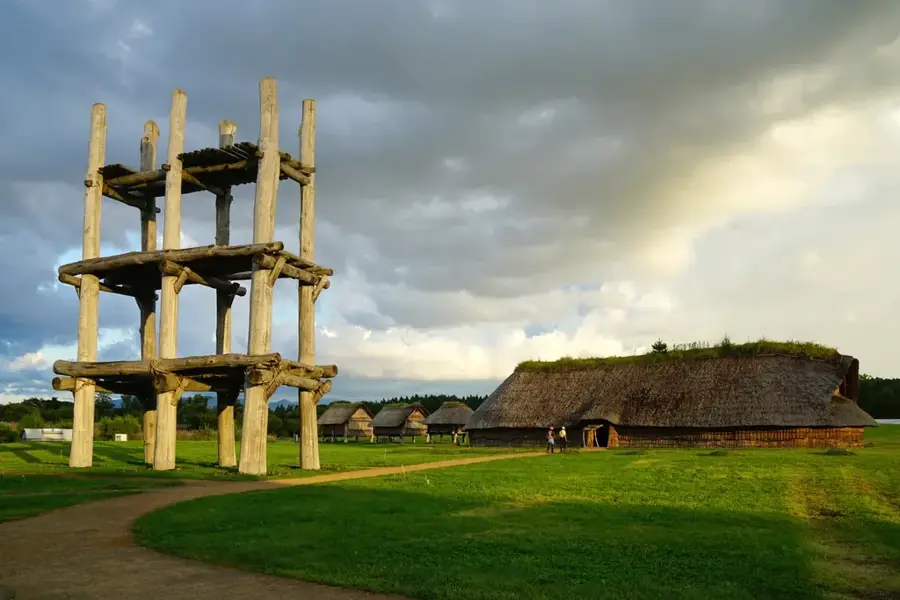
- Sannai-Maruyama: This site includes a reconstructed six-pillared tower.
- ASPAM: The building represents the shape of the letter 'A' for Aomori.
- Hakkoda Mountains: Famous for 'Snow Monsters' (frost-covered trees) in winter.
- Population: Current estimates place the population at roughly 275,000.
Explore nearby
Notable places around
Route planner — Car & Motorhome
Where do you start? We build the route here, with stops and country notes along the way.
© OpenStreetMap contributors · OpenRouteService
Sights in the town Aomori (15)
Frequently asked questions
What is the most famous festival in Aomori?
What should you buy in Aomori?
Which dish is a must for seafood lovers?
How is the weather in winter?
Is there nature in the surroundings?
Aomori: where is it located?
Aomori: what is there to see?
Aomori: when is the best time to visit?
Aomori: why is it worth visiting?

Nearby cities