Jin Ling Zhong Gu Fen
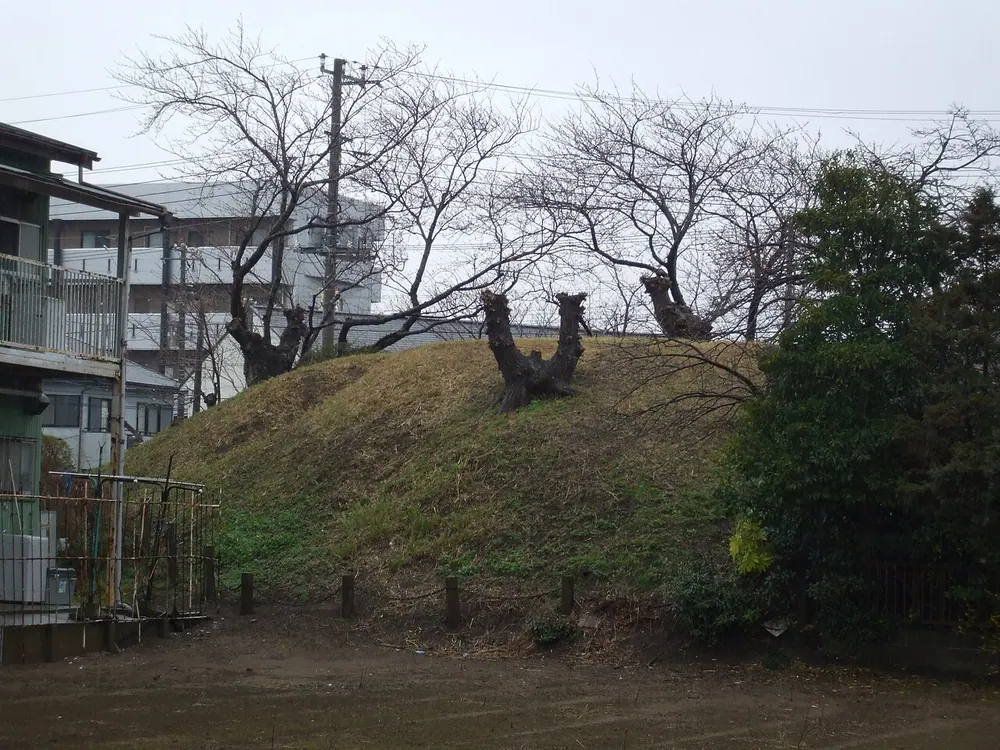
The Kinreizuka Kofun, located in Kisarazu City, Chiba Prefecture, is an important archaeological site dating back to the late Kofun period (around the 6th century). This ancient keyhole-shaped burial mound gained immense historical significance following excavations in 1950, which unearthed an extraordinary collection of artifacts.
The most famous among these discoveries are five exquisite golden bells (kinrei), from which the tomb derives its name. Alongside the bells, archaeologists found richly decorated weapons, armor, and intricate horse trappings, shedding light on the power, wealth, and culture of the regional elites of that era. These findings underscore the high technological level of ancient craftsmanship.
Although the mound itself has been altered over time by urbanization, the historical legacy of the site is meticulously preserved. The remarkable artifacts discovered here are recognized as Important Cultural Properties and are housed in local museums, offering visitors a tangible connection to Japan's ancient past.
Weather…
Practical info
Tips
- Combine your visit with a trip to the local folk museum to see the actual golden bells and artifacts.
- Wear comfortable walking shoes for the journey from the station.
- Respect the site as it is an important historical and cultural monument.
FAQ
What is the Kinreizuka Kofun?
Why is the site famous?
Can you see the golden bells at the mound itself?
How do I get to the mound?
What historical period does the tomb belong to?
Route planner — Car & Motorhome
Where do you start? We build the route here, with stops and country notes along the way.
© OpenStreetMap contributors · OpenRouteService
Attractions nearby
- San Tiao Zhong Gu Fen 10 km
- Qing Mu Gui Zhong Gu Fen 10 km
- Jiu Tiao Zhong Gu Fen 10 km
- Daiba 6 31 km
- Teng Qi Ku Ip Bei Zhong 35 km
- Akasaka Imperial Estate 37 km