Plizio Visual Lab
Kani
ℹ️Practical info — Kani
▾
🌤 Weather — 5 days
📍 Nearby
Sights nearby
💡 Tips
- Motorcycles are the most common way to get around; agree on the fare before hopping on one.
- Market day brings merchants from surrounding villages, making it the best time to see the town's animated culture, but go early to avoid the midday sun.
- Greetings are very important in the local culture; take a moment to say 'Bonjour' and ask how people are doing before asking for directions or buying something.
- French is the official language, but knowing a few words in Dioula will win you many smiles and better bargains.
🍽 Food
Attiéké with fried tuna, the quintessential Ivorian street food, easily found at small stands around the central market.
Look for this spicy slow-cooked chicken or guinea fowl stew in traditional local restaurants (maquis).
Fried plantains, best bought from local women frying them fresh by the roadside in the late afternoon.
🛍 Shopping · 🧘 Quiet spots
Buy fresh chili, ginger, and soumbala (locust bean seasoning) from the central market.
Look for locally dyed pagne (fabric) in the small shops around the town center.
The roads leading out of town quickly become quiet paths bordered by cashew and mango trees.
Typically very peaceful outside of prayer times, offering a glimpse into the town's quiet daily rhythm.
Water temperature…
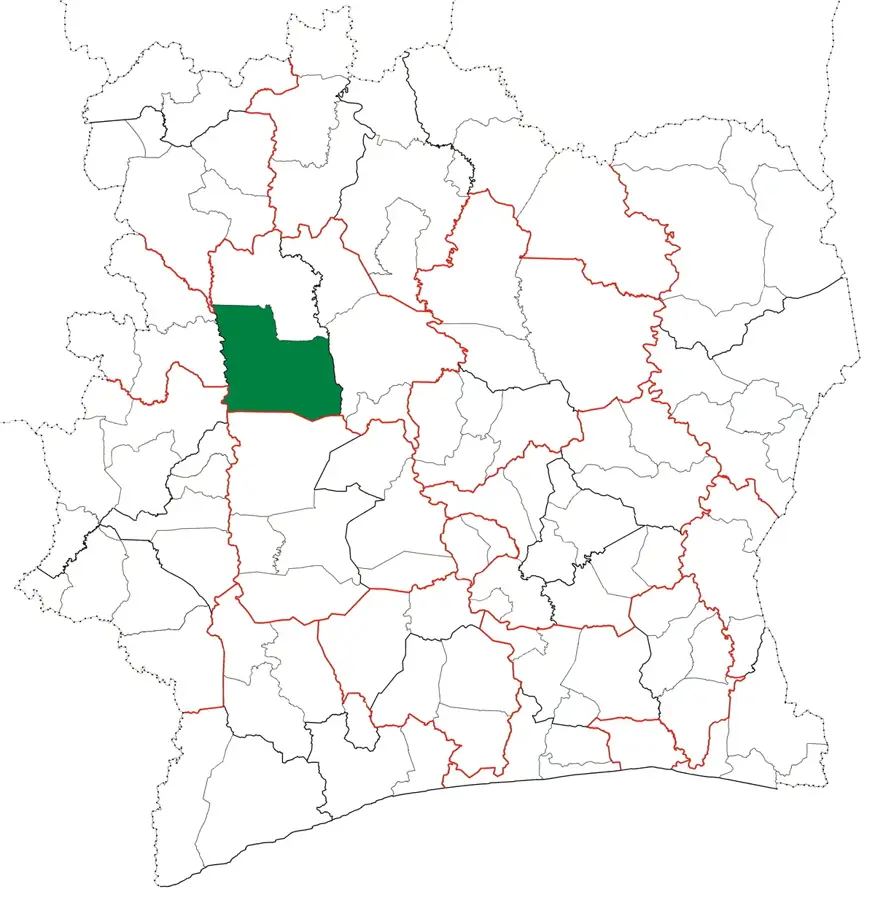
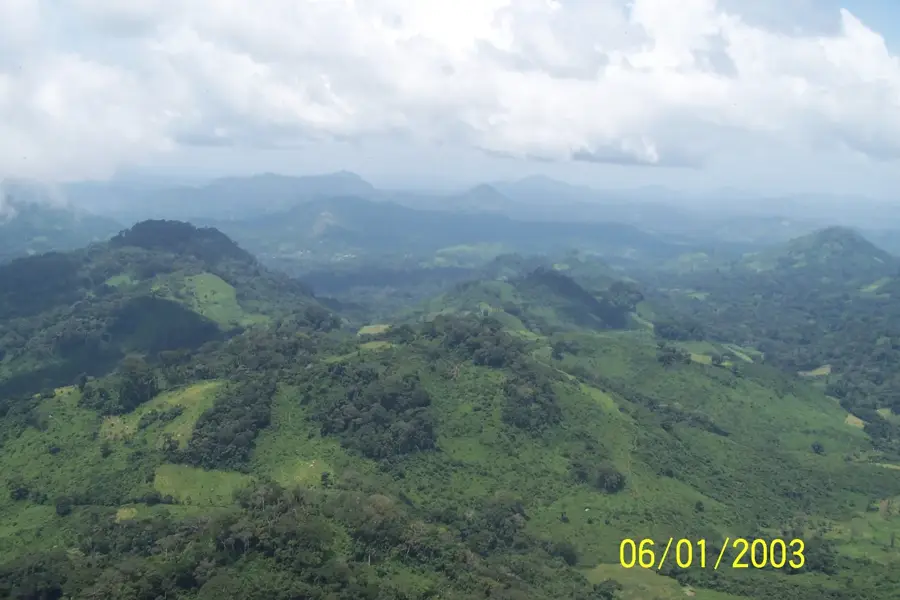
Kani is a significant town in northwestern Ivory Coast and the administrative capital of the Kani Department within the Worodougou Region. Located in the Woroba District, the town serves as a strategic crossroads for regional trade and agriculture. The economic foundation of Kani is primarily built on cashew nut production, which has emerged as one of the region's top exports in recent decades. In addition to cashews, cotton and food crops such as yams and maize are cultivated for local consumption. The population consists mainly of Malinké speakers, whose traditions and Islamic faith deeply influence the daily life and architecture of the town. According to the 2014 census, the Kani sub-prefecture is home to approximately 31,000 residents. The town acts as an educational and healthcare hub for surrounding villages and plays a vital role in the administrative integration of the northwest. Its geographic location facilitates exchange between the northern savanna areas and the central parts of the country.
- Location: Côte d’Ivoire
- Nearby: Dianra (47 km)
- Population: ~11.547 (2023)
Best time to visit & climate
The most pleasant time to visit is Jan, Nov, Dec.
| Jan | Feb | Mar | Apr | May | Jun | Jul | Aug | Sep | Oct | Nov | Dec | |
|---|---|---|---|---|---|---|---|---|---|---|---|---|
| Avg °C | 26 | 29 | 29 | 28 | 27 | 26 | 25 | 25 | 25 | 25 | 26 | 26 |
| Rain mm | 6 | 32 | 69 | 108 | 120 | 156 | 177 | 217 | 199 | 115 | 29 | 7 |
Geography
Facts
- Kani is the headquarters of the Kani Department, created in 2009.
- The sub-prefecture had a population of 31,225 in the 2014 census.
- The Worodougou region is famous for its vast cashew plantations.
- Kani is located on the main road connecting Séguéla and Boundiali.
- The town is a hub for Malinké trade in the northwest.
- A significant agricultural products market is held here annually.
Explore nearby
Notable places around



Route planner — Car & Motorhome
Where do you start? We build the route here, with stops and country notes along the way.
© OpenStreetMap contributors · OpenRouteService
Frequently asked questions
What makes Kani special?
Visit duration for Kani?
Best time to visit?
Is it family-friendly?
What is typical?
Kani: where is it located?
Kani: when is the best time to visit?
Kani: why is it worth visiting?
