Plizio Visual Lab
Zuénoula
ℹ️Practical info — Zuénoula
▾
🌤 Weather — 5 days
📍 Nearby
Sights nearby
💡 Tips
- Zuénoula's economy is tied to sugar; check if there are local guided tours available of the cane fields during harvest season.
- The Gouro culture is prominent here; the Zaouli dance (a traditional masked dance) sometimes occurs at local festivals or special events.
- Taxis tend to operate on fixed routes like minibuses; clarify your destination before getting in.
- Dust can be heavy during the Harmattan winds (December-February), so bringing a light scarf or face covering is useful.
🍽 Food
A light, flavorful broth often containing fish or meat, served with rice in downtown eateries.
Refreshing hibiscus juice, often sold icy cold by street vendors-well-suited for hot afternoons.
Look for small treats made from local cane sugar at the markets.
🛍 Shopping · 🧘 Quiet spots
While genuine antique masks are rare, artisans in the area carve beautiful replicas; ask around the central market for woodcarvers.
Buy locally produced sugar directly from community vendors as a practical souvenir.
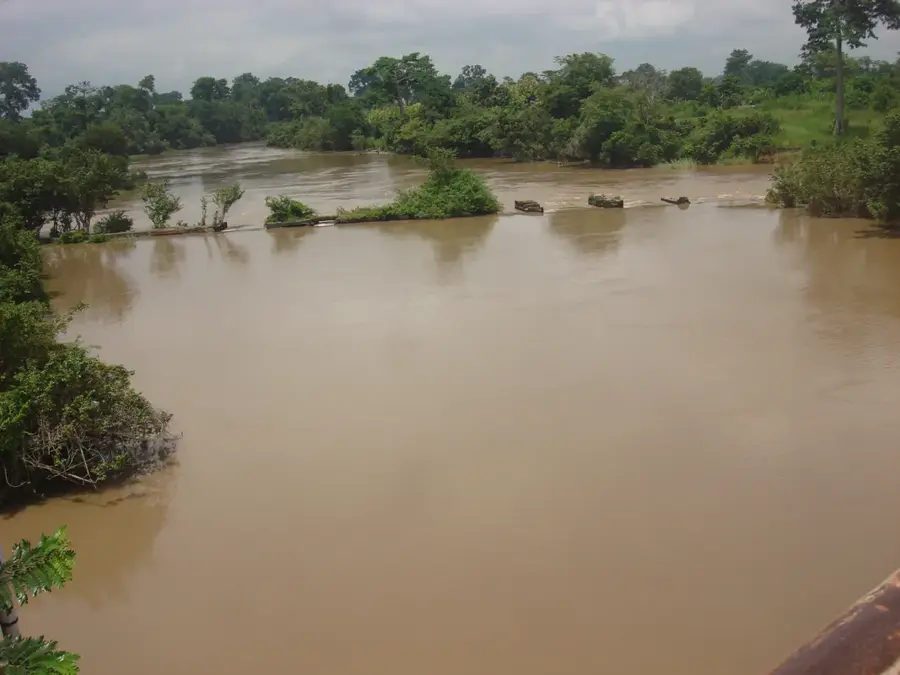
The nearby Marahoué (Bandama Rouge) river provides a peaceful natural setting for a walk away from city noise.
The vast green expanses of sugar cane just outside the town offer a tranquil, uniform landscape first-rate for photography.
Water temperature…
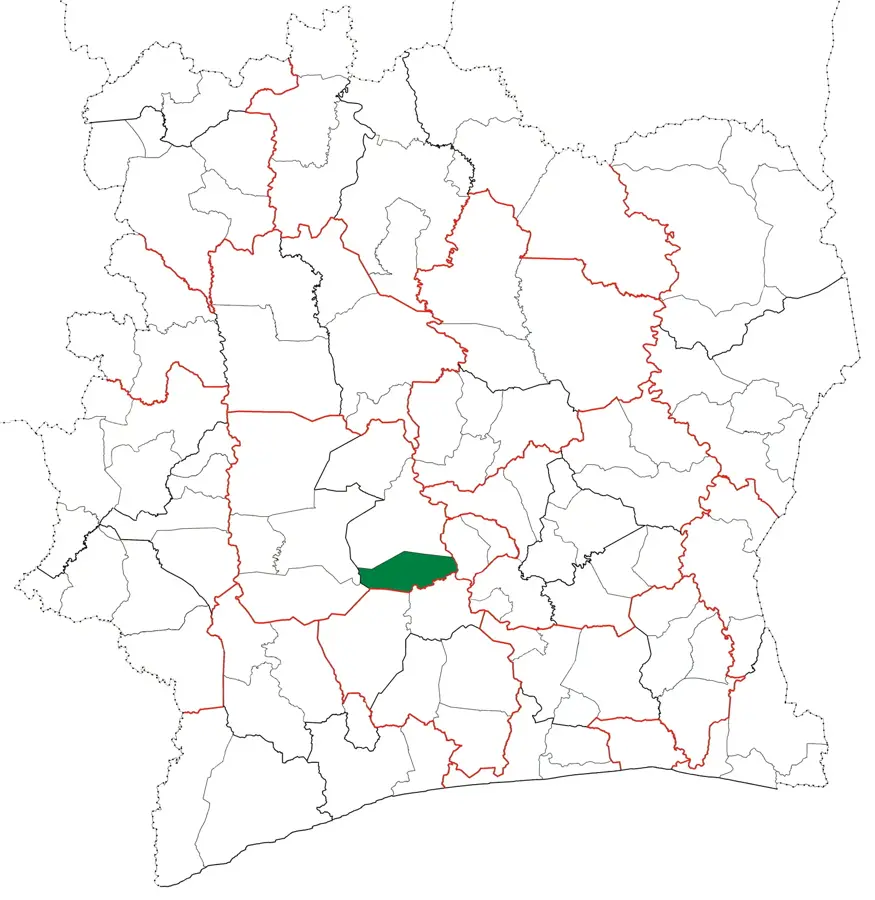
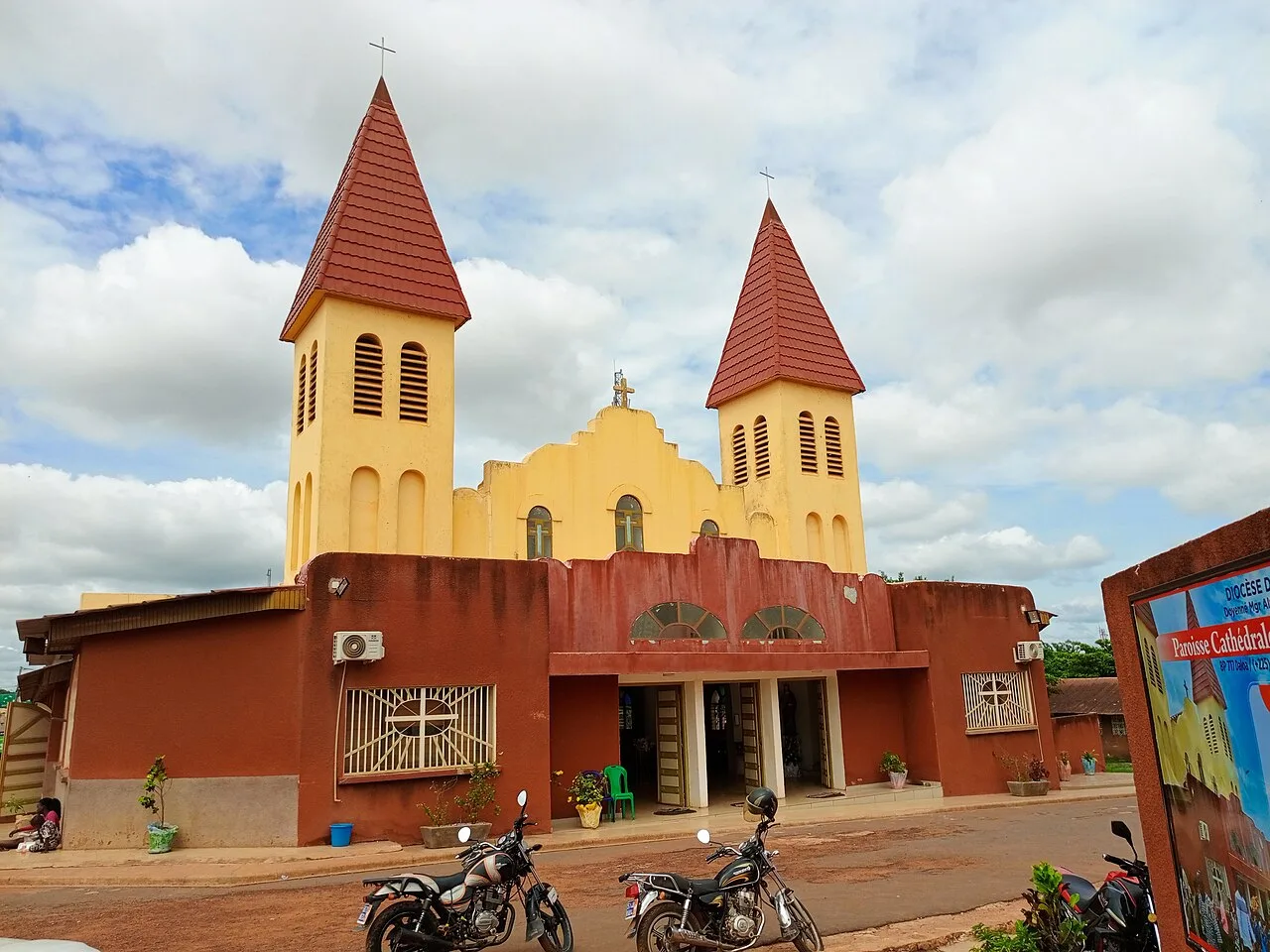
Zuénoula is a culturally rich city in central Ivory Coast, serving as an administrative center in the Marahoué region. The city is world-famous for its association with the Zaouli dance, a mask tradition of the Gouro people recognized by UNESCO as Intangible Cultural Heritage. Geographically, Zuénoula lies in a zone characterized by savannas and gallery forests, providing well-suited conditions for agriculture. In addition to cocoa and coffee cultivation, the production of food crops such as yams, rice, and vegetables plays a central role in the local economy. The city's history is closely tied to the migrations of the Gouro ethnic groups and their establishment as a significant agrarian community. The cityscape of Zuénoula is a blend of traditional settlement structures and modern administrative buildings, reflecting the city's growth. In recent years, the city has gained regional importance through investments in education and healthcare infrastructure. The markets of Zuénoula are spirited exchange points where traders from across the country offer agricultural products and traditional crafts. The city's cultural identity is bolstered by regular festivals and dance competitions that keep ancestral traditions alive.
- Location: Côte d’Ivoire
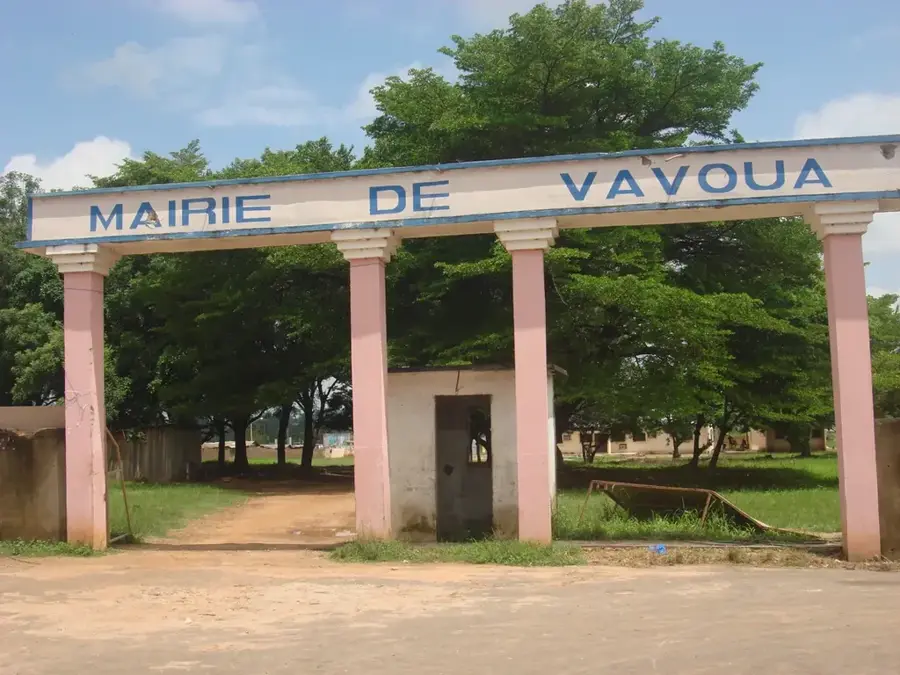
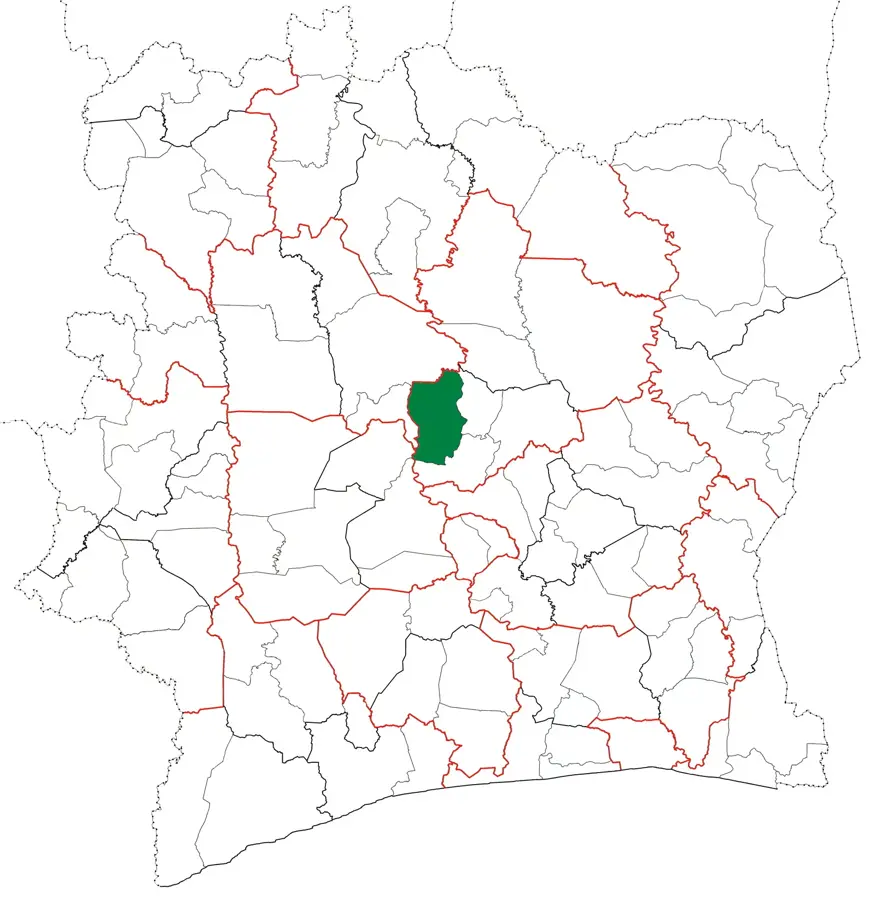
- Nearby: Vavoua (48 km)
- Population: ~44.097 (2023)
Best time to visit & climate
The most pleasant time to visit is Jan, Nov, Dec.
| Jan | Feb | Mar | Apr | May | Jun | Jul | Aug | Sep | Oct | Nov | Dec | |
|---|---|---|---|---|---|---|---|---|---|---|---|---|
| Avg °C | 26 | 27 | 28 | 27 | 27 | 26 | 25 | 25 | 25 | 26 | 26 | 25 |
| Rain mm | 13 | 52 | 101 | 134 | 153 | 198 | 153 | 168 | 201 | 140 | 55 | 25 |
Geography
Facts
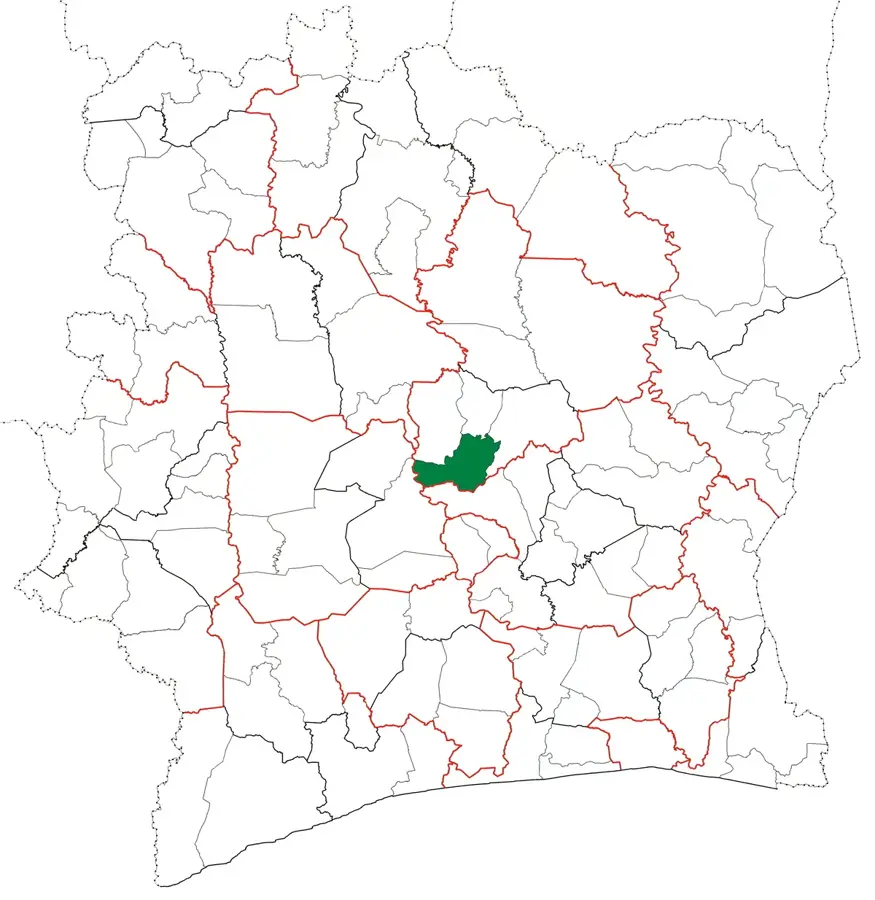
- Zuénoula is the capital of the department of the same name in the Marahoué region.
- The 'Zaouli' dance originated in the rural areas surrounding this city.
- Two large sugar cane plantations and a factory (Sucrivoire) are located nearby.
- The city is situated approximately 100 kilometers north of Yamoussoukro.
- The Gouro ethnic group constitutes the majority of the population.
- The region is renowned for its intricately carved loom pulleys.
Explore nearby
Notable places around



Route planner — Car & Motorhome
Where do you start? We build the route here, with stops and country notes along the way.
© OpenStreetMap contributors · OpenRouteService
Sights in the town Zuénoula (1)
Frequently asked questions
Why is Zuénoula famous?
What is the Zaouli?
When can the dance be seen?
How is the drive from Yamoussoukro?
What products are at the market?
Zuénoula: where is it located?
Zuénoula: when is the best time to visit?
Zuénoula: why is it worth visiting?