Plizio Visual Lab
Sant'Antioco
ℹ️Practical info — Sant'Antioco
▾
🌤 Weather — 5 days
📍 Nearby
Sights nearby
💡 Tips
- You can drive straight onto the island via the bridge from the mainland; no ferry is required.
- Visit the ancient catacombs underneath the Basilica di Sant'Antioco Martire for a fascinating look into early Christian history.
- Stop by the Ethnographic Museum to understand the island's unique agricultural and textile traditions.
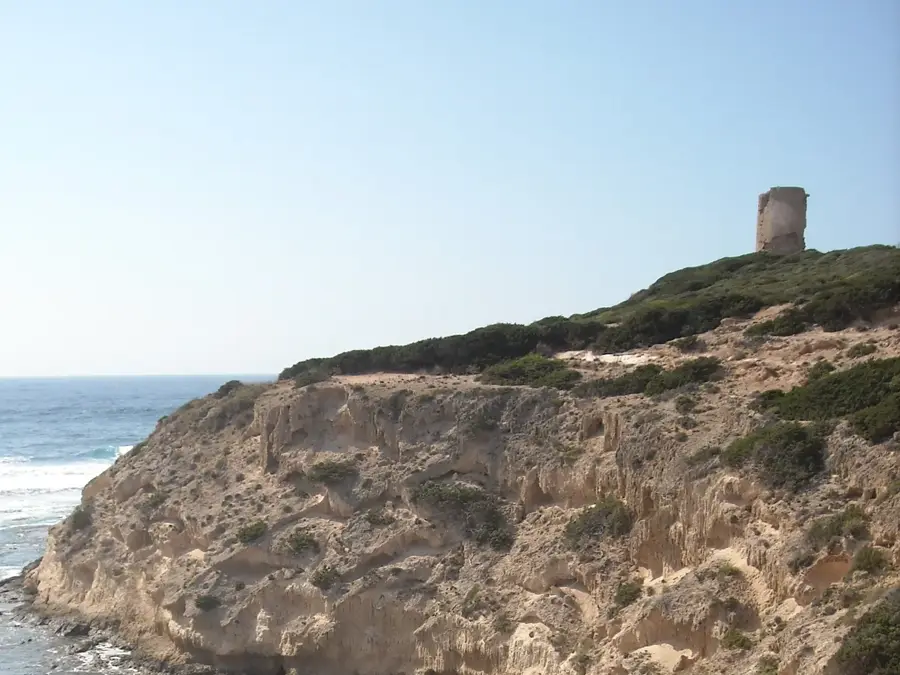
- The western coast of the island gives dramatic cliffs and fewer crowds compared to the sandy eastern beaches.
🍽 Food
Sant'Antioco is famous for its tuna dishes; try it grilled or served as cured bottarga.
Sardinian couscous-like pasta with fresh seafood at seafront restaurants.
A robust local red wine that pairs perfectly with meat and rich pasta dishes.
🛍 Shopping · 🧘 Quiet spots
Learn about this extremely rare thread at the local museum and support local artisans.
Hand-woven Sardinian baskets can be found in small craft shops in the historic center.
A remarkable natural rocky inlet on the island's western side, excellent for peaceful snorkeling.
The ancient Phoenician burial ground provides a quiet, contemplative atmosphere with historic ruins.
Water temperature…
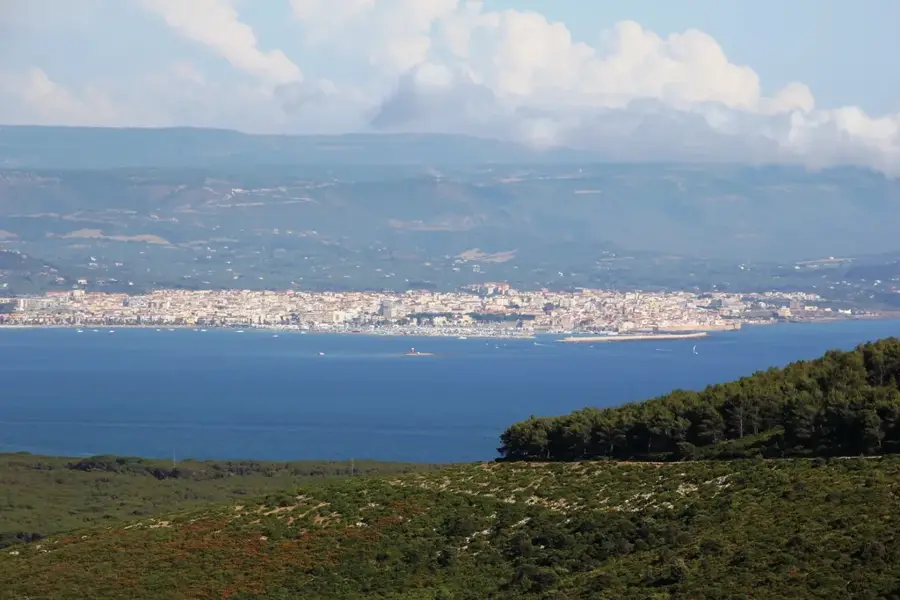
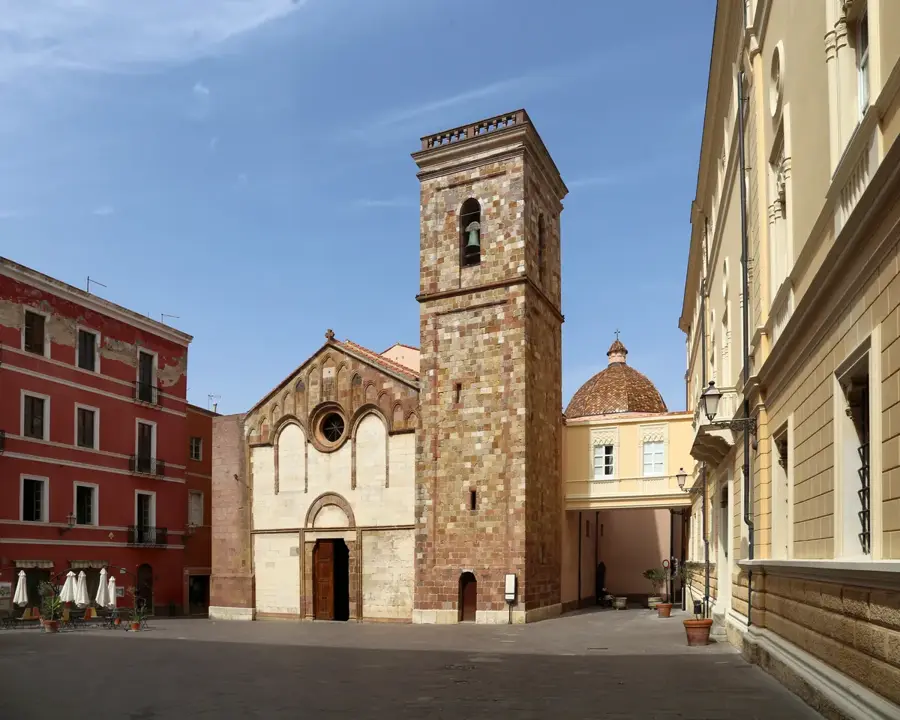
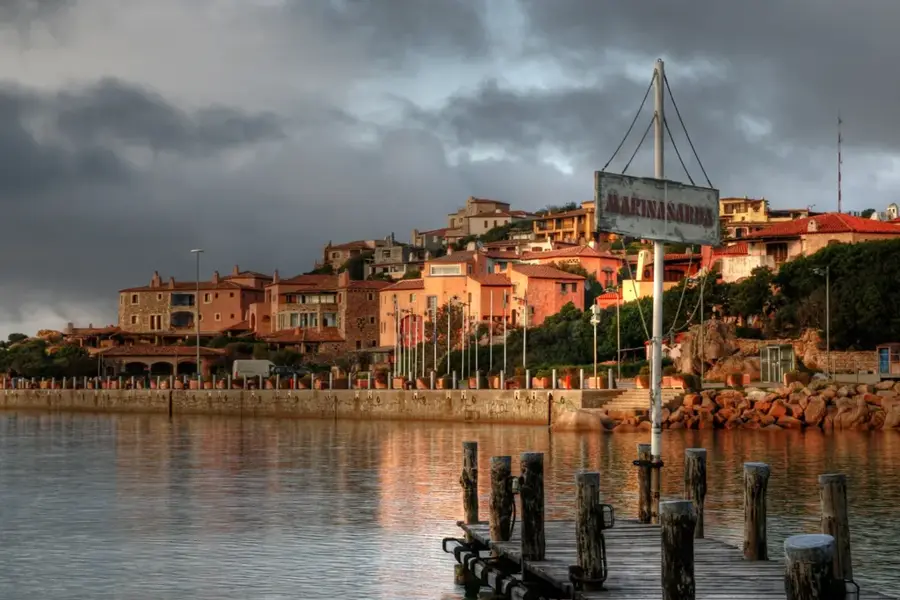
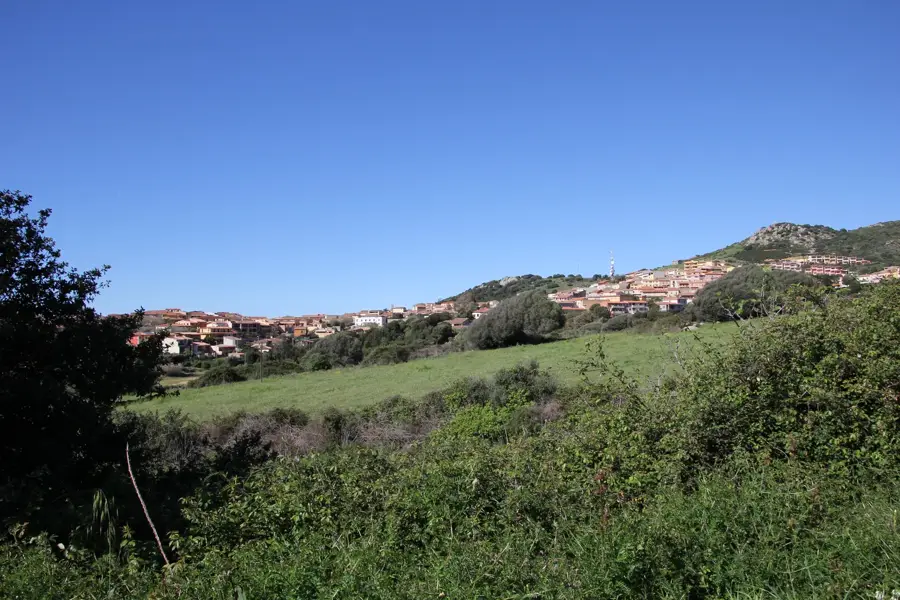
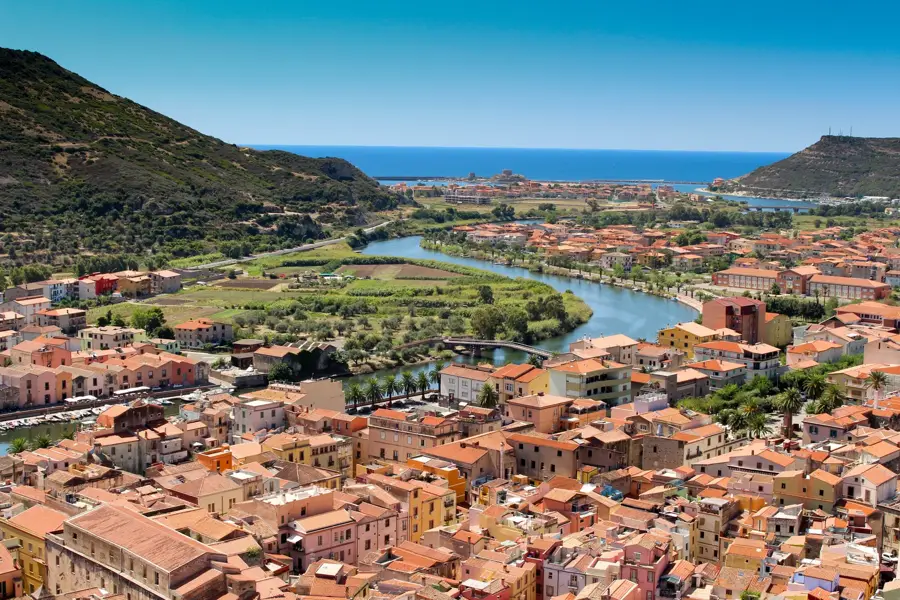
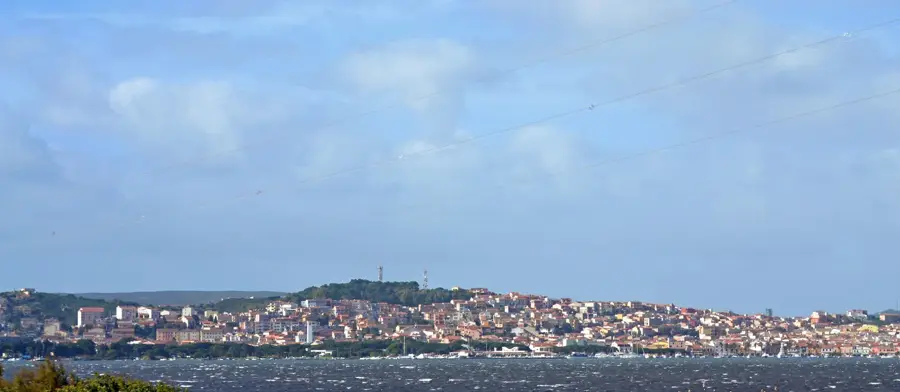
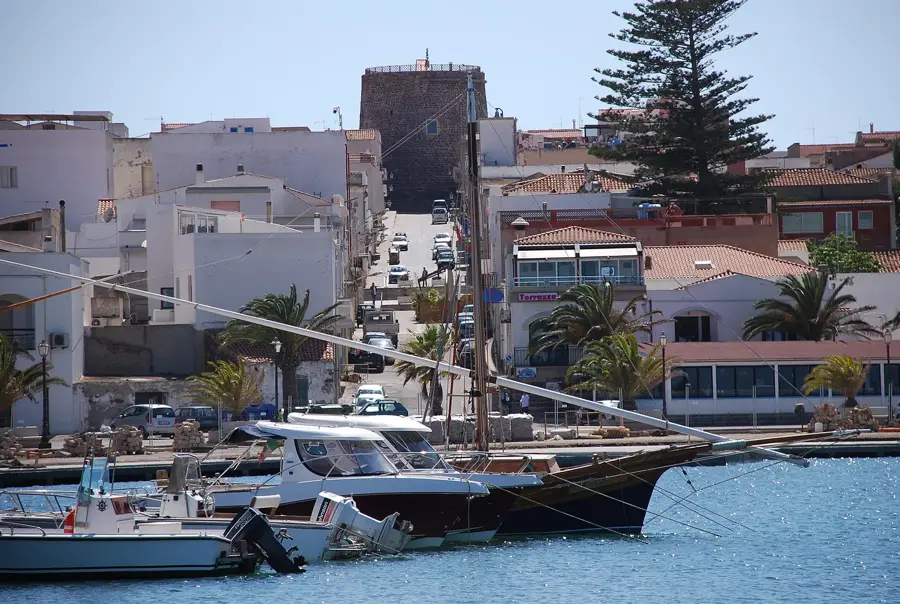
Sant'Antioco is a captivating island municipality in southwestern Sardinia, seamlessly connected to the mainland by an artificial isthmus. As one of the oldest settlements in Italy, originally founded by the Phoenicians under the name of Sulky, the town has an incredibly rich historical heritage. Visitors can explore fascinating archaeological sites, including ancient catacombs, a tophet, and a medieval fortress, all while enjoying the relaxed, authentic atmosphere of the modern port town. The coastline of Sant'Antioco is a spectacular mix of rugged cliffs and inviting sandy bays. Sun seekers flock to the beautiful Coaquaddus beach, famous for its calm, shallow waters and fine sand. The Spiaggia di Maladroxia provides thermal underwater springs and excellent tourist facilities, while the hidden cove of Portixeddu Accuau provides a wilder, more secluded experience for nature lovers. The crystal-clear sea here is handy for diving and windsurfing. Culinary traditions in Sant'Antioco revolve heavily around the sea, with fresh local tuna being a centerpiece of the local diet. These seafood delicacies are perfectly accompanied by the robust Carignano del Sulcis, a highly prized local red wine. Easily reachable from Cagliari, the island features a unique blend of ancient history, unspoiled Mediterranean nature, and animated local culture.
- Location: Italy
- Top sights: Catacombe di Sant'Antioco · Museo Etnografico Su Magasinu De Su Binu · Fontana Romana
- Nearby: Matzaccara (7 km)
- Population: ~10.997
Live webcam – Sant'Antioco
See what it looks like near Sant'Antioco right now.
Sant’Antioco › East: Passeggiata lungomare · 0.6 km · Open webcam on Windy · Webcams provided by Windy.com
Geography
Facts
- One of the oldest cities in Italy
- Connected to the mainland by a bridge
- Founded by the Phoenicians as Sulky
- Known for the fine Coaquaddus beach
- Spiaggia di Maladroxia has warm springs
- Famous for traditional tuna fishing
- Home of the Carignano del Sulcis wine
- Features ancient early Christian catacombs
Explore nearby
Notable places around




Route planner — Car & Motorhome
Where do you start? We build the route here, with stops and country notes along the way.
© OpenStreetMap contributors · OpenRouteService
Start your morning exploring the ancient roots of Sant'Antioco at the Nuraghe and the vast archaeological area of Sulki. Midday invites a deep dive into local traditions at the Ethnographic Museum and historic views from Forte Su Pisu. Spend your afternoon descending into the fascinating Catacombe before visiting the monumental Fontana Romana. Evening brings a peaceful stroll to the local churches, concluding a fulfilling historical journey.
Nuraghe
Sulki
Museo Etnografico Su Magasinu De Su Binu
Forte Su Pisu
Catacombe di Sant'Antioco
Fontana Romana
Santa Maria Goretti
Nostra Signora di Bonaria
Morning starts at the Nuraghe, where rain creates a mystical atmosphere; wear waterproof shoes for the muddy trails. At noon, the Ethnographic Museum and catacombs provide perfect indoor shelter from the showers. In the afternoon, we walk towards Fontana Romana, being careful on slippery pavements. The evening ends at the basilica, where the scent of the sea is more intense after the rain.
Nuraghe
Sulki
Museo Etnografico Su Magasinu De Su Binu
Forte Su Pisu
Catacombe di Sant'Antioco
Fontana Romana
Santa Maria Goretti
Nostra Signora di Bonaria
In the morning chill, we start at the Nuraghe walls, where the crisp winter air allows for distant views. At noon, we warm up inside the museums to escape the biting wind. Since the sun sets around 17:00, we reach Fontana Romana in the golden afternoon light. The evening at the basilica is particularly cozy and quiet, away from summer crowds.
Nuraghe
Sulki
Museo Etnografico Su Magasinu De Su Binu
Forte Su Pisu
Catacombe di Sant'Antioco
Fontana Romana
Santa Maria Goretti
Nostra Signora di Bonaria
Your cycling day starts peacefully at Nostra Signora di Bonaria and Santa Maria Goretti. Midday wheels you towards the historic Fontana Romana and the underground mysteries of the Catacombe. In the afternoon, pedal up to Forte Su Pisu and the ancient ruins of Sulki and Nuraghe. Evening leads you on a refreshing ride across the Antico Ponte Romano, offering a majestic final view of the island's shores.
Nostra Signora di Bonaria
Santa Maria Goretti
Fontana Romana
Catacombe di Sant'Antioco
Forte Su Pisu
Sulki
Nuraghe
Antico Ponte Romano
The bike tour starts at the basilica, where you should be extra cautious on the wet cobblestones. At noon, we head to the catacombs to escape the rain for a while. In the afternoon, the route leads through Sulki to the Nuraghe, where mud splashes are possible on the paths. We finish the tour at the ancient bridge, hopefully as the sky clears up.
Nostra Signora di Bonaria
Santa Maria Goretti
Fontana Romana
Catacombe di Sant'Antioco
Forte Su Pisu
Sulki
Nuraghe
Antico Ponte Romano
The winter bike tour starts at the basilica under a bright blue, chilly sky. At noon, we use the museums as warm stops to thaw out our hands from the wind chill. In the afternoon, we pedal briskly to the Nuraghe before the sun sets at 17:00. The tour ends at the ancient bridge, where dusk paints the lagoon in magical colors.
Nostra Signora di Bonaria
Santa Maria Goretti
Fontana Romana
Catacombe di Sant'Antioco
Forte Su Pisu
Sulki
Nuraghe
Antico Ponte Romano
Kick off your driving tour at the Antico Ponte Romano, admiring the ancient engineering. Midday allows a quick hop to the town's serene religious sites and the historic Fontana Romana. Spend your afternoon diving deep into the Ethnographic Museum and the sprawling ancient paths of Sulki. Evening approaches as you explore the monumental Nuraghe, wrapping up a perfect day of culture and history.
Antico Ponte Romano
Nostra Signora di Bonaria
Santa Maria Goretti
Fontana Romana
Museo Etnografico Su Magasinu De Su Binu
Sulki
Nuraghe
By car, the rainy tour is ideal, starting at the ancient bridge. At noon, we enjoy the dry drive to the Ethnographic Museum while the rain drums on the roof outside. In the afternoon, we visit Sulki and the Nuraghe, appreciating the short walking distances from the parking lots. The day ends comfortably in the warm car at the basilica.
Antico Ponte Romano
Nostra Signora di Bonaria
Santa Maria Goretti
Fontana Romana
Museo Etnografico Su Magasinu De Su Binu
Sulki
Nuraghe
The winter car tour starts at the cool sea lagoon by the bridge. At noon, we enjoy the heated drive through historical streets to the warm Ethnographic Museum. In the afternoon, we head to Sulki and the Nuraghe, taking advantage of the low winter sun for great photos. The day ends as darkness sets in early around 17:00 at the illuminated basilica.
Antico Ponte Romano
Nostra Signora di Bonaria
Santa Maria Goretti
Fontana Romana
Museo Etnografico Su Magasinu De Su Binu
Sulki
Nuraghe
Sights in the town Sant'Antioco (7)
Museo Etnografico Su Magasinu De Su Binu🏛 museum
Ethnographic museum housed in a former wine cellar, displaying traditional Sardinian tools.
Forte Su Pisu🏺 historical
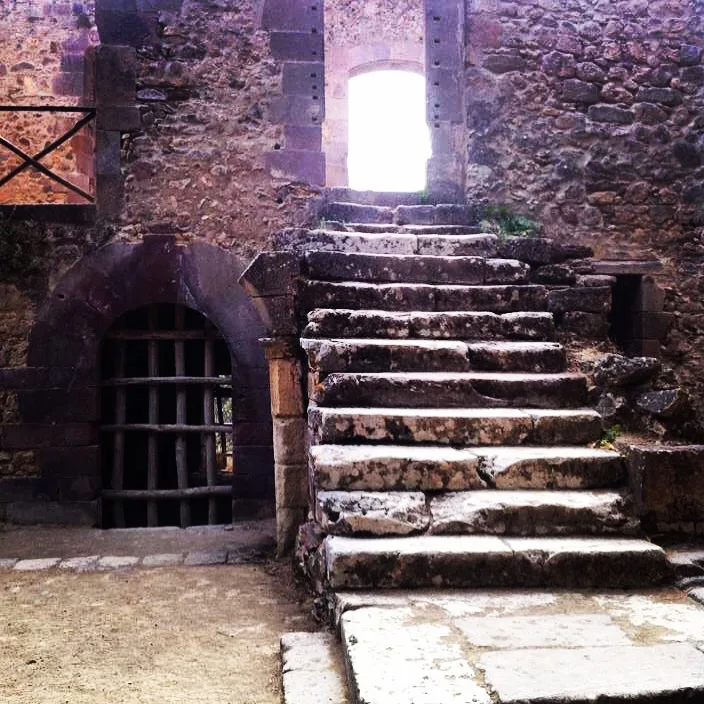
Forte Su Pisu in Sant'Antioco is a coastal fortification built to defend the island's shores.
Frequently asked questions
How is the island connected to the mainland?
What is Byssus (sea silk)?
Which archaeological site should you visit?
Where can you find the best beaches?
Is the island large?
Sant'Antioco: where is it located?
Sant'Antioco: what is there to see?
Sant'Antioco: why is it worth visiting?

Nearby cities