Plizio Visual Lab

Caesarea Maritima
Plizio editorial teamData Sources
ruin
—°10
Caesarea Maritima (Israel)

Weather…

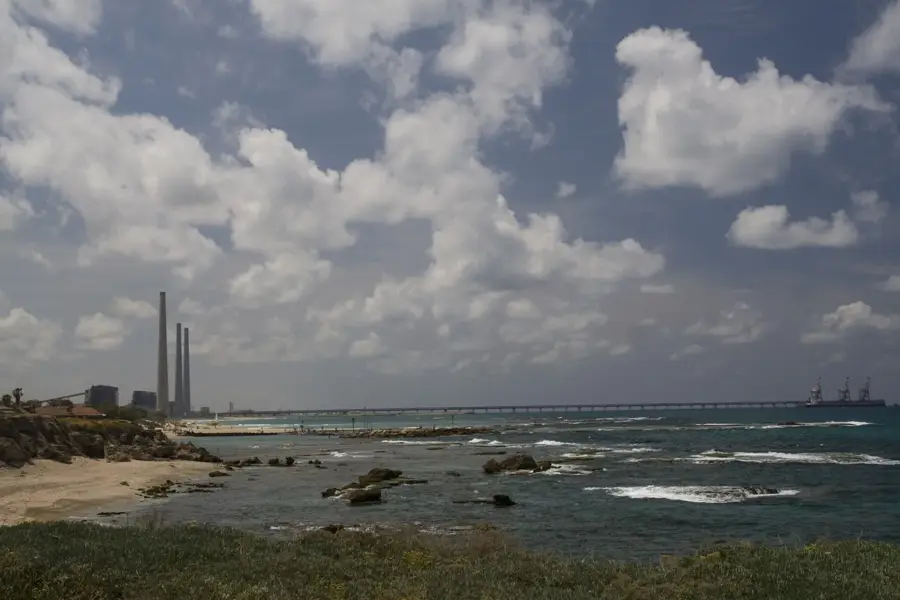
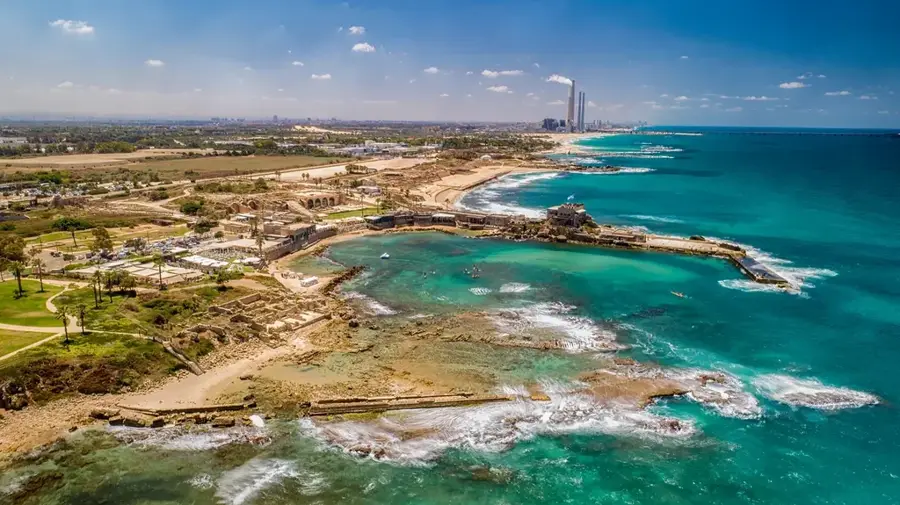
Caesarea Maritima was a magnificent port city on the Mediterranean coast, constructed by Herod the Great between 22 and 10 BCE. Named in honor of his patron Augustus Caesar, the city featured one of the largest artificial harbors of the ancient world, known as Sebastos. Caesarea served as the Roman administrative capital of Judea for centuries and was the seat of Roman procurators, including Pontius Pilate. Today, the site features a remarkably well-preserved Roman theater, a hippodrome used for chariot races, and an extensive aqueduct system. It remained a vital center during the Byzantine era before being refortified by Crusaders in the Middle Ages. Archaeological excavations of the harbor and the restored Crusader fortress walls highlight the city's diverse historical layers. The national park is now a premier tourist destination, featuring underwater archaeological trails in the sunken harbor.

Best time to visit & climate

The most pleasant time to visit is May, Jun, Oct.

JanFebMarAprMayJunJulAugSepOctNovDec
Avg °C131315182225272726241915
Rain mm118884723711121857104

📋 Practical info

🚪
Visiting
The archaeological park allows visitors to walk among the impressive restored ruins, including the grand Roman amphitheater and the ancient aqueducts. It is primarily an open-air site with extensive walking paths along the sea.
🕒
Typical hours
The national park usually operates standard daytime hours, typically closing earlier on Fridays and ahead of major religious holidays. Morning visits are heavily favored to avoid the peak heat and large tour groups.
📷
Photography
The dramatic juxtaposition of ancient Roman ruins against the deep blue Mediterranean waters provides exceptional photography opportunities. The setting sun provides a spectacular backdrop for capturing the aqueducts.
⏱️
Time needed
You should dedicate at least two to three hours to properly explore the vast grounds, the restored theater, and the hippodrome. History enthusiasts often spend half a day discovering the various archaeological layers.
Combine with
After touring the ancient ruins, you can relax at the modern restaurants situated right on the harbor. A drive up the coast to Haifa or Mount Carmel makes for an excellent continuation of your day trip.
🧭
Getting there
Located conveniently halfway between Tel Aviv and Haifa, it is most easily reached by private car or specialized tour buses. There is a nearby train station, but you will still need a short taxi ride to reach the park entrance.
💡
Insider tip
There is very little shade across the extensive archaeological site, so sun protection and a water bottle are absolutely crucial. Try to watch the informative multi-media presentation before walking the grounds to understand the context.

Geography

Coordinates
32.50130, 34.89030

Facts

  • The harbor was constructed between 22 and 10 BCE.
  • The Roman theater could accommodate 4,000 spectators.
  • The 'Pilate Stone' inscription was discovered here in 1961.
  • The high-level aqueduct spans 9 kilometers to Mount Carmel.
  • King Herod named the artificial port 'Sebastos'.
  • The Crusader fortifications were significantly expanded in 1251.

Explore nearby

Notable places around
Route planner — Car & Motorhome

Where do you start? We build the route here, with stops and country notes along the way.

Vehicle
Only stops with (optional):

© OpenStreetMap contributors · OpenRouteService

Sights in the town Caesarea Maritima (10)

Caesarea Harbour📍 landmark

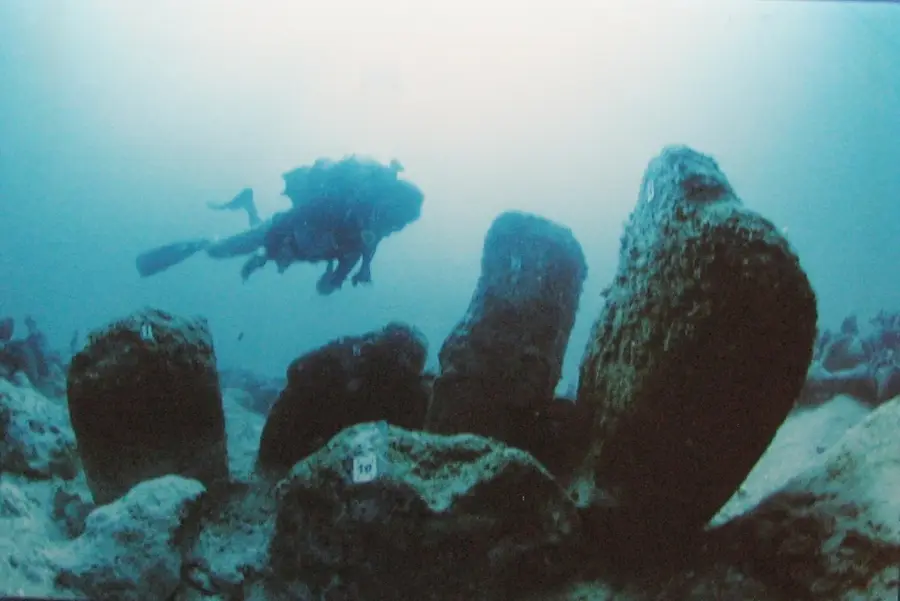
Caesarea Harbour is an ancient maritime gateway featuring submerged Roman ruins and a modern pier.

Horbat Qesari📍 landmark

Horbat Qesari features archaeological remnants from the Roman and Byzantine periods near the coast.

Obelisk🏺 historical

This ancient Roman obelisk stands in the center of the large hippodrome within Caesarea Maritima.

Time Trek🏛 museum

Time Trek is an interactive museum using multimedia to bring the 2,000-year history of Caesarea to life.

The Ancient Synagogue Caesaria🏺 historical

The Ancient Synagogue of Caesarea reveals the foundations of a Jewish house of worship from the 4th century.

Caesarea National Park🏺 historical

Caesarea National Park is a vast archaeological site showcasing the grandeur of Herod the Great's coastal city.

Musa's cabin📍 landmark

Musa's Cabin is a unique local attraction tucked away within the historic landscape of Caesarea.

Caesarea Amphitheater🎭 culture

A beautifully restored Roman theater overlooking the Mediterranean, still used today for live music and concerts.

Aqueduct (Hakshatot) Beach🎡 recreation

A popular sandy beach famous for the well-preserved arches of the ancient Roman aqueduct running right along the shore.

Jisr al-Zarqa Beach🎡 recreation

A scenic beach near a traditional fishing village, known for its small natural harbor and dark sand.

Sights nearby

Frequently asked questions

What can you see in Caesarea?
The Roman theater, the hippodrome, and the harbor.
Can you swim there?
Yes, there is a designated beach area within the national park.
Are there restaurants?
Yes, there are many restaurants in the ancient harbor area.
Is there an entry fee?
Yes, the national park has an entrance fee (approx. 39 NIS).
Are dogs allowed?
Usually allowed on a leash in the outdoor areas.
Caesarea Maritima: where is it located?
Caesarea Maritima is located in Israel.
Caesarea Maritima: what is there to see?
Highlights include Caesarea Harbour, Horbat Qesari, Obelisk.
Caesarea Maritima: when is the best time to visit?
The most pleasant time to visit is May, Jun, Oct.
Caesarea Maritima: why is it worth visiting?

Caesarea Maritima was a magnificent port city on the Mediterranean coast, constructed by Herod the Great between 22 and 10 BCE.
View on map → The Top 50 Attractions → OpenStreetMap →
Asia
Explore with Plizio Discover more places in Asia
More places in Israel →

Nearby cities

Nature

More places