Plizio Visual Lab

Ashbourne Battlefield
Plizio editorial teamData Sources
battlefield
—°2
Ashbourne Battlefield (Ireland)

Weather…

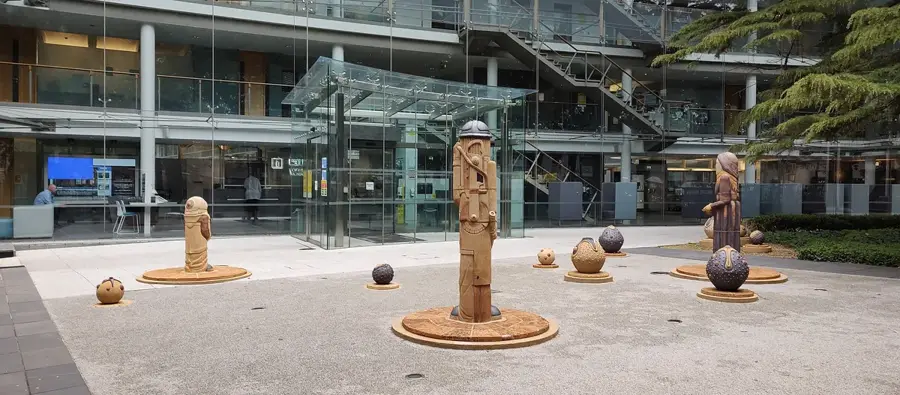
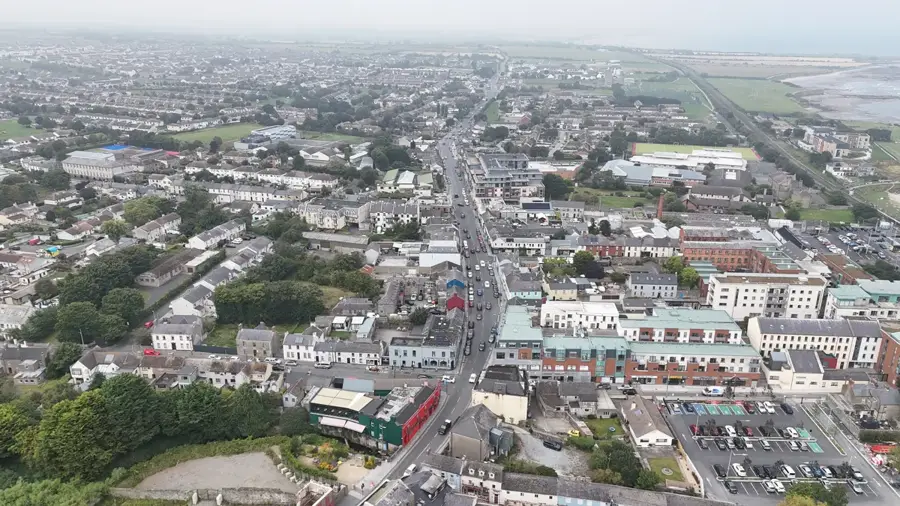
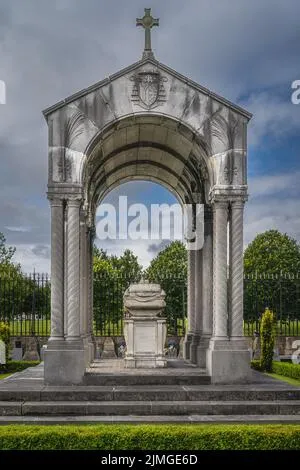
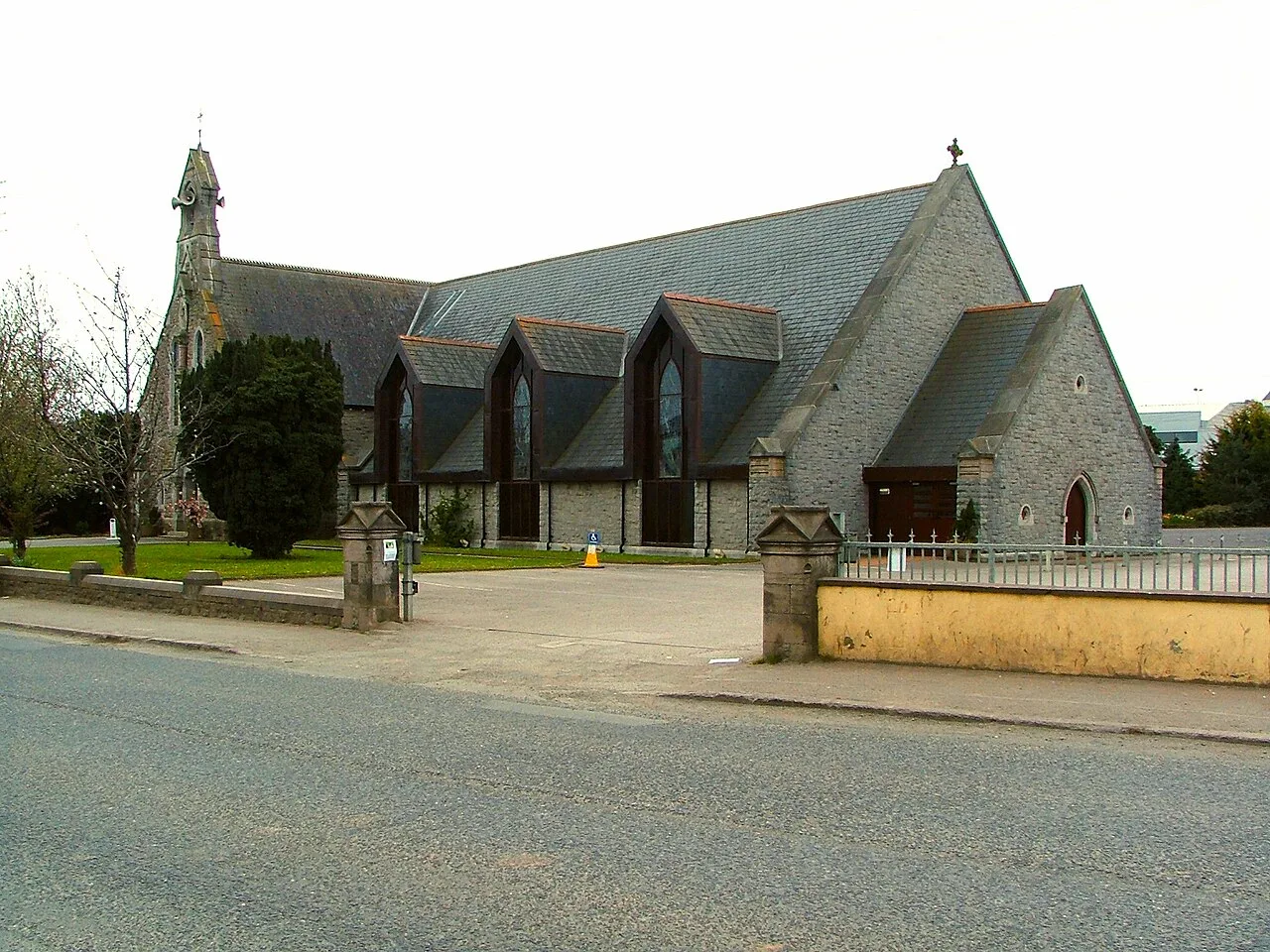
The Ashbourne Battlefield in County Meath marks the site of one of the most significant military engagements during the 1916 Easter Rising outside of Dublin. On April 28, 1916, the Fingal Volunteers, commanded by Thomas Ashe and Richard Mulcahy, initiated a successful tactical assault on the local Royal Irish Constabulary (RIC) barracks. The battle lasted over five hours and was notable for the Volunteers' superior tactical maneuvering, which allowed them to defeat a numerically larger and better-equipped police force. This engagement prefigured modern guerrilla warfare tactics, including the innovative use of motor vehicles for rapid troop movement, which later became standard practice during the Irish War of Independence. Eight RIC officers and two Volunteers were killed during the intense fighting. The victory at Ashbourne stood as one of the few clear military successes for the Irish rebels during the entire week of the Rising. Today, a striking monument known as 'The Rath' commemorates the fallen and the bravery of those involved at this historic location.

Best time to visit & climate

The most pleasant time to visit is Jun–Aug.

JanFebMarAprMayJunJulAugSepOctNovDec
Avg °C666811141515141187
Rain mm86707061677680917610210697

📋 Practical info

🚪
Visiting
Visitors can explore the historic locations associated with the 1916 Easter Rising battle, mostly consisting of public roads and memorial areas. As much of the battlefield encompasses modern infrastructure, observation is primarily from designated outdoor viewpoints.
🕒
Typical hours
The open-air battlefield sites and public memorials are generally accessible at all hours of the day throughout the year. However, it is most practical and informative to visit during daylight hours to fully appreciate the historical landscape and read the plaques.
📷
Photography
Taking photographs of the prominent memorial structures and the surrounding Irish countryside is highly encouraged for historical documentation. Be mindful of current modern traffic and private properties when safely framing shots along the local roadsides.
⏱️
Time needed
A typical visit to survey the key monuments and read the associated historical markers usually takes about forty-five minutes to an hour. Enthusiasts of Irish history might spend slightly longer retracing the exact documented movements of the opposing forces.
Combine with
This historical site can be easily paired with a visit to the broader attractions of County Meath, including the ancient Boyne Valley monuments. Many regional visitors also combine it with a comprehensive tour of historical locations within nearby central Dublin.
🧭
Getting there
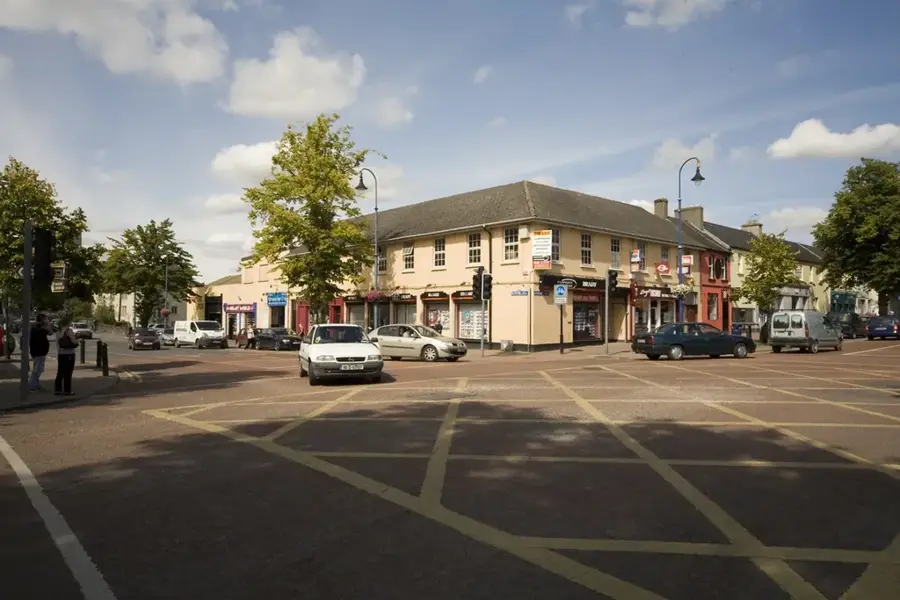
The battlefield area is located near the modern town of Ashbourne and is most conveniently accessed by car via the main regional public roads. Limited public bus services operate from Dublin to Ashbourne, from where you can explore the relevant historical spots.
💡
Insider tip
Reviewing a map or reading a brief account of the 1916 Easter Rising before your arrival will significantly enhance your understanding of the historical battlefield's layout. Pay close attention to the Thomas Ashe memorial, which serves as a central focal point.

Geography

Coordinates
53.51360, -6.39860

Facts

  • Date of the engagement: April 28, 1916
  • Commanded by Thomas Ashe and Richard Mulcahy
  • Successful ambush on the local RIC barracks
  • First use of motorized tactics in Irish warfare
  • Casualties included eight RIC officers and two Volunteers
  • The monument 'The Rath' was unveiled in 1959

Explore nearby

Notable places around
Route planner — Car & Motorhome

Where do you start? We build the route here, with stops and country notes along the way.

Vehicle
Only stops with (optional):

© OpenStreetMap contributors · OpenRouteService

Sights in the town Ashbourne Battlefield (2)

Cornstown House

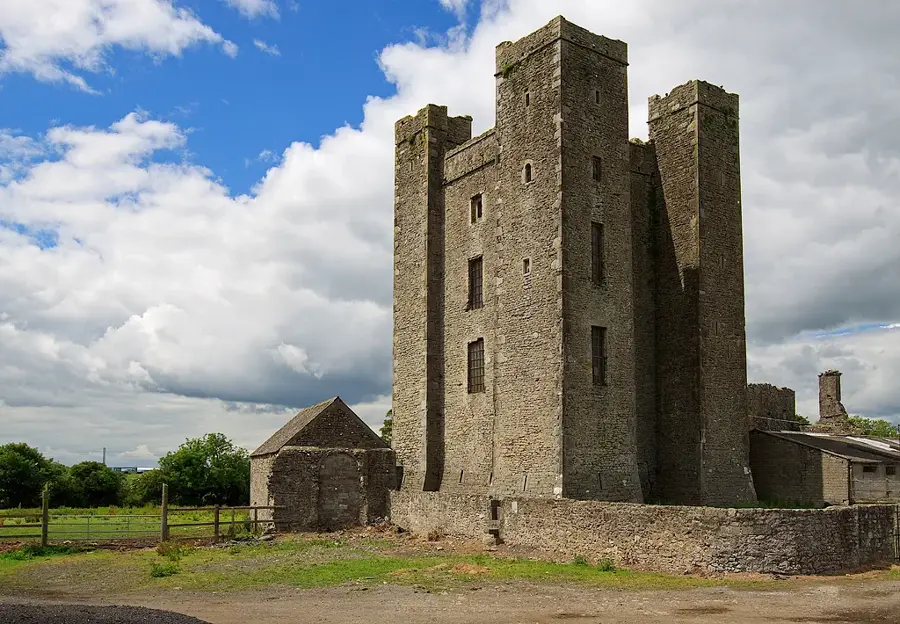
Attraction near the Ashbourne battlefield. Building with historical background.

Fallen Jockey Monument

Monument to a fallen jockey. Commemorates a riding accident.

Sights nearby

Frequently asked questions

What happened at the Ashbourne Battlefield?
It was the site of a significant rebel victory during the 1916 Easter Rising.
Is there a monument on-site?
Yes, a striking monument commemorates the fallen from both sides.
Who led the Irish forces?
Thomas Ashe led the Irish Volunteers in this engagement.
Can you visit the battlefield?
Yes, information plaques along the road explain the events.
Is entry free?
Yes, it is an outdoor public site with no entry fees.
Ashbourne Battlefield: where is it located?
Ashbourne Battlefield is located in Ireland.
Ashbourne Battlefield: what is there to see?
Highlights include Cornstown House, Fallen Jockey Monument.
Ashbourne Battlefield: when is the best time to visit?
The most pleasant time to visit is Jun, Aug.
Ashbourne Battlefield: why is it worth visiting?

The Ashbourne Battlefield in County Meath marks the site of one of the most significant military engagements during the 1916 Easter Rising outside of Dublin.
View on map → The Top 50 Attractions → Most beautiful beaches → OpenStreetMap →
Europe
Explore with Plizio Discover more places in Europe
More places in Ireland →

Nearby cities