Plizio Visual Lab
Parangtritis
ℹ️Practical info — Parangtritis
▾
🌤 Weather — 5 days
📍 Nearby
Sights nearby
💡 Tips
- Never swim in the sea; the undercurrents and waves here are life-threatening.
- Visit the sand dunes (Gumuk Pasir) at sunset for the most spectacular lighting.
- Avoid wearing green clothing, as local folklore says it offends the Queen of the South Sea.
- Rent a Jeep or an ATV to explore the vast dune landscape comfortably.
- Come on weekends when the beachfront night market creates a lively local atmosphere.
🍽 Food
Grilled corn on the cob with spicy sauce, the classic beach snack from local stalls.
A hot ginger drink with glutinous rice balls, great for the cool evening sea breeze.
Try fresh fish at the 'lesehan' (floor seating) restaurants at the eastern end of the beach.
🛍 Shopping · 🧘 Quiet spots
Near the parking area, you'll find stalls selling traditional Javanese masks and shell jewelry.
Small stalls near the dunes sell sandboarding accessories and local snacks.
Find a spot away from the ATVs for a peaceful meditation among the dunes.
Hike up the hills above the beach for a panoramic view far from the main crowd.
Water temperature…
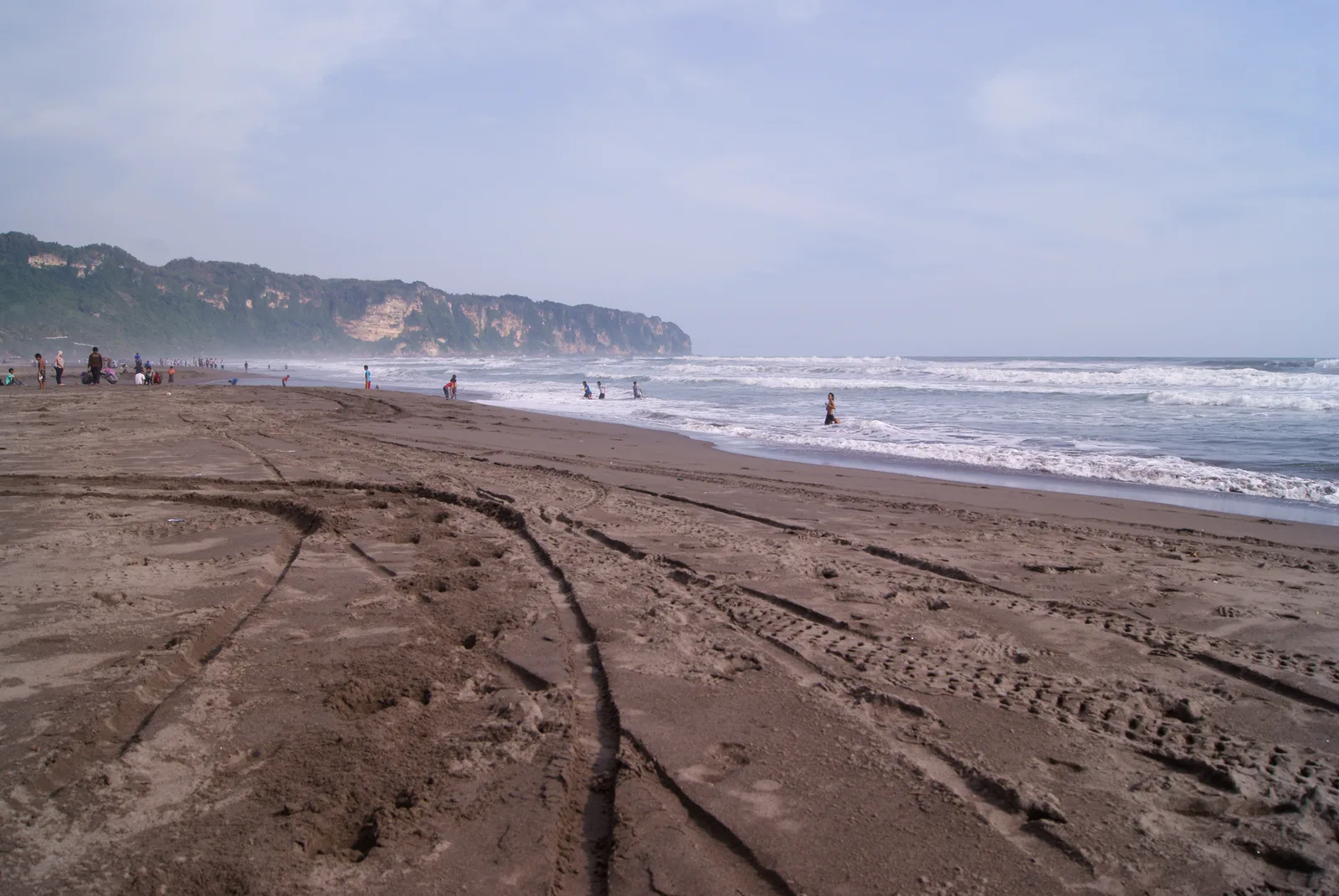
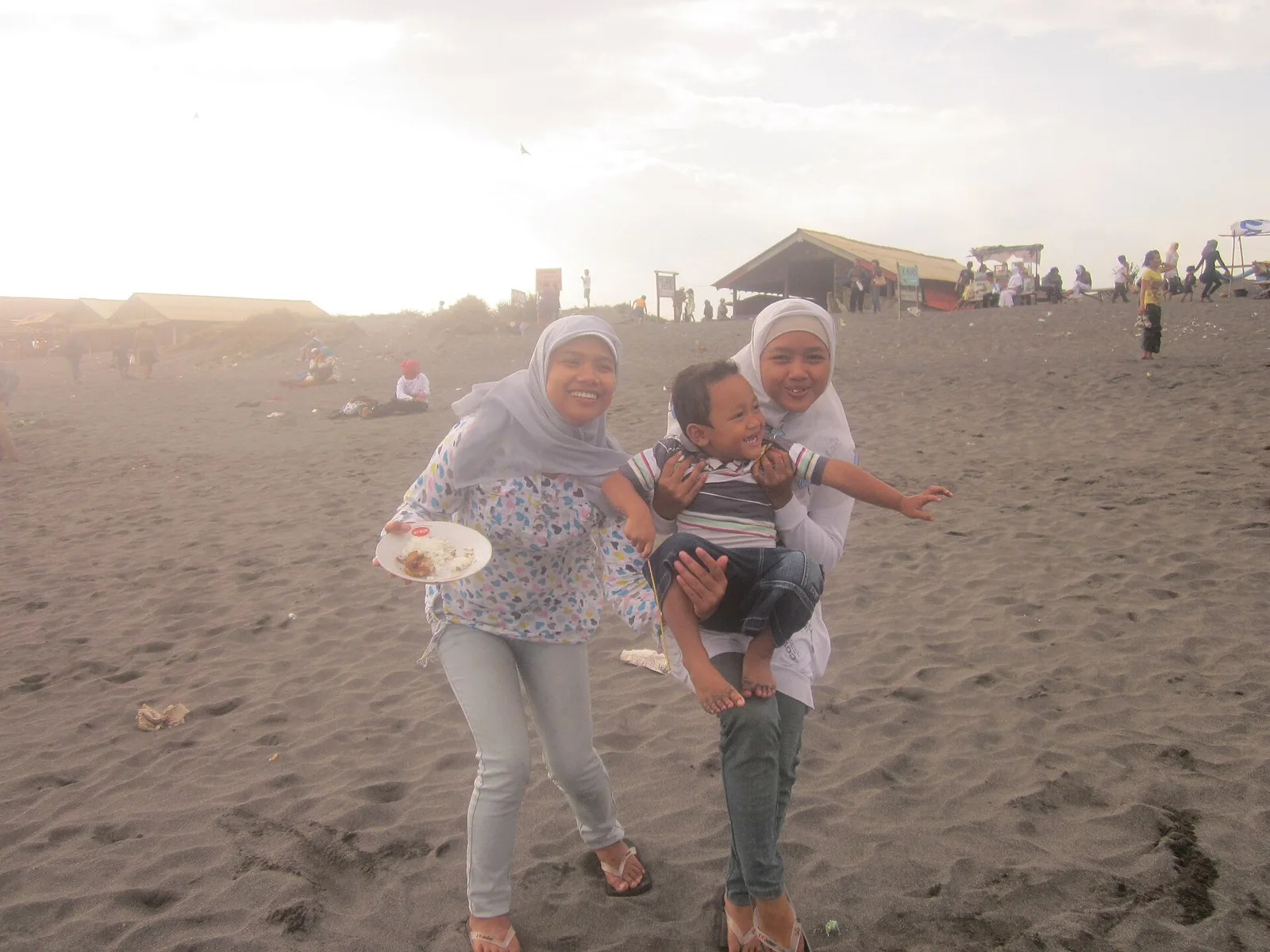
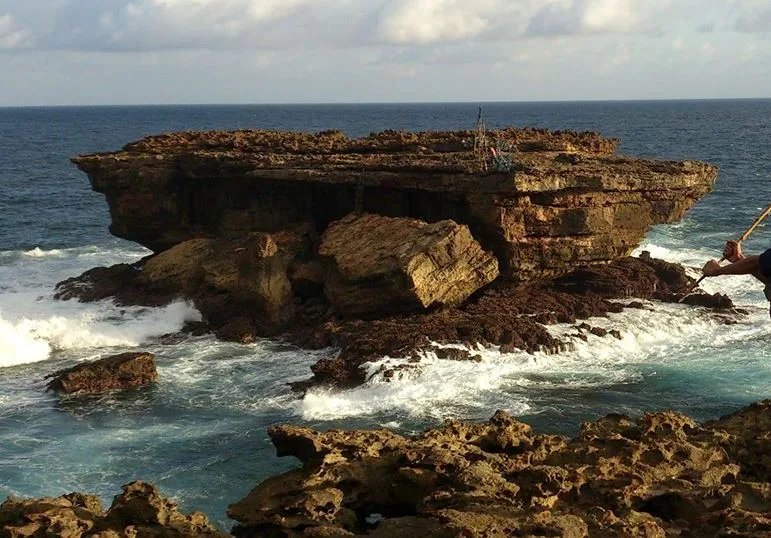
Parangtritis is the most iconic beach on Java’s southern coast, located about 27 kilometers from Yogyakarta. Deeply entwined with Javanese mysticism, it is believed to be the gateway to the spiritual realm of Nyi Roro Kidul, the Queen of the South Sea. The landscape features dramatic cliffs, vast black volcanic sands, and unique sand dunes (Gumuk Pasir), which are among the few found in Southeast Asia. It is a prime location for witnessing panoramic Indian Ocean sunsets. The coastline possesses a raw, powerful beauty. Parangtritis beach is the main hub where visitors can enjoy horse-drawn carriage rides along the surf. Adjacent to it lies Parangkusumo beach, a sacred site used for traditional spiritual ceremonies and offerings. For a quieter experience, Pantai Tall Wolu gives a more secluded atmosphere away from the main crowds. Due to strong currents, swimming is generally discouraged, making it a place for sightseeing and spiritual reflection. Local dining features a variety of grilled seafood stalls offering fresh catches from the ocean. Adventure seekers often head to the nearby dunes for sandboarding, a unique activity in this tropical setting. The drive from Yogyakarta is straightforward, passing through scenic rice paddies. Parangtritis remains a vital cultural and natural landmark, embodying the mysterious spirit of the Javanese coast.
- Location: Indonesia
- Top sights: Puncak Goa Jepang · Puncak Kayangan · Sandboarding Tirto Segoro
- Nearby: Banaran (11 km)
Best time to visit & climate
The most pleasant time to visit is Jul–Sep.
| Jan | Feb | Mar | Apr | May | Jun | Jul | Aug | Sep | Oct | Nov | Dec | |
|---|---|---|---|---|---|---|---|---|---|---|---|---|
| Avg °C | 26 | 26 | 26 | 27 | 26 | 25 | 25 | 25 | 26 | 26 | 27 | 26 |
| Rain mm | 346 | 342 | 222 | 191 | 148 | 96 | 55 | 31 | 66 | 140 | 231 | 294 |
Geography
Facts
- South Java
- Sand dunes
- Mystical legends
- Black sand
- Powerful surf
- Sunset views
- Horse carriages
- Spiritual site
Explore nearby
Notable places around

Route planner — Car & Motorhome
Where do you start? We build the route here, with stops and country notes along the way.
© OpenStreetMap contributors · OpenRouteService
Sights in the town Parangtritis (7)
Frequently asked questions
What is the legend of Parangtritis?
What are the Gumuk Pasir?
Can you swim in the sea at Parangtritis?
How do you get from Yogyakarta to Parangtritis?
When is the best time to visit?
Parangtritis: where is it located?
Parangtritis: what is there to see?
Parangtritis: when is the best time to visit?
Parangtritis: why is it worth visiting?

Nearby cities

History & landmarks
More places