Plizio Visual Lab

Karst of Maros-Pangkep
Plizio editorial teamData Sources
plateau
—°3
Karst of Maros-Pangkep (Indonesia)

Weather…

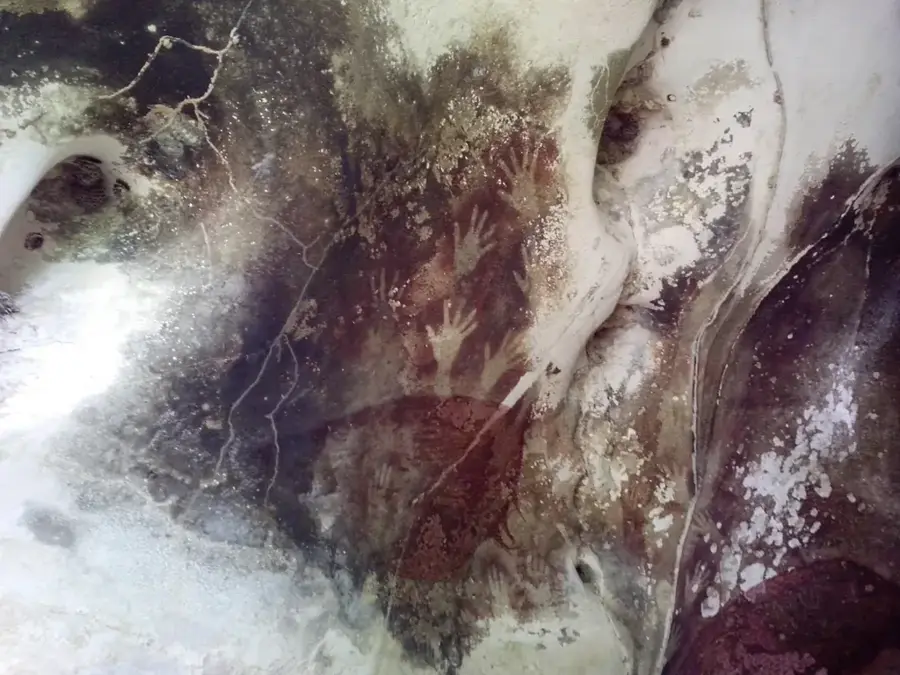
The Maros-Pangkep Karst in South Sulawesi is the second-largest karst landscape in the world, surpassed only by South China, and stands as a global geological wonder. The relief is defined by thousands of dramatic limestone towers, or mogotes, that rise abruptly from the lush green rice paddies. These striking formations were created over millions of years through the dissolution of limestone by intense tropical rainfall. Beneath this jagged surface lies a vast labyrinth of caves and subterranean rivers, hosting a unique cave-dwelling fauna including blind fish and rare insects. Historically and culturally, the site is invaluable; the caves of Leang-Leang contain some of the world's oldest known rock art, including hand stencils and animal paintings dated to over 40,000 years ago. This discovery has fundamentally altered our understanding of early human creativity and migration. Located within the Wallacea biodiversity hotspot, the area is home to many endemic species like the Moor Macaque. The rugged yet beautiful relief attracts scientists and adventure seekers exploring its countless unexplored passages. However, the ecosystem faces significant threats from limestone quarrying for the cement industry, making its preservation a critical environmental priority.

📋 Practical info

🧭
Getting there
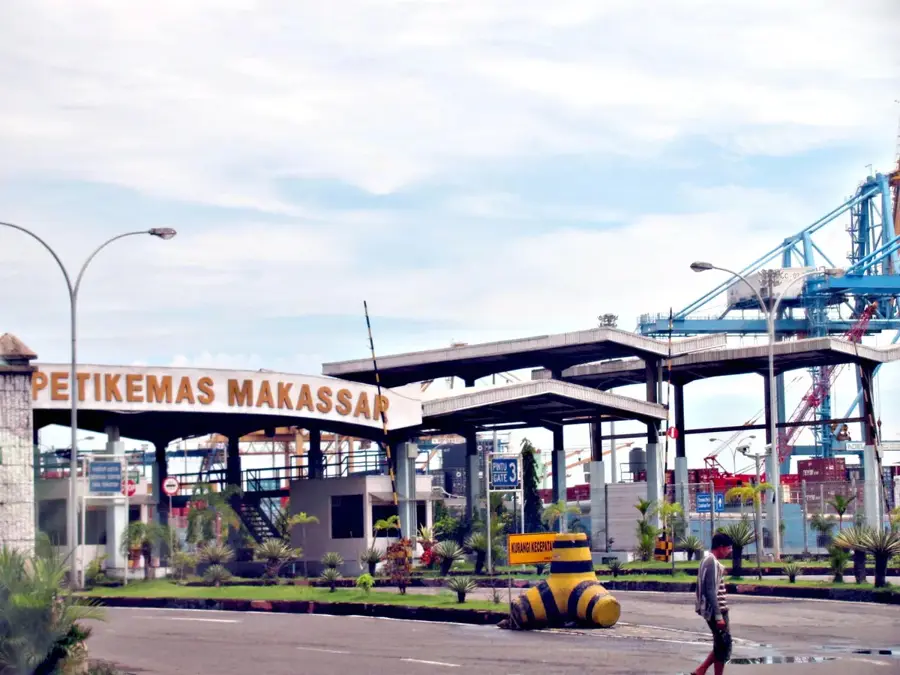
Travelers typically begin their journey in the southern port city of Makassar, which is easily accessible by major domestic flights. From there, solid paved roads generally lead straight into the heart of the fascinating karst landscape in one to two hours.
📅
Best season
The reliable dry season from May to September comfortably has the very best conditions for exploring the caves and surrounding areas. During the intense rainy months, key access trails can become flooded, severely complicating any planned visits.
⛰️
Terrain & paths
The region is dominated by steep, dramatically towering karst formations and sometimes highly slippery, uneven cave floors. Pathways through the terrain demand excellent sure-footedness and extreme caution when navigating across wet limestone surfaces.
🎒
What to bring
Slip-resistant footwear is strictly mandatory for the rocky areas, just like a bright headlamp for safely navigating dark cave passages. Reliable insect repellent and lightweight, body-covering clothing will adequately protect against ubiquitous mosquitoes.
🅿️
Parking
At the official entrances to prehistoric sites, you will typically find clearly marked parking areas for both cars and local scooters. Residents frequently offer to keep a watchful eye on parked vehicles in exchange for a small, customary financial token.
⚠️
Safety
Extreme caution is required inside the deep caves, as the combination of ambient moisture and absolute darkness elevates the risk of falls. It is strongly advised to enter complex cave systems only when accompanied by a licensed and knowledgeable local guide.
⏱️
Time needed
A well-planned half-day is usually entirely sufficient for viewing the most famous ancient wall paintings. However, those eager to embark on extensive river boat tours and longer exploratory hikes should definitely stay in the area for two to three full days.

Geography

Coordinates
-4.75000, 119.65000

Facts

  • It is the world's second-largest karst area after South China.
  • The karst system covers an area of roughly 43,750 hectares.
  • A pig painting in Leang Tedongnge cave is dated to 45,500 years ago.
  • The relief features hundreds of vertical limestone towers rising up to 200m.
  • Critical habitat for the endangered endemic Moor Macaque.
  • Included on the UNESCO World Heritage Tentative List since 2009.
  • Home to more than 260 cave systems identified to date.

Explore nearby

Notable places around

Route planner — Car & Motorhome

Where do you start? We build the route here, with stops and country notes along the way.

Vehicle
Only stops with (optional):

© OpenStreetMap contributors · OpenRouteService

Sights in the town Karst of Maros-Pangkep (3)

Masjid Taqwa📍 landmark

This Muslim mosque blends into the striking karst landscape, characterized by steep limestone cliffs in Maros Pangkep.

Masjid Raodhatul Muttaqin📍 landmark

Masjid Raodhatul Muttaqin serves as a place of prayer for the believers living on the edge of the famous Indonesian karst formations.

Masjid Nurul Huda📍 landmark

Amidst the tropical relief of the Maros Pangkep karst area, Masjid Nurul Huda has a space for Islamic prayer.

Sights nearby

Frequently asked questions

What is special about the Maros-Pangkep karst?
It is one of the largest karst areas in the world, featuring spectacular towers and prehistoric caves.
Are there ancient cave paintings there?
Yes, caves like Leang-Leang contain hand stencils that are among the oldest in the world.
Where is this area located?
In South Sulawesi, just north of the city of Makassar.
What is Rammang-Rammang?
A pretty village in the karst area, accessible only by boat through mangroves.
When should you visit Maros-Pangkep?
In the dry season from June to September for better conditions while exploring caves.
Karst of Maros-Pangkep: where is it located?
Karst of Maros-Pangkep is located in Indonesia.
Karst of Maros-Pangkep: what is there to see?
Highlights include Masjid Taqwa, Masjid Raodhatul Muttaqin, Masjid Nurul Huda.
Karst of Maros-Pangkep: why is it worth visiting?

The Maros-Pangkep Karst in South Sulawesi is the second-largest karst landscape in the world, surpassed only by South China, and stands as a global geological wonder.
View on map → The Top 50 Attractions → OpenStreetMap →
Asia
Explore with Plizio Discover more places in Asia
More places in Indonesia →

Nearby cities

More places