Plizio Visual Lab

Sangiran Early Man Site
Plizio editorial teamData Sources
historical-site
—°14
Sangiran Early Man Site (Indonesia)

Weather…

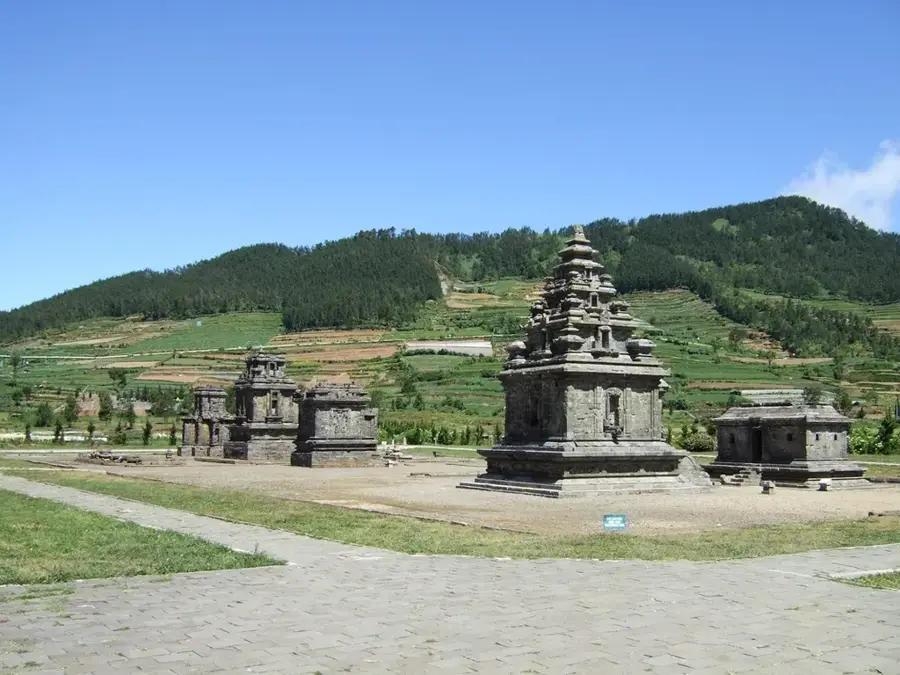
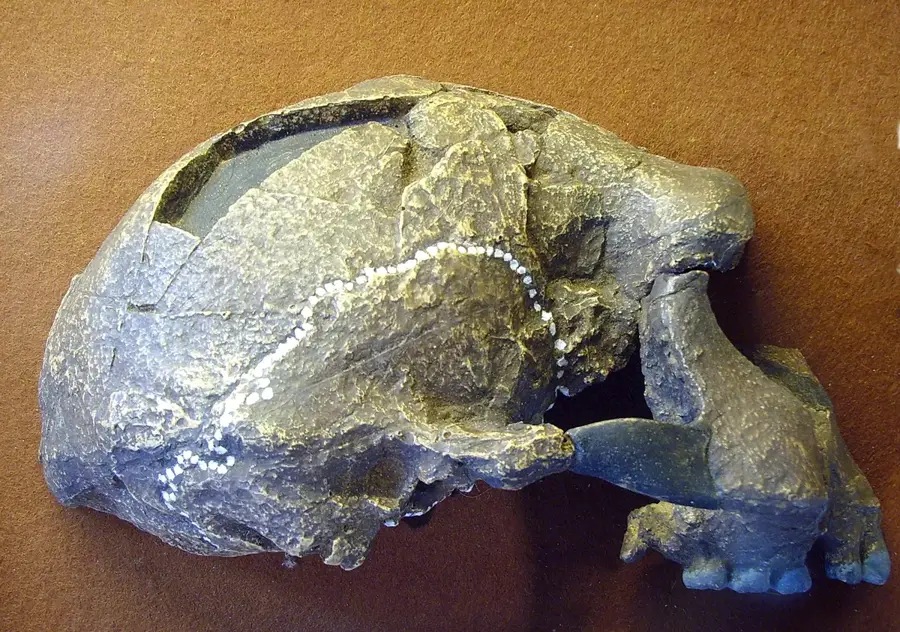
Sangiran is a world-renowned paleoanthropological site located in Central Java, recognized as a UNESCO World Heritage site in 1996. It serves as a vital record of human evolution, having yielded over 50 fossils of Homo erectus, which accounts for approximately half of all such discoveries globally. The site's unique geological formation provides a continuous stratigraphy spanning from 1.5 million to 200,000 years ago, allowing scientists to study long-term environmental changes. In addition to hominid remains, researchers have unearthed a vast array of prehistoric animal fossils, including ancient elephants, rhinoceroses, and stone tools used by early humans. A state-of-the-art museum complex at the site showcases these findings and educates the public on the origins of humanity in Southeast Asia. Sangiran remains a cornerstone of international research into the migration and adaptation of early man.

Best time to visit & climate

The most pleasant time to visit is Jun–Aug.

JanFebMarAprMayJunJulAugSepOctNovDec
Avg °C252526262625252628282726
Rain mm3383382331851197643224494173280

📋 Practical info

🚪
Visiting
The Sangiran Early Man site is open to visitors and includes a museum and open-air excavation sites. Most areas are accessible, but some active excavations are cordoned off.
🕒
Typical hours
The museum is typically open from 8 am to 4 pm, while the outdoor area can be visited a bit longer. On regional holidays the museum may be closed.
📷
Photography
Photography is allowed in the exhibition halls without flash, and outdoors without restrictions. Some areas may have special rules, so watch for signs.
⏱️
Time needed
Allow about 1.5 to 2 hours for a visit to the museum and a walk around the site. Those who want to delve deeper into paleontological details can spend up to 3 hours.
Combine with
The site is near Surakarta (Solo), famous for its palaces and batik markets. Combining it with a visit to Mangkunegaran Palace or Solo's batik market is worthwhile.
🧭
Getting there
The site is reachable from Surakarta by bus or taxi in about an hour. A local bus goes to Sangiran, from the stop a 10-minute walk.
💡
Insider tip
Bring sun protection and water as the site has little shade. A visit early in the morning is more pleasant before the midday heat sets in.

Geography

Coordinates
-7.45780, 110.83290

Facts

  • The archaeological site spans an area of approximately 56 square kilometers.
  • G.H.R. von Koenigswald discovered the first Homo erectus fossil here in 1936.
  • The fossil record at Sangiran dates back as far as 1.5 million years ago.
  • Over 13,000 individual animal and hominid fossils have been cataloged at the site.
  • The site preserves layers from the Lower, Middle, and Upper Pleistocene periods.
  • Sangiran is considered one of the world's most productive sites for human evolution.

Explore nearby

Notable places around

Route planner — Car & Motorhome

Where do you start? We build the route here, with stops and country notes along the way.

Vehicle
Only stops with (optional):

© OpenStreetMap contributors · OpenRouteService

Sights in the town Sangiran Early Man Site (14)

Museum Manusia Purba Sangiran🏛 museum

The Sangiran Early Man Museum is a renowned UNESCO World Heritage site showcasing pivotal Homo erectus fossils.

Museum Manusia Purba Sangiran Kluster Ngebung🏛 museum

The Ngebung Cluster of the Sangiran Early Man Museum focuses on the area's rich paleoanthropological history.

Monumen Randu Alas🏺 historical

Monumen Randu Alas is a local commemorative structure located in the Sangiran region.

Tugu Tani Kleben🏺 historical

Tugu Tani Kleben is a notable monument celebrating agricultural heritage in the Sangiran area.

Tugu Ireng🏺 historical

Tugu Ireng is a landmark monument standing as a point of interest within the Sangiran district.

Koperasi Artha Jaya Makmur⛪ religious

Koperasi Artha Jaya Makmur functions as a gathering place of worship in the Sangiran region.

Kapel Gua Maria Mojosongo⛪ religious

Kapel Gua Maria Mojosongo is a peaceful Catholic chapel and Marian shrine located in the Sangiran area.

Pondok Pesantren Al-Inshof⛪ religious

Pondok Pesantren Al-Inshof is an Islamic boarding school and place of worship in the Sangiran district.

Pasar Desa Manggung🎭 culture

Pasar Desa Manggung is a village marketplace providing everyday necessities to residents in the Sangiran area.

Pasar Klodran🎭 culture

Pasar Klodran is a lively traditional market situated within the greater Sangiran region.

Pasar Gemolong Asri🎭 culture

Pasar Gemolong Asri is a bustling marketplace where locals trade goods in the Sangiran area.

GKI Nusukan📍 landmark

GKI Nusukan is a Christian church welcoming the faithful in the Sangiran area.

GBI Agape Nusukan📍 landmark

GBI Agape Nusukan serves as a spiritual center for the Christian community near Sangiran.

GKJ Nusukan📍 landmark

GKJ Nusukan is a local Christian house of worship located in the vicinity of Sangiran.

Sights nearby

Frequently asked questions

What can you see at Sangiran?
A museum with 'Java Man' fossils and prehistoric animal skeletons.
Is it a UNESCO World Heritage site?
Yes, it was recognized in 1996 for its significance in human evolution.
How to reach the site?
It is located about 15 km north of Surakarta (Solo) and is accessible by car.
Is it suitable for children?
Yes, life-sized models of prehistoric creatures are very exciting for children.
Are there guided tours?
Local guides are available at the museum entrance, usually in English.
Sangiran Early Man Site: where is it located?
Sangiran Early Man Site is located in Indonesia.
Sangiran Early Man Site: what is there to see?
Highlights include Museum Manusia Purba Sangiran, Museum Manusia Purba Sangiran Kluster Ngebung, Monumen Randu Alas.
Sangiran Early Man Site: when is the best time to visit?
The most pleasant time to visit is Jun, Aug.
Sangiran Early Man Site: why is it worth visiting?

Sangiran is a world-renowned paleoanthropological site located in Central Java, recognized as a UNESCO World Heritage site in 1996.
View on map → The Top 50 Attractions → OpenStreetMap →
Asia
Explore with Plizio Discover more places in Asia
More places in Indonesia →

Nearby cities

History & landmarks
More places