Plizio Visual Lab
Fort Alexandre
Weather…
Water temperature…
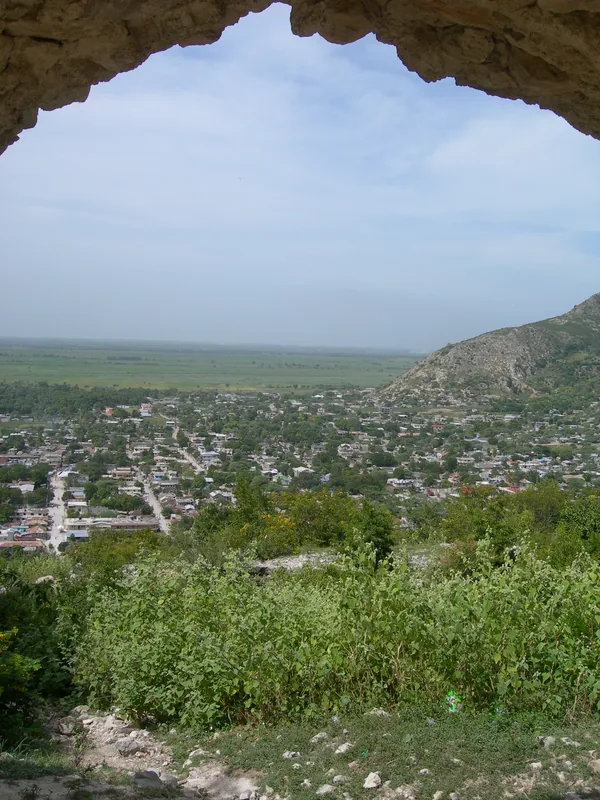
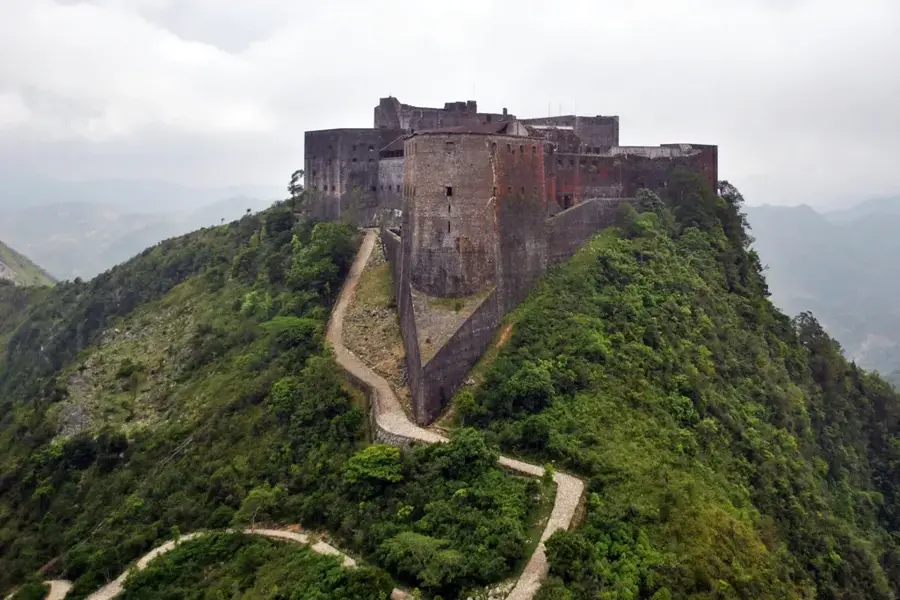
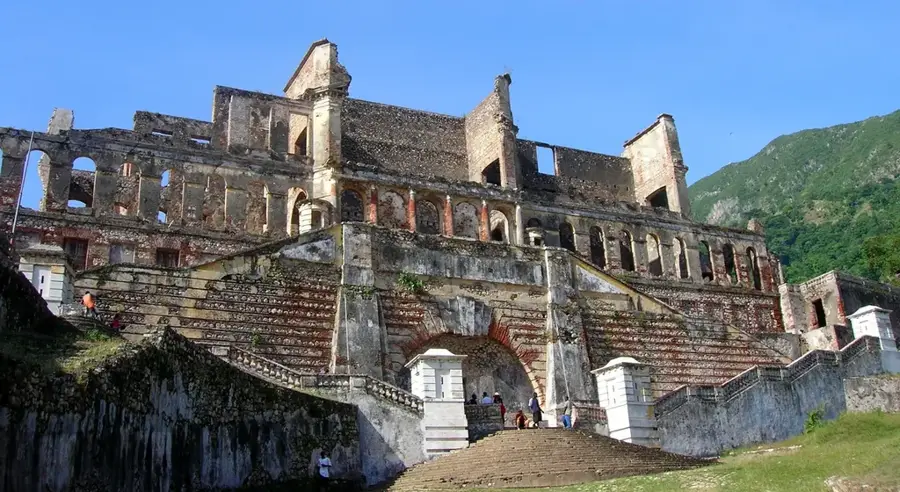
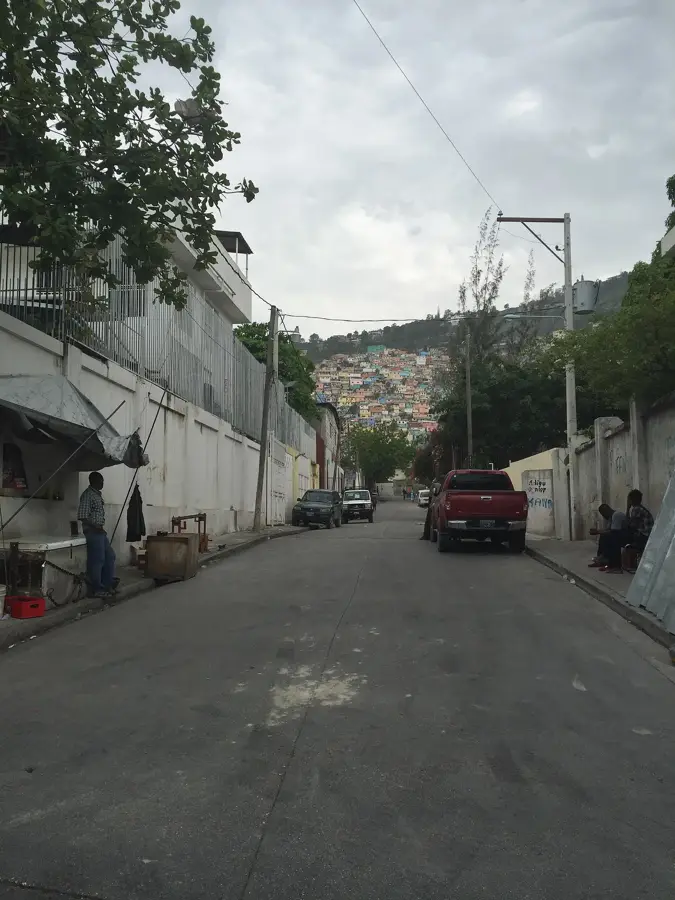
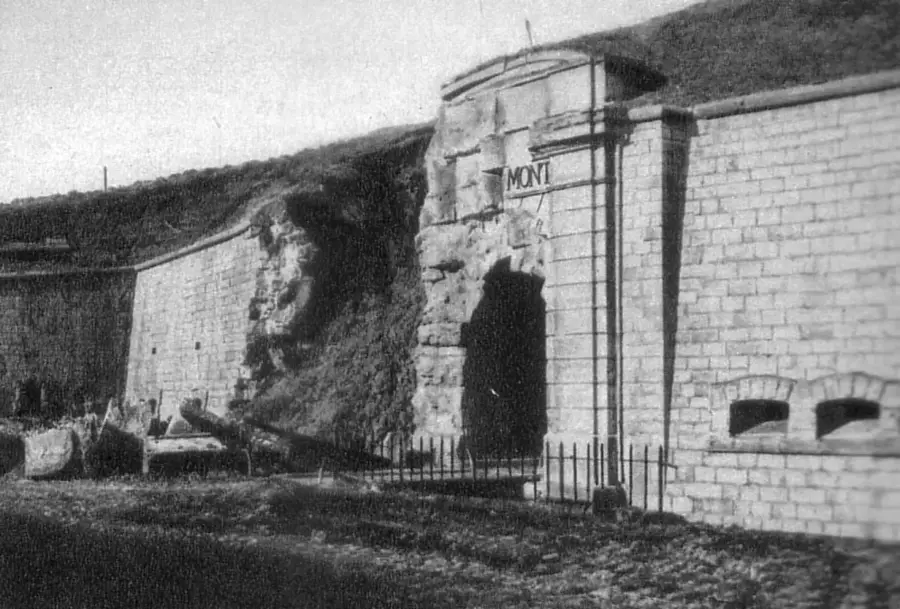
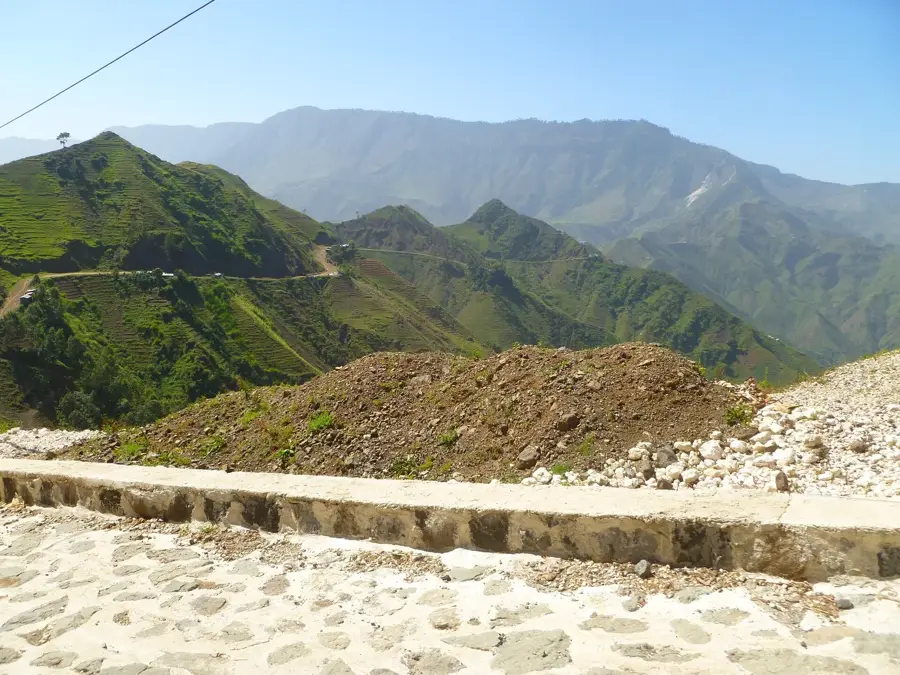
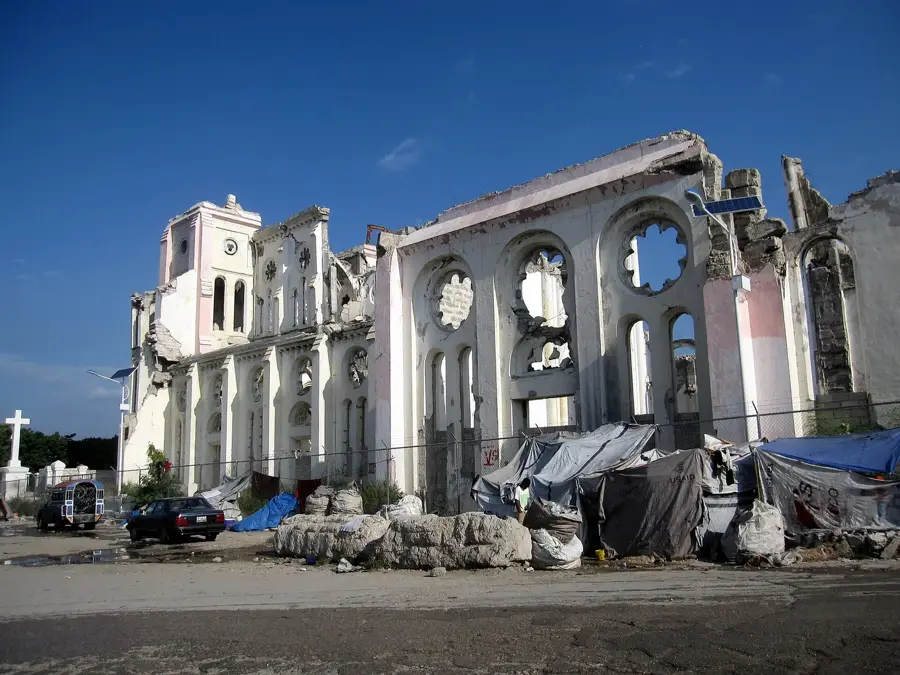
Fort Alexandre is a strategic fortification situated on the heights overlooking Port-au-Prince, constructed between 1804 and 1806 under the direction of Alexandre Pétion. It was a vital component of the extensive defense network established by Jean-Jacques Dessalines to safeguard the newly independent Republic of Haiti against potential French re-invasions. Positioned to provide a commanding view of the bay, the fort worked in tandem with the nearby Fort Jacques to secure the capital's mountainous perimeter. Currently, the site serves as a poignant monument to the Haitian Revolution and a testament to the early 19th-century military engineering of the nation. The architecture reflects the immediate necessity of securing sovereignty for the world's first independent Black republic. While the passage of time has left the structure in a state of ruin, its historical significance remains central to Haiti's national identity.
- Location: Haiti
- Nearby: Marigot (9 km)
Best time to visit & climate
The most pleasant time to visit is Jan–Mar.
| Jan | Feb | Mar | Apr | May | Jun | Jul | Aug | Sep | Oct | Nov | Dec | |
|---|---|---|---|---|---|---|---|---|---|---|---|---|
| Avg °C | 26 | 26 | 26 | 27 | 28 | 28 | 29 | 29 | 29 | 28 | 27 | 26 |
| Rain mm | 19 | 16 | 25 | 37 | 62 | 41 | 38 | 64 | 49 | 75 | 56 | 28 |
📋 Practical info
Geography
Facts
- Construction of the fort began in 1804, following the declaration of independence.
- The site was named after Alexandre Pétion, a general and future president of Haiti.
- It belongs to a chain of fortifications designed to protect the capital city.
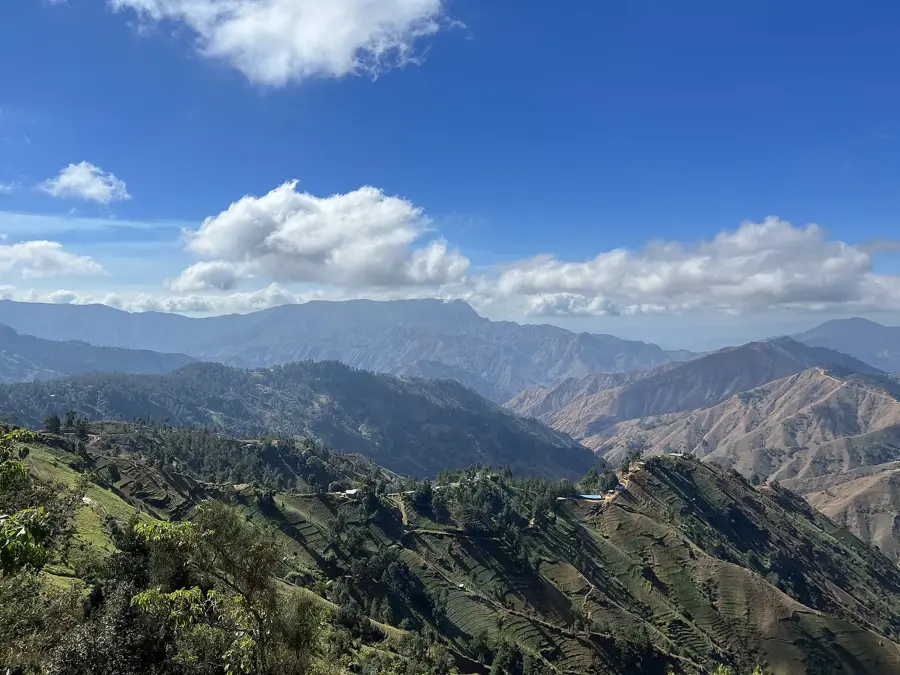
- Located near Kenscoff, the fort occupies a high strategic vantage point.
- The facility was part of Dessalines' national defense strategy against French forces.
- Fort Alexandre is currently preserved as a national historical monument.
Explore nearby
Notable places around
Route planner — Car & Motorhome
Where do you start? We build the route here, with stops and country notes along the way.
© OpenStreetMap contributors · OpenRouteService
Sights in the town Fort Alexandre (1)
Sights nearby
Frequently asked questions
What was the purpose of Fort Alexandre?
When was the fort built?
Is the climb to the fort difficult?
Is there a view from there?
Are guided tours available?
Fort Alexandre: where is it located?
Fort Alexandre: when is the best time to visit?
Fort Alexandre: why is it worth visiting?
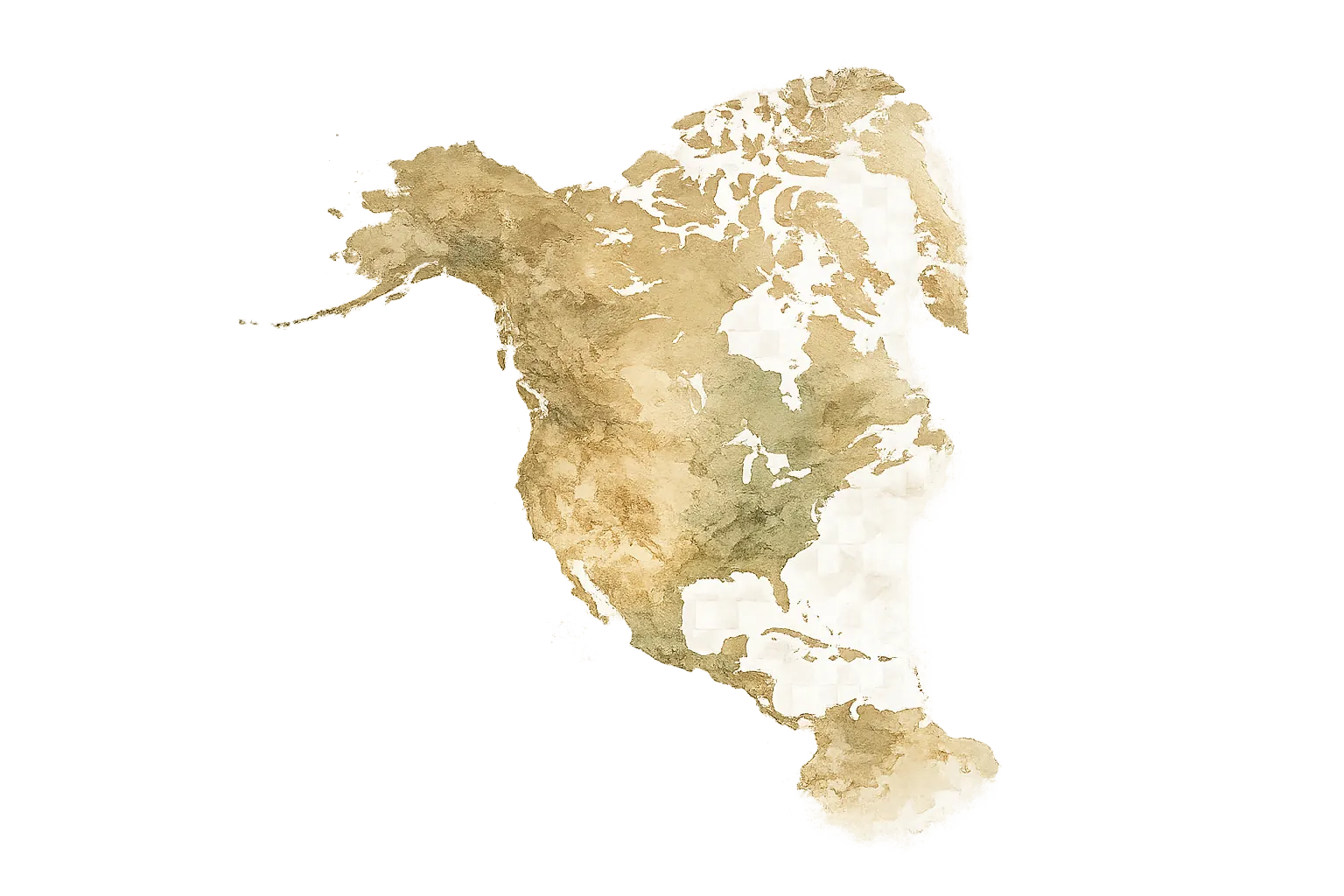
Nearby cities
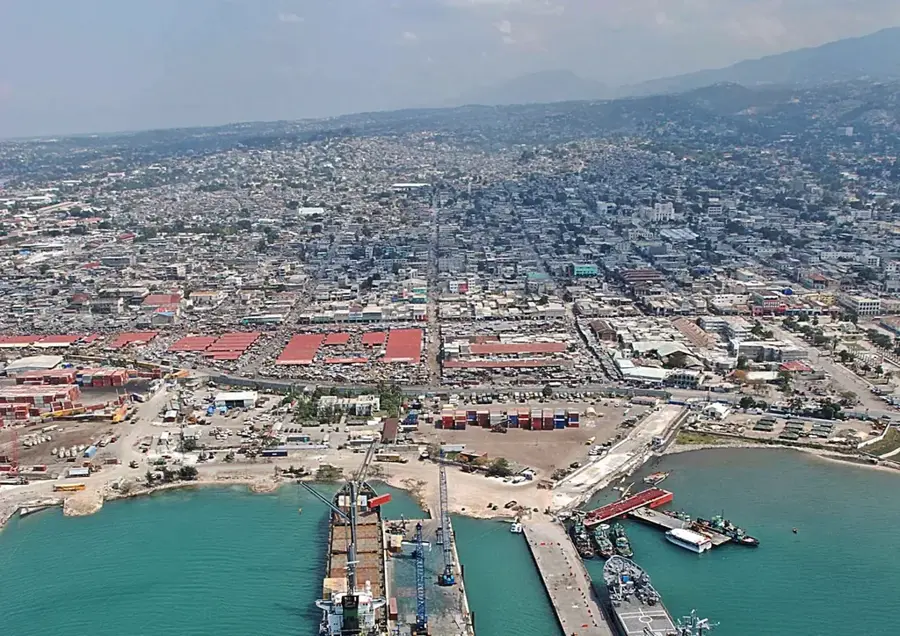
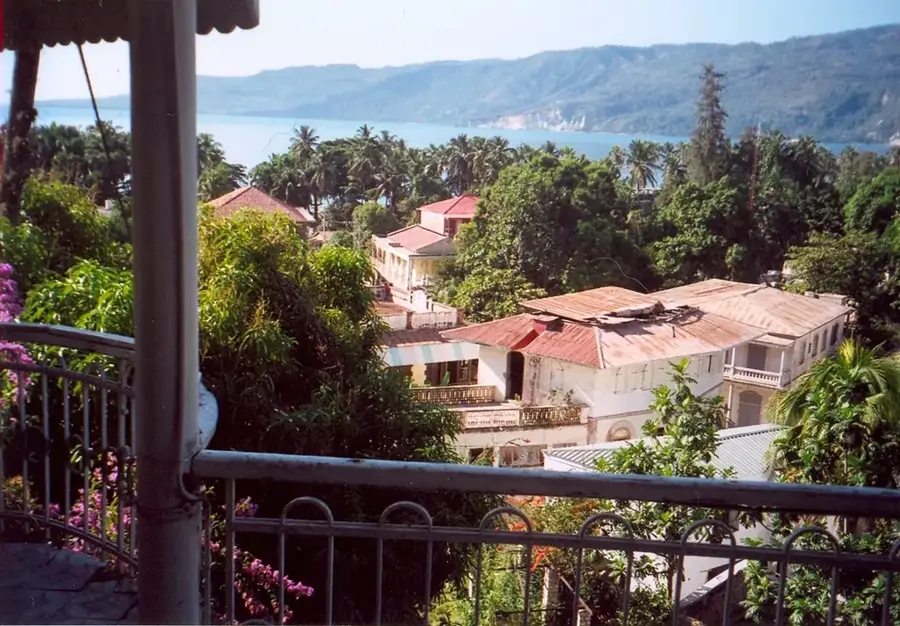
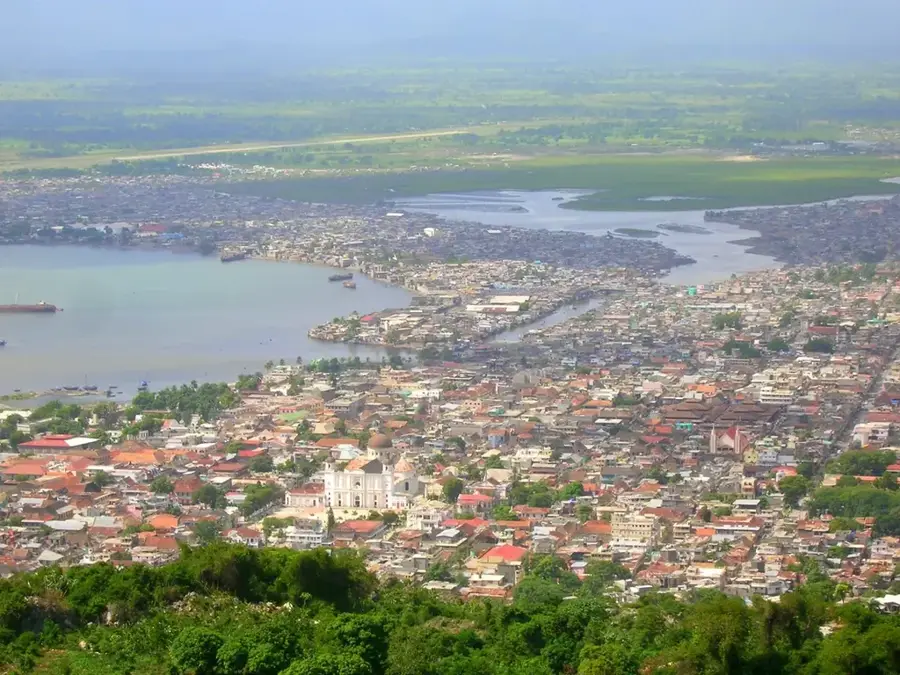
History & landmarks

Nature
More places