Plizio Visual Lab
Conakry
ℹ️Practical info — Conakry
▾
🌤 Weather — 5 days
📍 Nearby
Sights nearby
💡 Tips
- Always carry enough Guinean Francs in cash, as card payments are rare.
- Traffic jams are severe; always allow extra time to cross the city.
- The rainy season (July-August) brings heavy downpours; pack a good raincoat.
- Shared taxis (magbanas) are cheap but can be very crowded.
🍽 Food
Try this chicken dish in a lemon-onion sauce at local restaurants.
A popular rice dish you can find at street stalls.
Buy fresh mangoes or pineapples at local markets.
🛍 Shopping · 🧘 Quiet spots
One of West Africa's largest markets; best visited with a guide.
Look for beautiful traditional wood carvings here.
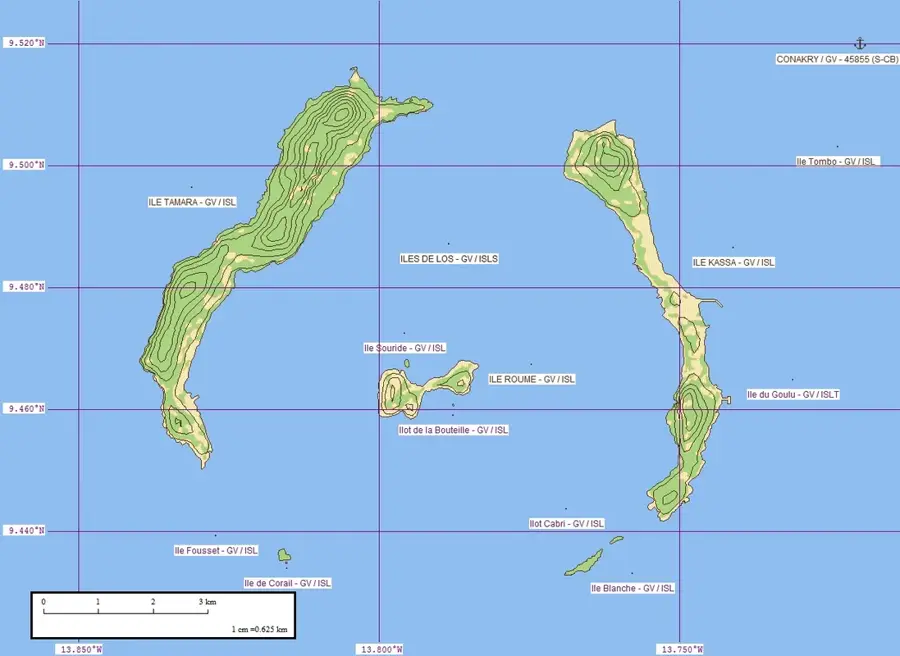
Take a short boat ride to these relaxing islands.
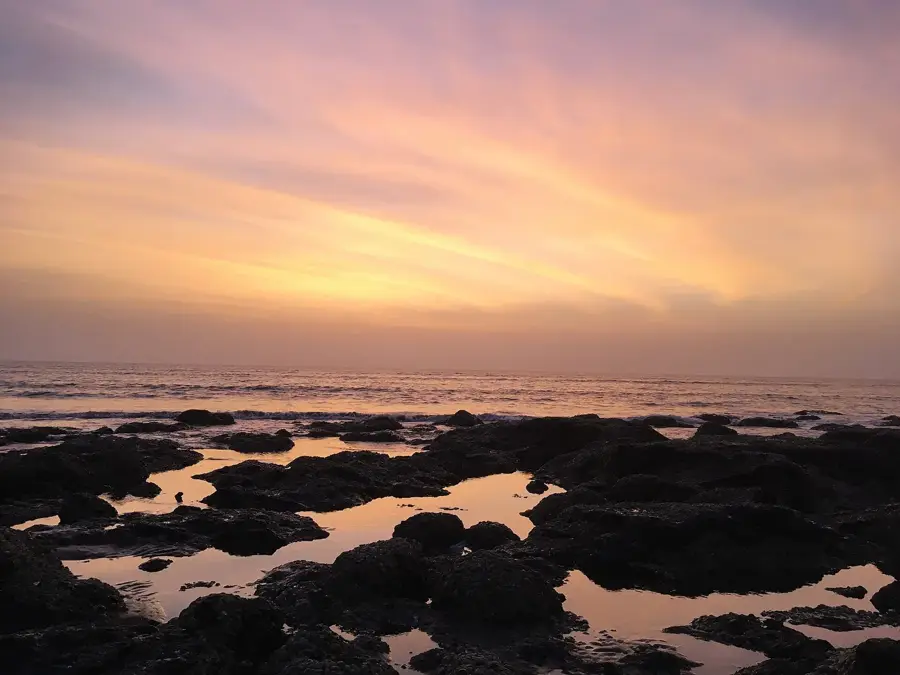
A seaside walk with a fresh ocean breeze.
Water temperature…
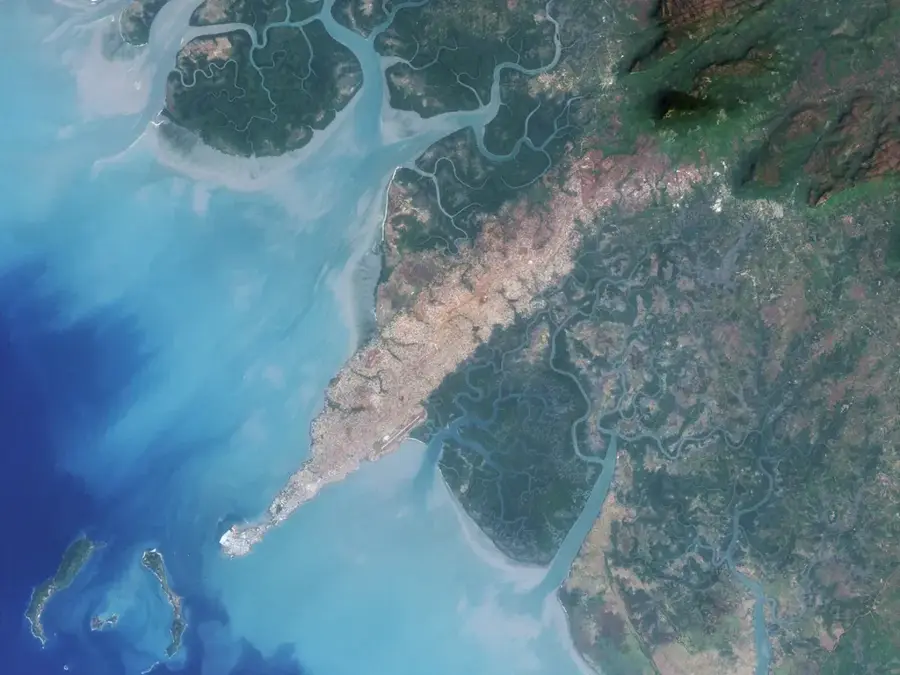
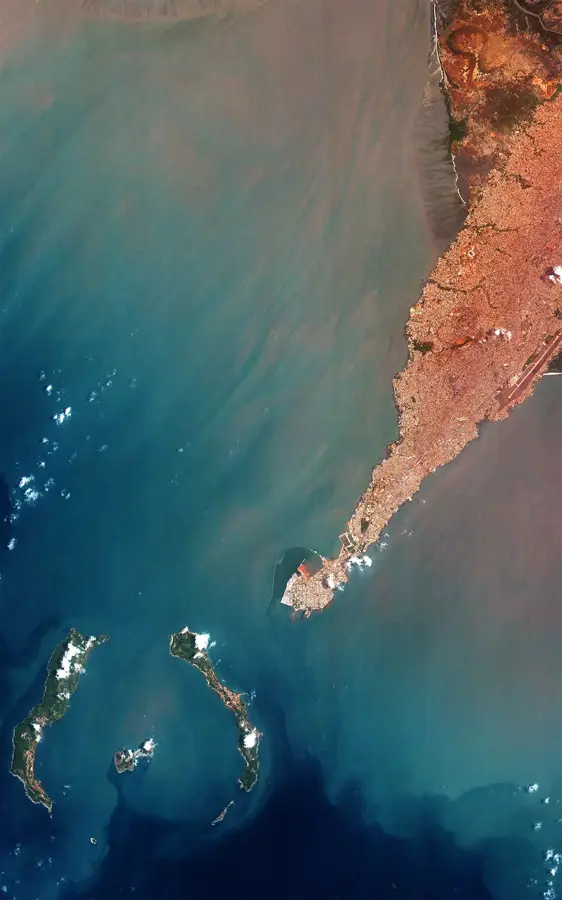
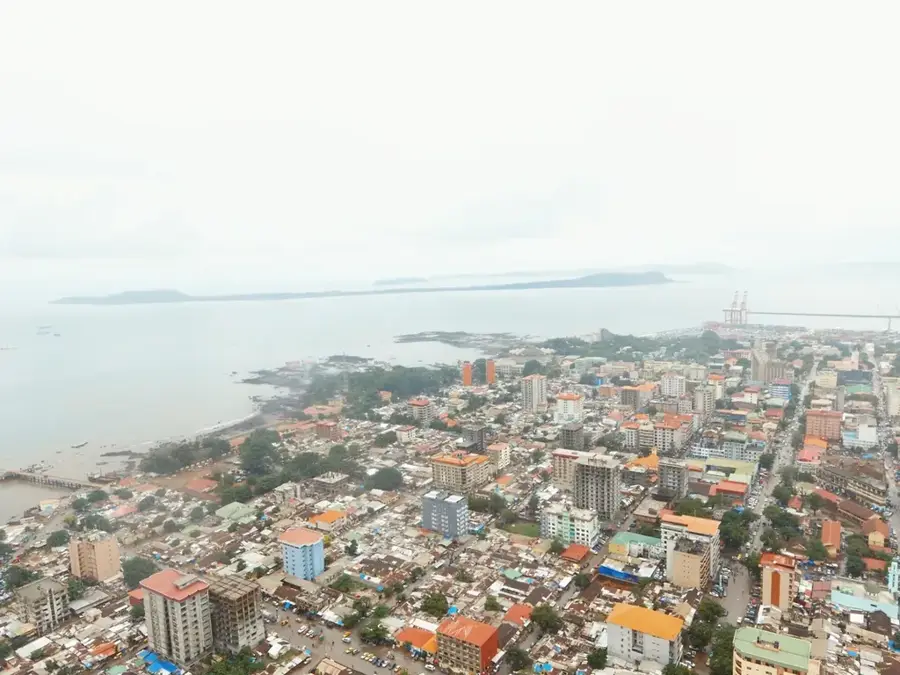
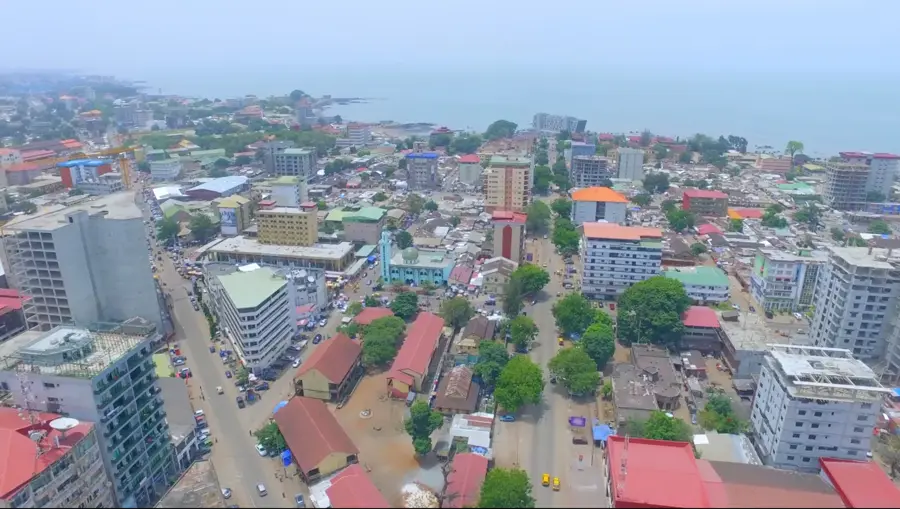
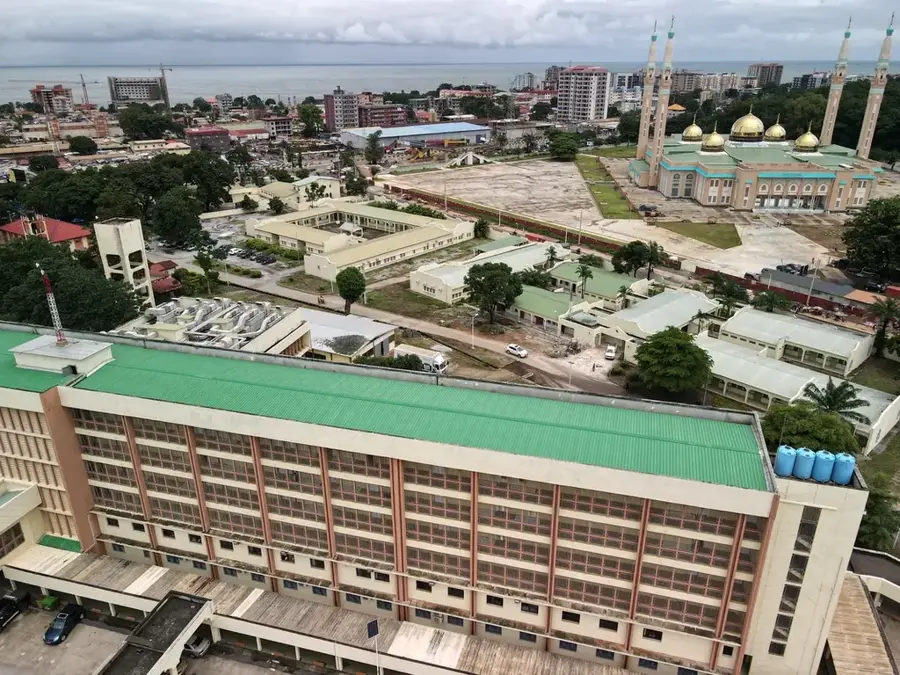
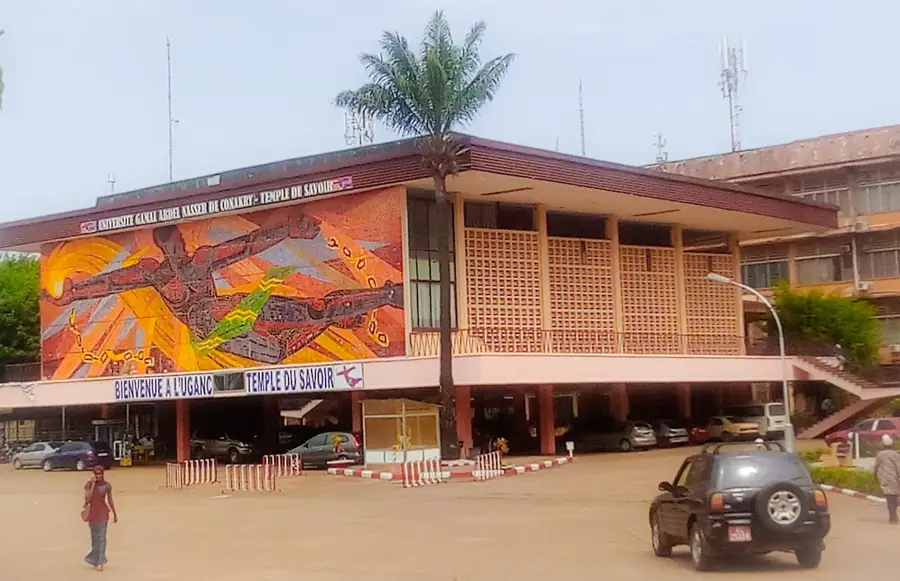
Conakry, the capital and largest city of Guinea, is a major port city situated on the Kaloum Peninsula and Tombo Island, jutting into the Atlantic Ocean. Its history as a modern city began in 1887 when the French established it as the capital of their colonial territory. Today, Conakry is the administrative, financial, and cultural hub of Guinea, housing the presidency and all government ministries. The city is known for its intense energy and bustling street life, centered around landmarks like the Conakry Grand Mosque and the National Museum, which preserves a rich collection of traditional masks and instruments. Economically, the Port of Conakry is the city's lifeline, handling massive volumes of bauxite, alumina, and iron ore exports. The city's geography is unique, with the narrow peninsula creating a linear urban layout that presents both beauty and logistical challenges. Demographically, Conakry is home to nearly 2 million people, reflecting Guinea's diverse ethnic makeup of Susu, Fula, and Mandinka communities. The city is a world-renowned center for African music and dance, notably being the birthplace of Les Ballets Africains. The nearby Loos Islands (Îles de Los) provide a scenic escape with their pristine beaches and historic sites related to the early colonial period. Conakry's climate is characterized by an extreme monsoon season from June to September, making it one of the wettest cities in the world. Education is centered at the Gamal Abdel Nasser University of Conakry, the country's premier institution for higher learning. Despite infrastructure needs in power and transport, Conakry remains a resilient and bustling capital, serving as a critical node in West Africa's maritime trade and a beacon of Guinean national identity.
- Location: Guinea
- Top sights: Billy Décor · Joyce Galerie · Madina market enter
- Nearby: Conakry (5 km)
- Population: ~1.928.389 (2023)
Best time to visit & climate
The most pleasant time to visit is Jan–Mar.
| Jan | Feb | Mar | Apr | May | Jun | Jul | Aug | Sep | Oct | Nov | Dec | |
|---|---|---|---|---|---|---|---|---|---|---|---|---|
| Avg °C | 27 | 27 | 27 | 27 | 28 | 27 | 26 | 26 | 26 | 27 | 28 | 28 |
| Rain mm | 0 | 2 | 1 | 13 | 90 | 353 | 826 | 943 | 441 | 173 | 53 | 3 |
Geography
Facts
- Conakry accounts for over 70% of Guinea's industrial activity.
- The city's 'Corniche Nord' and 'Corniche Sud' are major coastal transit routes.
- Conakry was the first city in West Africa to have a public bus system.
- The Loos Islands were originally a British possession before being traded to France.
- The Palais Mohammed V is the seat of the Guinean government.
- Conakry is the headquarters of the African Union of Music.
- The city faces the Atlantic Ocean on three sides due to its peninsular shape.
- The 28 September Stadium is the main venue for sports and national celebrations.
Explore nearby
Notable places around
Route planner — Car & Motorhome
Where do you start? We build the route here, with stops and country notes along the way.
© OpenStreetMap contributors · OpenRouteService
Sights in the town Conakry (9)
Livre
Monument shaped like an open book, symbolizing knowledge.
Statue de Conakry
Large statue in a public space in the city of Conakry.
Samory Touré
Monument honoring the resistance fighter Samory Touré.
Permanence Dixinn
Cultural center in the Dixinn district with event spaces.
Centre Culturel Franco-Guinéen
Cultural center with an artistic focus on digital arts and a media library with digital tools and offline document collection.
Frequently asked questions
How many days are needed to explore Conakry?
What typical dish should one try in Conakry?
What is the best way to get around in Conakry?
When is the best time to travel to Conakry?
Is Conakry a family-friendly city?
Conakry: where is it located?
Conakry: what is there to see?
Conakry: when is the best time to visit?
Conakry: why is it worth visiting?

History & landmarks
Nature
More places