Plizio Visual Lab
Independence Monument
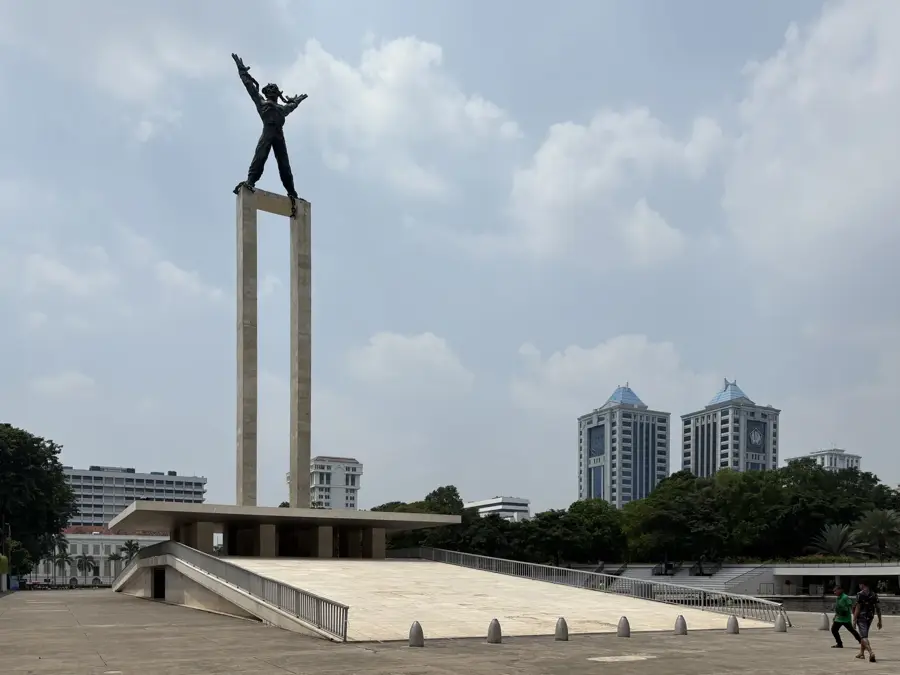
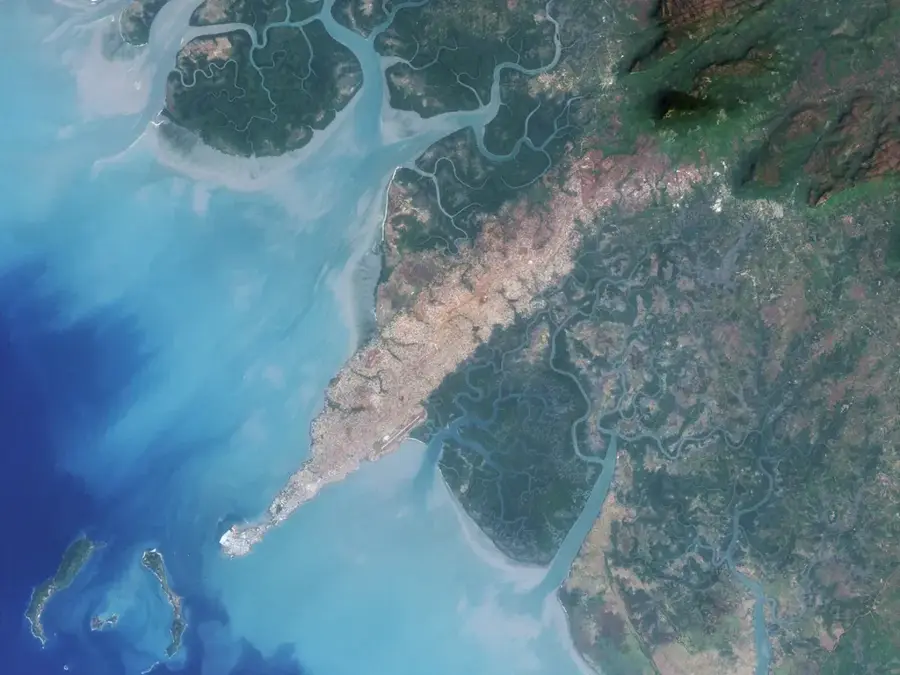
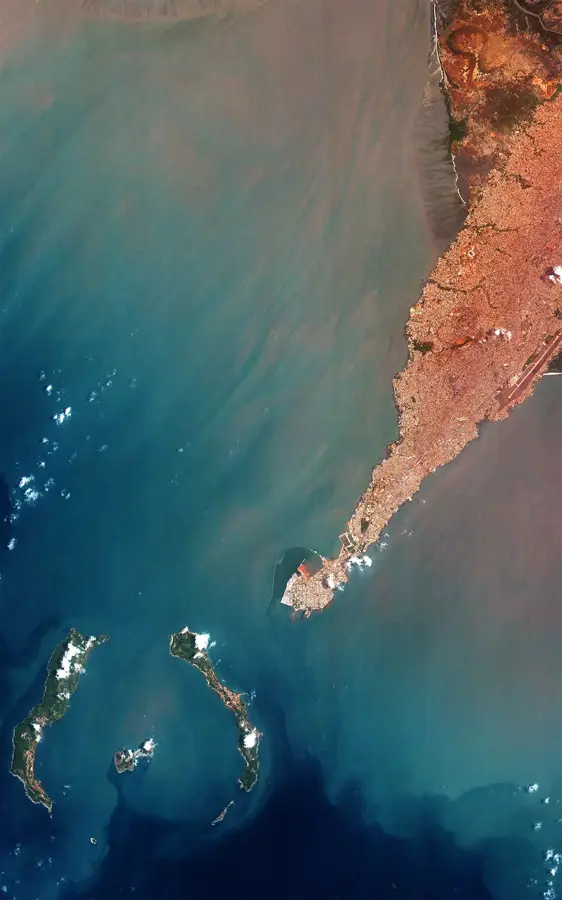
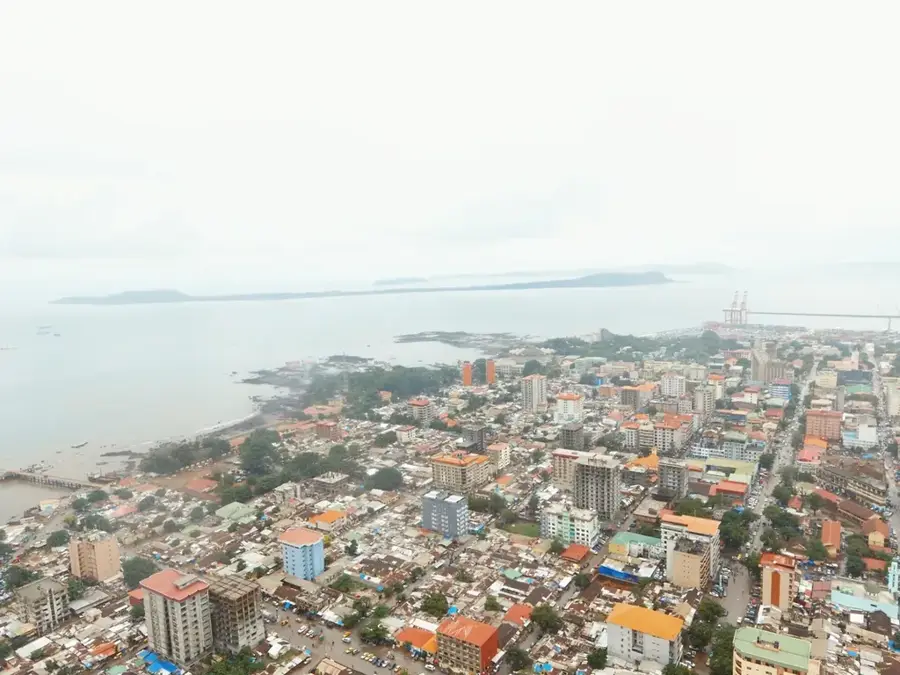
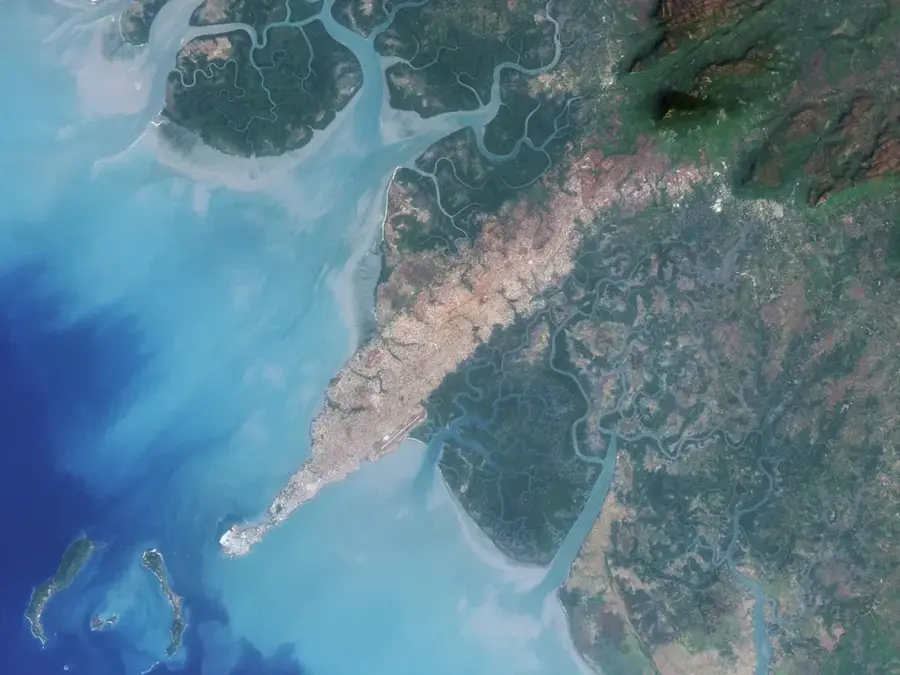
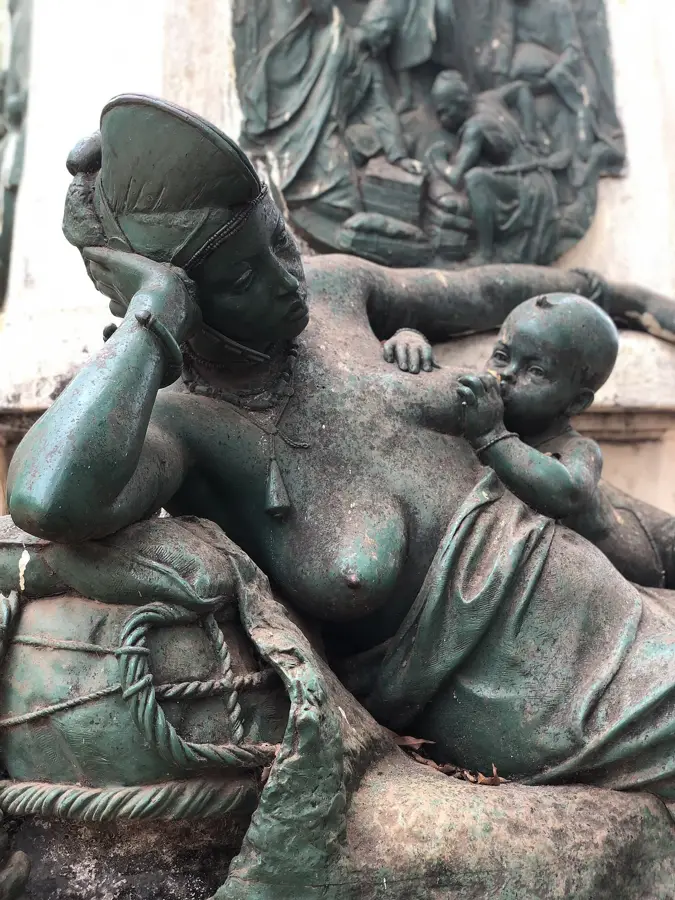
The Independence Monument in Conakry (Monument de l'Indépendance) is a powerful symbol of Guinea's national identity and its path to sovereignty. It was erected to honor October 2, 1958, the day Guinea became the first French colony in Sub-Saharan Africa to declare independence, following a decisive 'No' vote in the constitutional referendum. Geographically, the monument is located in a central plaza on the Kaloum Peninsula, in the heart of the administrative and commercial district. The architecture is dignified and straightforward, featuring a soaring obelisk or stela set within a small public park. Historically, the site is the emotional core of the capital; it serves as the primary venue for annual Independence Day celebrations, where the President lays wreaths in memory of the nation's founders. For Guineans, the monument represents the spirit of resistance against colonial rule and the collective will for self-determination. Despite the bustling environment of downtown Conakry, the monument maintains an aura of solemnity. It acts as a permanent reminder of the sacrifices made for freedom and is an essential element of Guinea's national and political pride.
- Location: Guinea
- Top sights: Atelier de couture Mme Keita · Statut des Antilopes · Cathédrale Sainte-Marie
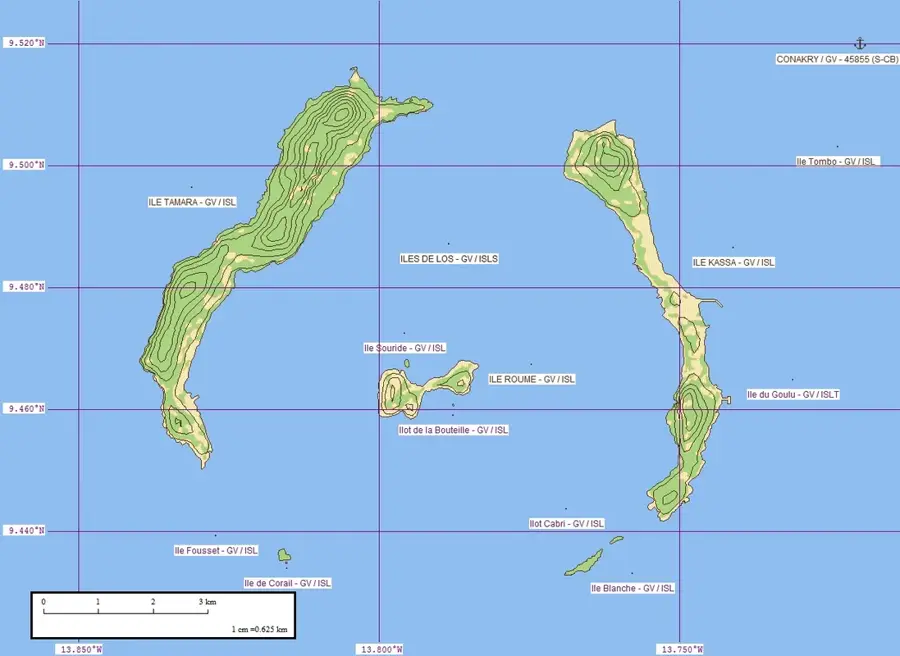
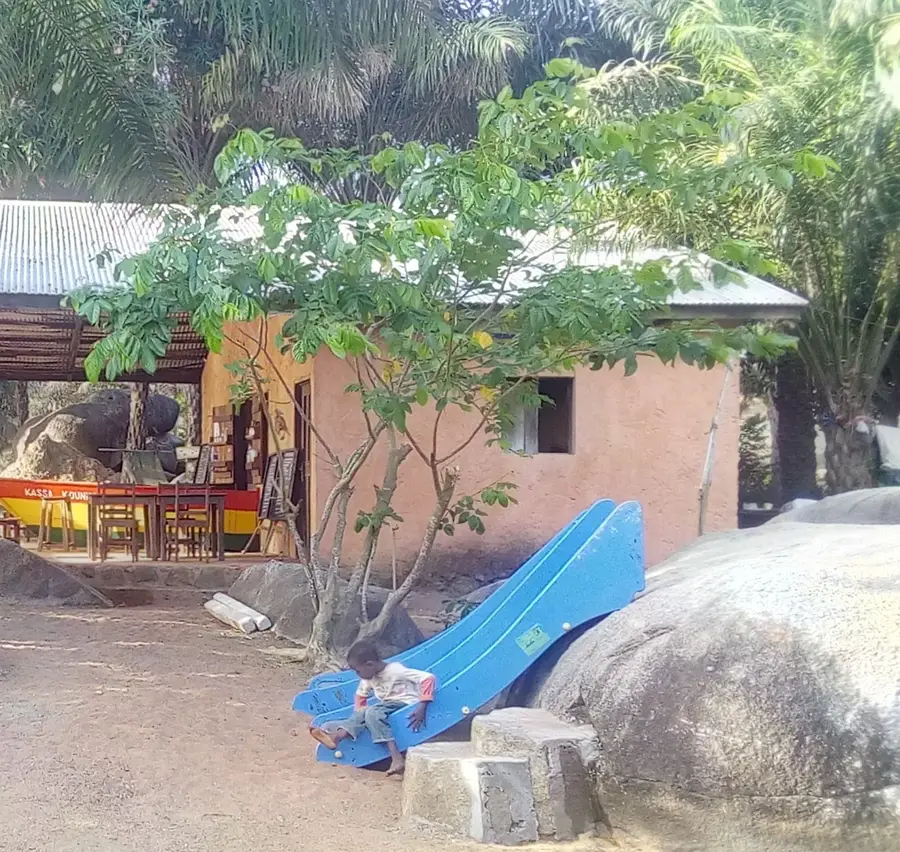
- Nearby: Kassa Island (7 km)
Best time to visit & climate
The most pleasant time to visit is Jan–Mar.
| Jan | Feb | Mar | Apr | May | Jun | Jul | Aug | Sep | Oct | Nov | Dec | |
|---|---|---|---|---|---|---|---|---|---|---|---|---|
| Avg °C | 27 | 27 | 27 | 27 | 28 | 27 | 26 | 26 | 26 | 27 | 28 | 28 |
| Rain mm | 0 | 2 | 1 | 13 | 90 | 353 | 826 | 943 | 441 | 173 | 53 | 3 |
📋 Practical info
Geography
Facts
- The monument commemorates the independence achieved on October 2, 1958.
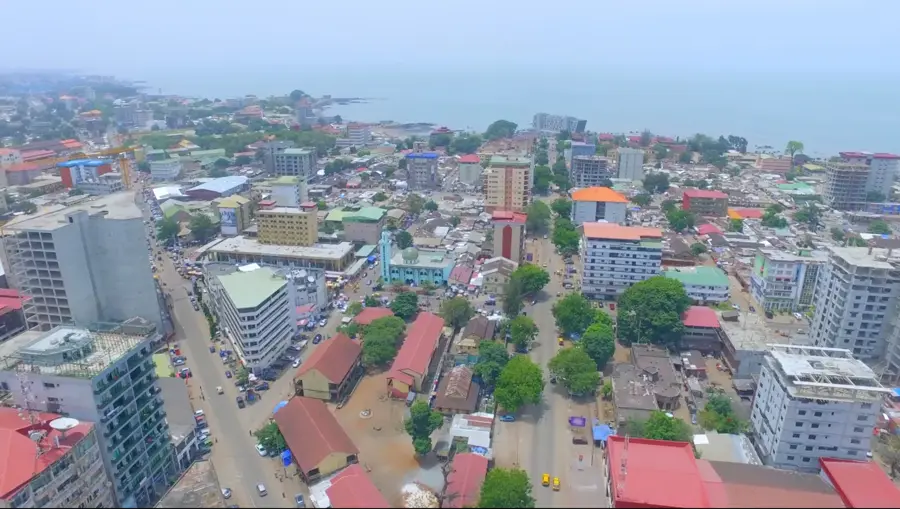
- It is located within the central business and administrative hub of Kaloum.
- The site is the main venue for official wreath-laying ceremonies.
- Guinea was the first and only colony to vote for immediate independence from France.
- The monument is a key landmark for orienting oneself in downtown Conakry.
- It serves as a testament to the nation's leadership in African decolonization.
Explore nearby
Notable places around
Route planner — Car & Motorhome
Where do you start? We build the route here, with stops and country notes along the way.
© OpenStreetMap contributors · OpenRouteService
Sights in the town Independence Monument (10)
Place des martyrs de Kaloum
Square in the Kaloum district, commemorating the martyrs. A memorial site.
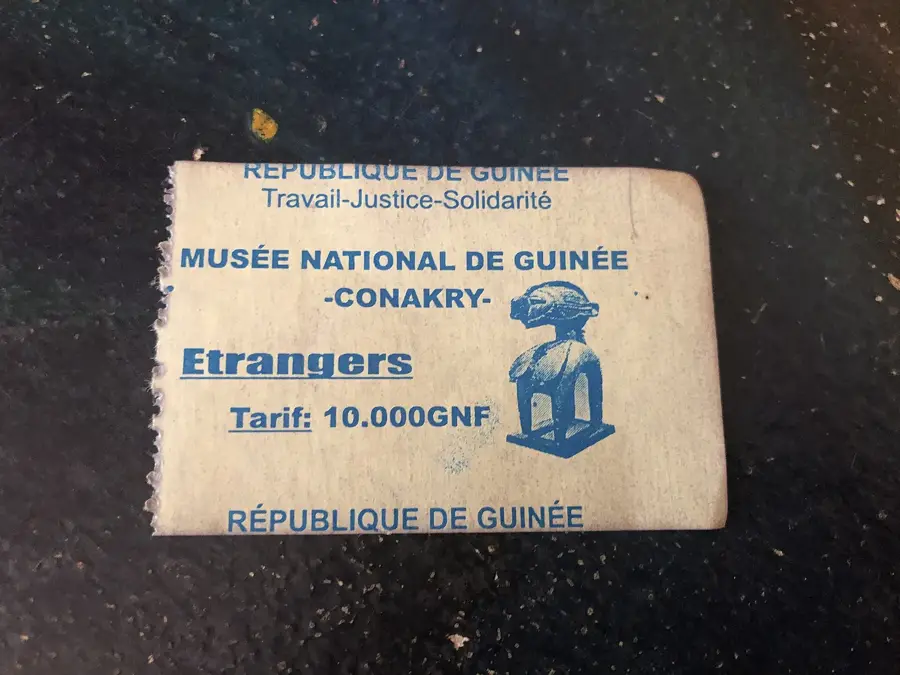
Musée national de Guinée🏛 museum
National museum of Guinea in Conakry. It displays cultural and historical artifacts.
Palais Présidentiel🏰 castle
Presidential palace in Conakry, residence of the head of state. Located in the government district.
Monument du 22 novembre 1970
Monument in Conakry commemorating the events of November 22, 1970. A memorial.
Palais Roi Mohamed V🏰 castle
Palace in Conakry, named after King Mohamed V of Morocco. A historic building.
Centre Culturel Franco-Guinéen
Cultural center with a digital arts hub and a media library offering offline document access.
Sights nearby
Frequently asked questions
What does the independence monument represent?
Does it cost money to visit?
Is photography allowed there?
How much time should I plan for?
Is the square lit at night?
Independence Monument: where is it located?
Independence Monument: what is there to see?
Independence Monument: when is the best time to visit?
Independence Monument: why is it worth visiting?

Nearby cities
History & landmarks


Nature
More places