Plizio Visual Lab

Tacaná Volcano
Plizio editorial teamData Sources
Mountain
—°3
Tacaná Volcano (Guatemala)

Weather…

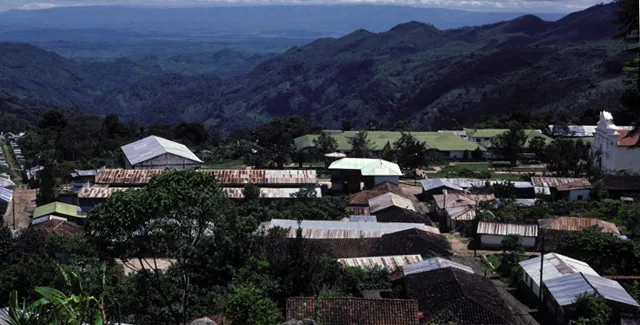
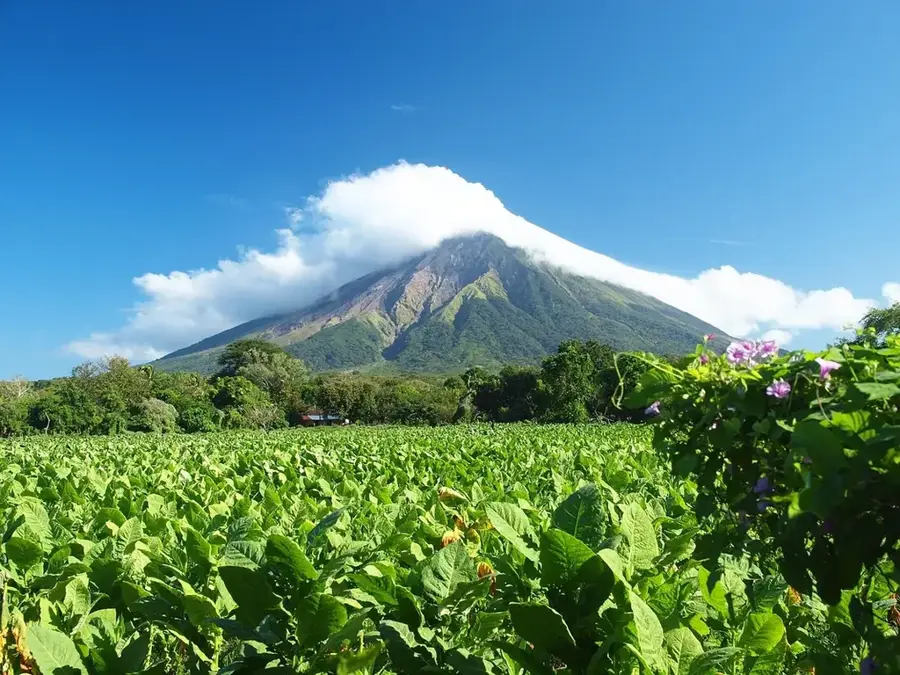
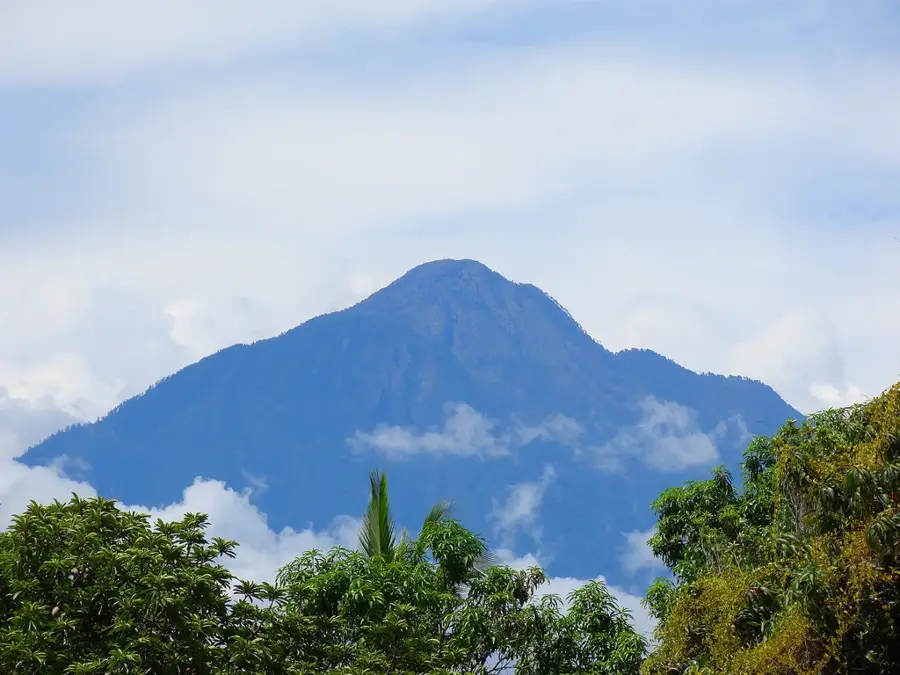
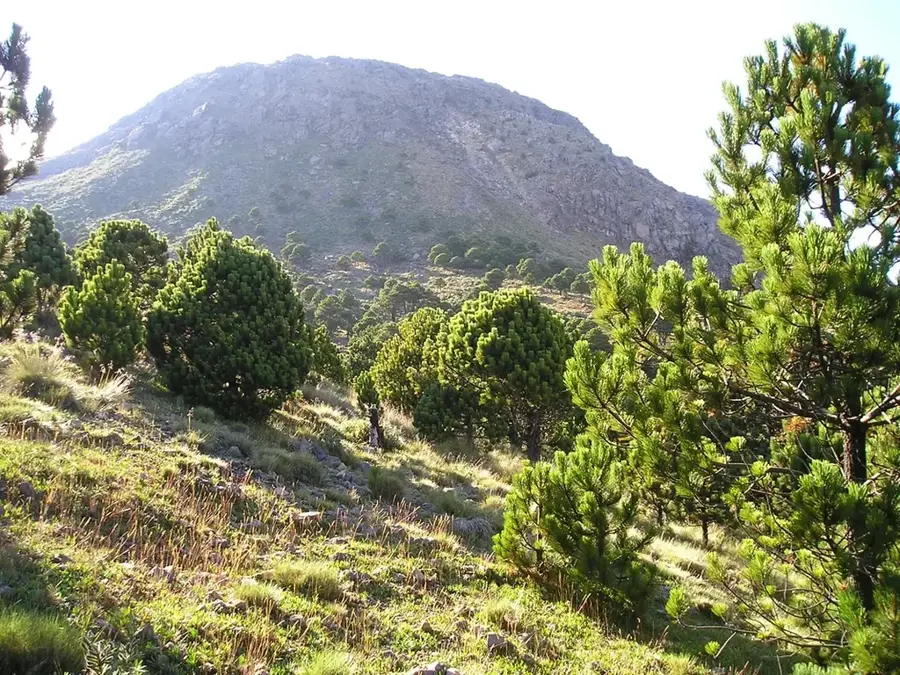
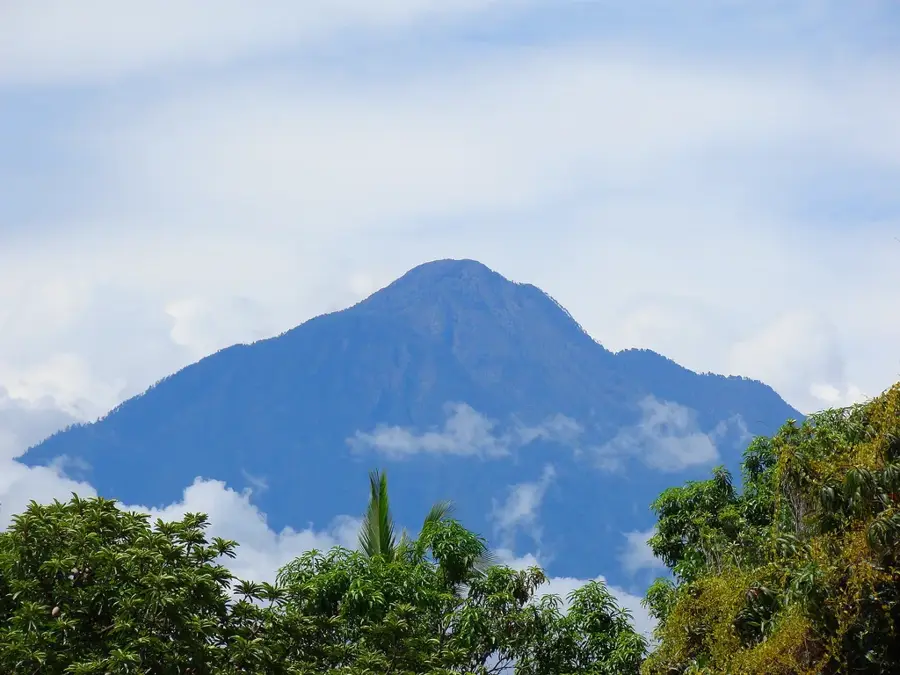
Tacaná Volcano, standing at 4,060 meters, is the second-highest peak in Central America, straddling the border between the Guatemalan department of San Marcos and the Mexican state of Chiapas. This active stratovolcano marks the northwestern end of the Central American Volcanic Arc and is part of a complex volcanic system. The region was designated a UNESCO Biosphere Reserve in 2003 due to its exceptional biodiversity, ranging from tropical rainforests to alpine ecosystems. Historically, several phases of seismic activity were recorded during the 19th and 20th centuries, with the last phreatic eruption occurring in 1986. For the indigenous Mam-Maya people, the mountain holds deep spiritual significance and is revered as a sacred site. Climbing the summit takes hikers through various climatic zones and has a panoramic view stretching as far as the Pacific Ocean on clear days.

Best time to visit & climate

The most pleasant time to visit is Feb, Mar, Dec.

JanFebMarAprMayJunJulAugSepOctNovDec
Avg °C171819202019191919191817
Rain mm5725712483322473083803136810

📋 Practical info

🧭
Getting there
From the Guatemalan side, the trek often begins in the town of Sibinal within the San Marcos department, reachable via a long and winding road. Local buses run from San Marcos city, but the journey is time-consuming and requires patience due to the challenging road conditions in the high mountain region.
📅
Best season
Visitors should plan their hike for the dry season between November and April to avoid heavy rainfall and muddy trail conditions. During these months, the probability of a clear summit view is at its highest, although nighttime temperatures at this elevation can often drop to freezing or below.
⛰️
Terrain & paths
The terrain is very steep and demanding, characterized by dense cloud forests and volcanic ash fields in the higher reaches of the mountain. Hikers must be prepared for narrow, rocky paths that ascend sharply, requiring a high level of physical fitness and previous mountain trekking experience to navigate safely.
🎒
What to bring
High-quality hiking boots, multiple warm layers, and reliable rain gear are essential for handling sudden weather shifts. Since drinking water sources are scarce on the mountain, one must carry adequate supplies; additionally, trekking poles are a major help in reducing joint strain during the steep descent.
🅿️
Parking
In Sibinal, public parking spaces are limited, but it is often possible to park on private property or at local guesthouses for a small fee. Because the drive is very taxing for standard passenger cars, many visitors prefer using regional bus transport or hiring a 4WD vehicle with a local driver.
⚠️
Safety
Hikers should register in Sibinal and preferably hire a local guide who is familiar with the trails and the region's specific weather patterns. Given the proximity to the border and the remote location, it is important not to trek alone and to ensure consistent hydration throughout the demanding journey.
⏱️
Time needed
The climb from Sibinal is usually planned as a two-day excursion, allowing hikers to reach the summit for sunrise and camp at one of the high-altitude shelters. For the total ascent and descent, one should budget approximately 12 to 16 hours of actual hiking time, spread over two days for a safer experience.

Geography

Coordinates
15.13000, -92.10000

Facts

  • Elevation of 4,060 meters above sea level
  • Last phreatic eruption occurred in 1986
  • UNESCO Biosphere Reserve since 2003
  • Part of the Sierra Madre de Chiapas range
  • Second-highest peak in all of Central America
  • Sacred site for the indigenous Mam-Maya culture

Explore nearby

Notable places around

Route planner — Car & Motorhome

Where do you start? We build the route here, with stops and country notes along the way.

Vehicle
Only stops with (optional):

© OpenStreetMap contributors · OpenRouteService

Sights in the town Tacaná Volcano (3)

Mirador🌿 nature

Viewpoint on the slopes of Tacaná volcano.

Reserva de la Biosfera Volcán Tacaná🌿 nature

Protected biosphere reserve around Tacaná volcano, known for its cloud forest.

Parque Regional Municipal Sibinal🌿 nature

Municipal regional park with trails through cloud forest near Sibinal.

Sights nearby

Frequently asked questions

Where is the Tacaná Volcano located?
It is located exactly on the border between Guatemala and Mexico in San Marcos department.
How high is Tacaná?
At 4,060 meters, it is the second highest point in Guatemala and Central America.
Is the climb difficult?
Yes, it is a strenuous hike that often takes two days and requires good equipment.
Do I need a guide?
A local guide is highly recommended for navigation and safety.
What documents do I need?
Since it is on the border, carry your passport in case of checks.
Tacaná Volcano: where is it located?
Tacaná Volcano is located in Guatemala.
Tacaná Volcano: what is there to see?
Highlights include Mirador, Reserva de la Biosfera Volcán Tacaná, Parque Regional Municipal Sibinal.
Tacaná Volcano: when is the best time to visit?
The most pleasant time to visit is Feb, Mar, Dec.
Tacaná Volcano: why is it worth visiting?

Tacaná Volcano, standing at 4,060 meters, is the second-highest peak in Central America, straddling the border between the Guatemalan department of San Marcos and the Mexican state of Chiapas.
View on map → The Top 50 Attractions → OpenStreetMap →
North America
Explore with Plizio Discover more places in North America
More places in Guatemala →

Nearby cities

History & landmarks
Nature
More places