Plizio Visual Lab

Mount Parnitha
Plizio editorial teamData Sources
Mountain
—°4
Mount Parnitha (Greece)

Weather…

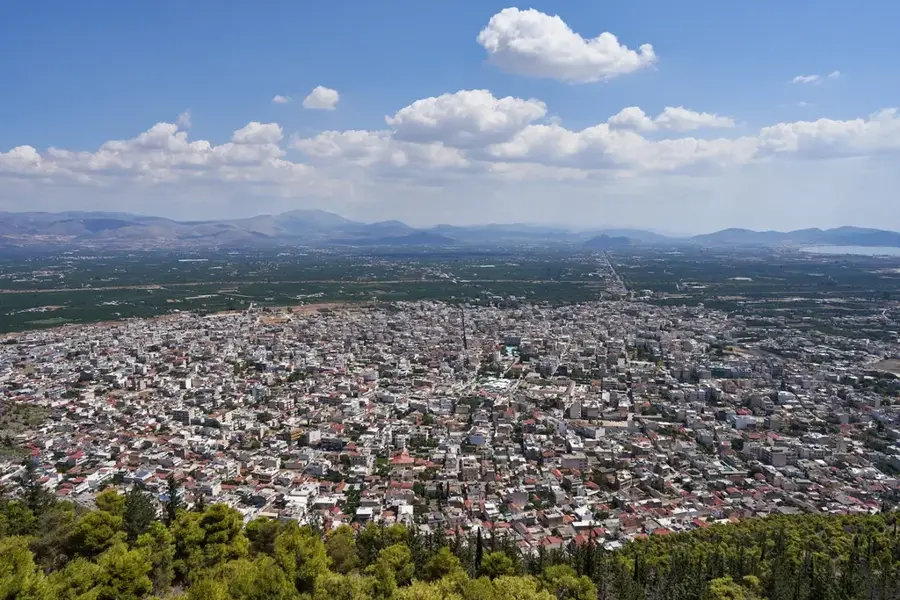
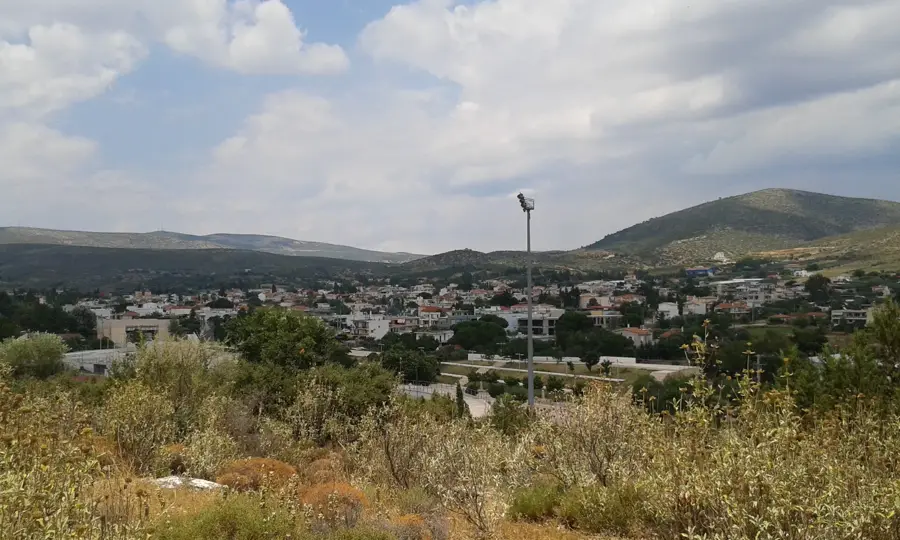
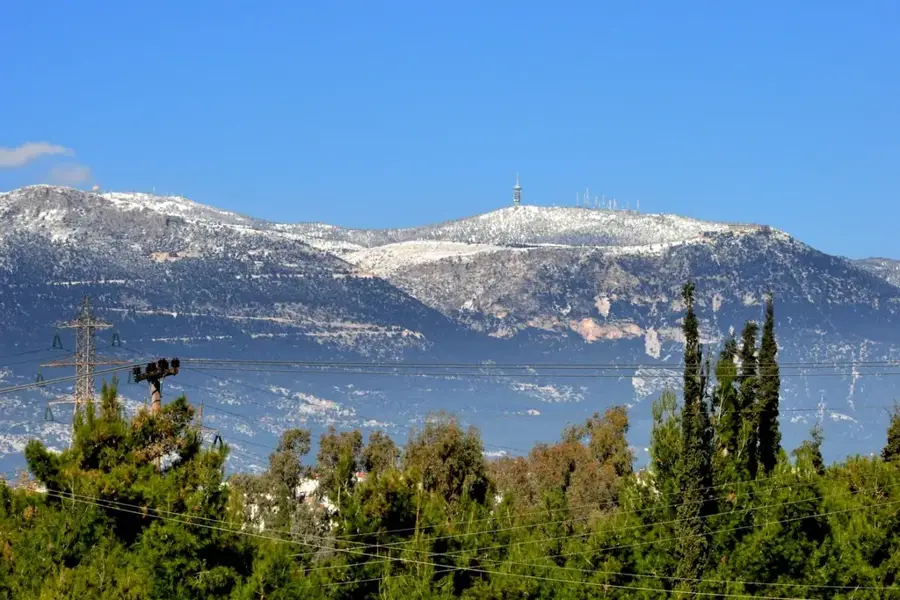
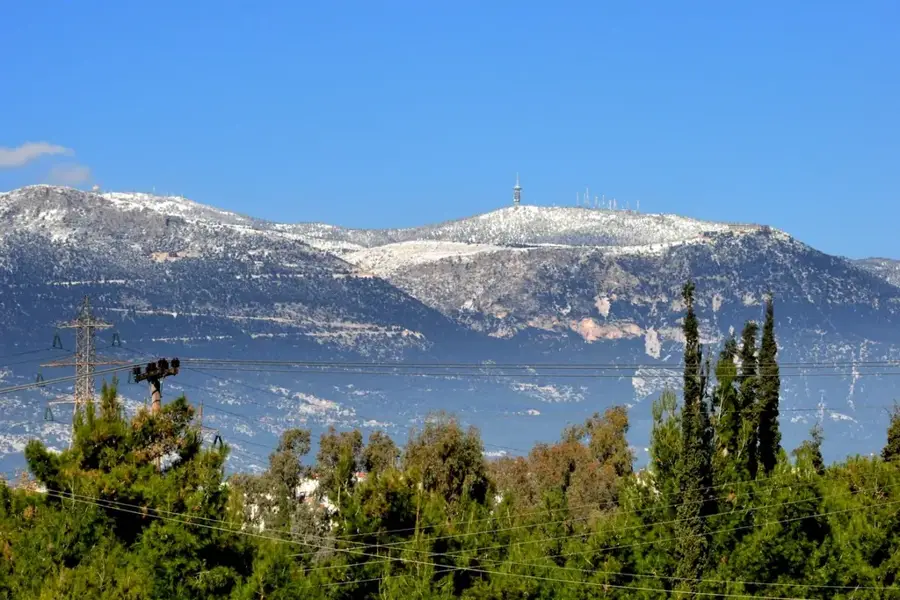
Mount Parnitha, located north of Athens, is the highest mountain in the Attica region, peaking at 1,413 meters at Karavola. Established as a National Park in 1961, it spans over 25,000 hectares and is celebrated for its extraordinary biodiversity. The mountain is home to more than 1,000 plant species and a significant population of red deer (Cervus elaphus), which is unique for its proximity to a major metropolitan area. Geologically, Parnitha is predominantly limestone, featuring numerous caves, gorges, and sinkholes. Despite suffering from major wildfires in 2007 and 2021, the mountain remains a vital green lung for the Greek capital. Key features include the Mont Parnes Casino, the Bafi and Flampouri mountain refuges, and the former royal estate of Tatoi at its foothills. Historically, the mountain formed a defensive barrier for ancient Athens, with several fortresses such as Phyle still visible today. Today, Parnitha serves as a premier destination for hiking, climbing, and nature study for the residents of Attica and beyond.

Best time to visit & climate

The most pleasant time to visit is May, Sep, Oct.

JanFebMarAprMayJunJulAugSepOctNovDec
Avg °C91012152025282724191511
Rain mm66585330212012829496986

📋 Practical info

🧭
Getting there
Access to Mount Parnitha is generally organized through the regional road network connecting the primary staging towns in the surrounding region. Most hikers and visitors begin their journey by driving to the mountain's base or the highest accessible mountain villages. Since public transportation options can be scarce and infrequent, relying on a private vehicle or a specialized local transfer service is the most reliable way to reach the trailheads.
📅
Best season
The most favorable seasons for discovering this prominent natural landmark are spring and autumn, offering mild conditions and striking seasonal colors across the landscape. Summer is also widely popular for those looking to escape the coastal heat, though sun protection remains vital on exposed paths. Winter dramatically transforms the environment, often bringing significant snowfalls that require specialized equipment and serious mountaineering experience.
⛰️
Terrain & paths
The terrain varies significantly from shaded, gentle foothills to much steeper, rocky inclines as you approach the upper elevations. Visitors will encounter a mix of well-trodden paths, rugged stony sections, and occasionally challenging scrambles that test endurance. While lower trails are usually approachable for average walkers, navigating the high ridges demands steady footing and a good level of physical fitness to handle the uneven surfaces.
🎒
What to bring
Due to the unpredictable nature of mountain environments, it is imperative to wear robust hiking boots providing excellent traction and ankle stability. Layered clothing is highly advised to adapt to shifting temperatures, and a waterproof shell should always be in your pack. A sufficiently stocked backpack with abundant water, high-calorie food, a basic first-aid kit, sunblock, and reliable navigation tools is universally recommended for all trekkers.
🅿️
Parking
Parking facilities are mostly informal and concentrated in the traditional villages or designated plateau rest areas that mark the beginning of major trailheads. During peak weekends or favorable holiday weather, these small parking spots can fill up quite rapidly, so an early morning arrival is strongly suggested. When parking on unpaved dirt shoulders, drivers must be careful to leave ample room for local agricultural machinery and emergency vehicles.
⚠️
Safety
Mountain safety requires constant vigilance regarding sudden localized weather changes, such as unexpected fog or heavy afternoon rainstorms. Hikers are strongly advised to adhere exclusively to waymarked paths to prevent getting lost in extensive forested or rocky expanses. Always communicate your intended route and expected return time to someone reliable, and ensure you have a fully charged communication device, despite potential signal blind spots.
⏱️
Time needed
Depending on the specific ambitions of the visitor, a trip can range from a brief three-hour leisurely walk in the lower alpine meadows to an exhaustive full-day expedition. Those aiming to conquer the highest points or complete a comprehensive loop trail should generally budget between six to ten hours of continuous walking. Proper pacing, adequate rest breaks, and accounting for daylight hours are essential for a safe and rewarding mountaineering experience.

Geography

Coordinates
38.17470, 23.71750

Facts

  • Highest peak Karavola reaches 1,413 meters.
  • Designated as a National Park since 1961.
  • Key sanctuary for red deer in the Attica region.
  • Home to more than 1,000 recorded plant species.
  • Site of the former Tatoi Royal Palace and estate.
  • Features two mountain refuges: Bafi and Flampouri.

Explore nearby

Notable places around
Route planner — Car & Motorhome

Where do you start? We build the route here, with stops and country notes along the way.

Vehicle
Only stops with (optional):

© OpenStreetMap contributors · OpenRouteService

Sights in the town Mount Parnitha (4)

Mount Parnitha National Park🌿 nature

A forested national park in the Parnitha mountains north of Athens.

Xerovouni📍 landmark

A mountain peak in the Parnitha massif, popular with hikers.

Ntrasiza🏺 historical

Remains of an old settlement or structure in the Parnitha mountains.

Limiko Tower🏺 historical

Ruins of an ancient watchtower located in the Parnitha mountains.

Sights nearby

Frequently asked questions

How close is Parnitha to Athens?
It is located only about 30 kilometers north of the city center and is known as the 'lungs' of Athens.
Is there a cable car up the mountain?
Yes, a cable car leads to the Mont Parnes Casino and features a great view of Athens.
What animals can be observed here?
The mountain is known for its herds of red deer.
Is Parnitha a national park?
Yes, the Parnitha National Park was established in 1961 to protect the pine forests and wildlife.
Are there mountain refuges for hikers?
Yes, the Mpafi and Flampouri refuges offer food and overnight accommodation.
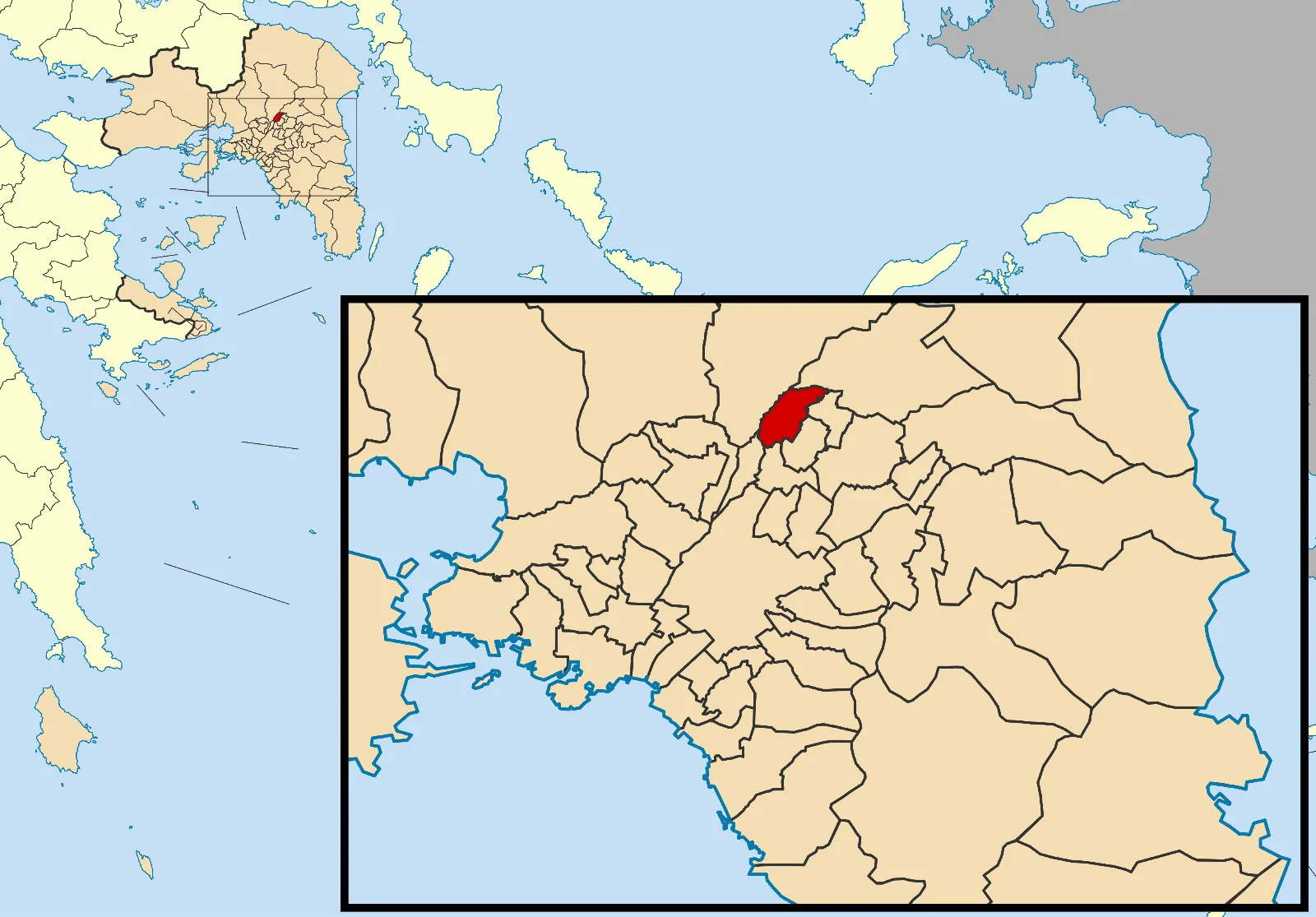
Mount Parnitha: where is it located?
Mount Parnitha is located in Greece.
Mount Parnitha: what is there to see?
Highlights include Mount Parnitha National Park, Xerovouni, Ntrasiza.
Mount Parnitha: when is the best time to visit?
The most pleasant time to visit is May, Sep, Oct.
Mount Parnitha: why is it worth visiting?

Mount Parnitha, located north of Athens, is the highest mountain in the Attica region, peaking at 1,413 meters at Karavola.
View on map → The Top 50 Attractions → Most beautiful beaches → OpenStreetMap →
Europe
Explore with Plizio Discover more places in Europe
More places in Greece →

Nearby cities

History & landmarks