Plizio Visual Lab

Schwäbisch Hall

Plizio editorial teamData Sources
City
—°2194
Schwäbisch Hall (Germany)
ℹ️

Practical info — Schwäbisch Hall

🌤 Weather — 5 days

📍 Nearby

Sights nearby

💡 Tips

  • Visit the open-air theater performances on the famous steps of St. Michael's Church in summer.
  • Admission to the Kunsthalle Würth is free and features world-class art exhibitions.
  • Wear comfortable shoes as the medieval old town is steep and has cobblestone streets.
  • Explore the Hällisch-Fränkisches Museum to learn about the city's salt-making history.
  • Use the covered wooden bridges over the Kocher river for the best photo spots of the old town.

🍽 Food

🍽
Hällische Maultaschen

Swabian meat-filled dumplings, often served homemade in the old town inns.

🍽
Salzsieder Bread

Local bakeries offer special baked goods referencing the city's salt-boiling history.

🍽
Spätzle with sauce

A staple in every Swabian restaurant, ideally enjoyed at a place with a Kocher river view.

🛍 Shopping · 🧘 Quiet spots

🛍
Weekly Market

One of the most beautiful markets in the region, set against the backdrop of St. Michael's Church.

🛍
Gelbinger Gasse

This historic alley is home to many small boutiques and handicraft shops.

🧘
Unterwöhrd

A park island in the Kocher river, first-rate for a picnic or a relaxed stroll.

🧘
Kocherwiesen

Spacious meadows along the river, convenient for escaping the hustle and bustle of the old town.

Highlights of 2026

2

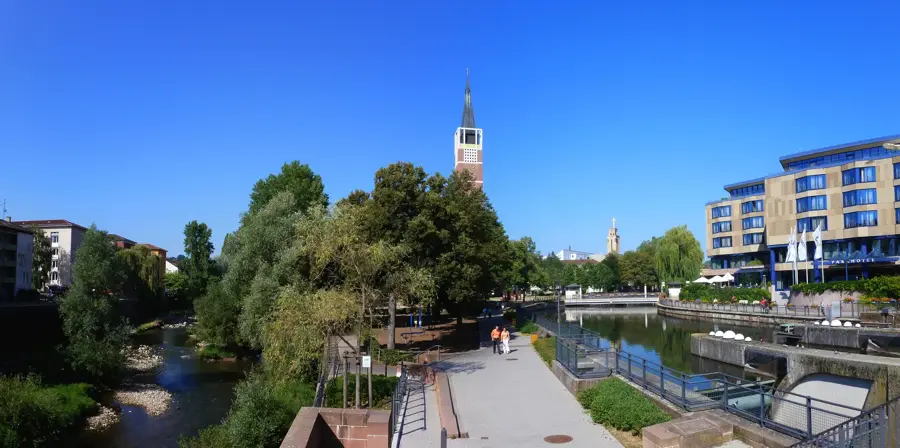
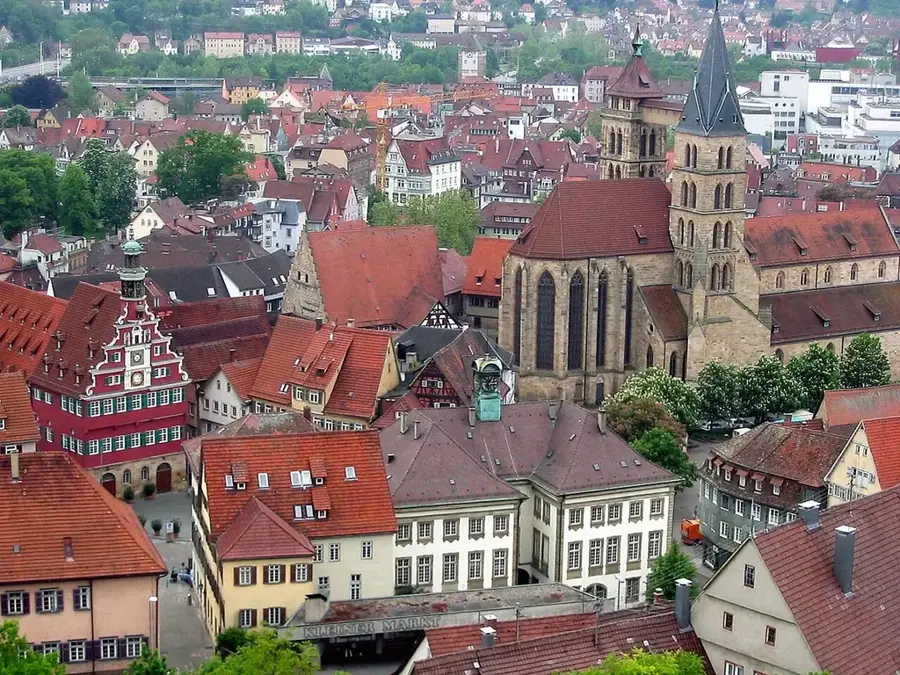
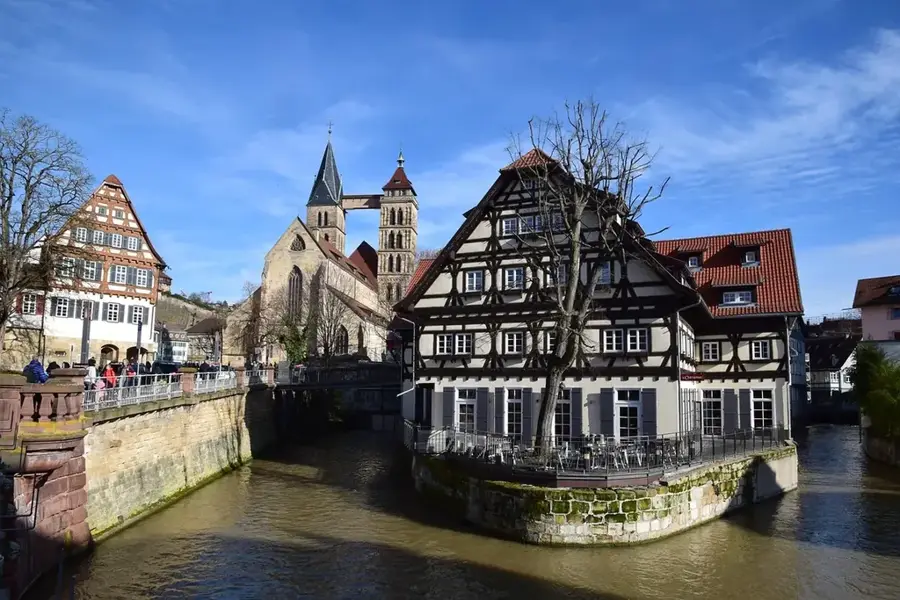
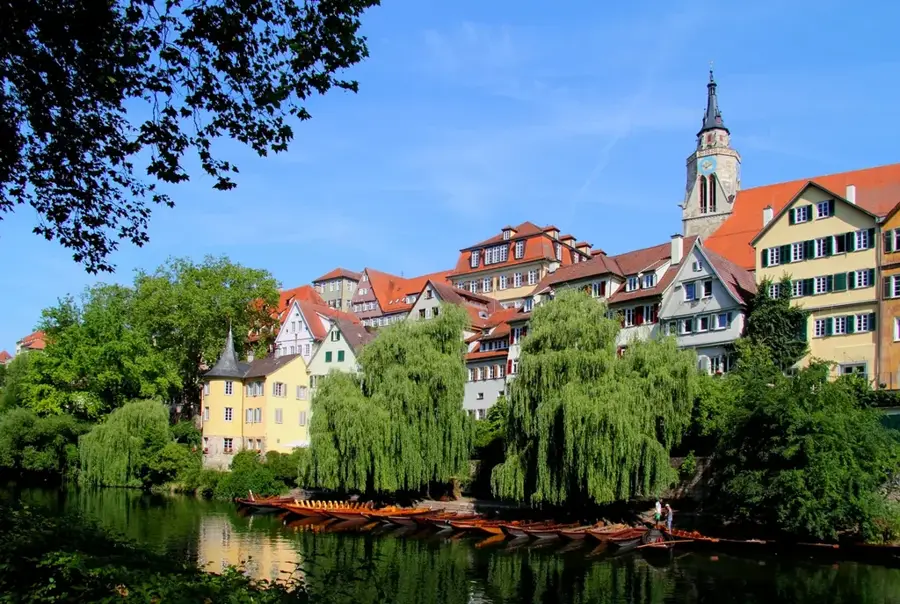
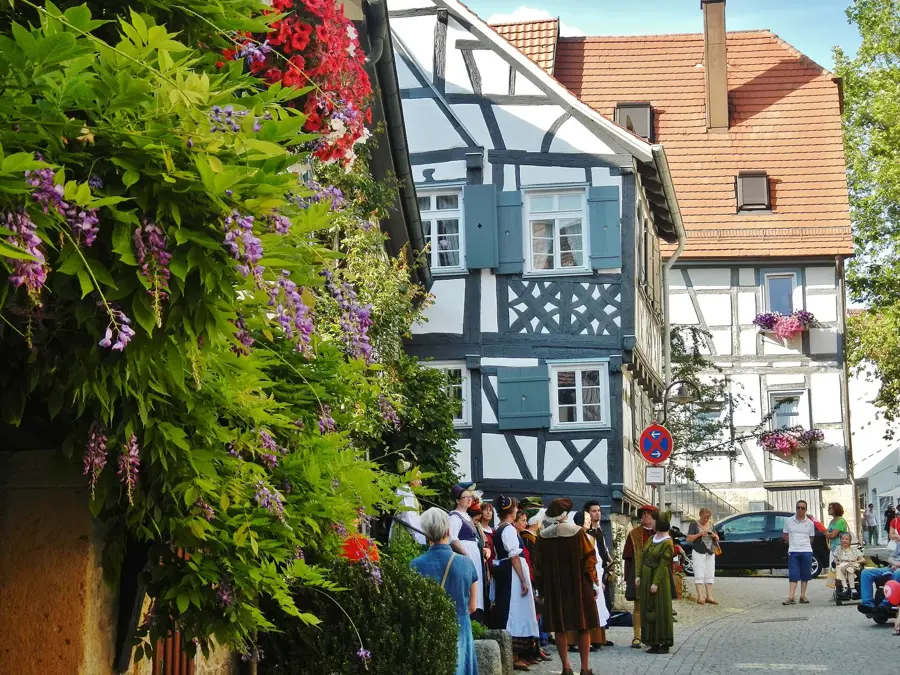
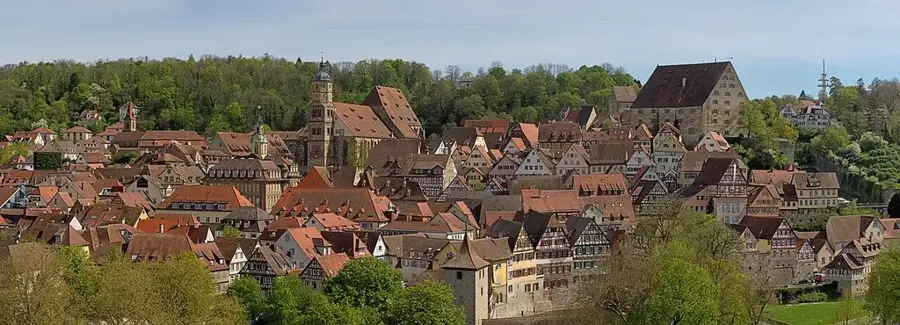
Schwäbisch Hall, located in northeastern Baden-Württemberg, is widely regarded as one of Germany's most pretty towns due to its remarkably intact medieval core. The town's prosperity was built on salt production from a brine spring used since Celtic times, eventually leading to its status as a Free Imperial City. It gained historical fame as the minting site of the 'Heller' coin, which became a standard currency across medieval Europe. The cityscape is defined by its dramatic position on the steep banks of the Kocher river, featuring covered wooden bridges, winding alleys, and the grand St. Michael’s Church. Modern Schwäbisch Hall is a lively cultural hub, famous for its open-air theater festival and the Würth Art Gallery. Economically, it is a significant center for financial services, specifically home savings banking, and specialized mechanical engineering, blending its rich heritage with 21st-century industry.

Best time to visit & climate

The most pleasant time to visit is Jun–Aug.

JanFebMarAprMayJunJulAugSepOctNovDec
Avg °C015914182020151051
Rain mm675056478469837854646370

Geography

Population
36,543
Coordinates
49.11220, 9.73750

Facts

  • Elevation: approx. 300 m above sea level
  • Total area: 104.23 sq km
  • City status: First mentioned as a city in 1156
  • Heller coinage: Started around the year 1200
  • Salt production: Ceased operation in 1924
  • St. Michael's Church: Iconic staircase with 53 steps

Explore nearby

Notable places around

Route planner — Car & Motorhome

Where do you start? We build the route here, with stops and country notes along the way.

Vehicle
Only stops with (optional):

© OpenStreetMap contributors · OpenRouteService
Sights in the town Schwäbisch Hall (19)

Market Square

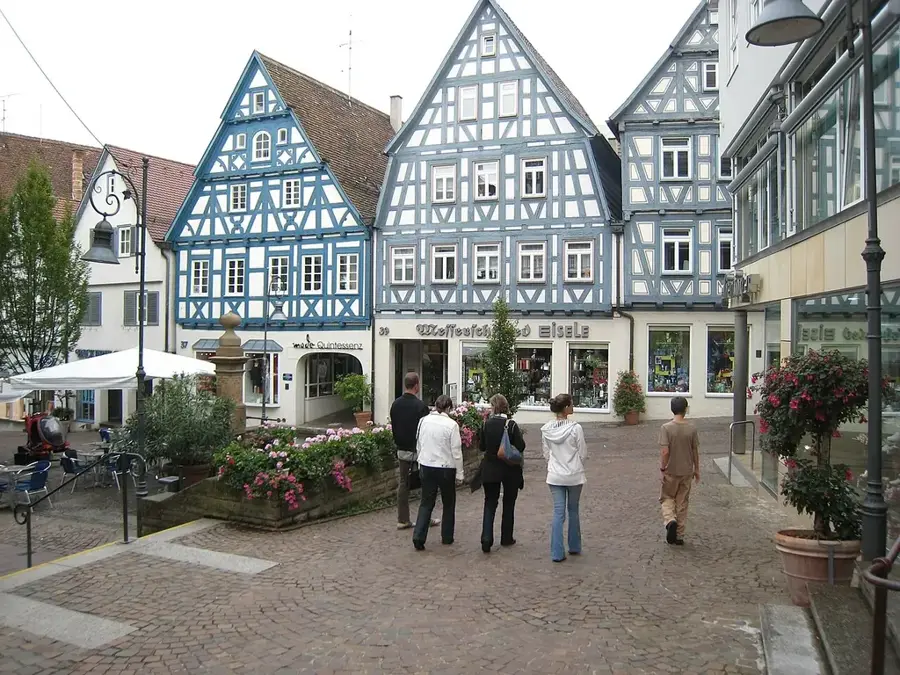
One of Germany's most beautiful squares, lined with magnificent half-timbered houses and the Baroque Town Hall.

Kunsthalle Würth🏛 museum

A modern art museum showcasing significant 20th and 21st-century collections in various temporary exhibitions.

Großcomburg Abbey⛪ monastery

A former Benedictine monastery on a hill, featuring a fully preserved defensive wall and Romanesque artistic treasures.

Hällisch-Fränkisches Museum🏛 museum

Housed in seven historic buildings, this museum traces the history of the town and region from prehistoric times to today.

Henkersbrücke (Executioner's Bridge)

An easy on the eye wooden bridge over the Kocher river that once guarded the city entrance and is now a popular photo spot.

Geyersburg🏰 castle

Geyersburg is a medieval castle ruin near Schwäbisch Hall that once served to protect the surrounding area.

Neuburg🏰 castle

Neuburg is a former hilltop castle near Schwäbisch Hall, of which prominent wall remains are still preserved today.

Neues Globe🎭 culture

The Neues Globe in Schwäbisch Hall is a modern open-air theatre designed after the famous London model.

Dieter Franck Haus🏛 museum

The Dieter Franck Haus in Schwäbisch Hall is a museum and cultural center named after local historian Dieter Franck.

Kochertal zwischen Westheim und Steinbach einschließlich Klingenbach sowie Geiß- und Eselsklinge🌿 nature

A nature reserve in the Kocher valley featuring diverse flora and fauna near Schwäbisch Hall.

Schloß Tullau🏰 castle

A Renaissance castle on the Kocher river, currently used as a private residence.

Eichelhaldenkelter🏺 historical

Archaeological site of a historical wine press near Schwäbisch Hall.

Unterer Wiesenstein🏺 historical

Important archaeological site located within the Schwäbisch Hall area.

Waldbad Gelbingen👨‍👩‍👧 family

Idyllic outdoor pool located in the forested area of Gelbingen.

Burg Limpurg🏺 historical

The ruins of a medieval hilltop castle overlooking Schwäbisch Hall.

Josenturm🗼 tower

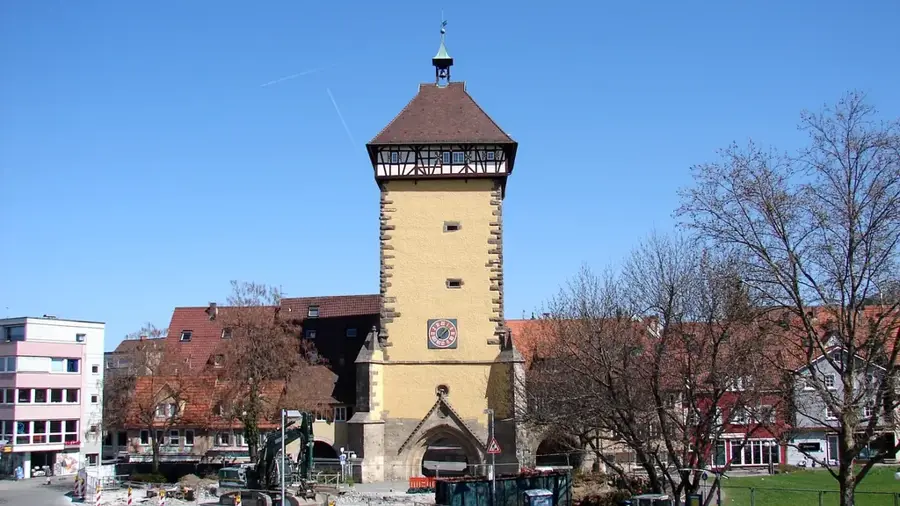
Historical tower that was part of the former city fortifications of Schwäbisch Hall.

Starkholzbacher See🌿 nature

A lake in the Starkholzbach district of Schwäbisch Hall.

Bombensee🌿 nature

A lake in Schwäbisch Hall, formed in a bomb crater.

Kleinkindspielplatz👨‍👩‍👧 family

The Kleinkindspielplatz in Schwaebisch Hall is specifically designed for younger children.

Frequently asked questions

How many days should you plan for Schwäbisch Hall?
One to two days are enough to visit the medieval old town, St. Michael's Church, and the Kunsthalle Würth.
What is the most famous landmark?
The 160-step staircase in front of St. Michael's Church, which serves as an open-air stage for theater performances in summer.
Is there a local culinary specialty?
Haller Siedewurst is a traditional boiled sausage, often served with mustard and fresh bread.
Where is the best place to park?
The Kocherquartier parking garage gives central access to the pedestrian zone and the old town.
When is the best time to visit?
From June to August, when the open-air festival takes place and the weather is handy for walks along the Kocher river.
Schwäbisch Hall: where is it located?
Schwäbisch Hall is located in Baden-Württemberg, Germany.
Schwäbisch Hall: what is there to see?
Highlights include Market Square, Kunsthalle Würth, Großcomburg Abbey.
Schwäbisch Hall: when is the best time to visit?
The most pleasant time to visit is Jun, Aug.
Schwäbisch Hall: why is it worth visiting?
Schwäbisch Hall, located in northeastern Baden-Württemberg, is widely regarded as one of Germany's most pretty towns due to its remarkably intact medieval core.
View on map → The Top 50 Attractions → Most beautiful beaches → OpenStreetMap →
Europe
Explore with Plizio Discover more places in Europe
More places in Germany →

Nearby cities