Plizio Visual Lab
Tetamanu

ℹ️Practical info — Tetamanu
▾
🌤 Weather — 5 days
📍 Nearby
Sights nearby
💡 Tips
- Book diving or snorkeling excursions to the Wall of Sharks well in advance, as the pass is strictly regulated.
- The village is remote; bring cash and any essential items with you from the main island or Rotoava.
- Visit the historic Catholic church made of coral, built in the 19th century.
- Electricity and internet can be limited, so prepare to disconnect.
🍽 Food
Enjoy freshly caught fish grilled by locals at a family-run pension near the pass.
Raw fish marinated in lime juice and coconut milk, a staple at local guesthouses.
Drink fresh coconuts picked directly from the palms around the village.
🛍 Shopping · 🧘 Quiet spots
Look for small shell necklaces and woven coconut frond items made by the villagers.
Occasionally, local pearl farmers might have some loose pearls for sale, but options are very limited.
Take a short boat ride to the nearby pink sand beaches for incredible isolation.
The quiet ruins and surrounding area of the 19th-century church offer a peaceful historical spot.
Water temperature…
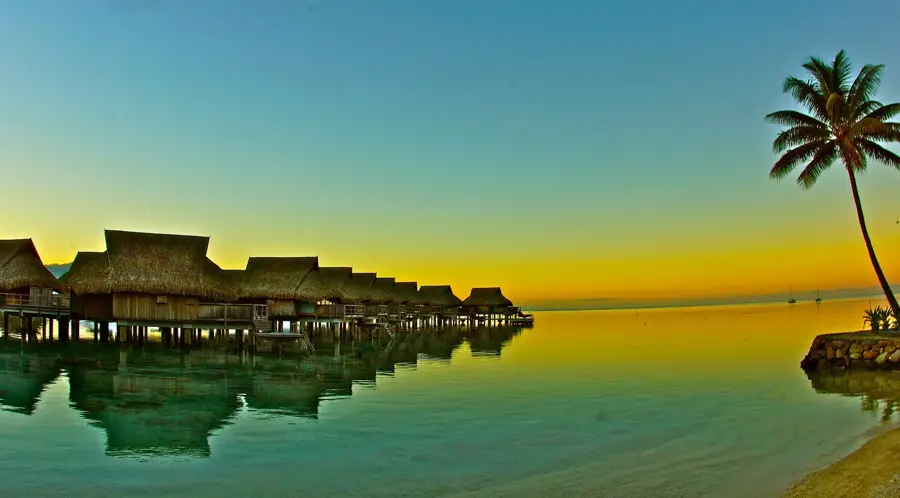
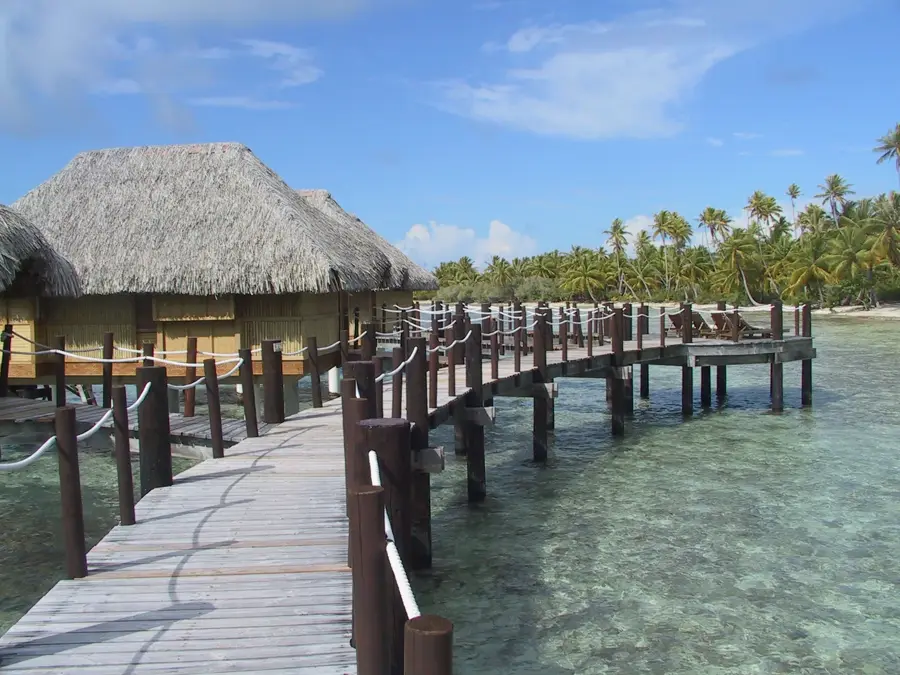
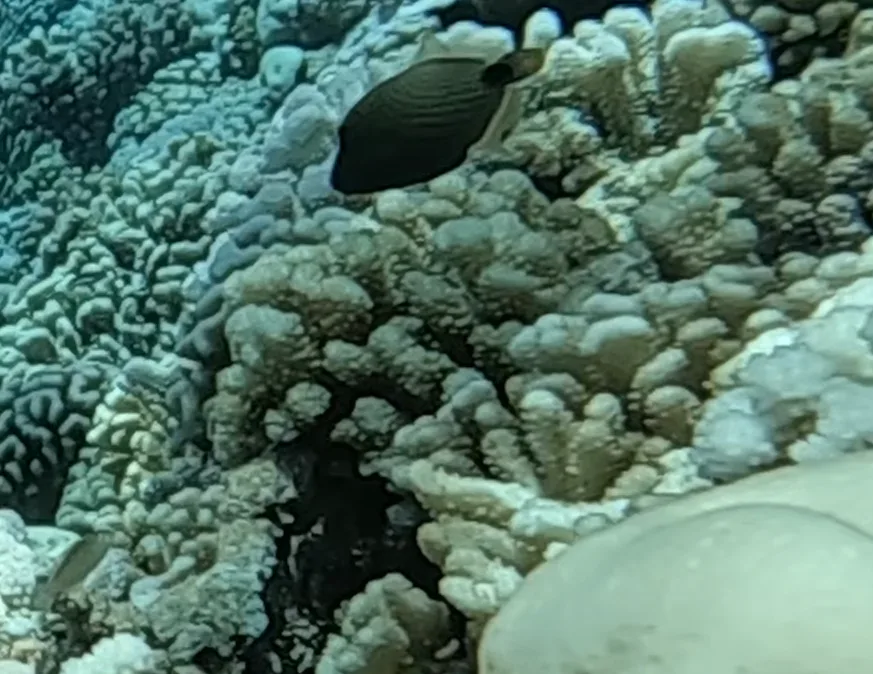
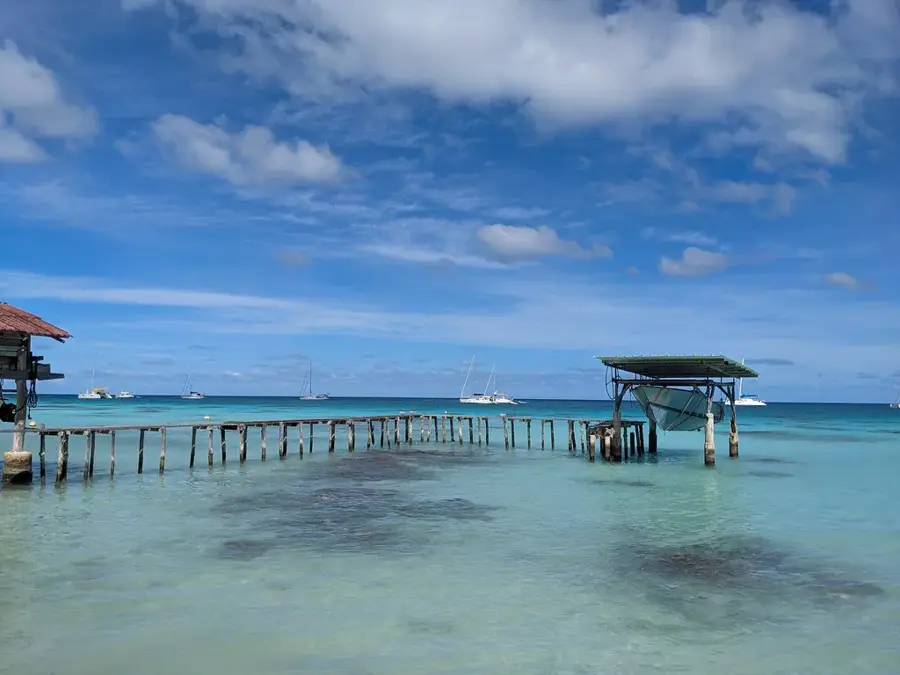
Tetamanu is a tiny village situated at the southern pass (Passé Sud) of the Fakarava atoll, holding significant historical importance as the former capital of the atoll. Before the administrative center moved to Rotoava, Tetamanu was the primary settlement in the region. Its most iconic landmark is the oldest Catholic church in the Tuamotu Archipelago, constructed in 1874 using lime and blocks of coral stone. This simple yet evocative structure stands as a testament to the early missionary period in French Polynesia. Today, Tetamanu is globally famous among diving enthusiasts for the nearby 'Wall of Sharks,' where hundreds of grey reef sharks congregate in the tidal currents of the pass. Accessible only by boat from Rotoava, the village maintains a serene, remote atmosphere. It has a unique blend of Polynesian heritage and world-class marine biodiversity, making it a bucket-list destination for those seeking pristine natural beauty and quiet historical reflection.
- Location: French Polynesia
- Nearby: Rotoava (34 km)
Best time to visit & climate
The most pleasant time to visit is Jul–Sep.
| Jan | Feb | Mar | Apr | May | Jun | Jul | Aug | Sep | Oct | Nov | Dec | |
|---|---|---|---|---|---|---|---|---|---|---|---|---|
| Avg °C | 27 | 27 | 28 | 28 | 27 | 27 | 26 | 26 | 26 | 26 | 27 | 27 |
| Rain mm | 167 | 151 | 113 | 85 | 77 | 62 | 40 | 28 | 38 | 73 | 98 | 173 |
Geography
Facts
- Tetamanu has a population of about 100.
- The village is located on Fakarava Atoll.
- Copra production amounts to about 50 tons per year.
- Water depth at the South Pass reaches up to 40 meters.
- The school has about 20 students.
- The church was built in the 1930s.
Explore nearby
Notable places around



Route planner — Car & Motorhome
Where do you start? We build the route here, with stops and country notes along the way.
© OpenStreetMap contributors · OpenRouteService
Frequently asked questions
Why is Tetamanu famous?
What should I keep in mind when snorkeling?
Is there infrastructure there?
What is the best time of day to swim?
Can I stay overnight?
Tetamanu: where is it located?
Tetamanu: when is the best time to visit?
Tetamanu: why is it worth visiting?
Nearby cities
History & landmarks
Nature
More places