Plizio Visual Lab
Omoa
ℹ️Practical info — Omoa
▾
🌤 Weather — 5 days
📍 Nearby
Sights nearby
💡 Tips
- Access is mostly by boat (Aranui 5 or yacht) as there is no airport.
- Bring strong insect repellent against 'nono' sandflies.
- The hike to Hanavave is spectacular but physically demanding.
- Bring enough cash (XPF); card payments are almost non-existent.
🍽 Food
Often available at local stalls or offered by friendly residents.
Raw fish with coconut milk, traditionally prepared in local family pensions.
A hearty local dish, sometimes served at village guesthouses.
🛍 Shopping · 🧘 Quiet spots
Buy authentic beaten bark cloth directly from local female artisans.
Intricately carved wooden items, available from craftsmen in the village.
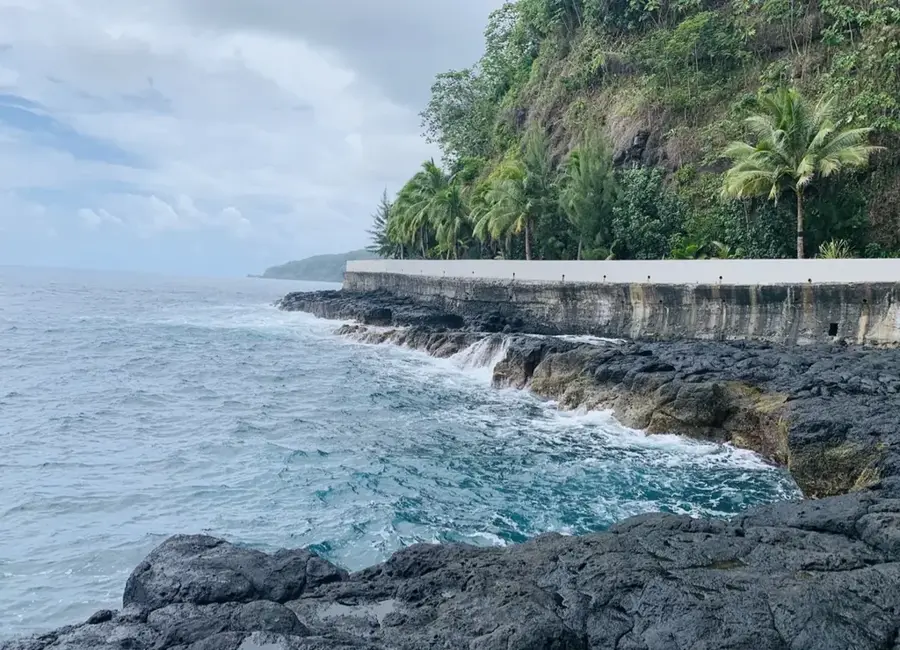
A peaceful spot to watch the ocean waves and rare arriving boats.
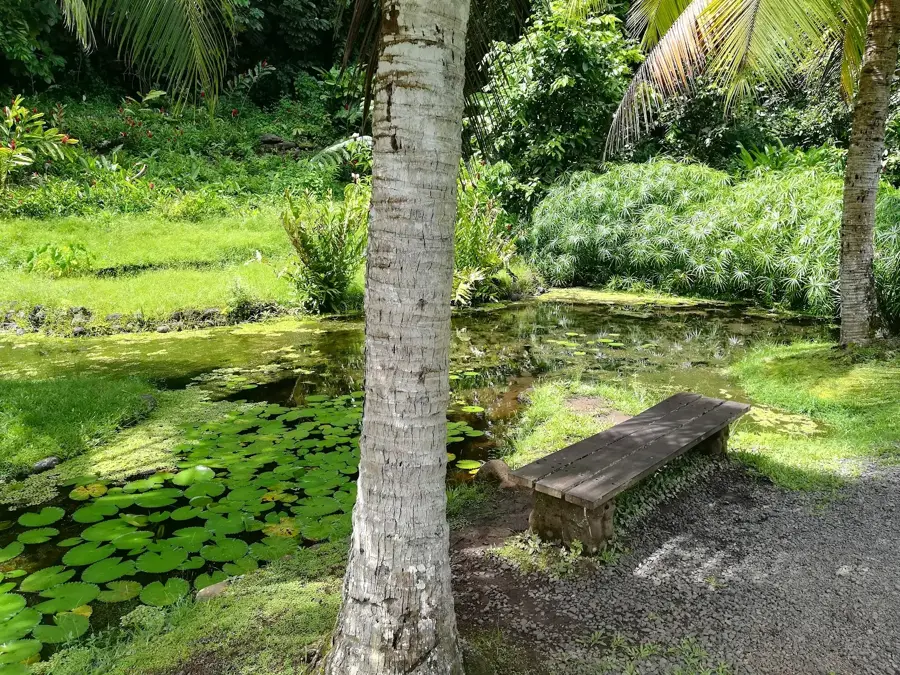
A tranquil and well-kept garden surrounding the local church.
Water temperature…
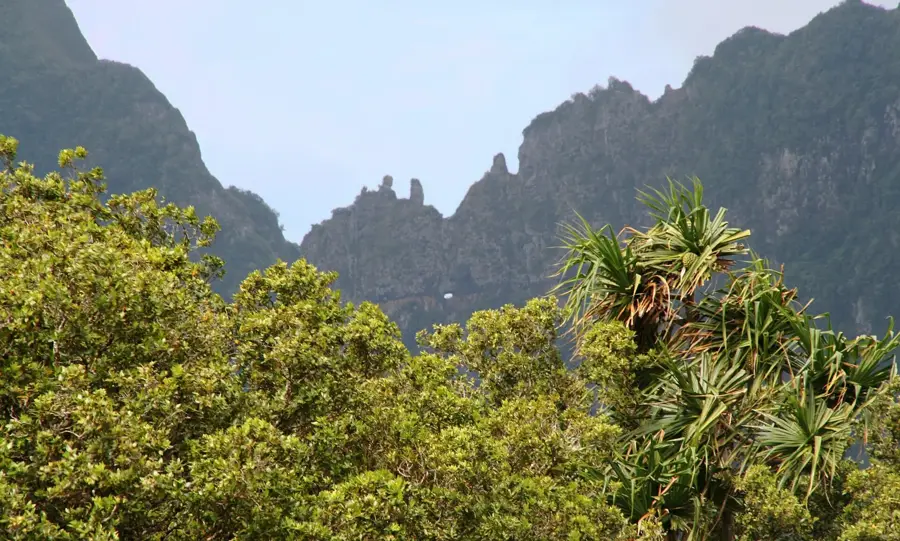
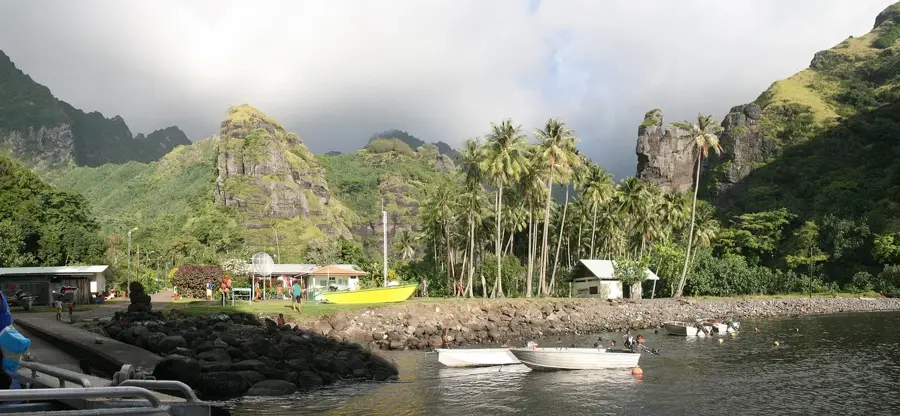
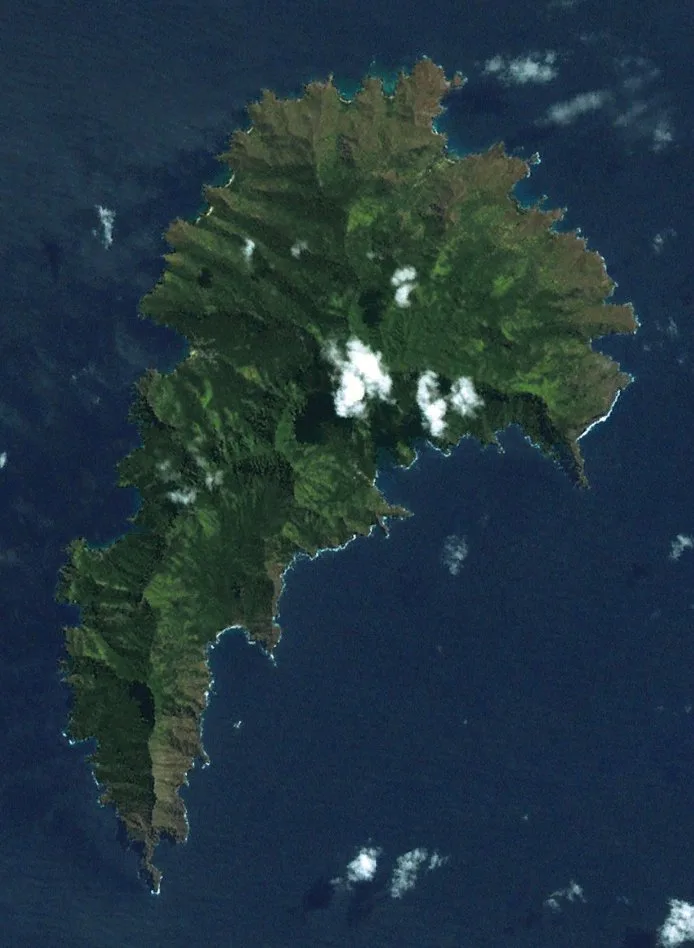
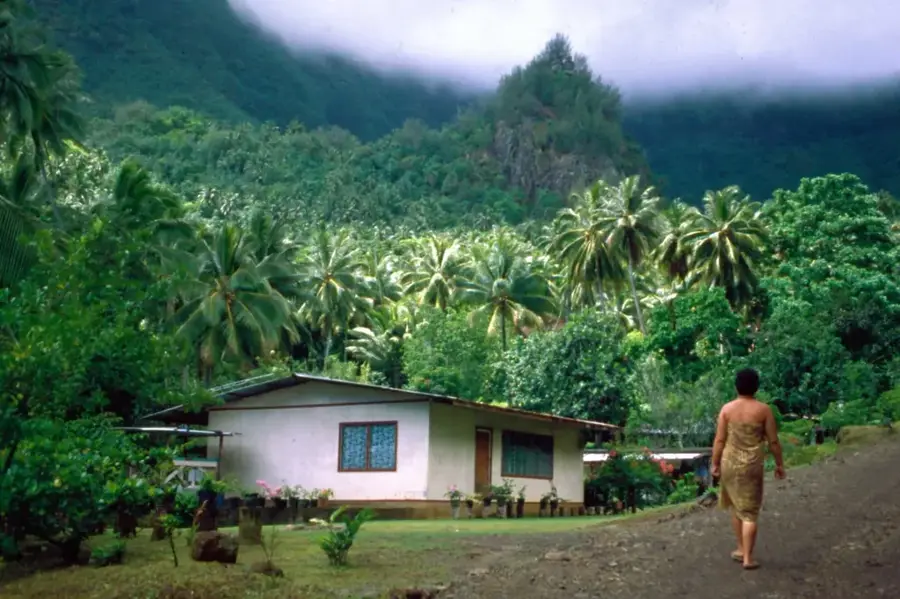
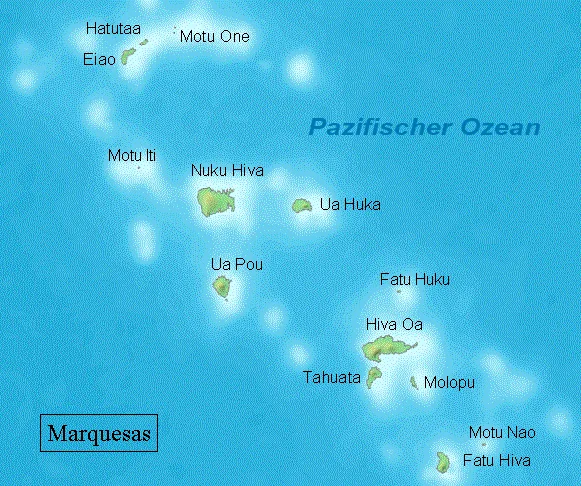
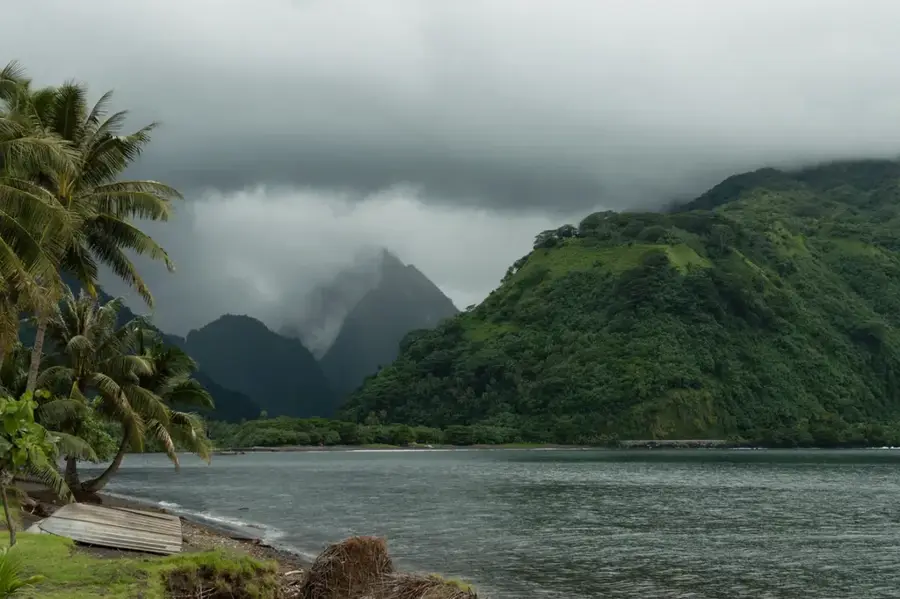
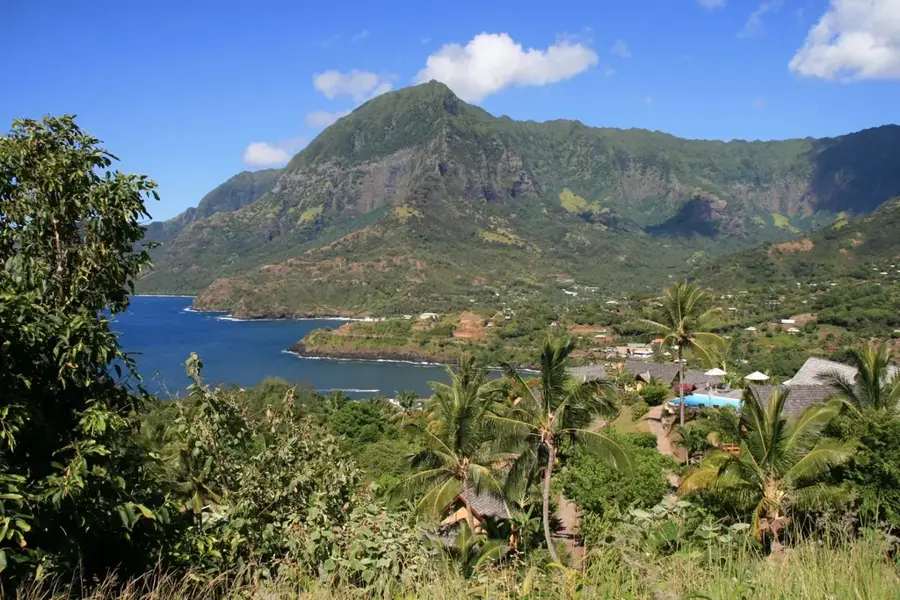
Omoa is the principal village of Fatu Hiva, widely considered the most traditional and geographically isolated island in the Marquesas. The village is the undisputed heart of tapa cloth production in Polynesia, an ancient craft where the bark of the paper mulberry tree is beaten into a felt-like fabric and intricately hand-painted with traditional motifs. This artistry is a central part of daily life here, and visitors can witness the rhythmic sound of bark-beating throughout the village. Omoa gained global fame through the Norwegian explorer Thor Heyerdahl, who spent a year living here in the 1930s with his wife, seeking to return to nature; his experiences were documented in his book 'Fatu Hiva.' The village also features a small museum dedicated to island history, housing rare artifacts and traditional tools. Because Omoa is reachable only by sea or by challenging mountain trails, its community remains incredibly tight-knit and welcoming, preserving a way of life that feels largely untouched by the outside world, set against a backdrop of jagged emerald cliffs.
- Location: French Polynesia
- Top sights: Petroglyphs · Grelet
- Nearby: Hanavave (5 km)
Best time to visit & climate
The most pleasant time to visit is Aug–Oct.
| Jan | Feb | Mar | Apr | May | Jun | Jul | Aug | Sep | Oct | Nov | Dec | |
|---|---|---|---|---|---|---|---|---|---|---|---|---|
| Avg °C | 27 | 27 | 28 | 28 | 28 | 27 | 27 | 26 | 26 | 27 | 27 | 27 |
| Rain mm | 54 | 42 | 49 | 43 | 41 | 35 | 24 | 22 | 17 | 21 | 36 | 26 |
Geography
Facts
- Population of Omoa: approx. 200 (2020 estimate)
- Highest peak on the island: 960 m (Mount Touaoua)
- Number of handicraft workshops: 10
- Annual coffee production: 5 tons
- Year of Protestant mission establishment: 1897
- Distance to island capital: 0 km (Omoa is the main settlement)
Explore nearby
Notable places around


Route planner — Car & Motorhome
Where do you start? We build the route here, with stops and country notes along the way.
© OpenStreetMap contributors · OpenRouteService
Sights in the town Omoa (2)
Frequently asked questions
Duration for Omoa visit?
Best time for Omoa?
How is Omoa accessible?
Culinary in Omoa?
Is Omoa family-friendly?
Omoa: where is it located?
Omoa: what is there to see?
Omoa: when is the best time to visit?
Omoa: why is it worth visiting?
Nearby cities

History & landmarks
Nature
More places