Plizio Visual Lab

Mantes-la-Jolie

Plizio editorial teamData Sources
City
—°175
Mantes-la-Jolie (France)
ℹ️

Practical info — Mantes-la-Jolie

🌤 Weather — 5 days

📍 Nearby

Sights nearby

💡 Tips

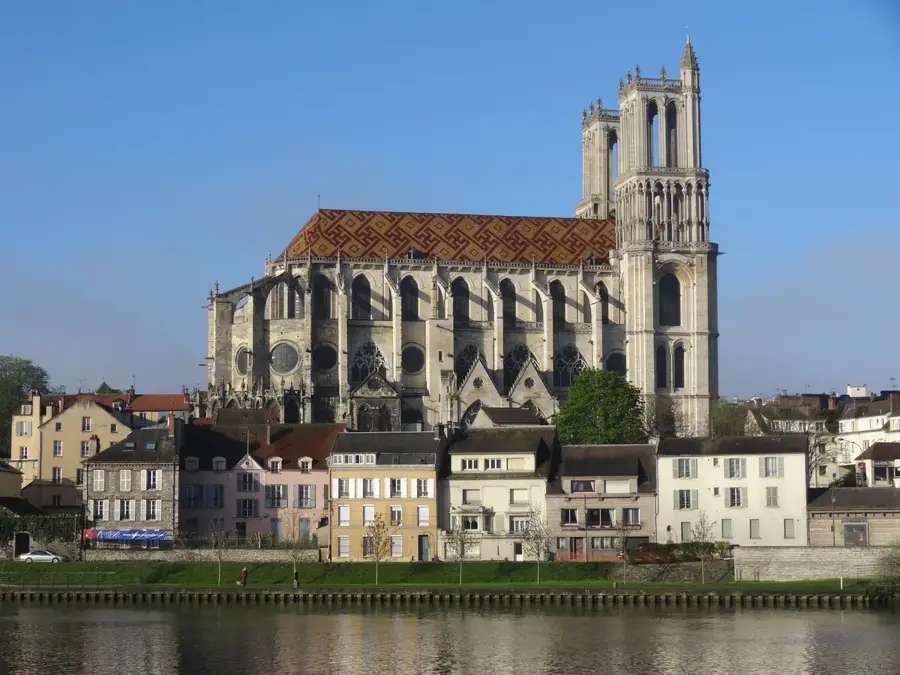
  • Photograph the Collégiale Notre-Dame from the opposite bank of the Seine (Limay) for the best reflection.
  • If driving to Normandy, park near the riverbank; the historic center is highly walkable.
  • Look closely at the modern streets to spot medieval fortifications integrated into the buildings.
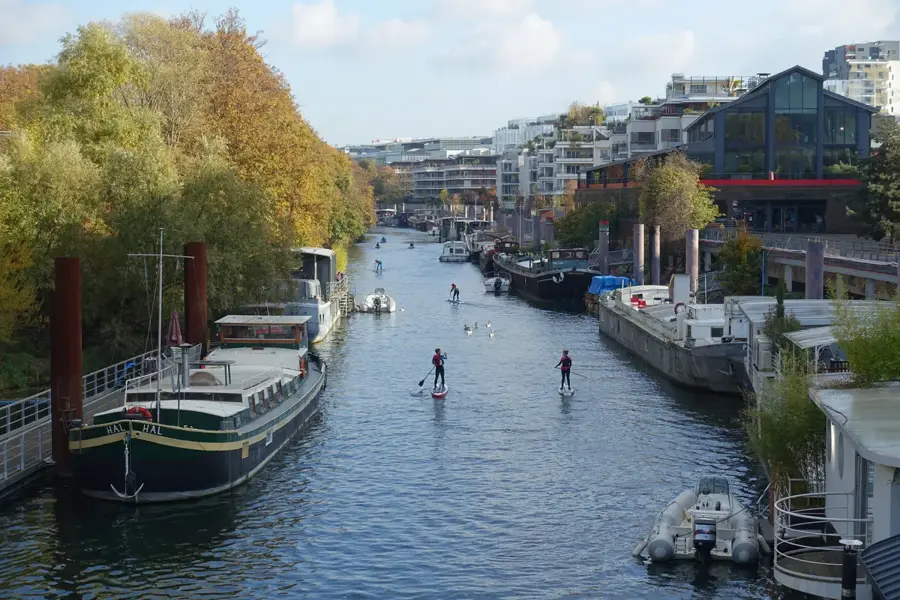
  • Buy local goods at the market and enjoy a free picnic on the scenic riverfront promenades.

🍽 Food

🍽
Vexin Honey & Cider

Find local Vexin honey and cider at the central market (Marché du Centre-Ville).

🍽
Norman Galettes

Try savory buckwheat crêpes at the restaurants along the Seine banks.

🍽
Classic Patisserie

Grab traditional French pastries from the bakeries close to the Collégiale.

🛍 Shopping · 🧘 Quiet spots

🛍
Rue Nationale

The main pedestrian street filled with independent local boutiques.

🛍
Marché du Val Fourré

One of the largest open-air markets in the region for fresh produce and spices.

🧘
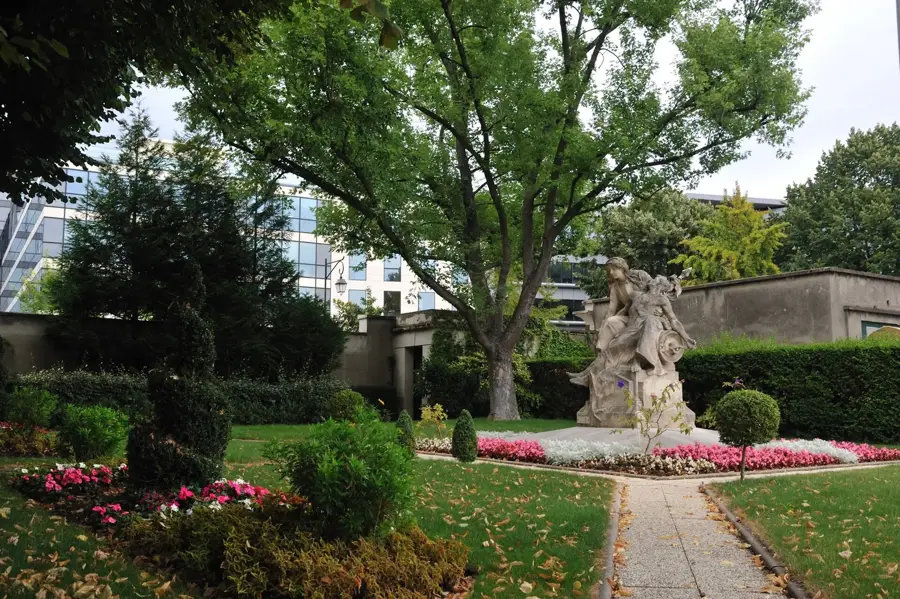
Square Brieussel-Bourgeois

A peaceful green square right in the city center with old trees.

🧘
Vieux Pont de Limay

Walk along the towpaths towards this partially ruined historic bridge for a quiet stroll.

Highlights of 2026

1

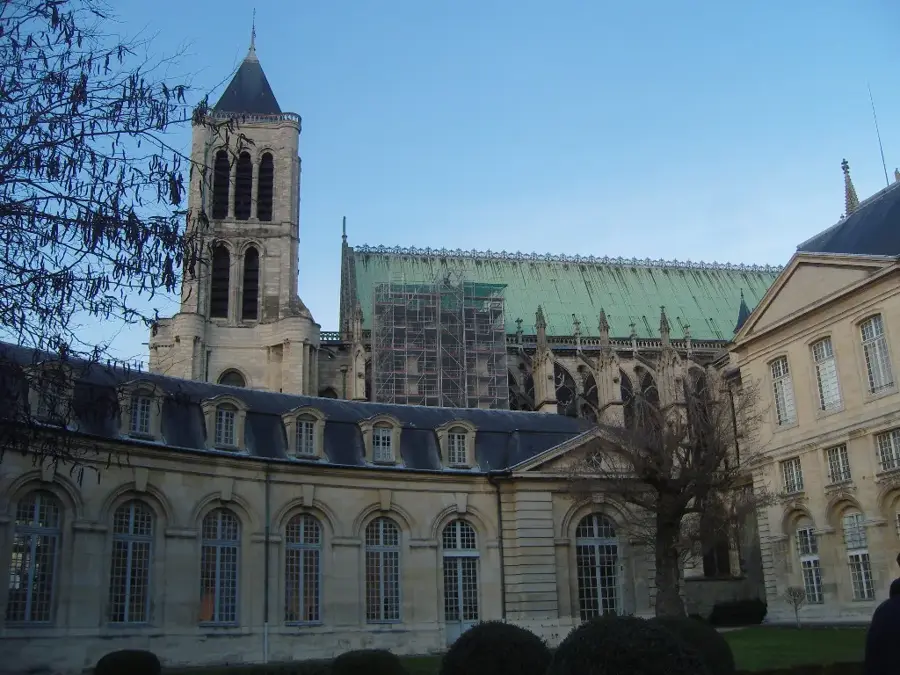
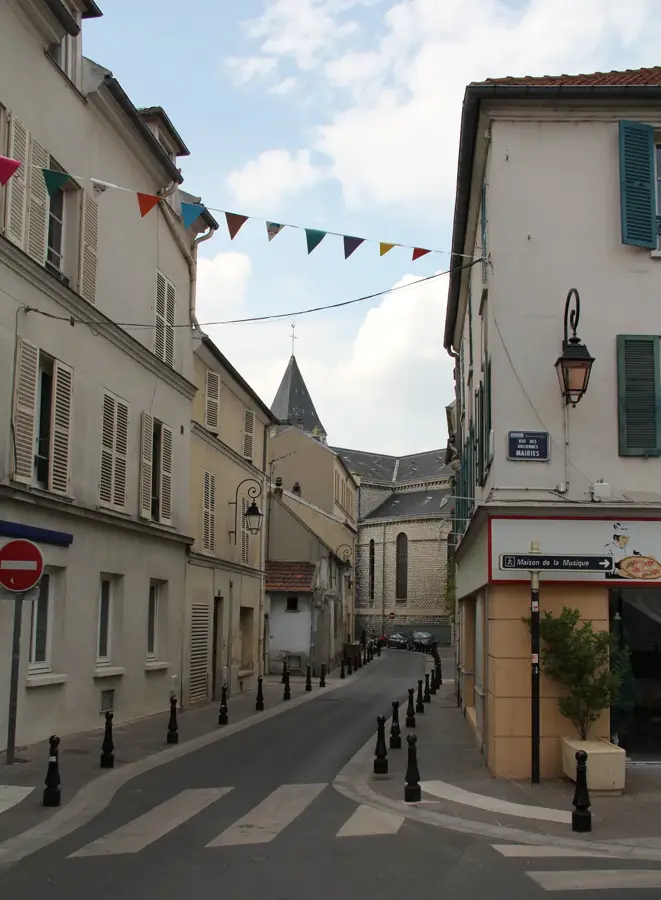
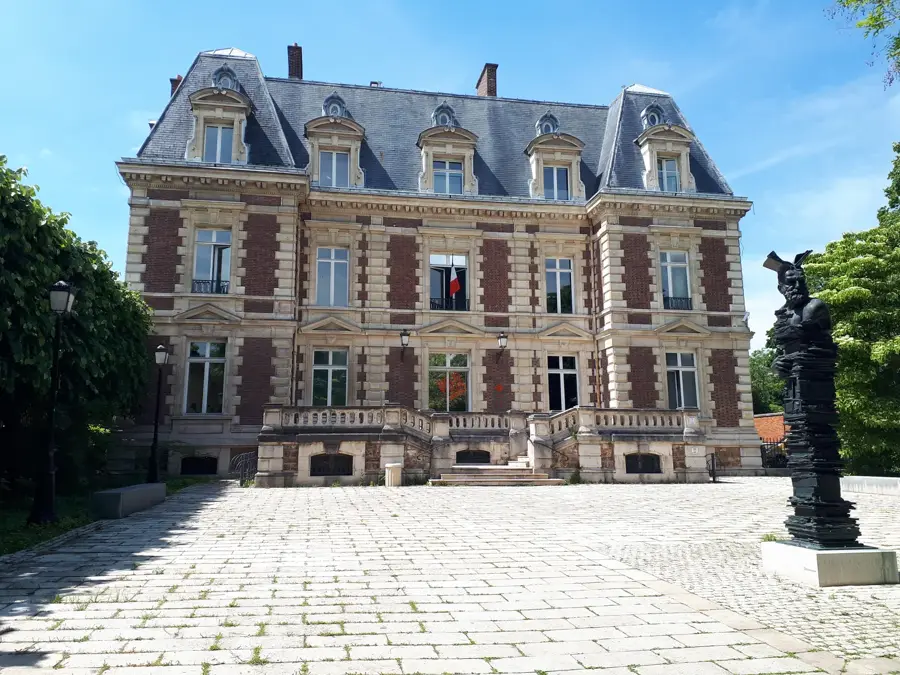
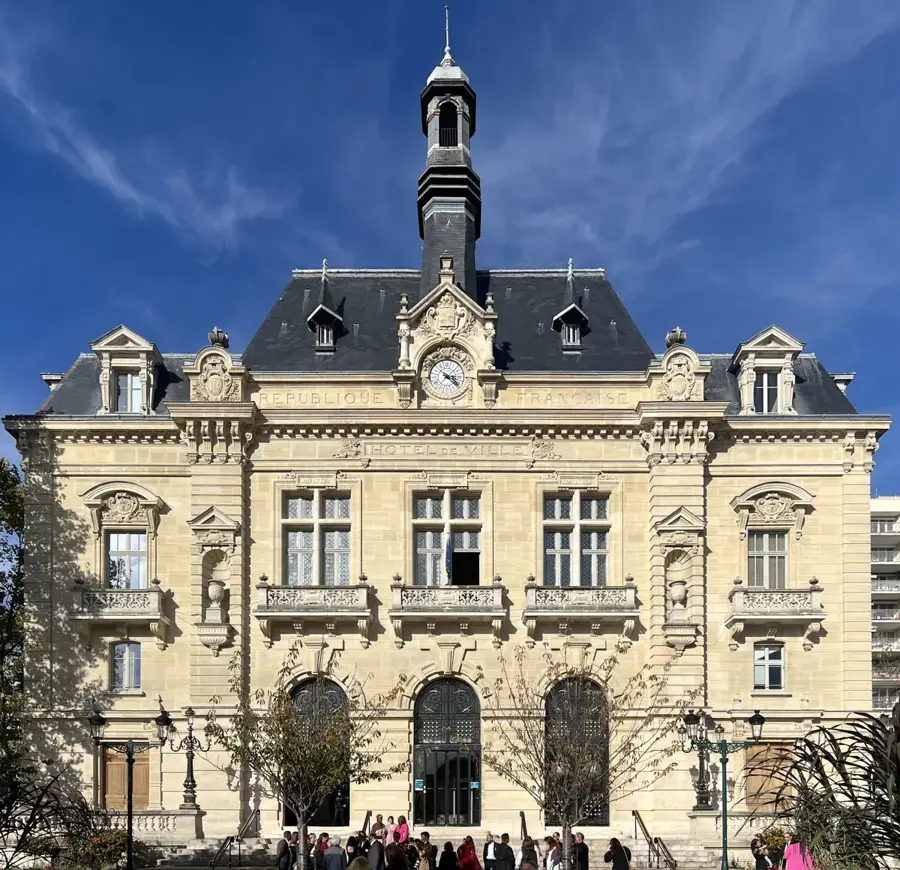
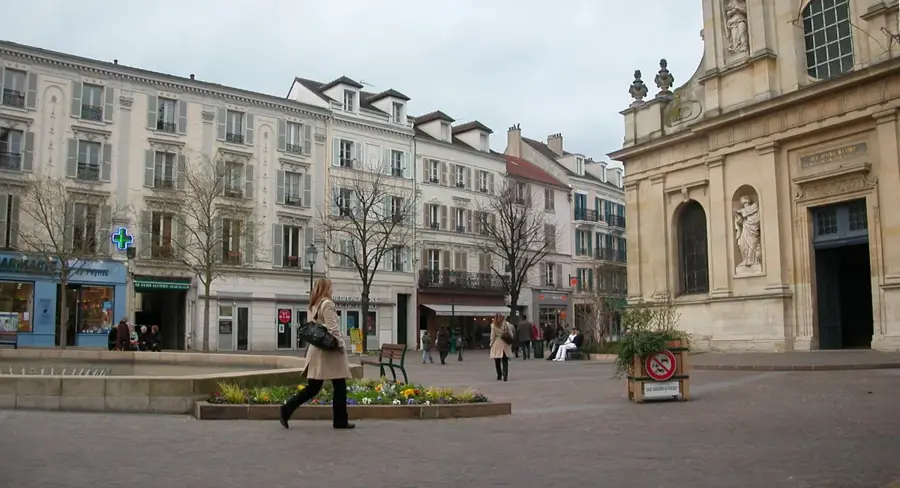
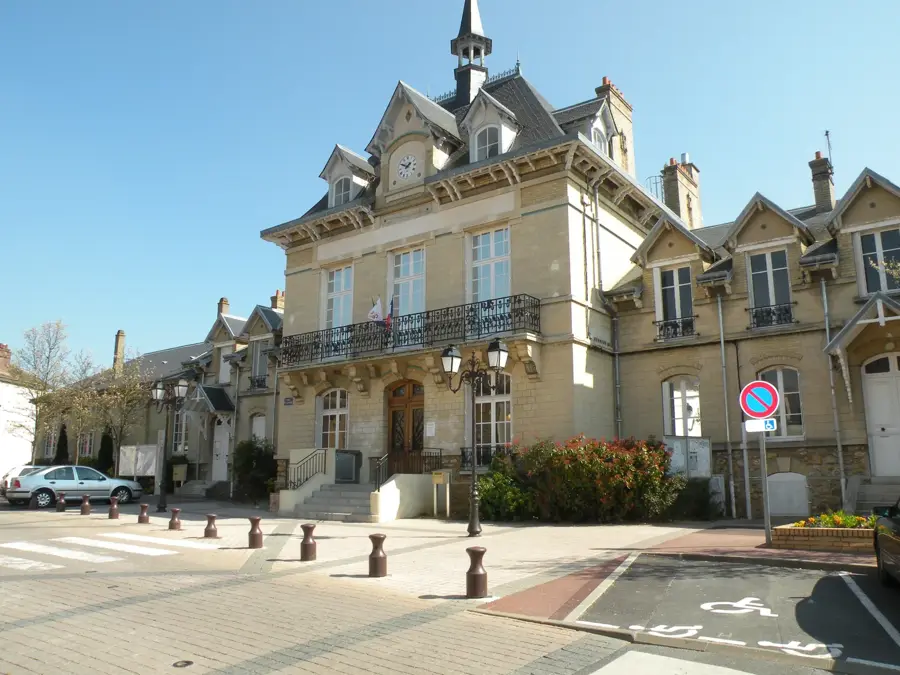
Mantes-la-Jolie is a historic town in the Yvelines department, strategically situated on the Seine river. Known as 'la Jolie' (the Pretty), a title reportedly bestowed by King Henry IV, the town is dominated by the memorable 12th-century Collegiate Church of Notre-Dame, an architectural sibling to the Paris cathedral. During the Middle Ages, Mantes served as a vital stronghold on the border between the Kingdom of France and the Duchy of Normandy. It was here that William the Conqueror sustained fatal injuries in 1087, and King Philip II Augustus passed away in 1223. In the modern era, the city has evolved into a significant industrial center, particularly famous for the production of high-quality wind instruments, exported globally. The town effectively balances its medieval heritage with contemporary urban growth. Its location makes it a key transit point between Paris and Normandy, served by a major railway axis. The surrounding Vexin Français Natural Park and the local lakes provide ample opportunities for nature lovers and sports enthusiasts.

Best time to visit & climate

The most pleasant time to visit is Jun–Aug.

JanFebMarAprMayJunJulAugSepOctNovDec
Avg °C3471013171918151274
Rain mm564854416255525644636471

Geography

Population
44,263
Coordinates
48.99060, 1.71670

Facts

  • Construction period of the Collegiate: 1150–1300.
  • Height of the twin towers: 61 meters.
  • Distance to Paris Saint-Lazare station: 57 km.
  • Total municipal area: 9.38 square kilometers.
  • Number of urban parks and gardens: 12.
  • Highest elevation point: 41 meters.

Explore nearby

Notable places around

Route planner — Car & Motorhome

Where do you start? We build the route here, with stops and country notes along the way.

Vehicle
Only stops with (optional):

© OpenStreetMap contributors · OpenRouteService

Sights in the town Mantes-la-Jolie (7)

Collegiate Church of Notre-Dame⛪ religious

A 12th-century Gothic collegiate church resembling Notre-Dame de Paris, featuring impressive stained glass and twin towers.

Saint-Maclou Tower🏺 historical

The elegant remains of a 16th-century church, this free-standing tower is a landmark of the city's old center.

Hôtel-Dieu Museum🏛 museum

Housed in a former medieval hospital, this museum displays collections of local history and fine arts.

Old Bridge of Mantes🏺 historical

Ruins of a medieval bridge over the Seine that once connected the town to Limay island, reflecting centuries of history.

Sainte-Anne de Gassicourt Church⛪ religious

A Romanesque church with Gothic elements, notable for its architecture and location in the historic Gassicourt district.

Île l'Aumône🌿 nature

A nature reserve on a Seine island featuring a bird park and trails excellent for wildlife observation and walking.

parc Clément Ader👨‍👩‍👧 family

Parc Clément Ader in Mantes La Jolie has children space to play outdoors.

Frequently asked questions

Why is the city called 'la Jolie'?
According to legend, King Henry IV named the city so because he found it particularly pretty.
What is the main attraction?
The Notre-Dame collegiate church, a 12th-century Gothic masterpiece resembling Notre-Dame de Paris.
What special museum is located here?
The Musée de l'Hôtel-Dieu exhibits a significant collection of works by the painter Maximilien Luce.
How long does the train take from Paris?
The direct train from Saint-Lazare station takes about 35 minutes.
Are there nature parks in the area?
Yes, the city is on the edge of the Vexin Français Regional Nature Park, convenient for hiking.
Mantes-la-Jolie: where is it located?
Mantes-la-Jolie is located in Île-de-France, France.
Mantes-la-Jolie: what is there to see?
Highlights include Collegiate Church of Notre-Dame, Saint-Maclou Tower, Hôtel-Dieu Museum.
Mantes-la-Jolie: when is the best time to visit?
The most pleasant time to visit is Jun, Aug.
Mantes-la-Jolie: why is it worth visiting?
Mantes-la-Jolie is a historic town in the Yvelines department, strategically situated on the Seine river.
View on map → The Top 50 Attractions → Most beautiful beaches → OpenStreetMap →
Europe
Explore with Plizio Discover more places in Europe
More places in France →

Nearby cities

History & landmarks