Plizio Visual Lab

Deuil-la-Barre

Plizio editorial teamData Sources
City
—°244
Deuil-la-Barre (France)
ℹ️

Practical info — Deuil-la-Barre

🌤 Weather — 5 days

📍 Nearby

Sights nearby

💡 Tips

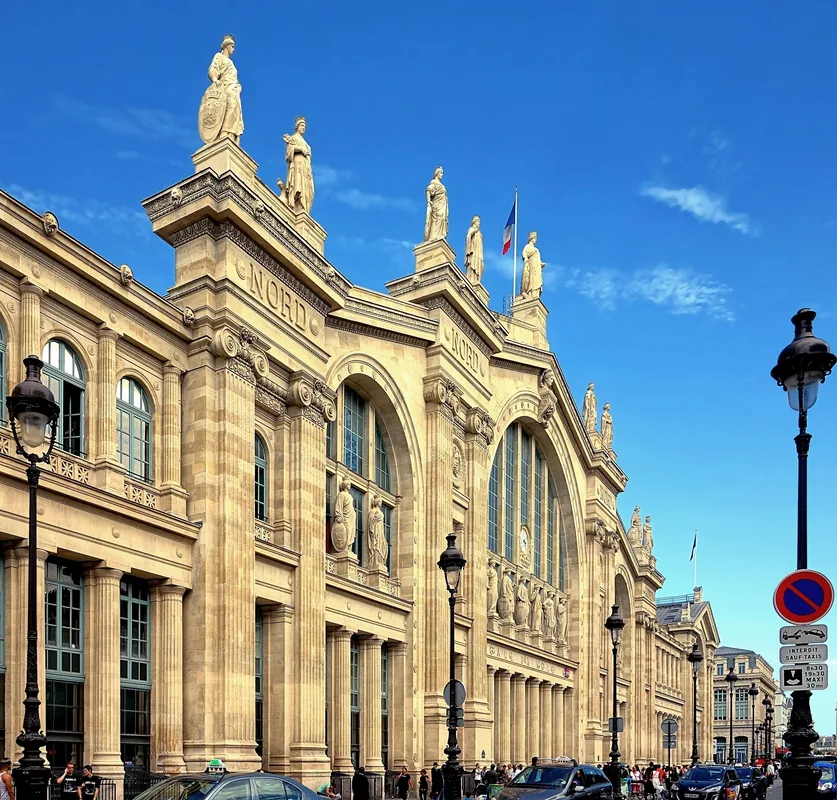
  • Use the Transilien train H from Gare du Nord for a quick commute to Paris.
  • The town is hilly, so wear comfortable shoes when exploring the historic center.
  • Check local listings for classical music concerts often held in the town's historic churches.
  • Visit the local museum dedicated to the history of the town and its connection to the Montmorency family.

🍽 Food

🍽
French Pastries

Stop by a local boulangerie in the town center for fresh croissants and tartes.

🍽
Montmorency Cherries

Look for jams and desserts made from the famous local Montmorency cherries in specialty shops.

🍽
Traditional Brasserie Fare

Enjoy a classic French lunch at a brasserie near the train station.

🛍 Shopping · 🧘 Quiet spots

🛍
Marché des Presles

Experience the spirited local market atmosphere offering fresh produce and regional delicacies.

🛍
Artisan Shops

Browse the small artisan shops in the town center for unique gifts and local crafts.

🧘
Forêt de Montmorency

Take a short trip to this nearby expansive forest for hiking and enjoying nature away from the city.

🧘
Parc de la Chevrette

Relax in this welcoming town park featuring historical ruins and old trees.

Highlights of 2026

2

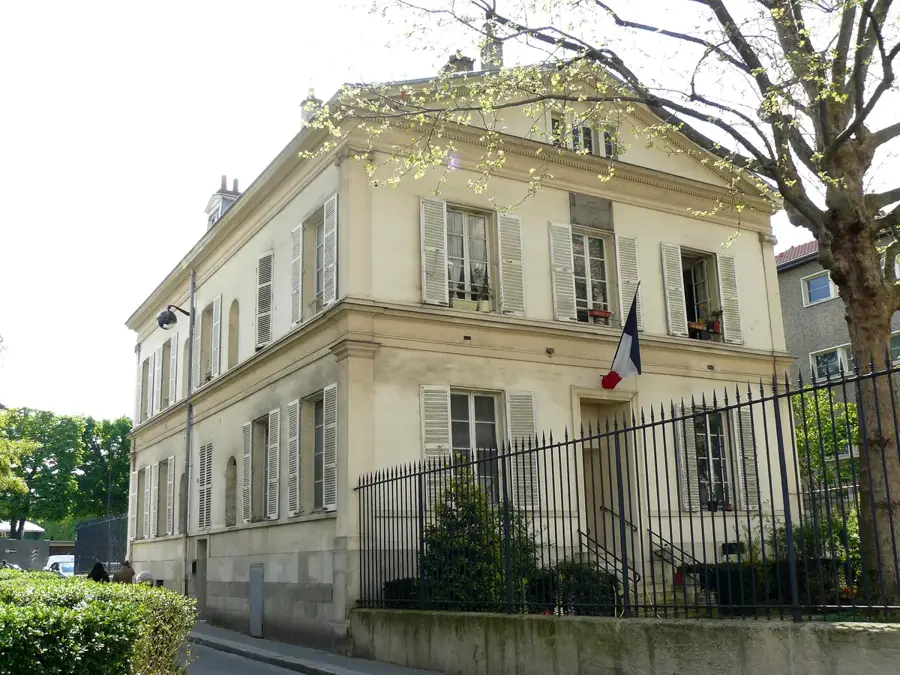
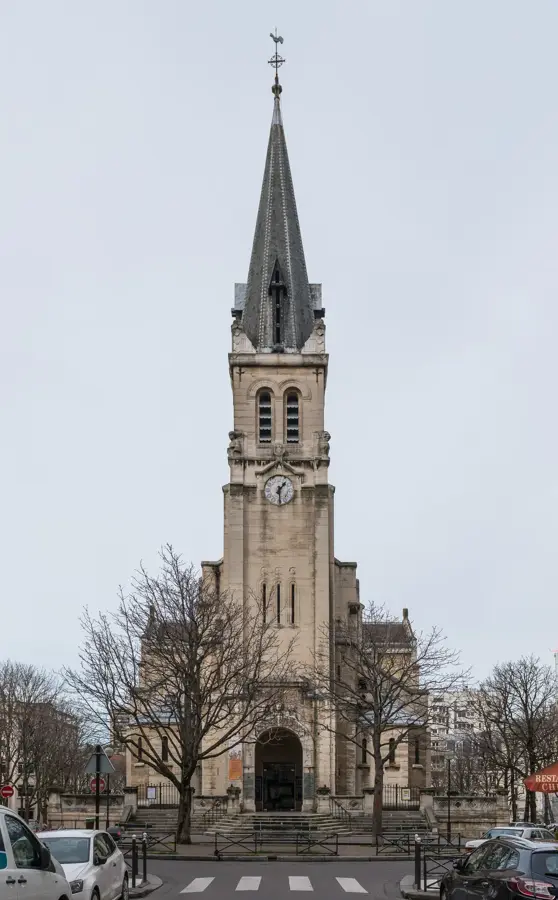
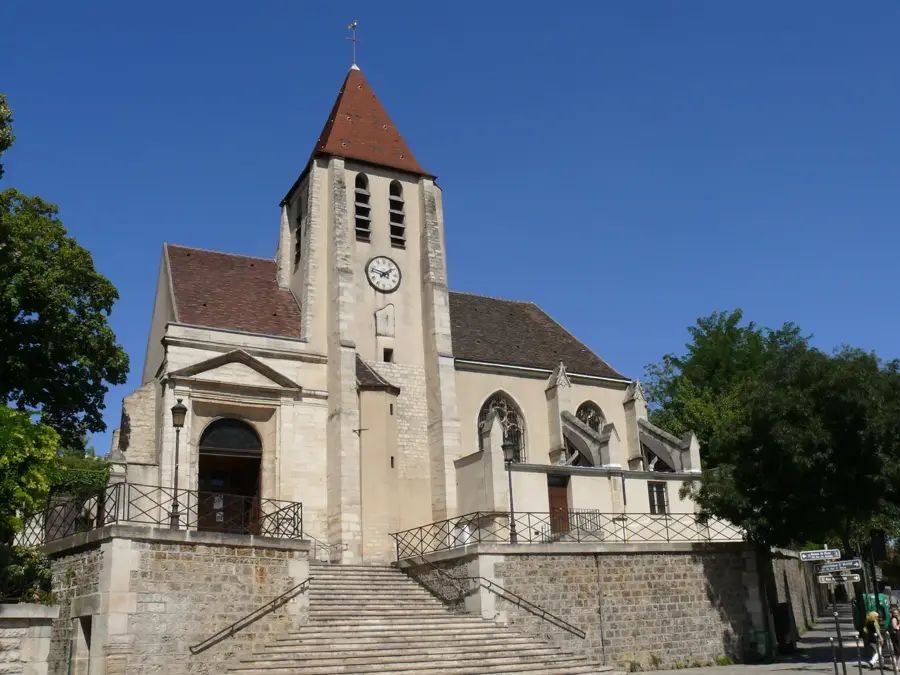
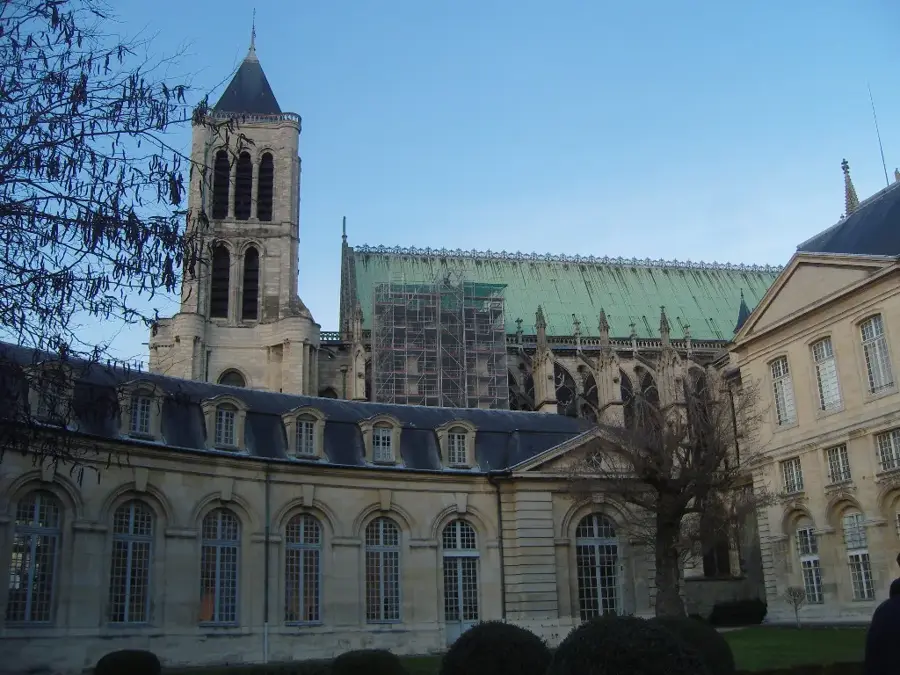
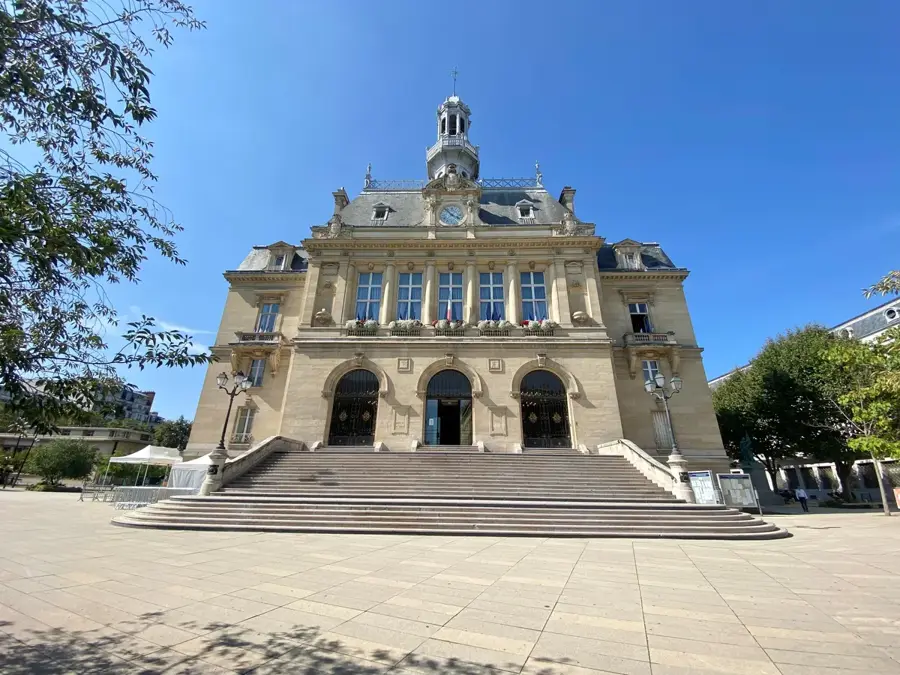
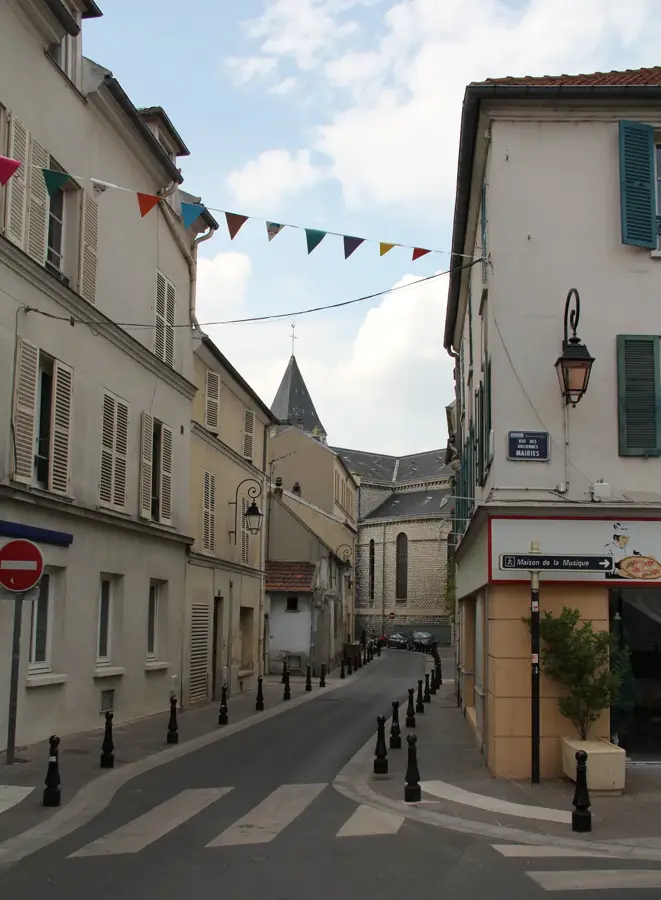
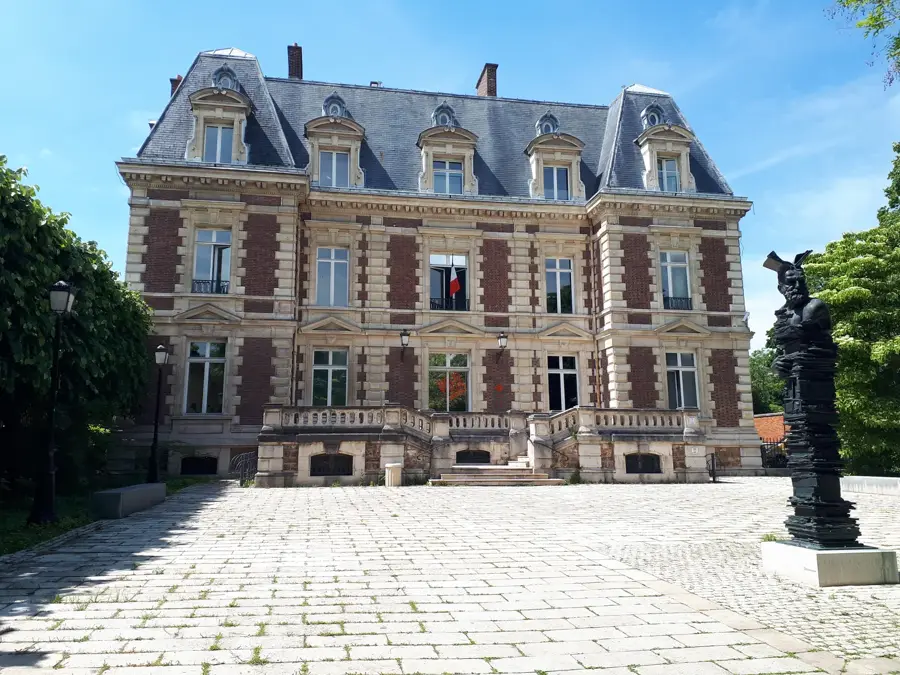
Deuil-la-Barre is a historic and leafy residential suburb located in the Val-d'Oise department, about 9 kilometers north of Paris. Set at the foot of the expansive Montmorency forest, the town has transitioned from a rural agricultural village to a highly desirable residential community. Its origins can be traced back to the Merovingian era, and it gained significant religious prominence in the Middle Ages as the burial site of Saint Eugene, a martyr whose remains were later translated to the Basilica of Saint-Denis. The Romanesque Church of Notre-Dame, which dates back to the 11th century, remains one of the area's most significant historical landmarks. Until the mid-1800s, Deuil was renowned for its intensive viticulture and fruit production, particularly cherries and grapes. The arrival of the railroad in 1846 sparked a transformation, attracting Parisian families who built elegant Belle Époque mansions that still dot the town today. Modern Deuil-la-Barre is characterized by its high quality of life, diverse cultural scene centered around the Michel Bourlet Museum, and its commitment to maintaining a 'village' atmosphere within the bustling Paris metropolitan area.

Best time to visit & climate

The most pleasant time to visit is Jun–Aug.

JanFebMarAprMayJunJulAugSepOctNovDec
Avg °C3471014171919161274
Rain mm545052396460555942576169

Geography

Population
21,560
Coordinates
48.97500, 2.32860

Facts

  • Notre-Dame church was classified as a monument in 1862.
  • The Deuil-Montmagny train station opened in 1846.
  • The municipal area spans 3.76 square kilometers.
  • Home to the Michel-Bourlet local history museum.
  • Part of the Plaine Vallée intercommunal association.
  • The highest point in the town reaches 113 meters.

Explore nearby

Notable places around

Route planner — Car & Motorhome

Where do you start? We build the route here, with stops and country notes along the way.

Vehicle
Only stops with (optional):

© OpenStreetMap contributors · OpenRouteService

Sights in the town Deuil-la-Barre (4)

Château de la Chevrette🏺 historical

Once the home of Madame d'Épinay and a retreat for Jean-Jacques Rousseau; parts of the estate and its park remain today.

Deuil-la-Barre Arboretum🌿 nature

A dedicated botanical space featuring a diverse collection of tree species, well-suited for nature walks within the urban area.

Galathée Park🎡 recreation

A central green space offering playgrounds and walking paths, serving as a primary recreational hub for the local community.

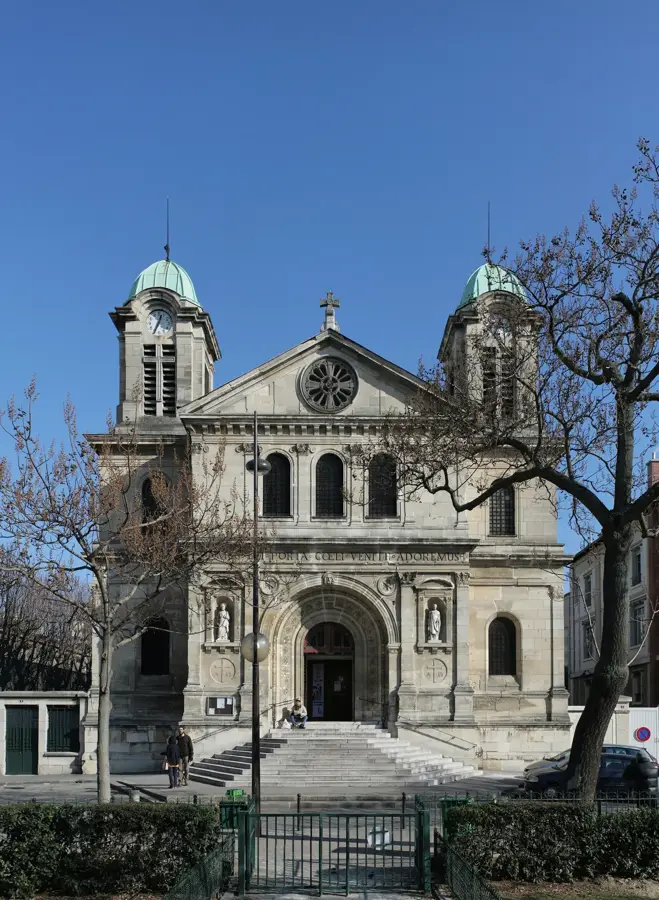
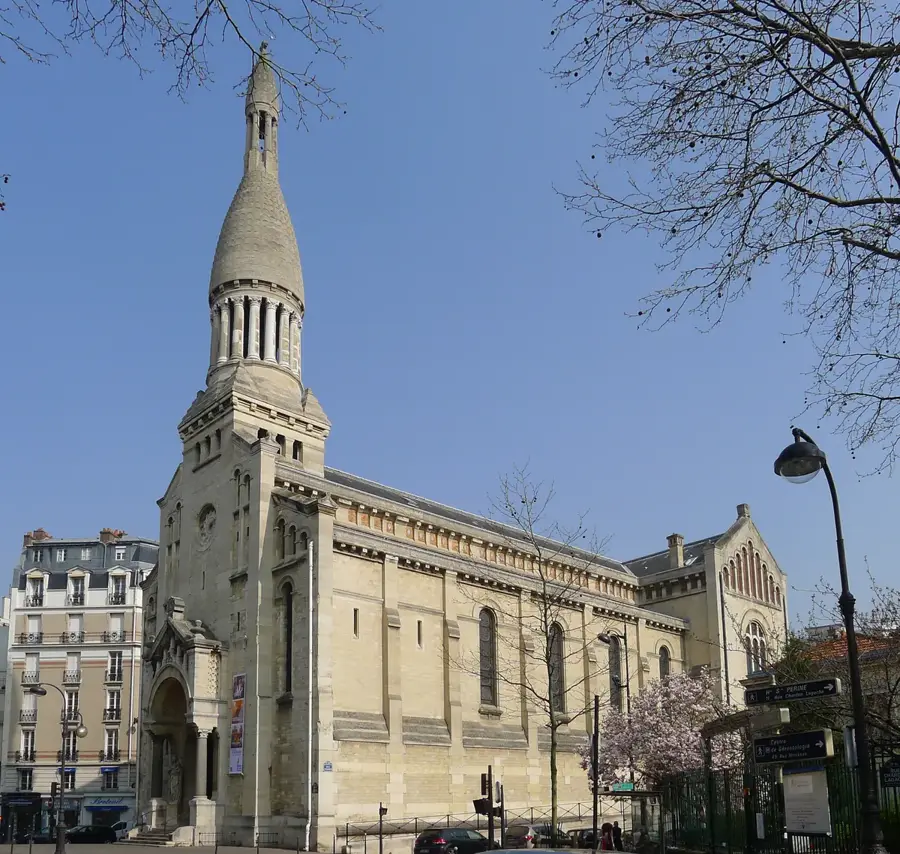
Église Prieurale et Paroissiale de Saint-Eugène⛪ religious

The Église Prieurale et Paroissiale de Saint-Eugène is a notable historic church serving as a place of worship in Deuil-la-Barre.

Frequently asked questions

What is the best way to get to Paris?
Take Line H from Deuil-Montmagny station to reach Gare du Nord in Paris in just 15 minutes.
What is the most historic sight?
The 11th-century Notre-Dame church houses the tomb of Saint Eugene and features impressive capitals.
Are there any museums in Deuil-la-Barre?
The Michel Bourlet Museum documents local history and the region's rural past.
Can you go hiking nearby?
The nearby Montmorency Forest has numerous hiking trails and views over the Paris Basin.
Is the town suitable for a quiet stay?
Yes, it is a green residential town with a villa character, convenient for commuters and visitors seeking peace.
Deuil-la-Barre: where is it located?
Deuil-la-Barre is located in Île-de-France, France.
Deuil-la-Barre: what is there to see?
Highlights include Château de la Chevrette, Deuil-la-Barre Arboretum, Galathée Park.
Deuil-la-Barre: when is the best time to visit?
The most pleasant time to visit is Jun, Aug.
Deuil-la-Barre: why is it worth visiting?
Deuil-la-Barre is a historic and leafy residential suburb located in the Val-d'Oise department, about 9 kilometers north of Paris.
View on map → The Top 50 Attractions → Most beautiful beaches → OpenStreetMap →
Europe
Explore with Plizio Discover more places in Europe
More places in France →

Nearby cities