Plizio Visual Lab
La Réunion National Park
Weather…
Water temperature…
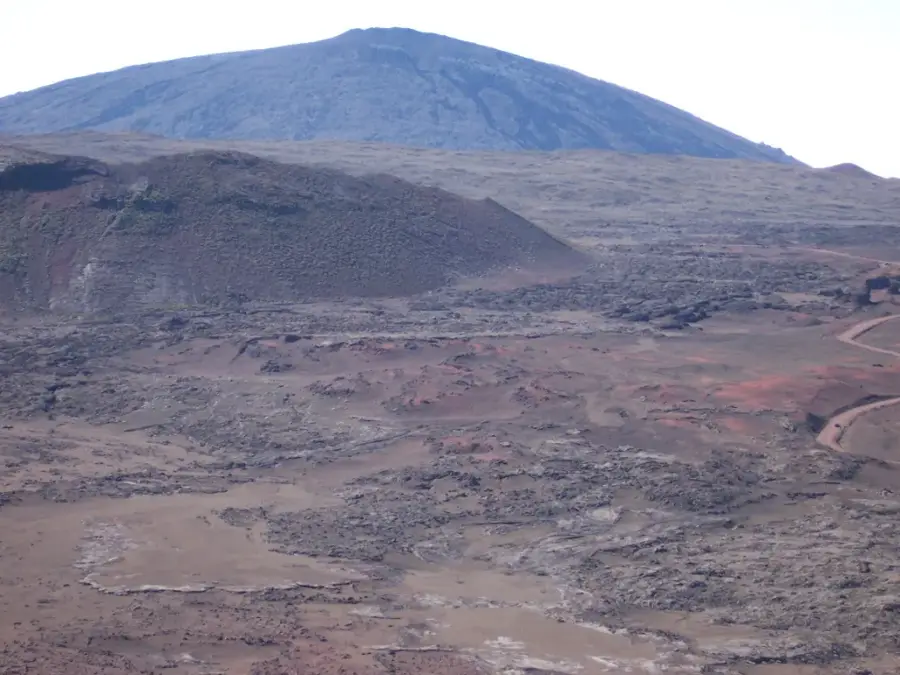
La Réunion National Park was established in 2007 and covers about 40 percent of the eponymous island in the Indian Ocean. It protects an extraordinary volcanic landscape characterized by the UNESCO World Heritage site 'Pitons, Cirques, and Remparts'. At its center lie three massive calderas (cirques), Mafate, Cilaos, and Salazie, alongside the Piton des Neiges massif, the highest peak in the Indian Ocean. The park also includes Piton de la Fournaise, one of the world's most active volcanoes. The extreme topography has led to the development of unique biodiversity, with numerous endemic plant and animal species found only on this island. The park plays a crucial role in protecting primary forests and preserving endangered species like the Réunion harrier. Hikers prize the network of over 1,000 kilometers of trails that lead through wide-open gorges and across barren lava fields, offering an unparalleled natural experience.
- Location: Corse, France
- Top sights: Caverne Dufour · Caverne Mussard · Réserve biologique intégrale du Matarum
Best time to visit & climate
The most pleasant time to visit is May, Jun, Oct.
| Jan | Feb | Mar | Apr | May | Jun | Jul | Aug | Sep | Oct | Nov | Dec | |
|---|---|---|---|---|---|---|---|---|---|---|---|---|
| Avg °C | 24 | 25 | 24 | 23 | 21 | 20 | 19 | 19 | 19 | 21 | 22 | 24 |
| Rain mm | 140 | 114 | 143 | 77 | 53 | 37 | 31 | 31 | 33 | 34 | 46 | 55 |
📋 Practical info
Geography
Facts
- The national park was officially inaugurated on March 5, 2007.
- About 40% of the island's surface belongs to the park's core area.
- Piton des Neiges is the highest peak, reaching 3,070 meters.
- Over 1,000 kilometers of hiking trails traverse the park territory.
- The park was inscribed on the UNESCO World Heritage list in 2010.
- More than 230 endemic plant species are found within the island.
Route planner — Car & Motorhome
Where do you start? We build the route here, with stops and country notes along the way.
© OpenStreetMap contributors · OpenRouteService
Sights in the town La Réunion National Park (3)
Sights nearby
Frequently asked questions
Is the volcano safe to visit?
What are the Cirques?
Can you reach Mafate by car?
When is the dry season?
What should I take on hikes?
La Réunion National Park: where is it located?
La Réunion National Park: what is there to see?
La Réunion National Park: when is the best time to visit?
La Réunion National Park: why is it worth visiting?

Nearby cities