Plizio Visual Lab
Addis Ababa
ℹ️Practical info — Addis Ababa
▾
🌤 Weather — 5 days
📍 Nearby
Sights nearby
💡 Tips
- Use the Light Rail for cheap transport, but avoid the crushing rush hours.
- At 2300m altitude, the air is thin; take it easy on your first day.
- Keep small Birr notes handy for taxis and tips.
- Always negotiate taxi fares before getting in, unless using a ride-hailing app.
🍽 Food
Enjoy this classic spicy chicken stew served on spongy flatbread at traditional restaurants in the Piazza area.
Experience a traditional coffee ceremony at local 'buna bets' or visit the famous Tomoca Coffee.
Try this traditional honey wine at an 'azmari bet' where you can also enjoy live local music.
🛍 Shopping · 🧘 Quiet spots
Explore one of Africa's largest open-air markets; go with a local guide to navigate the chaos.
The best place to buy traditional Ethiopian woven clothing and beautiful blankets.
Drive up through eucalyptus forests for panoramic views over the sprawling city.
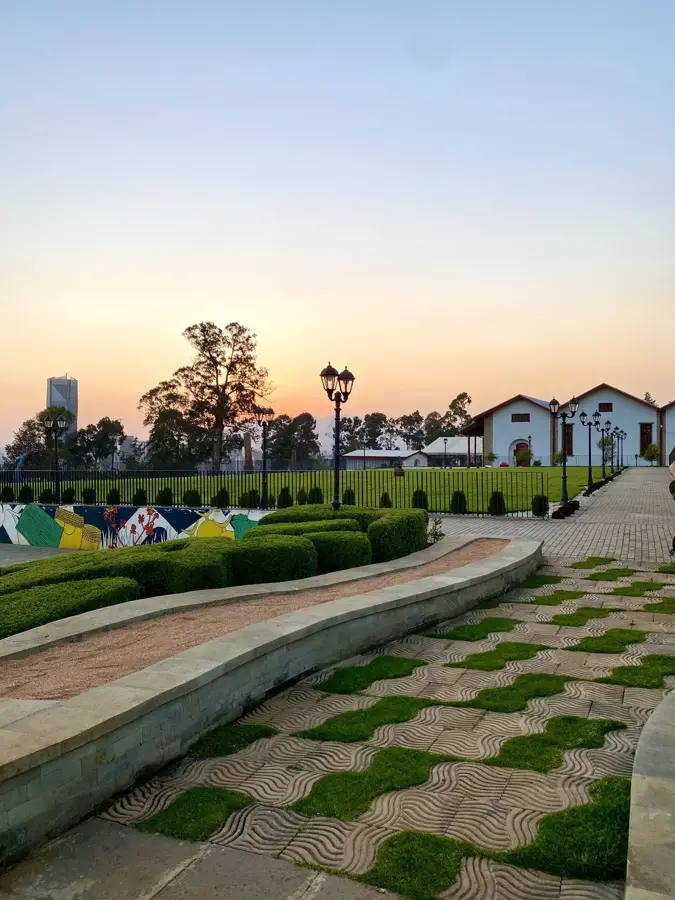
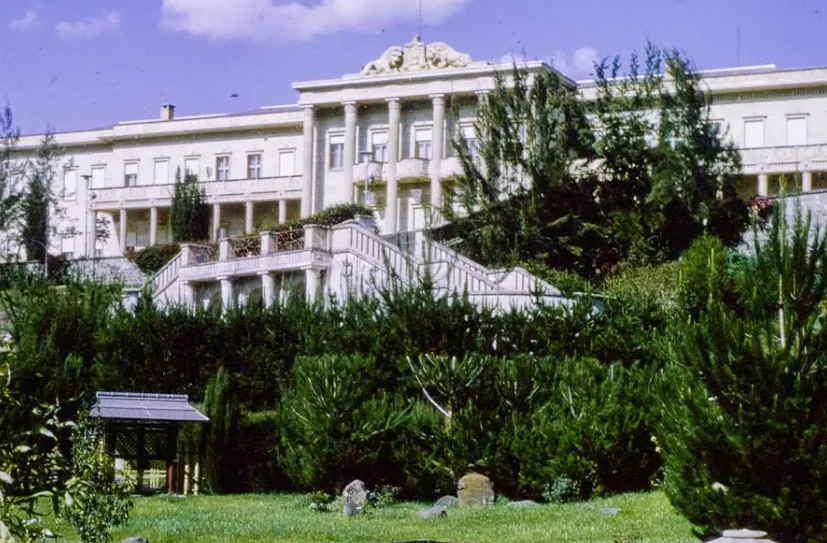
Relax in the beautifully landscaped gardens inside the former imperial palace compound.
Water temperature…
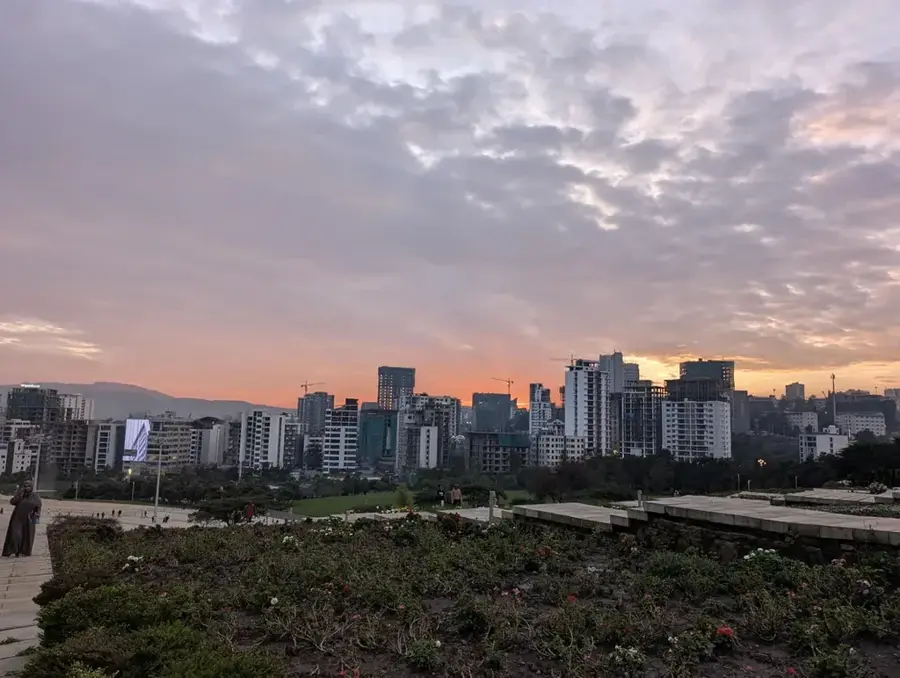
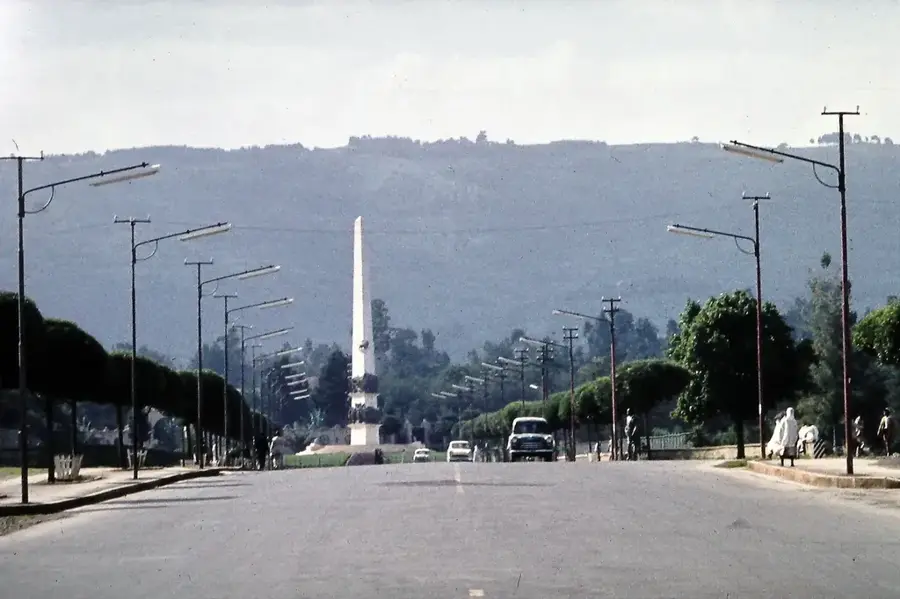
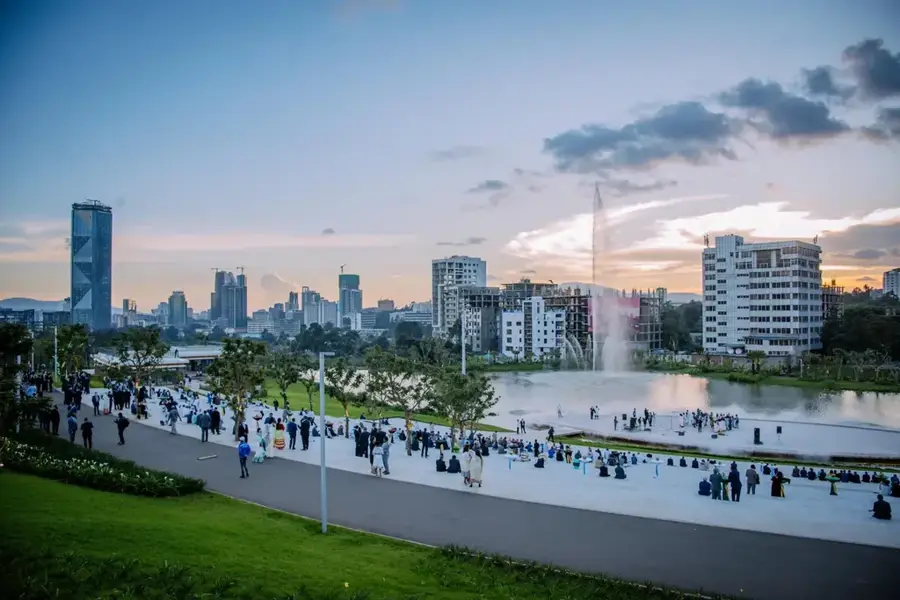
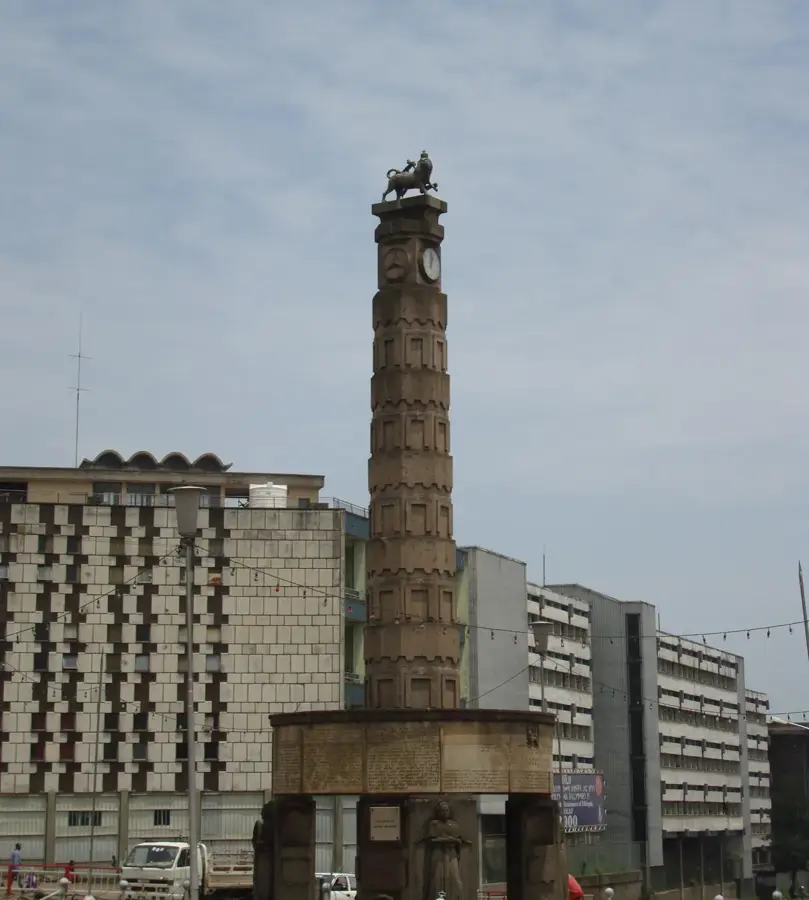
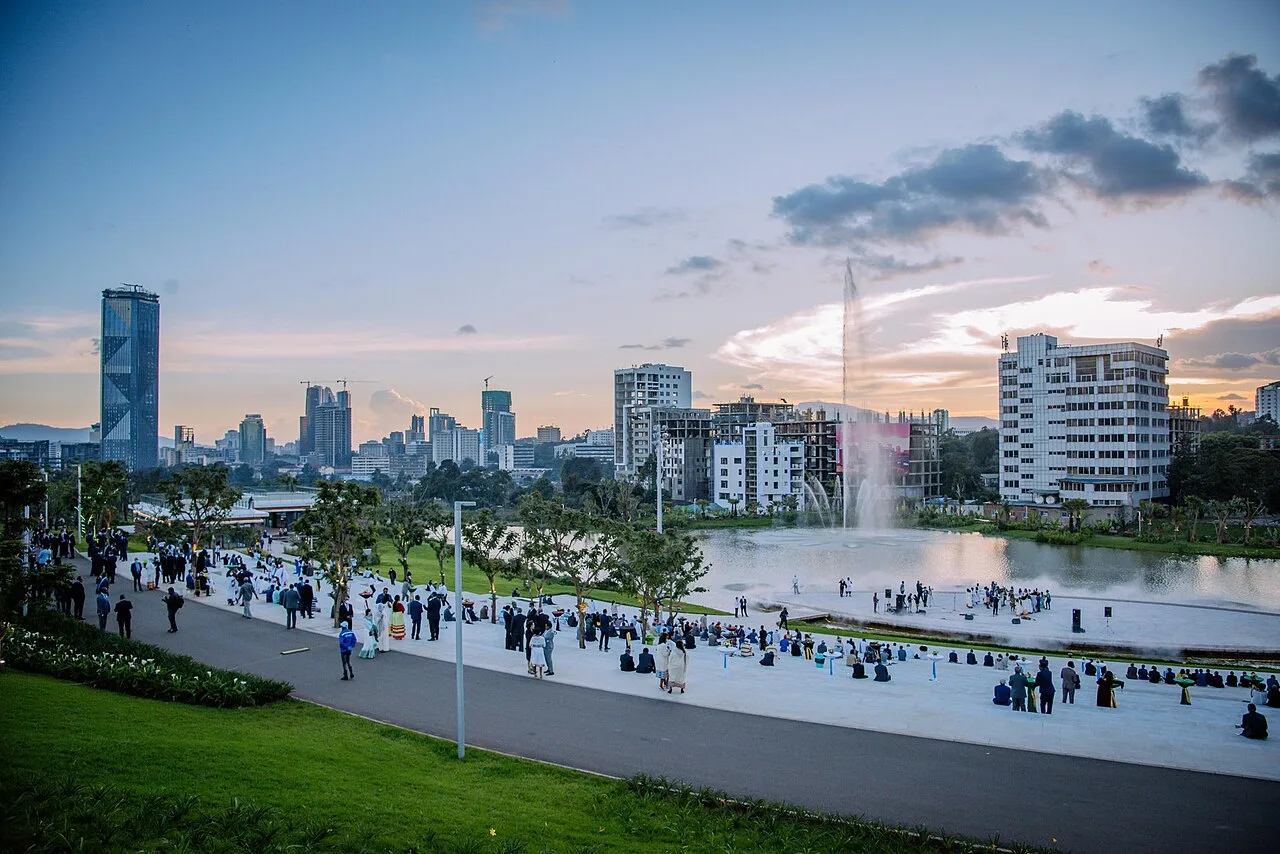
Addis Ababa, the sprawling capital of Ethiopia and the headquarters of the African Union, sits at a remarkable altitude of approximately 2,355 meters (7,726 feet) at the base of the Entoto Mountains. Founded in 1886 by Emperor Menelik II and Empress Taytu Betul, the city was strategically located near the mineral-rich hot springs of Filwoha. Its name translates to "New Flower" in Amharic, reflecting its role as the nascent center of a unified Ethiopian state. Today, it stands as the diplomatic gateway to the continent, hosting the United Nations Economic Commission for Africa (UNECA) and serving as a critical hub for international NGOs and diplomatic missions. The city's geography is defined by its rugged topography and a subtropical highland climate, which gives pleasant, spring-like weather throughout the year, despite being located near the equator. Addis Ababa's history is a testament to African sovereignty, as it remained the center of an uncolonized nation (save for a brief Italian occupation). The urban landscape is a dynamic mix of historical monuments, such as the grand Holy Trinity Cathedral and the Statue of the Lion of Judah, and sleek modern developments like the African Union Grand Hotel and the ever-growing skyline of the financial district. The city is also home to the continent's first light rail system south of the Sahara, symbolizing its push toward modernization. Economically, Addis Ababa is the primary engine of Ethiopia, concentrating the nation's banking, manufacturing, and transport sectors. The Addis Merkato is legendary as one of the largest open-air markets in Africa, acting as a vital artery for regional trade. Cultural life is incredibly rich; the National Museum of Ethiopia houses "Lucy," the 3.2-million-year-old hominid skeleton that provides profound insights into human evolution. The city is a demographic melting pot where people from over 80 ethnic groups coexist, creating a bustling tapestry of languages, music, and culinary traditions. From the rhythmic movements of Eskista dancing to the aroma of traditional coffee ceremonies, Addis Ababa remains a captivating and essential destination for understanding the heart of East Africa.
- Location: Ethiopia
- Nearby: Bishoftu (35 km)
- Population: ~3.860.000 (2026)
Best time to visit & climate
The most pleasant time to visit is Jan–Mar.
| Jan | Feb | Mar | Apr | May | Jun | Jul | Aug | Sep | Oct | Nov | Dec | |
|---|---|---|---|---|---|---|---|---|---|---|---|---|
| Avg °C | 15 | 17 | 18 | 18 | 18 | 18 | 16 | 16 | 16 | 14 | 14 | 14 |
| Rain mm | 12 | 27 | 56 | 90 | 89 | 116 | 239 | 246 | 145 | 34 | 16 | 13 |
Geography
Facts
- Addis Ababa is situated at an elevation of 2,355 meters (7,726 feet) above sea level.
- The city was established in 1886 by Emperor Menelik II and Empress Taytu Betul.
- It serves as the headquarters for the African Union and the United Nations ECA.
- The National Museum of Ethiopia houses the 3.2-million-year-old fossil of 'Lucy'.
- The Merkato district is recognized as one of Africa's largest open-air marketplaces.
- The Addis Ababa Light Rail is a pioneer urban transit system in East Africa.
- The city's name means 'New Flower' in the local Amharic language.
- Entoto Hill, the city's highest point, offers panoramic views and historic palaces.
Explore nearby
Notable places around


Route planner — Car & Motorhome
Where do you start? We build the route here, with stops and country notes along the way.
© OpenStreetMap contributors · OpenRouteService
Sights in the town Addis Ababa (1)
Frequently asked questions
How long should I stay in Addis Abeba?
What is the best time to visit Addis Abeba?
How do I get from Addis Abeba airport to the city center?
What museums should I visit in Addis Abeba?
What local dishes should I try in Addis Abeba?
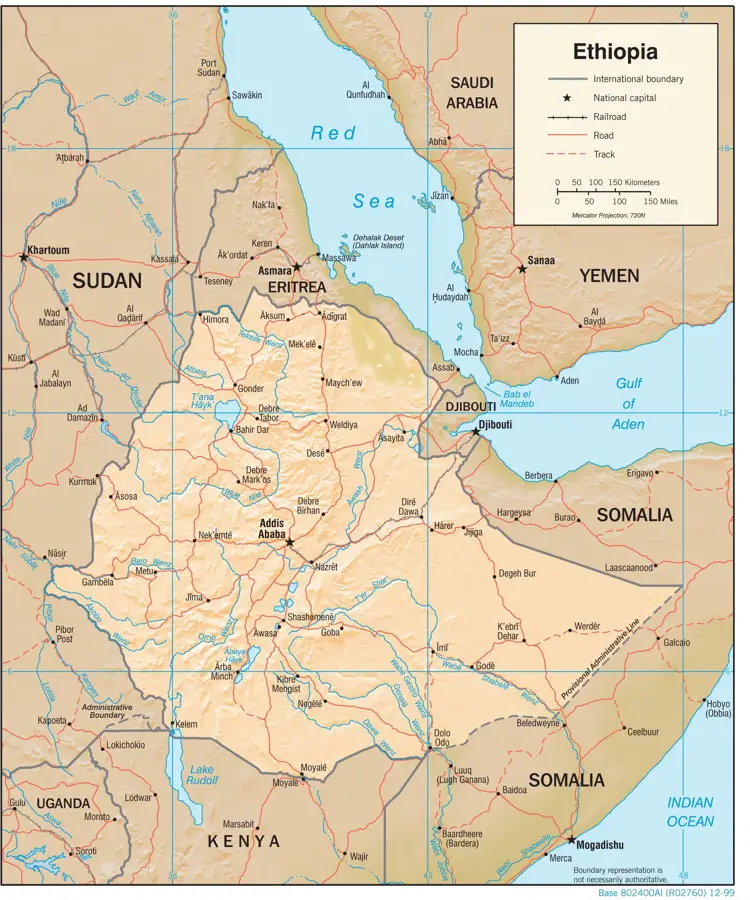
Addis Ababa: where is it located?
Addis Ababa: when is the best time to visit?
Addis Ababa: why is it worth visiting?

History & landmarks


Nature
More places