Plizio Visual Lab

Sohag Agricultural Lands
Plizio editorial teamData Sources
Agriculture
—°4
Sohag Agricultural Lands (Egypt)

Weather…

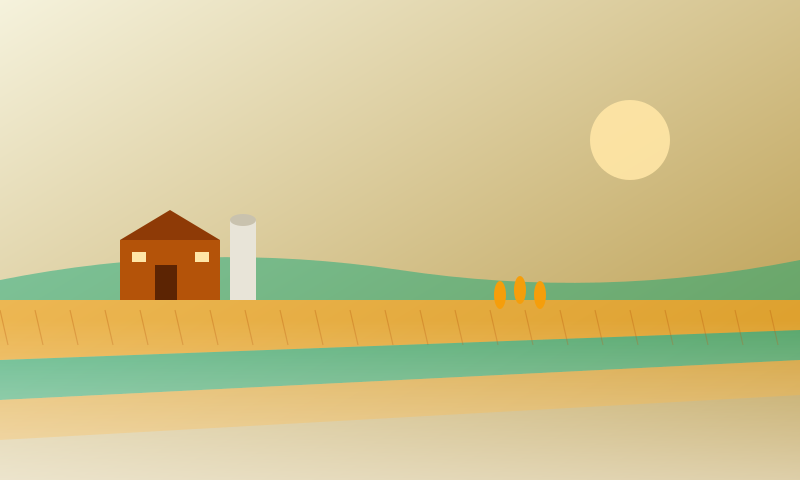
The agricultural lands of Sohag in Upper Egypt are characterized by intensive use of the Nile Valley, with wheat and onion cultivation at the forefront. The region benefits from the fertile sediments deposited by the river over millennia and today uses a modern system of dams and canals for year-round irrigation. Sohag is considered one of the most important centers for food production in the south of the country, supplying large parts of Upper Egypt with fresh produce. The rural culture of the region is closely linked to the rhythms of agriculture, with traditional harvesting techniques often coexisting alongside modern machinery. The fields of Sohag form a narrow green strip between the Nile and the adjacent desert, underscoring the importance of every square meter of land. Recently, land reclamation projects have been initiated in the desert fringes to further broaden the province's agricultural base. The region is also noted for its historic monasteries and temples.

Best time to visit & climate

The most pleasant time to visit is Mar, Apr, Oct.

JanFebMarAprMayJunJulAugSepOctNovDec
Avg °C111418232730303028241813
Rain mm100000000000

📋 Practical info

🏭
What is this place?
The agricultural lands of Sohag are traditional farming areas along the Nile in Upper Egypt. They play a central role in regional food production, growing crops such as wheat, sugarcane and vegetables.
🚪
Visiting
The fields are freely visible from the roads and paths along the Nile. Visitors can observe agricultural work from a distance, but access to the fields is not usually permitted.
👀
Where to view it
An excellent viewpoint is the Nile bridge in Sohag, from where the green fields stretch on both sides of the river. The riverside promenade also has a good view of the irrigation canals and cultivated areas.
🧺
Local products
The region mainly produces wheat, maize, sugarcane and a variety of vegetables. Seasonal fruits such as oranges and mangoes are available at local markets in Sohag.
📆
Active season
The main harvest season is in spring and autumn, when wheat and sugarcane are harvested. The irrigation season is determined by the Nile and peaks during the flood months from August to October.
Nearby
Combine the visit with the city of Sohag itself, which gives numerous historical sites from the pharaonic period. The nearby Monastery of Saint Shenute is also worth a detour.

Geography

Coordinates
26.50000, 31.70000

Facts

  • Sohag is famous for its high onion production.
  • The area uses the Asyut Dam for water regulation.
  • The region has some of the highest soil quality in the Nile Valley.
  • Wheat is grown here in two cycles per year.
  • The province covers over 300.000 feddans of agricultural land.
  • Traditional mud-brick pigeon towers dot the fields.

Explore nearby

Notable places around
Route planner — Car & Motorhome

Where do you start? We build the route here, with stops and country notes along the way.

Vehicle
Only stops with (optional):

© OpenStreetMap contributors · OpenRouteService

Sights in the town Sohag Agricultural Lands (4)

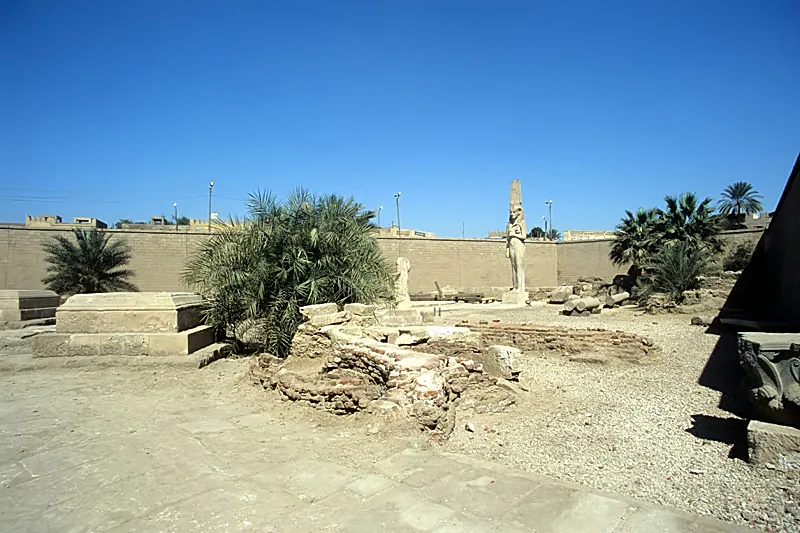
Athribis (Upper Egypt)🏺 historical

Athribis is a prominent archaeological site featuring the ruins of an ancient Egyptian settlement in Upper Egypt.

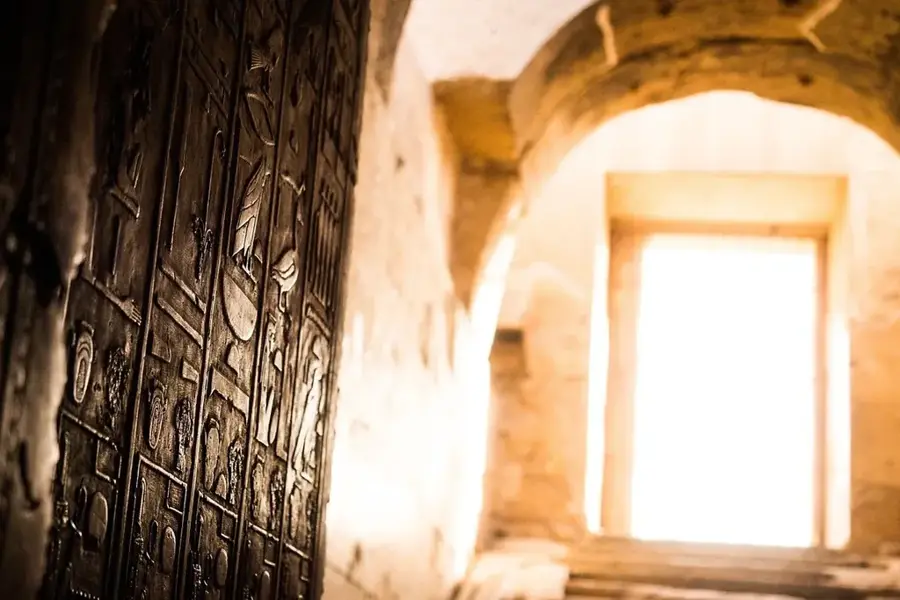
Temple of Ptolemy IX (Physkon)🏺 historical

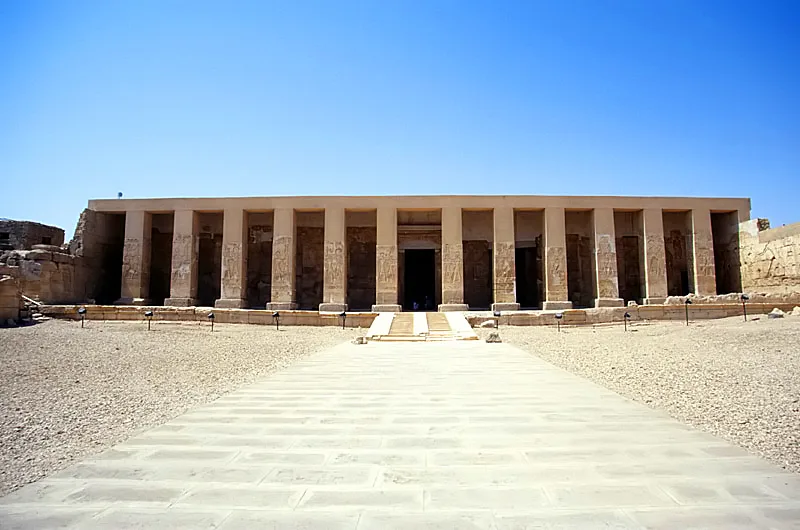
The ruins of the Temple of Ptolemy IX showcase the distinctive architecture of the Ptolemaic era in the region.

Tomb of the Mayor of Athribis🏺 historical

The Tomb of the Mayor of Athribis is an ancient rock-cut burial site of a high-ranking Egyptian official.

White Monastery⛪ religious

The White Monastery is a Coptic Orthodox complex renowned for its massive walls built from white limestone.

Sights nearby

Frequently asked questions

What is typical for agriculture in Sohag?
Traditional farming methods and a high density of date palms characterize the landscape.
How is the land used in Sohag?
In addition to food for personal consumption, onions and grains are grown for trade.
Is the area developed for tourism?
The agricultural areas are rather non-touristic and offer an authentic insight into rural Egypt.
What role do water buffaloes play in Sohag?
They are important draft animals in the fields and provide milk for traditional cheese.
When are dates harvested in Sohag?
The main harvest takes place between August and October when the fruits are fully ripe.
Sohag Agricultural Lands: where is it located?
Sohag Agricultural Lands is located in Egypt.
Sohag Agricultural Lands: what is there to see?
Highlights include Athribis (Upper Egypt), Temple of Ptolemy IX (Physkon), Tomb of the Mayor of Athribis.
Sohag Agricultural Lands: when is the best time to visit?
The most pleasant time to visit is Mar, Apr, Oct.
Sohag Agricultural Lands: why is it worth visiting?

The agricultural lands of Sohag in Upper Egypt are characterized by intensive use of the Nile Valley, with wheat and onion cultivation at the forefront.
View on map → The Top 50 Attractions → OpenStreetMap →
Africa
Explore with Plizio Discover more places in Africa
More places in Egypt →

Nearby cities

More places