Plizio Visual Lab
Ruins of La Vega Vieja
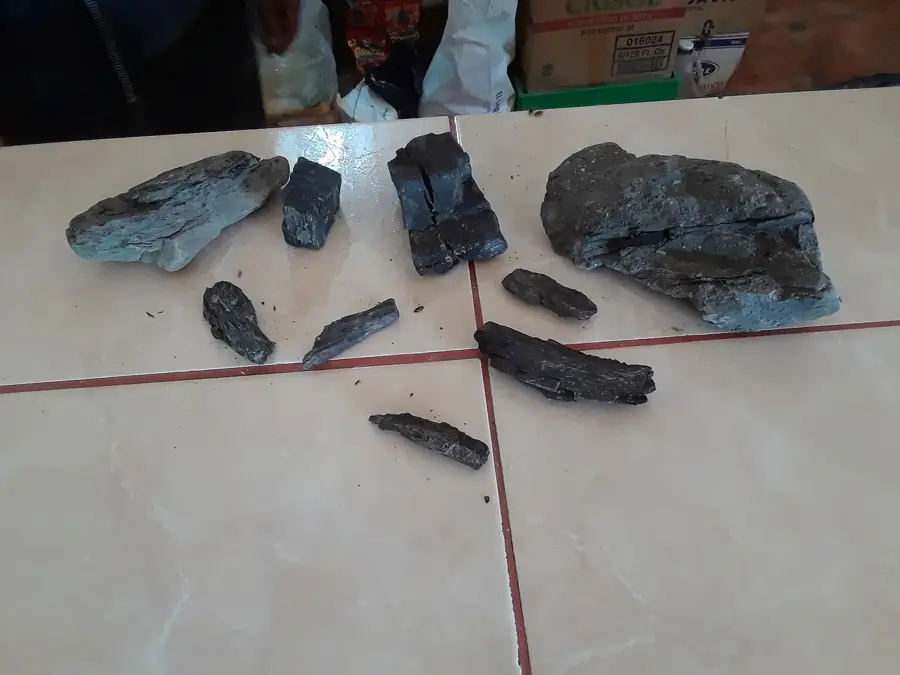
The ruins of La Vega Vieja mark the site of one of the first European settlements in the New World, founded by Christopher Columbus in 1494. Originally established as a fortress named Concepción de la Vega, the location quickly evolved into a flourishing city that grew wealthy from gold mining in the surrounding rivers. During its peak, the city boasted a cathedral, a monastery, and substantial stone houses, making it a significant administrative hub for the Spanish crown. This era came to a catastrophic end in 1562, when a violent earthquake nearly completely destroyed the city, leading the survivors to relocate to the present-day site of La Vega. Today, archaeological excavations provide deep insights into early colonial architecture and 16th-century life. Visitors can explore the foundations of the former fortress and religious buildings, which serve as silent witnesses to the early Spanish expansion in the Caribbean.
- Location: Dominican Republic
- Nearby: Concepción de La Vega (6 km)
Best time to visit & climate
The most pleasant time to visit is Jan–Mar.
| Jan | Feb | Mar | Apr | May | Jun | Jul | Aug | Sep | Oct | Nov | Dec | |
|---|---|---|---|---|---|---|---|---|---|---|---|---|
| Avg °C | 23 | 23 | 24 | 25 | 26 | 27 | 27 | 27 | 27 | 26 | 25 | 24 |
| Rain mm | 49 | 29 | 38 | 44 | 65 | 39 | 49 | 55 | 58 | 60 | 86 | 56 |
📋 Practical info
Geography
Facts
- The settlement was personally founded by Christopher Columbus in December 1494.
- In 1508, the first city coat of arms in the New World was granted here.
- The Concepción fortress was once one of the strongest military defenses on the island.
- The devastating earthquake occurred on December 2, 1562.
- Archaeologists discovered the remains of the first mint in the Americas at this site.
- The site was declared a national monument of the Dominican Republic in 1976.
Explore nearby
Notable places around


Route planner — Car & Motorhome
Where do you start? We build the route here, with stops and country notes along the way.
© OpenStreetMap contributors · OpenRouteService
Sights nearby
Frequently asked questions
What is La Vega Vieja?
Where are the ruins located?
What can still be seen there today?
Is a guide needed?
When is the best time to visit?
Ruins of La Vega Vieja: where is it located?
Ruins of La Vega Vieja: when is the best time to visit?
Ruins of La Vega Vieja: why is it worth visiting?

Nearby cities
History & landmarks
Nature
More places