Plizio Visual Lab
Moca
ℹ️Practical info — Moca
▾
🌤 Weather — 5 days
📍 Nearby
Sights nearby
💡 Tips
- Moca has no beaches, but its history and agricultural wealth make it fascinating. Visit the majestic Iglesia Sagrado Corazón de Jesús.
- The city is highly regarded for its political history and is known as the 'Heroic Village'. Look out for historical plaques.
- Roads in the surrounding mountains are steep; ensure your vehicle has good brakes if exploring the outskirts.
- Dress slightly more conservatively when visiting the main churches, as local customs are quite traditional.
🍽 Food
Moca is incredibly famous for mofongo (mashed plantains with garlic and pork cracklings). A must-try at any traditional restaurant.
Succulent, well-seasoned roasted pork, often found at roadside stands on the outskirts.
Since the region grows a lot of cassava, try empanadas made from yuca dough instead of flour.
🛍 Shopping · 🧘 Quiet spots
Though originating nearby, Moca's craft shops are a great place to buy these iconic, faceless ceramic dolls.
The best place in the country to buy fresh coffee, cacao, and large plantains directly from producers.
The beautiful architecture and peaceful square offer a quiet escape from the town's traffic.
A historic, tree-lined plaza great for reading or enjoying an ice cream in the afternoon.
Water temperature…
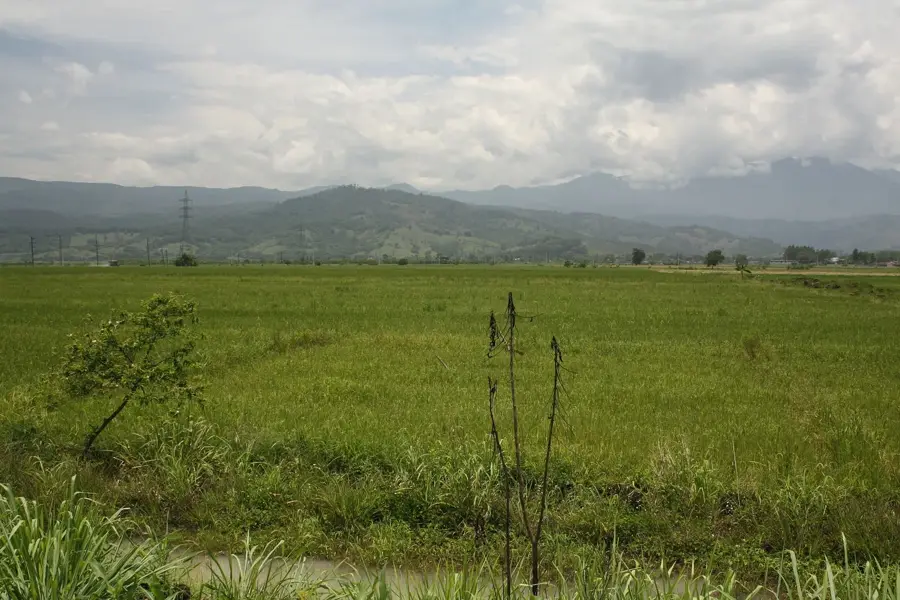
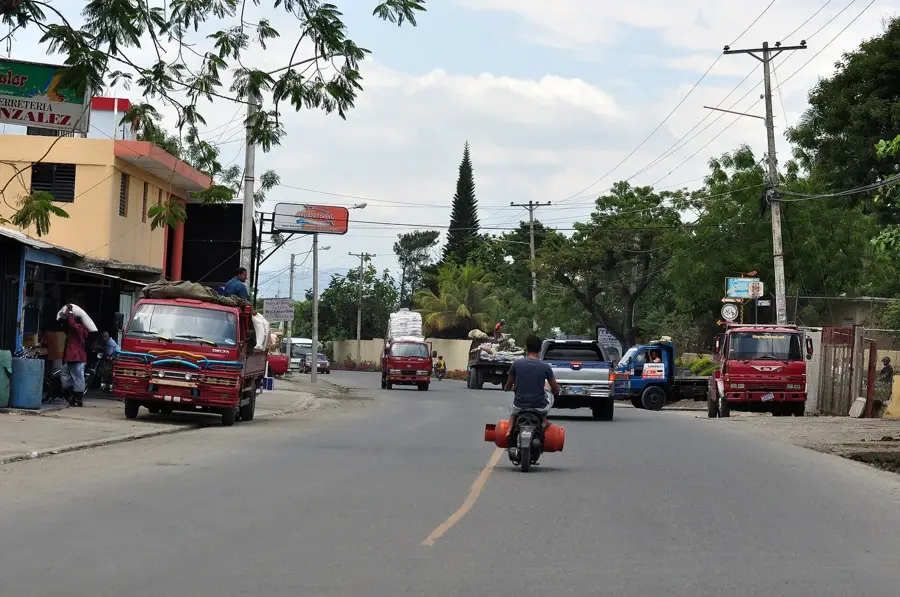
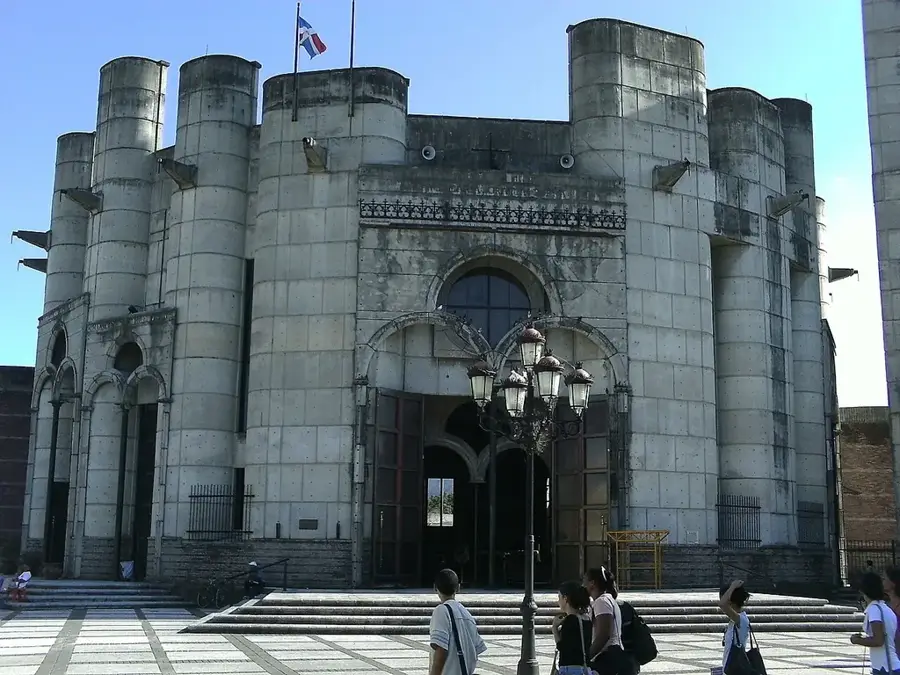
Moca is the capital of the Espaillat province in the Dominican Republic, situated within the fertile Cibao Valley at an elevation of approximately 183 meters above sea level. Officially established as a municipality in 1885, the city has long served as a vital pillar of the nation's economy, often called the "Agricultural Capital" due to its exceptionally rich volcanic soils. The local economy is driven by the large-scale production of coffee, cocoa, and plantains, alongside a robust poultry industry that supplies much of the country. Historically, Moca is celebrated as the "Heroic City" for being the site of the 1899 assassination of Dictator Ulises Heureaux, an act that drastically shifted the country's political landscape toward modernization. A prominent architectural landmark is the Sacred Heart of Jesus Church, a neo-Gothic masterpiece featuring imported Italian stained glass, which was designated as a national heritage site in 1990. Today, Moca continues to evolve as a center for trade and education while maintaining its deep-seated gastronomic heritage, specifically its renown for traditional dish Mofongo.
- Location: Dominican Republic
- Top sights: Museo Ramón Cáceres · Parque Zoológico y Botánico Municipal · Museo 26 de Julio
- Nearby: Concepción de La Vega (6 km)
- Population: ~61.834 (2026)
Best time to visit & climate
The most pleasant time to visit is Jan–Mar.
| Jan | Feb | Mar | Apr | May | Jun | Jul | Aug | Sep | Oct | Nov | Dec | |
|---|---|---|---|---|---|---|---|---|---|---|---|---|
| Avg °C | 23 | 23 | 24 | 25 | 26 | 27 | 27 | 27 | 27 | 26 | 25 | 24 |
| Rain mm | 49 | 29 | 38 | 44 | 65 | 39 | 49 | 55 | 58 | 60 | 86 | 56 |
Geography
Facts
- Moca was officially declared a municipality of Espaillat province in 1885.
- The Sacred Heart of Jesus Church was completed in 1956 in neo-Gothic style.
- Dominican President Ulises Heureaux was assassinated here in 1899.
- The city sits at an average elevation of 183 meters above sea level.
- Moca produces approximately 30% of the country's total poultry supply.
- The name Moca likely originates from an indigenous Taino word for trees.
Explore nearby
Notable places around


Route planner — Car & Motorhome
Where do you start? We build the route here, with stops and country notes along the way.
© OpenStreetMap contributors · OpenRouteService
Sights in the town Moca (4)
Frequently asked questions
What is Moca famous for?
What is the most famous monument?
What is a 'Mofongo'?
How is the atmosphere in the city?
What can you visit nearby?
Moca: where is it located?
Moca: what is there to see?
Moca: when is the best time to visit?
Moca: why is it worth visiting?

Nearby cities
More places